
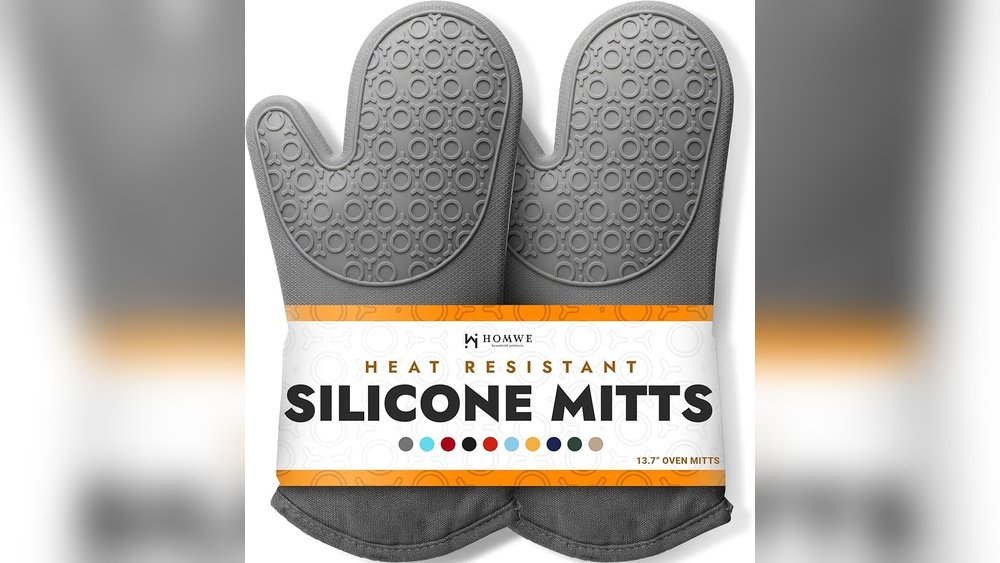
Drying the inside of silicone oven mitts is a simple task—until you actually try it. Unlike fabric mitts that can be left to air dry, silicone mitts often trap water inside after washing. Moisture lingers, sometimes for days, making the mitts uncomfortable to use, and even worse, inviting bacteria or mold. Many people struggle with this, not realizing that improper drying can also damage the mitts over time.
But what’s the right way to get the inside dry—fast and completely? Is it safe to use heat, or are you risking the mitts’ shape and safety? This article gives you a clear, step-by-step guide, with practical methods, expert tips, and answers to the most common questions.
You’ll also learn about drying mistakes that can ruin your silicone mitts, plus how to keep them clean and fresh for years. Whether you cook every day or just once a month, you’ll find advice you can use right now.
Why Silicone Oven Mitts Trap Moisture
Silicone oven mitts are popular because they resist heat, don’t burn, and last longer than cloth. Their non-porous surface does not soak up liquids, but the inside lining—often made of cotton or polyester—can hold water. After washing, water may pool at the fingertips or seams.
This problem gets worse if mitts have a thick inner lining or are double-layered. The tight seal at the wrist also slows drying. Unlike towels or fabric mitts, you can’t just wring them out. If left wet, the mitts can smell bad, develop mildew, or even become unsafe to use.
Common Mistakes People Make
Drying the inside of silicone mitts seems easy, but these mistakes are common:
- Hanging them by the loop only: Water collects at the fingertips and never fully dries.
- Leaving them on a flat surface: The inside stays damp even if the outside feels dry.
- Using extreme heat: Some try to dry mitts in the oven or microwave, risking melting or warping.
- Ignoring the inside: Some shake out water and think that’s enough, but the lining can stay wet for hours.
Avoiding these errors helps your mitts last longer and stay safe.

Credit: www.amazon.com
The Best Methods For Drying The Inside Of Silicone Oven Mitts
There’s more than one way to dry oven mitts quickly and completely. Here are the best methods, plus when to use each.
1. Towel Roll Method
This is a safe, effective way that works for most mitts.
Steps:
- Turn the mitt inside out as much as possible. Don’t force if it’s stiff—just open the wrist wide.
- Take a clean, dry kitchen towel and roll it tightly.
- Insert the towel deep inside the mitt. Twist gently to let the towel soak up water.
- Leave the towel in for 10–15 minutes. Repeat with a dry area of the towel if needed.
Why it works: The towel draws moisture out of the lining, speeding up drying.
Tip: Use a microfiber towel for even better absorption.
2. Hair Dryer Technique
A hair dryer offers speed, especially if you need the mitts soon.
Steps:
- Open the mitt as wide as you can.
- Set the hair dryer to low or medium heat.
- Hold the dryer near the opening, blowing warm air inside for 2–5 minutes.
- Move the mitt around to let air reach all corners.
Why it works: Warm, moving air gets into the lining and helps water evaporate fast.
Safety note: Never use high heat or leave the dryer unattended—excess heat can warp the silicone.
3. Fan Or Ventilation Method
Good for hands-off drying overnight.
Steps:
- Stand the mitt upright with the opening at the top.
- Place it near a fan, air vent, or open window.
- Let air flow inside for several hours.
Why it works: Steady airflow dries even thick mitts, though it takes time.
Bonus tip: Insert a rolled-up paper towel to hold the mitt open and speed drying.
4. Clothes Dryer With No Heat
Some mitts are safe for the dryer, but heat can damage silicone. Here’s how to use a dryer safely.
Steps:
- Check the label—only use this method if the mitt is dryer-safe.
- Place the mitt inside the dryer with a few dry towels.
- Use the “air dry” or “no heat” setting for 15–20 minutes.
- Check the mitt—repeat if still damp.
Why it works: The tumbling motion and airflow dry the inside without heat damage.
Warning: Never use a heated cycle. Silicone can melt or lose shape.
5. Desiccant Packets For Deep Drying
Desiccant packets (like the ones in shoe boxes) absorb moisture inside tight spaces.
Steps:
- After towel drying, place 2–3 silica gel packets inside each mitt.
- Close the opening lightly and leave for several hours or overnight.
- Shake out the packets before using the mitts.
Why it works: Desiccants attract and trap water vapor, drying even the seams.
Where to get them: You can buy food-safe desiccants online or save packets from new products.
6. Dish Rack Draining
A simple, no-fuss way if you’re not in a hurry.
Steps:
- Open the mitt as wide as possible.
- Place it upside down (opening facing down) on a dish rack.
- Let gravity drain out water for several hours.
Tip: Resting the mitt on a utensil holder can keep it open, improving airflow.
7. Sunlight Exposure
Sunlight dries and helps kill bacteria, but use with care.
Steps:
- Open the mitt fully.
- Place it outside in direct sunlight for 1–2 hours.
- Turn the mitt halfway through for even drying.
Warning: Too much sun can fade colors or dry out the silicone. Limit exposure.
8. Using A Boot Dryer
Boot dryers blow warm air into shoes. They also work for thick oven mitts.
Steps:
- Slide the mitt over the boot dryer nozzle.
- Set the dryer to low or medium.
- Run for 30–60 minutes.
Why it works: Boot dryers are designed to dry tight spaces safely.
Tip: Don’t use a shoe dryer with a heating element above 140°F (60°C) to avoid damage.
9. The Bottle Brush Hack
For mitts that stay damp in the fingertips, try this:
Steps:
- Dry the mitt as much as possible using other methods.
- Insert a clean, dry bottle brush into each finger.
- The brush absorbs water and holds the mitt open for airflow.
Extra tip: Spin the brush gently to avoid tearing the lining.
10. Rice Drying Method
Uncooked rice draws moisture from small spaces.
Steps:
- Fill a small sock or cloth bag with dry, uncooked rice.
- Place it inside the mitt overnight.
- Remove the rice bag and shake out any grains.
Why it works: Rice absorbs water vapor, drying stubborn damp spots.
Note: Only use dry, food-safe rice. Don’t pour rice directly into the mitt.
Comparing Drying Methods
Here’s a quick look at how each method rates for speed, safety, and effectiveness.
| Method | Speed | Safety | Effectiveness |
|---|---|---|---|
| Towel Roll | Medium | High | High |
| Hair Dryer | Fast | Medium | High |
| Fan/Ventilation | Slow | High | Medium |
| Clothes Dryer (No Heat) | Medium | Medium | Medium |
| Desiccant Packets | Slow | High | High |
| Sunlight | Medium | Medium | Medium |
| Bottle Brush | Medium | High | Medium |
| Rice Bag | Slow | High | Medium |
| Boot Dryer | Fast | Medium | High |
| Dish Rack Draining | Slow | High | Low |
Credit: www.vissla.com
How Long Does It Take?
The drying time for the inside of silicone oven mitts depends on:
- Thickness of mitts (thin mitts dry faster)
- Lining material (cotton takes longer than polyester)
- Room humidity and temperature
- Drying method used
Here’s a simple comparison:
| Drying Method | Estimated Time |
|---|---|
| Towel Roll | 30–60 minutes |
| Hair Dryer | 5–15 minutes |
| Fan/Ventilation | 6–12 hours |
| Boot Dryer | 45–90 minutes |
| Rice Bag/Desiccant | 8–24 hours |
| Dish Rack | 12–24 hours |
Pro tip: Combining two methods (like towel roll then fan drying) cuts total drying time.
Signs Your Mitts Are Dry Inside
It’s easy to check the outside of a mitt, but the inside can be tricky. Here’s how to be sure:
- Touch test: Stick your hand inside. The lining should feel completely dry, not cool or damp.
- Paper towel test: Insert a dry paper towel and leave for 5 minutes. If it comes out dry, so is your mitt.
- Smell check: Damp mitts often smell musty. Fresh mitts should have no odor.
If you’re not sure, give it more drying time. Even a little moisture can lead to mold.
Credit: www.housedigest.com
Preventing Moisture Buildup In Silicone Oven Mitts
The best way to avoid drying problems is to keep your mitts from getting soaked inside. Here’s how:
- Spot clean when possible: Wipe the outside with a damp cloth instead of washing the whole mitt.
- Wash less often: Unless the inside is dirty, avoid full washes.
- Shake out water: After washing, shake the mitt hard to remove as much water as possible.
- Open them wide: Always leave mitts open to air after use, not folded or stacked.
- Store in a dry place: Humid kitchens slow drying—keep mitts where air circulates.
How To Clean Silicone Oven Mitts Without Soaking The Inside
Many users think oven mitts need soaking every time. In fact, spot cleaning is often enough.
Here’s how:
- Use a damp sponge with mild soap to scrub the outside.
- Rinse quickly under running water, keeping the opening pointed down.
- Wipe the inside with a barely damp cloth if needed.
- Dry using any of the methods above.
This keeps the inside dry and cuts down on drying time.
When To Wash The Inside Of Silicone Oven Mitts
Washing the inside is important if:
- Food or grease has spilled inside.
- The mitts smell bad, even when dry.
- There are visible stains or mold.
How to do it safely:
- Fill a basin with warm, soapy water.
- Turn the mitt inside out as much as possible.
- Scrub gently with a soft brush or cloth.
- Rinse well and dry immediately using your preferred method.
Never: Use bleach or harsh chemicals—these can damage the lining and silicone.
How Often Should You Dry The Inside?
You should dry the inside of your mitts:
- Every time you wash them
- After heavy use where moisture collects inside
- If you notice any dampness or odor
Even if the outside dries fast, always check the inside before storing.
What Happens If You Don’t Dry The Inside Properly?
Leaving the inside wet is more than just uncomfortable—it can be dangerous.
- Bacteria and mold growth: Damp, warm spaces are perfect for germs. This can cause odors, stains, and even health risks.
- Lining breakdown: Moisture weakens fabric linings, leading to tears or loose seams.
- Reduced heat protection: Wet linings transfer heat faster, raising burn risk.
- Shorter lifespan: Silicone may degrade or lose flexibility if stored wet.
Fact: Studies show that mold can start growing in damp fabrics in just 24–48 hours.
When To Replace Silicone Oven Mitts
Even with good care, all mitts wear out. Replace your mitts if:
- You see cracks or splits in the silicone.
- The lining is torn or smells musty after drying.
- The mitts no longer block heat as well as before.
- There are signs of mold that don’t wash out.
Don’t risk your safety for the sake of saving a few dollars. Good mitts protect your hands, cookware, and food.
Bonus Tips For Faster, Easier Drying
- Hang mitts on a utensil or bottle: This keeps them open for better airflow.
- Rotate during drying: Flip or move the mitts halfway through to dry both sides evenly.
- Use a moisture meter: If you have one (for wood or plants), check the inside for hidden dampness.
- Keep extra mitts: Having two pairs lets you rotate, so you’re never stuck with wet mitts.
How To Store Dry Oven Mitts
Proper storage keeps mitts fresh and extends their life.
- Store in a dry, well-ventilated place.
- Hang on a hook, open side down.
- Avoid stuffing them in drawers where they can trap moisture.
Tip: Add a silica gel packet to the storage area if your kitchen is humid.
Comparing Silicone Vs. Fabric Oven Mitts For Drying
Which is easier to dry—silicone or fabric? Here’s a quick comparison:
| Feature | Silicone Oven Mitts | Fabric Oven Mitts |
|---|---|---|
| Heat Resistance | Up to 450°F (232°C) | Up to 400°F (204°C) |
| Water Absorption | Low (outside), High (lining) | High (all over) |
| Drying Time | Slow (inside) | Medium |
| Easy to Clean | Yes | Often machine washable |
| Mold Risk | Medium | High |
Insight: While silicone mitts are more heat-resistant, their lining takes longer to dry than all-fabric mitts. That’s why proper drying technique is so important.
Real-world Example: Drying Mitts After A Spill
Let’s say you drop a pot of soup and the inside of your silicone mitts gets soaked.
What to do:
- Rinse the mitts immediately with warm water to remove food residue.
- Use the towel roll method to absorb most of the water.
- Follow with a hair dryer on medium for 5–10 minutes.
- Place the mitts near a fan overnight, open and upside down.
This combination gets the inside completely dry, prevents odor, and keeps your mitts ready for the next use.
Expert Insights Most Beginners Miss
- Drying time isn’t the same for all mitts. Thick, quilted linings or triple-layer mitts can take twice as long to dry as thin ones. Always check both pairs before storing.
- Hidden water in seams. Even when the main lining feels dry, water can hide in the seams or fingertips. Always use the paper towel test if you’re unsure.
- Mildew can form without visible water. If mitts smell musty, dry them again—even if they look dry. Odor often means moisture is trapped inside.
- Using two drying methods works best. For example, towel roll plus fan drying gives faster, more reliable results than either alone.
Frequently Asked Questions
How Do I Know If The Inside Of My Silicone Oven Mitts Is Completely Dry?
You can check by putting your hand inside—if it feels cool or damp, it’s not dry. For more accuracy, insert a dry paper towel for 5 minutes. If it stays dry, your mitts are ready to use.
Is It Safe To Put Silicone Oven Mitts In The Clothes Dryer?
Only if the mitts are labeled as dryer-safe, and always use the “no heat” or “air dry” setting. Never use high heat, as silicone can melt or deform. Always check the manufacturer’s instructions.
Can I Dry Silicone Oven Mitts In The Microwave Or Oven?
No, this is not safe. Microwaves can cause silicone to overheat or even catch fire if metal is present in the lining. The oven can melt or warp silicone. Stick to air or towel drying methods.
What Should I Do If My Mitts Smell Bad After Drying?
A bad smell means there’s likely still moisture or bacteria inside. Wash the mitts thoroughly, dry with a towel, then use a desiccant or fan overnight. If odor remains, it may be time to replace the mitts.
Where Can I Learn More About Caring For Silicone Kitchen Tools?
For more information on cleaning and maintaining silicone kitchenware, visit the Consumer Reports guide.
Caring for your silicone oven mitts is simple when you understand how moisture behaves inside them. Using the right drying methods not only keeps your mitts safe and comfortable, but also extends their life. With the practical tips above, you can handle spills, washes, and everyday use with confidence. No more musty mitts or hidden dampness—just reliable, clean protection every time you cook.