
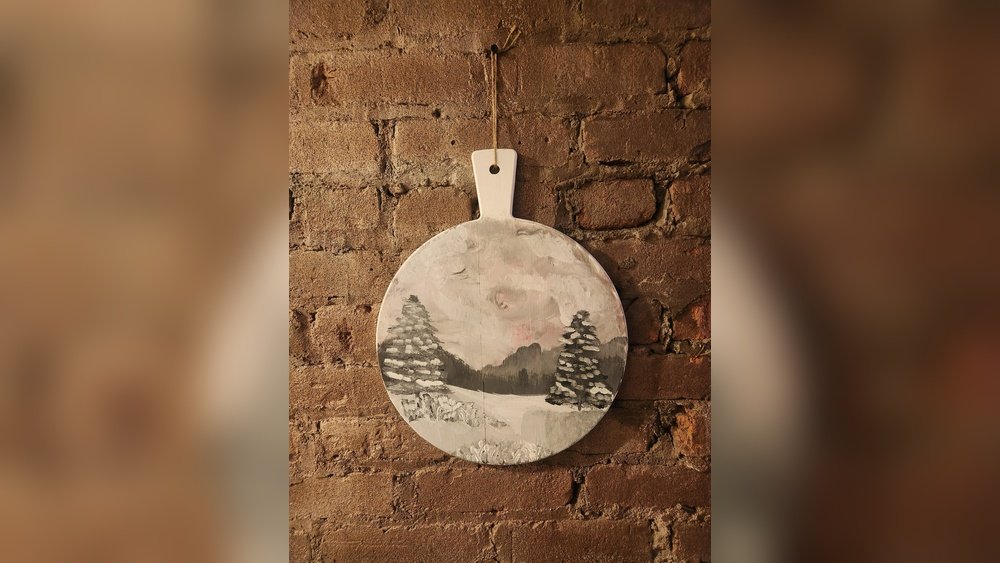
Painting a cutting board can transform a simple kitchen tool into a piece of art. Maybe you want to make a personalized gift or add color to your kitchen. But painting is only half the job. If you want your design to last—and your food to stay safe—you must seal the cutting board after painting. Many beginners make mistakes here, using the wrong products or skipping important steps. This guide shows you exactly how to do it right, so your painted cutting board stays beautiful and usable for a long time.
Sealing a painted cutting board is more than just brushing on a clear coat. You need to understand what products are food-safe, how to prepare the surface, and how to apply the sealer correctly. There are many types of sealers, and each one has pros and cons.
If you skip the right prep or pick the wrong finish, your paint might peel, or worse, toxic chemicals could touch your food. Let’s break down everything you need to know, from choosing the best sealer to caring for your board after sealing.
Why Sealing Matters After Painting
A painted cutting board looks great, but paint alone does not protect the wood. Without sealing, paint can chip, fade, or wash away after a few uses. Even worse, moisture can seep into the wood, causing it to swell, crack, or warp. Sealing creates a protective barrier that keeps paint in place and stops water or food juices from damaging the board.
If you plan to use your cutting board for food, sealing is even more important. Paint and some sealers can be toxic if they come in contact with food. Choosing a food-safe sealer keeps your kitchen safe for you and your family. Remember, not every clear finish is safe for food surfaces.
Choosing The Right Sealer For Painted Cutting Boards
Not all sealers are created equal. Some are great for art projects but not for kitchen use. Here are the most common options you’ll find, with a focus on food-safe finishes.
Food-safe Sealers
- Mineral Oil
- Pure mineral oil is a classic choice for cutting boards.
- It is colorless, odorless, and doesn’t go rancid.
- Good for sealing bare wood, but not always enough for painted surfaces.
- Beeswax
- Often mixed with mineral oil for a richer finish.
- Adds water resistance and a soft sheen.
- Natural and safe for contact with food.
- Shellac
- Made from the lac bug’s secretions.
- Dries hard and clear.
- Used in candy and pills, so it’s safe if cured properly.
- Not as durable as some modern sealers.
- Tung Oil (Pure)
- Derived from the tung tree.
- Penetrates deeply into wood fibers.
- Takes longer to cure but gives good protection.
- Walnut Oil
- Natural and food-safe, but not for people with nut allergies.
- Hardens over time for a durable finish.
- Salad Bowl Finish
- Specially made for items that touch food.
- Cures to a hard, clear finish.
Non-food-safe Sealers (to Avoid)
- Polyurethane (unless labeled food-safe)
- Epoxy (unless certified for food use)
- Varnish (most are not food-safe)
- Spray acrylics
Always check labels and use only products clearly marked as food-safe for surfaces that touch food.
Comparison Of Common Sealers
Here’s how popular sealers stack up for painted cutting boards:
| Sealer Type | Food-Safe | Durability | Look/Finish | Ease of Application |
|---|---|---|---|---|
| Mineral Oil | Yes | Low-Moderate | Matte, clear | Very easy |
| Beeswax Blend | Yes | Moderate | Soft sheen | Easy |
| Shellac | Yes | Moderate | Glossy | Moderate |
| Tung Oil | Yes | High | Rich, deep | Requires curing |
| Salad Bowl Finish | Yes | High | Glossy/clear | Moderate |
| Polyurethane | No (unless stated) | High | Glossy | Easy |

Credit: bywilma.com
Preparing Your Painted Cutting Board For Sealing
Before you begin sealing, the surface must be ready. This step is easy to rush, but don’t skip it. Sealer will not stick well to a dirty, oily, or dusty surface.
Steps To Prepare
- Let the Paint Cure Fully
- Most paints need at least 24-48 hours to dry. Some require up to 7 days.
- Curing means the paint is not just dry to the touch, but fully set.
- Check for Smoothness
- Lightly sand the painted area with fine-grit sandpaper (320-400 grit).
- Sanding removes dust and smooths brush marks.
- Be gentle to avoid sanding through your design.
- Clean the Surface
- Wipe with a clean, damp cloth to remove all dust.
- Make sure the board is dry before sealing.
- Mask Off Areas (Optional)
- If you only want to seal the painted area, use painter’s tape.
- However, most people seal the whole board for even protection.
Common Mistake
Many people seal before the paint is fully cured. This traps moisture and can cause cloudy finishes or peeling later.
Step-by-step: How To Seal A Cutting Board After Painting
Now it’s time to apply your chosen food-safe sealer. The process is similar for most finishes, but there are important details for each type.
1. Applying Mineral Oil
Mineral oil is popular because it’s simple and safe. However, it doesn’t create a hard “shell,” so it’s best for boards with light use or as a first step before applying wax.
How To Apply:
- Pour a small amount of food-grade mineral oil onto a soft cloth.
- Rub oil into the painted area and the rest of the board using circular motions.
- Let the oil soak in for 15-20 minutes.
- Wipe away excess oil with a clean, dry cloth.
- For best results, repeat the process 2-3 times, letting the board rest between coats.
Non-obvious tip: Warm the oil slightly before applying. It penetrates wood fibers deeper, giving better protection.
2. Applying Beeswax Finish
A beeswax and mineral oil blend gives a richer finish and more water resistance.
How To Apply:
- Use a clean cloth to rub a small amount of beeswax polish into the board.
- Work in small sections for even coverage.
- Let the wax sit for at least 1 hour (overnight is better).
- Buff the board with a soft, dry cloth to a gentle shine.
Practical tip: Make your own polish by melting 1 part beeswax and mixing with 3 parts mineral oil. This is cheaper and works as well as store-bought products.
3. Applying Shellac
Shellac is a natural resin that dries quickly and forms a hard, clear surface. It’s safe for food surfaces if fully cured.
How To Apply:
- Use a clean brush to apply thin, even coats of food-grade shellac.
- Let each coat dry for 1 hour.
- Lightly sand with fine-grit sandpaper between coats.
- Apply 2-3 coats for best results.
- Let the final coat cure for at least 24-48 hours before using.
Non-obvious insight: Shellac dries fast, so work quickly. Avoid going over the same spot too many times or you’ll create streaks.
4. Applying Pure Tung Oil
Tung oil creates a rich, durable finish but requires patience. Only use 100% pure tung oil—not “tung oil finish,” which often contains chemicals.
How To Apply:
- Pour a small amount on a soft cloth.
- Rub into the board using circular motions.
- Let it soak for 30-60 minutes, then wipe off extra oil.
- Allow to cure for 24 hours.
- Repeat the process for 3-5 coats. Each layer builds more protection.
- Wait 7-10 days before heavy use.
Non-obvious tip: Tung oil darkens wood and paint colors slightly. Test in a small corner first if you want to keep colors bright.
5. Using Salad Bowl Finish
Salad bowl finishes are made for surfaces that touch food. These cure hard but need time to become fully food-safe.
How To Apply:
- Apply a thin coat with a clean brush or lint-free cloth.
- Allow to dry for 4-6 hours between coats.
- Sand lightly between coats.
- Apply 3-4 coats for best durability.
- Let cure for 7 days before using with food.
Practical insight: Salad bowl finish is a mix of oil and varnish. Unlike oil, it forms a hard shell, protecting both paint and wood.
Comparison: Application Time And Curing
How long will you wait before using your board? Here’s a quick comparison:
| Sealer | Time Between Coats | Number of Coats | Final Cure Time |
|---|---|---|---|
| Mineral Oil | 15-20 min | 2-3 | None (ready after last coat) |
| Beeswax Blend | 1 hr | 1-2 | Buff after last coat |
| Shellac | 1 hr | 2-3 | 24-48 hrs |
| Tung Oil | 24 hrs | 3-5 | 7-10 days |
| Salad Bowl Finish | 4-6 hrs | 3-4 | 7 days |
Special Considerations For Food Safety
Most cutting boards are used for food, so food safety is critical. Here’s what to keep in mind:
- Only use sealers clearly marked as food-safe.
- Do not use old paint or finishes not intended for kitchen use.
- Avoid boards painted with oil-based paints or paints containing lead or heavy metals. Acrylic craft paint is safest, but still needs a food-safe sealer.
- If your board will be used only for decoration, you can use regular art sealers. But always label it “For Display Only” on the back.
Caring For Your Sealed, Painted Cutting Board
A sealed cutting board will last much longer, but it still needs care. Here’s how to keep it looking great:
Cleaning
- Hand wash with warm, soapy water and a soft sponge.
- Never soak the board or put it in the dishwasher—this causes swelling and finish failure.
- Dry with a towel immediately after washing.
Maintenance
- Reapply oil or wax every few weeks, especially if the board looks dry or dull.
- Check for scratches or worn spots and touch up with more sealer if needed.
Storage
- Store the board upright or hang it to keep both sides dry.
- Don’t leave it sitting in a damp sink or on a wet counter.
Non-obvious insight: Even with a good sealer, sharp knives will eventually scratch the finish. Use the painted side for serving, not heavy cutting, to keep your art intact.
Credit: www.reddit.com
Common Mistakes To Avoid
- Using the wrong sealer. Many hardware store finishes are not food-safe.
- Skipping the prep. Dust, oil, or uncured paint will ruin your finish.
- Not letting each coat cure. Rushing leads to sticky or soft surfaces.
- Applying thick coats. Many thin layers are better than one thick one.
- Not maintaining the board. All finishes wear down with time.
Decorating Vs. Serving: Different Goals
Are you painting a board for decoration or for use? This changes your sealer choice.
- For display only: Any clear art sealer works.
- For serving dry foods: Food-safe sealers are a must.
- For cutting and serving wet foods: Use the most durable, food-safe finish (like tung oil or salad bowl finish).
It’s smart to keep the painted side as a “show side” and cut only on the plain side. This way, your design stays fresh.
Safety Tips: Protecting Yourself And Others
- Wear gloves when applying oil or wax, especially if using nut-based oils.
- Work in a well-ventilated area when using shellac or salad bowl finish.
- Keep all products away from children and pets.
What To Do If The Finish Fails
Sometimes, even with care, the finish may wear down or get scratched. Here’s how to fix it:
- Lightly sand the worn area with fine sandpaper.
- Clean the surface to remove dust.
- Reapply your sealer as you did originally.
- Let it cure before using again.

Credit: www.amazon.com
Real-world Example: Reviving An Old Painted Board
Suppose you find an old, painted cutting board at a flea market. The colors are faded, and the surface feels rough. Can you save it? Yes, but you need to know what the old finish was. Here’s a smart approach:
- Test for old finish by rubbing a small area with rubbing alcohol. If color comes off, it may be shellac.
- Sand the surface gently to remove loose paint or finish.
- Clean and let dry.
- Paint your design (if needed), let it cure, then seal with a food-safe finish.
- Maintain as described above.
Many people forget to check for old, unsafe paints or finishes. When in doubt, use the board for decoration only.
How Long Does A Sealed Painted Cutting Board Last?
With good sealing and care, a painted, sealed cutting board can last for several years. However, life expectancy depends on:
- The type of sealer used
- How often you use and wash it
- If you cut on the painted side or just serve on it
Re-seal your board every few months for maximum protection.
When To Replace Your Painted Cutting Board
No finish lasts forever. Replace your board if:
- Deep cracks appear
- The wood splits
- The finish peels or flakes off and cannot be fixed with sanding and sealing
Pro tip: Painted boards are best for serving bread, cheese, or fruit—not heavy chopping.
The Environmental Impact Of Different Sealers
If you care about the environment, choose natural sealers like beeswax, mineral oil, or pure tung oil. These have less environmental impact compared to synthetic finishes. Dispose of oily rags by laying them flat to dry before tossing, to avoid fire risk.
Where To Buy Food-safe Sealers
You can find food-safe sealers at:
- Kitchen supply stores
- Hardware stores (look for “food-grade” or “salad bowl finish” labels)
- Online retailers like Amazon or specialty woodworking sites
Always read reviews and check for official safety statements.
For more about food-safe finishes, see this guide on Wood Finish (Wikipedia).
Frequently Asked Questions
How Long Should I Wait After Painting Before Sealing My Cutting Board?
Most paints need at least 24-48 hours to dry before sealing. Some require up to 7 days to fully cure. Waiting ensures the paint won’t peel or bubble when you apply the sealer.
Which Paint Is Safest For A Cutting Board?
Acrylic craft paint is the safest common option for cutting boards. Avoid oil-based paints and any paint containing lead or heavy metals. Always seal the paint with a food-safe finish.
Can I Use Polyurethane To Seal A Painted Cutting Board?
Most polyurethane finishes are not food-safe. Only use polyurethane if the label says it is approved for food contact after curing. Otherwise, choose mineral oil, beeswax, shellac, or salad bowl finish.
How Often Should I Reseal My Painted Cutting Board?
Reseal your board every few months or when it looks dry, dull, or water no longer beads on the surface. Boards used for serving (not cutting) need less frequent resealing.
What Should I Do If My Sealed Cutting Board Starts To Peel Or Crack?
Lightly sand the damaged area, clean off dust, and reapply your chosen sealer. Let it cure fully before using. If damage is deep, consider retiring the board for decoration only.
Painting and sealing a cutting board is a creative project that adds style to your kitchen. With the right products and good technique, your board will stay safe, beautiful, and useful for years.