
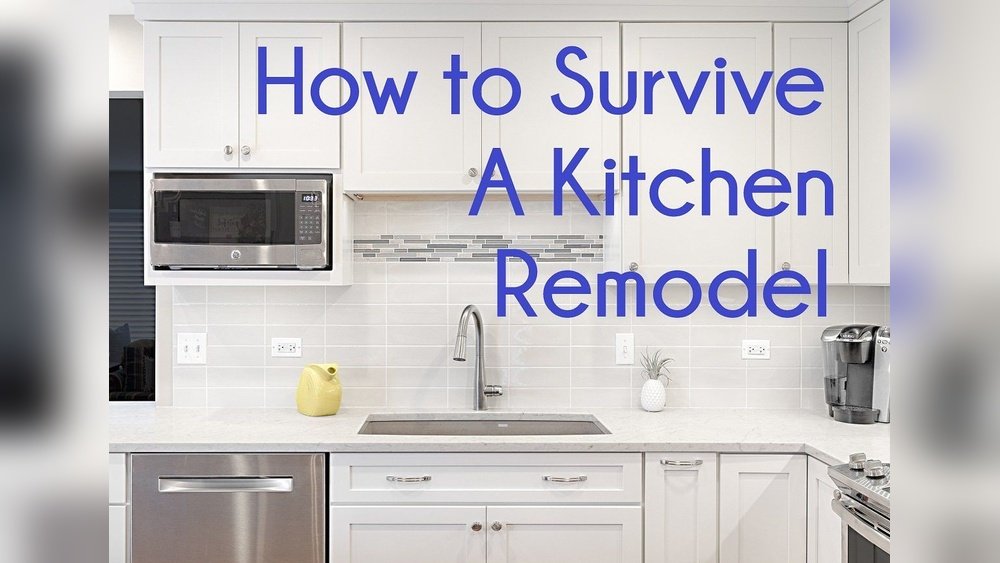
A kitchen remodel is one of the most exciting—and stressful—projects you can do in your home. The promise of a beautiful, functional space motivates many people to start. But the reality? Dust, noise, strangers in your home, and no kitchen for weeks. For many families, this can feel overwhelming. The good news: With the right steps and mindset, you can survive a kitchen remodel and even make the process smoother than you imagined.
As someone who has guided homeowners through dozens of renovations, I know what causes frustration and what helps families come out happy on the other side. Let’s break down everything you need to know, from planning to cooking without a stove, to handling delays and keeping your sanity.
By the end, you’ll be ready to face your remodel with confidence.
Planning Is Everything
Before a single cabinet is removed, strong planning makes all the difference. Many people jump in too fast, choosing styles and colors but missing the big picture.
- Set Clear Goals: Ask yourself, what do you really want from your new kitchen? More counter space? Better lighting? Write down your must-haves. This helps you make decisions when surprises come up.
- Create a Detailed Budget: Remodeling costs can add up fast. The average kitchen remodel in the US costs between $14,000 and $40,000. List all possible expenses: cabinets, countertops, appliances, labor, permits, even eating out. Add a 15-20% buffer for surprises.
- Choose Professionals Wisely: Interview at least three contractors. Ask for references. Check licenses and insurance. A contractor with a great portfolio but bad communication can make the process painful. Trust your instincts.
- Decide on the Design Before Work Starts: Changing your mind mid-project leads to delays and extra costs. Finalize your layout, materials, and colors before demolition begins.
- Plan for Delays: Even with the best team, delays happen. Materials might arrive late or unexpected issues (like old wiring) might show up. Expect your kitchen to be out of action for 20-30% longer than planned.
Non-obvious Insight
Most homeowners forget to check local building codes or HOA rules. Missing permits can stop your project or lead to fines. Check these early—even if your contractor says they will handle it.
Packing And Preparing Your Kitchen
Getting ready for demolition is more than just emptying drawers. The more organized you are, the easier life will be during the remodel.
- Sort and Purge: Go through every cabinet and drawer. Donate or throw out what you don’t use. A kitchen remodel is the perfect time to declutter.
- Pack Smart: Use strong boxes or plastic bins. Label each box with its contents and which area it belongs to (e.g., “baking pans” or “coffee station”). This will save you time when unpacking.
- Store Essentials Separately: Set aside items you’ll need daily: coffee maker, microwave, a few plates, utensils, and cleaning supplies. Put these in a “survival kit” box.
- Protect the Rest of Your Home: Remodeling is messy. Dust travels. Hang plastic sheets in doorways, cover floors, and move valuables away from the work zone.
- Plan for Pet and Kid Safety: Construction areas are dangerous. Set clear boundaries. Talk to kids about staying away, and consider baby gates or closed doors for pets.
Non-obvious Insight
Take photos of your old kitchen before demolition. This helps if you need to reference where wires or pipes were, or if you need to claim insurance for accidental damage.

Credit: edgewoodcabinetry.com
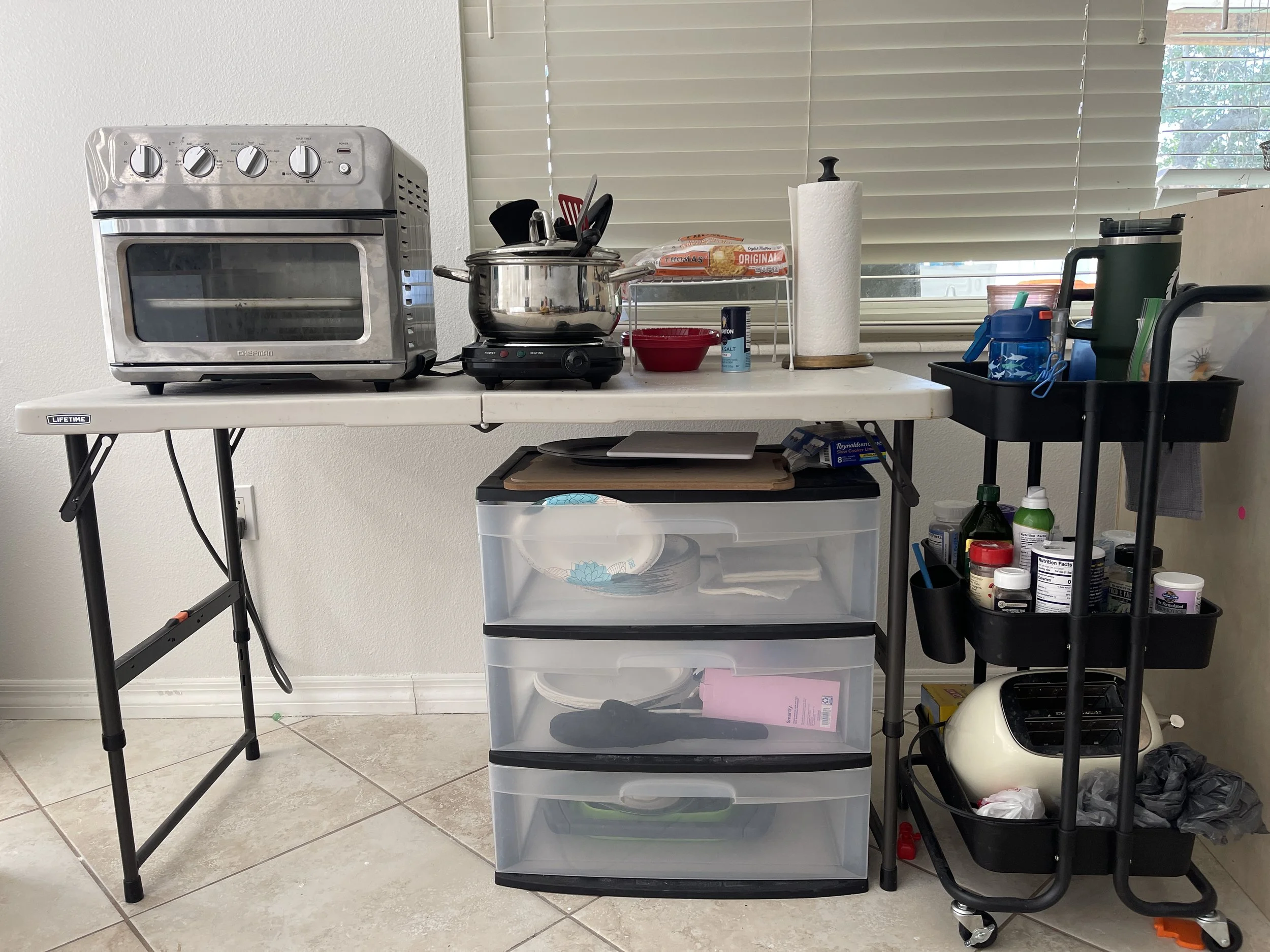
Setting Up A Temporary Kitchen
Living without a kitchen is the hardest part for most families. But you don’t have to eat takeout every day. With a little creativity, you can still cook at home.
Essential Appliances And Tools
Set up your temporary kitchen in a dining room, basement, or garage—anywhere you have access to a sink and electricity. Consider these items:
- Microwave
- Toaster oven
- Electric kettle
- Slow cooker or Instant Pot
- Mini fridge or cooler
- Hot plate (if allowed and safe)
- Basic utensils and dishes
Food Storage
Refrigerator space will be tight. Stock up on:
- Shelf-stable foods (canned beans, pasta, rice)
- Ready-to-eat snacks (nuts, dried fruit, granola bars)
- Fresh produce that lasts longer (apples, carrots, potatoes)
Meal Planning Tips
- Choose recipes with minimal prep and cleanup.
- Rely on one-pot meals or salads.
- Use disposable plates and utensils when you’re too tired to wash dishes.
Keeping It Safe
Never use gas stoves or grills indoors. Always check that your temporary setup is away from curtains and pets. If you have allergies or special diets, plan meals in advance to avoid stress.
Living Through The Mess
Remodeling is noisy, dirty, and disruptive. Knowing what to expect helps you cope.
Managing Noise And Dust
- Schedule noisy work for when you’re out, if possible.
- Use noise-canceling headphones or white noise machines.
- Vacuum daily with a HEPA filter to control dust.
Dealing With Workers In Your Home
- Set clear work hours with your contractor.
- Agree on which bathrooms workers can use.
- Keep valuables locked away.
Communication Is Key
Hold a short meeting with your contractor each week. Discuss progress, concerns, and upcoming steps. If you see a problem, speak up right away—small issues become big if ignored.
Handling Surprises
Old homes often hide plumbing or electrical issues. If your contractor finds a problem, ask for photos, a clear explanation, and a written estimate before approving extra work.
Staying Sane
Take breaks. If the noise and mess get too much, plan a weekend away or spend time at a friend’s house. Remember: This is temporary.

Credit: downblisslane.com
Coping With Delays And Problems
No remodel goes exactly as planned. How you respond makes a huge difference.
Common Causes Of Delays
- Late material deliveries (cabinets, countertops)
- Hidden problems (mold, asbestos, old wiring)
- Schedule conflicts with electricians or plumbers
- Change orders (when you change your mind)
How To Minimize Delays
- Order materials early. Cabinets can take 6-12 weeks to arrive.
- Stick to decisions. Changing your mind means new orders and lost time.
- Stay organized. Keep all receipts, contracts, and plans in one folder.
What To Do If There’s A Major Problem
If work stops or you’re unhappy:
- Talk to your contractor first. Most want to fix problems.
- If you can’t resolve it, check your contract for dispute steps.
- As a last resort, contact your state’s contractor board.
When To Be Flexible
Not everything will go as you wish. Sometimes a material is backordered or a design doesn’t work in real life. Focus on solutions, not blame.
Eating And Daily Life During A Remodel
One of the toughest parts of a kitchen remodel is feeding your family. But you don’t have to rely on pizza every night.
Cooking Without A Kitchen
- Batch Cook Beforehand: Prepare and freeze meals before the remodel starts. Soups, casseroles, and pasta dishes reheat well.
- Try Outdoor Cooking: If you have a grill, use it for more than burgers. You can grill vegetables, pizza, even dessert.
- Explore Simple Meals: Sandwiches, salads, and wraps are quick and need little cleanup.
- Lean on Small Appliances: A slow cooker or Instant Pot can handle everything from oatmeal to pulled pork.
Managing Meals On A Budget
Takeout is easy, but costs add up. The average American family spends $3,000 a year on eating out. Limit takeout to once or twice a week, and choose budget-friendly options like local diners or grocery store meals.
Keeping Kids And Pets Happy
Kids may struggle with routine changes. Let them help set up the temporary kitchen or pick meal ideas. For pets, keep food and water away from the remodel zone, and stick to their usual schedule.
Practical Example
One homeowner set up a “picnic area” in the living room with a folding table, microwave, and cooler. The kids made a game out of “indoor camping,” which helped everyone stay positive.
Cleaning Up And Protecting Your Home
Dust and dirt are part of remodeling, but you can keep it under control.
Daily Cleaning Habits
- Wipe down surfaces in nearby rooms each night.
- Sweep or vacuum the remodel area daily.
- Check and clean air vents and filters weekly.
Protecting Floors And Furniture
Use drop cloths or plastic sheeting on floors and furniture. Tape down edges to keep dust from getting underneath.
Air Quality Matters
If possible, open windows for fresh air. Use an air purifier, especially if anyone in your family has allergies or asthma.
After The Remodel
Once work is done, hire a professional cleaner or do a deep clean yourself. Pay extra attention to air ducts and carpets, which trap dust.
Managing Your Expectations And Emotions
A kitchen remodel is as much an emotional journey as a physical one.
Why Stress Happens
- Loss of routine
- Feeling out of control
- Money worries
- Mess and noise
How To Cope
- Focus on the end goal: A beautiful new kitchen.
- Celebrate small milestones, like when cabinets go in.
- Stay flexible. A sense of humor helps.
Non-obvious Insight
Keep a simple journal or photo diary of the process. Looking back on progress can lift your mood during tough days.
Credit: mrsashleyfrench.com
Handling Money And Contracts
Money issues are the #1 source of remodel stress. Smart handling upfront prevents headaches.
Understanding Your Contract
Make sure your contract covers:
- Scope of work
- Payment schedule
- Timeline
- What happens if there’s a dispute
Never pay for all work upfront. A typical schedule is:
| Project Stage | Payment Due |
|---|---|
| Deposit (to start work) | 10-20% |
| After demolition | 20-30% |
| After cabinets installed | 30-40% |
| At completion (final walk-through) | Balance due |
Tracking Your Expenses
Use a spreadsheet or app to track every dollar. Save receipts. This keeps you on budget and helps if you need to dispute a charge.
Avoiding Common Money Mistakes
- Not budgeting for surprises
- Skipping permits to save money (can cost you more later)
- Paying in cash without receipts
Making The Most Of Your Remodel
A kitchen remodel is a big investment. Here’s how to get the most from it.
Choose Timeless Over Trendy
Trendy colors or features can look dated fast. Choose classic designs for big items (cabinets, counters), and add personality with paint or accessories you can change later.
Invest Where It Matters
Spend more on cabinets and countertops—they take the most wear. Save on things like drawer organizers or lighting you can upgrade later.
Think About Resale Value
A beautiful kitchen adds value to your home. According to the 2023 Cost vs. Value Report, a major kitchen remodel can return up to 58% of its cost at resale.
Example: Splurging Wisely
One couple chose mid-range cabinets but spent extra on a durable quartz countertop. Their kitchen still looks new five years later—while their neighbor’s trendy concrete counters stained and cracked.
Re-entry: Moving Back Into Your New Kitchen
The remodel is over, but you’re not done yet. Moving back in needs care.
Unpack With A Plan
Don’t just throw everything back in. Use this chance to organize:
- Put daily items in easy-to-reach spots.
- Store rarely used things up high or in the back.
- Use bins or dividers for utensils and spices.
Test Everything
Check that all appliances, outlets, and plumbing work before the contractor leaves for good. Make a punch list of any issues.
Celebrate
Take photos, invite friends over, or cook a favorite meal. You survived—a kitchen remodel is no small feat!
Realistic Timeline: What To Expect
Many people underestimate how long a remodel takes. Here’s a typical schedule:
| Remodel Stage | Time (Approximate) |
|---|---|
| Planning & design | 2-6 weeks |
| Ordering materials | 4-12 weeks |
| Demolition | 1 week |
| Rough construction (plumbing, electrical) | 1-2 weeks |
| Cabinet installation | 1-2 weeks |
| Countertops & finishes | 2-3 weeks |
| Final touches & inspection | 1 week |
Actual timelines vary, but most kitchen remodels take 6 to 16 weeks from demolition to completion, not counting design and ordering.
Top Mistakes Homeowners Make (and How To Avoid Them)
- Changing the plan mid-project: This causes delays and extra costs.
- Underestimating the budget: Always add a buffer.
- Ignoring daily life: Plan meals and routines ahead.
- Choosing style over function: Practical layouts matter more than trends.
- Not getting everything in writing: Verbal agreements lead to confusion.
- Skipping the permit process: This can mean fines or unsafe work.
- Forgetting about lighting: Good lighting makes a big difference.
- Not checking contractor references: Past clients give real insight.
- Trying to live “normally”: Accept that life will be different for a while.
- Not planning for cleanup: The dust doesn’t stop at the kitchen.
Final Thoughts
Surviving a kitchen remodel takes more than patience—it needs smart planning, flexibility, and a focus on the end goal. There will be days when you regret starting, but also moments of excitement as your new kitchen takes shape. Remember: This is temporary, and the reward is a space that improves daily life and adds value to your home.
If you want more tips or design inspiration, resources like Houzz Kitchen Remodels offer real stories and expert advice.
Frequently Asked Questions
How Long Does A Typical Kitchen Remodel Take?
A kitchen remodel usually takes 6 to 16 weeks after demolition starts. Add more time for planning and ordering materials, which can add several weeks or even months.
How Can I Save Money During A Kitchen Remodel?
Reuse appliances or cabinets if they’re in good shape, do some work yourself (like painting), and compare prices for materials. Always set a budget with a 15–20% cushion for surprises.
Is It Possible To Live At Home During A Kitchen Remodel?
Yes, most people stay home. Set up a temporary kitchen with small appliances and plan for some takeout or easy meals. It’s noisy and messy but manageable with planning.
What Should I Do If I Find Hidden Problems During The Remodel?
Ask your contractor for photos and a clear explanation. Get a written estimate for extra work. If the cost is high, ask if there are less expensive solutions or if you can delay the fix.
How Do I Keep My Family Safe During The Remodel?
Keep kids and pets out of the work area. Use barriers, explain the rules, and store dangerous tools out of reach. Make sure walkways are clear and wear shoes in construction zones.
A kitchen remodel is a challenge, but with these steps, you’ll survive—and even thrive—during the process. Enjoy your new kitchen!