
Baking can be a joy, but sometimes removing cakes from the pan turns into a stressful experience. If you’ve ever watched your perfect cake fall apart during unmolding, you’re not alone. Many bakers, both new and experienced, face this challenge. That’s where a cake pan with removable bottom comes in. This special type of pan solves the problem and brings confidence back to your baking. But using it right is key to avoiding leaks, sticking, or damaged cakes.
This article is your complete guide to using a cake pan with a removable bottom. You’ll learn how it works, how to prepare it, the right way to bake, and how to unmold cakes without stress. Along the way, you’ll pick up practical tips, discover common mistakes, and get answers to the questions bakers often ask.
Whether you’re making cheesecakes, tarts, or layered sponges, you’ll find everything you need here.
What Is A Cake Pan With Removable Bottom?
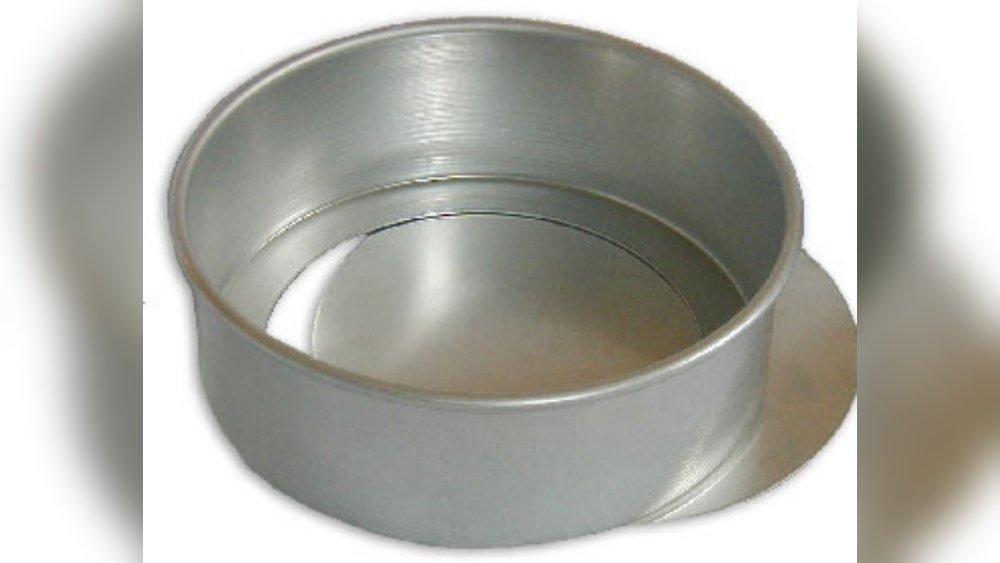
A cake pan with a removable bottom is designed to make cake removal easy. The pan usually has two main parts: a round or rectangular wall (the side) and a flat base (the bottom) that fits inside. When your cake is ready, you push the base up, and the cake lifts out smoothly—no more turning the pan upside down and risking cracks.
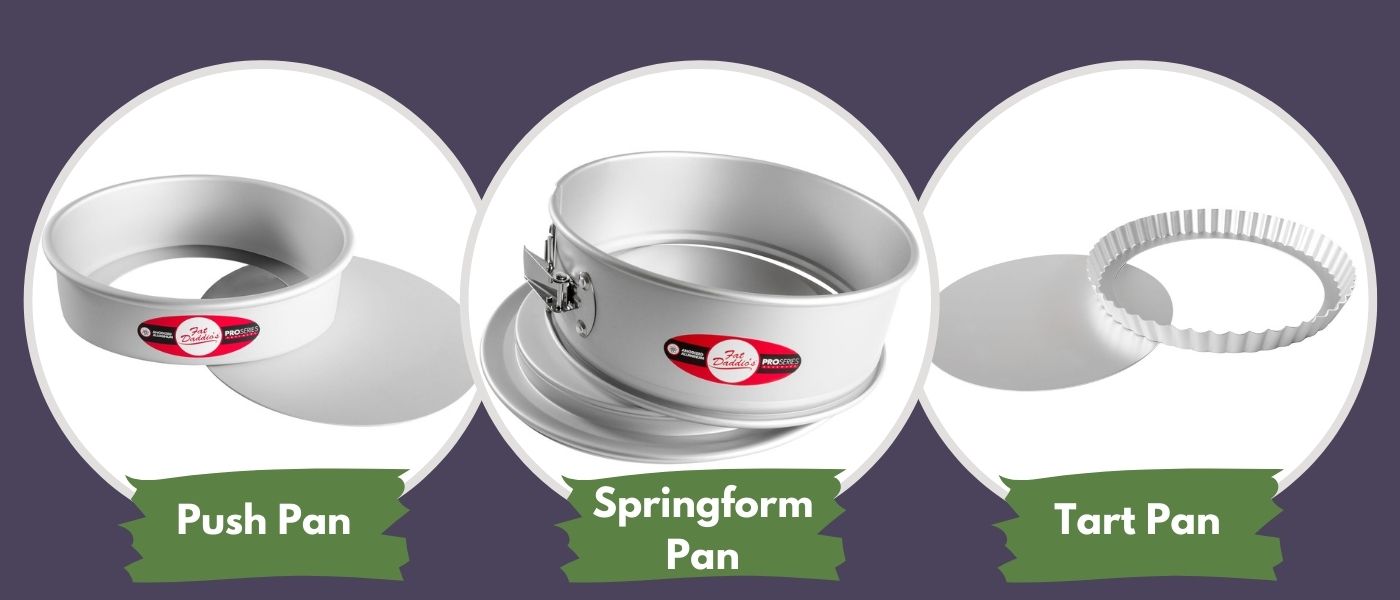
There are two main types:
- Springform pans—have a latch on the side to open the ring and release the base.
- Fixed ring pans with loose bottoms—have a simple ring and a loose base that you push up.
These pans come in many sizes, from small 6-inch rounds to large 12-inch ones. Some are made of nonstick metal, while others use heavy-duty aluminum.
Why Bakers Love Removable Bottom Pans
- No more stuck cakes—removal is easy, even for delicate cakes.
- Perfect for cheesecakes and tarts—these cakes can’t be flipped.
- Cleaner edges—your cake looks professional.
- Saves time—no need to cut around the edges with a knife.
For these reasons, many bakeries and home bakers choose these pans for their most important cakes.
Preparing Your Cake Pan With Removable Bottom
Proper preparation is essential. If you skip steps, your cake can stick or leak. Here’s how to get your pan ready for baking.
1. Check All Parts For Cleanliness
Before you start, make sure both the base and the ring are clean and dry. Any leftover crumbs or grease can cause sticking. Wash with warm soapy water and dry well.
2. Assemble The Pan Properly
Fit the base into the ring. For springform pans, lock the latch securely. For loose-bottom pans, press the base flat and ensure there are no gaps.
3. Grease The Pan
Even nonstick pans need a light layer of grease. Use one of these:
- Butter—spread a thin layer with a pastry brush or paper towel.
- Shortening—works well for cakes with less fat.
- Oil spray—quick and covers corners.
Be sure to coat both the base and the sides.
4. Line The Bottom (and Sometimes The Sides)
Cut a circle of parchment paper to fit the base. This helps even more with release, especially for sticky batters. For cheesecakes and very delicate cakes, also line the sides with a strip of parchment.
5. Prevent Leaks
Many removable-bottom pans are not 100% leakproof, especially with thin batters. To prevent leaks:
- Wrap the outside with aluminum foil (especially for water baths).
- Place the pan on a baking sheet—this catches any drips.
Pro tip: Press the foil tightly around the base and up the sides.
Credit: becauseyoucook.com
Choosing The Right Cake For A Removable Bottom Pan
Not every cake is perfect for these pans. Some recipes work better than others.
Best Cakes For Removable Bottom Pans
- Cheesecakes—delicate, can’t be flipped.
- Tarts and flans—have fragile crusts.
- Sponge cakes—easy to lift without breaking.
- Ice cream cakes—need neat edges.
- Mousse cakes—set in the fridge, not baked.
Cakes To Avoid
- Very runny batters—like chiffon or angel food, unless the pan is leakproof.
- Breads and heavy doughs—can push out the base or leak.
- Layer cakes with lots of syrup—may leak if not lined well.
If your cake batter is thin, use extra foil or place the pan inside another pan for double protection.
Table: Cake Types And Removable Bottom Pan Compatibility
| Cake Type | Works Well? | Extra Preparation Needed? |
|---|---|---|
| Cheesecake | Yes | Foil wrap for water bath |
| Tart | Yes | Parchment lining |
| Sponge Cake | Yes | Grease and paper lining |
| Angel Food Cake | No | Leaky batter |
| Bread | No | Heavy dough can leak |
Filling And Baking: Step-by-step
Now that your pan is prepared, it’s time to add your batter and bake. Doing this right will help you get even layers and a perfect shape.
1. Pour The Batter Carefully
Slowly pour the batter into the pan. If you lined the bottom and sides, make sure the paper stays in place. Use a spatula to spread the batter evenly.
2. Tap To Remove Air Bubbles
Gently tap the pan on the counter a few times. This brings air bubbles to the surface so your cake is smooth.
3. Place On A Baking Sheet
Set your cake pan on a flat baking sheet before putting it in the oven. This adds a layer of leak protection and makes it easier to move the pan in and out of the oven.
4. Bake As Directed
Follow your recipe’s temperature and time. Removable bottom pans conduct heat well, so check for doneness a few minutes before the lowest suggested time.
Non-obvious insight: Because the base is often thinner, cakes in these pans may bake slightly faster. Always check early.
5. Cool Gradually
Sudden temperature changes can cause cakes to shrink or crack. Turn off the oven, open the door slightly, and let the cake cool for 10 minutes inside before moving it out.

Credit: www.reddit.com
Unmolding Your Cake For A Perfect Finish
Getting the cake out of the pan is the moment of truth. Here’s how to do it smoothly.
1. Run A Knife Around The Edge
If you didn’t line the sides, run a thin knife around the cake edge to loosen it.
2. Release The Sides
For springform pans, open the latch and lift the ring away. For loose-bottom pans, gently push up from underneath. Support the base with your other hand.
3. Remove The Parchment
Peel off any parchment from the sides and bottom.
4. Transfer To A Serving Plate
If you want to remove the metal base, slide a large spatula between the cake and the base. Gently shift the cake onto your plate.
Practical tip: For fragile cakes, serve directly on the pan base to avoid breakage.
Table: Unmolding Steps And Cake Types
| Step | Best for These Cakes | Extra Tools Needed |
|---|---|---|
| Knife around edge | Baked cheesecakes, sponges | Thin-bladed knife |
| Open springform latch | Most cakes | None |
| Push up base | Tarts, mousse cakes | Flat-bottom glass or can |
| Slide off base | Sturdy cakes | Spatula |
How To Avoid Leaks And Sticking
Even experienced bakers can end up with leaks or stuck cakes if they rush or skip steps. Here’s how to prevent these problems.
Preventing Leaks
- Check for gaps—make sure the bottom fits tightly in the ring.
- Line with foil—wrap the outside with two layers of aluminum foil, especially for water baths.
- Don’t overfill—leave at least 1/2 inch from the top.
- Watch batter thickness—very thin batters need extra protection.
- Test with water—pour a little water into the empty pan to check for leaks before adding batter.
Preventing Sticking
- Grease thoroughly—don’t miss the corners.
- Use parchment paper—especially for sticky cakes.
- Cool before unmolding—let cakes rest at least 10–15 minutes before removing the sides.
- Loosen with a knife—gently run a knife to separate cake from the pan edge.
Non-obvious insight: For sticky caramel or toffee cakes, sprinkle a little flour over the greased base before adding batter. This creates a barrier and helps release even the stickiest layers.

Credit: www.usapan.com
Cleaning And Caring For Removable Bottom Pans
A well-maintained pan lasts longer and gives you better cakes. Here’s how to keep yours in top shape.
1. Wash By Hand
Most removable bottom pans are not dishwasher-safe. Wash with warm water, mild soap, and a soft sponge. Avoid harsh scrubbers—they can damage nonstick coatings.
2. Dry Completely
After washing, dry all parts right away to prevent rust.
3. Store Disassembled
Store the base and ring separately. This prevents warping and makes sure air can circulate, keeping the pan dry.
4. Check For Warping
After each use, check that the base still fits tightly. If you notice warping, replace the pan or use extra foil to prevent leaks.
5. Remove Stubborn Stains
For baked-on bits, soak the pan in warm water for 20–30 minutes before scrubbing gently. Avoid metal utensils that can scratch the surface.
Comparing Removable Bottom Pans To Other Cake Pans
Wondering if you really need a removable bottom pan? Here’s how it compares to standard cake pans.
Table: Removable Bottom Vs. Fixed Bottom Pans
| Feature | Removable Bottom Pan | Fixed Bottom Pan |
|---|---|---|
| Ease of cake removal | Very easy | Can be difficult |
| Leak risk | Higher (needs lining) | Lower |
| Best for delicate cakes | Yes | No |
| Cleaning | Easy (disassemble) | Simple |
| Cost | Usually higher | Usually lower |
Advanced Tips For Perfect Results
Once you’re comfortable with the basics, these tips will help you get bakery-quality cakes every time.
1. Chill The Pan For Cold Cakes
If making mousse or ice cream cakes, chill the pan before adding your filling. This helps the mixture set quickly and prevents leaks.
2. Use A Blow Torch For Release
For sticky, cold-set cakes, run a kitchen blow torch around the outside of the pan for 5–10 seconds. This loosens the sides and gives a clean release.
3. Double-line For Water Baths
For cheesecakes, use both parchment and two layers of foil. This keeps water from seeping in and ruining your cake.
4. Use A Hot Towel For Stuck Cakes
If your cake sticks, wrap a hot, damp towel around the outside of the pan for a few minutes. The heat loosens the edges.
5. Mark And Cut Parchment Accurately
Trace the pan base on parchment paper, then cut out just inside the line. This ensures a perfect fit—too big, and paper can fold and crease the cake.
6. Grease After Lining
Grease the pan, add parchment, then lightly grease the parchment as well. This double layer helps even the most delicate cakes release cleanly.
7. Check Your Oven’s Hot Spots
Removable bottom pans can brown cakes quickly. Rotate the pan halfway through baking if your oven has uneven heat.
Common Mistakes And How To Avoid Them
Many bakers make the same errors when first using a removable bottom pan. Here’s how to avoid them.
1. Forgetting To Wrap With Foil
Leaking is the number one mistake. Always wrap the outside, especially for thin batters and water baths.
2. Not Greasing Enough
Even nonstick pans can stick. A quick spray or swipe with butter makes a big difference.
3. Rushing The Unmolding
Removing the cake while hot can cause it to collapse or break. Let it cool for at least 10–15 minutes.
4. Overfilling The Pan
Leaving too little space at the top causes overflow and mess. Fill only up to 2/3 or 3/4 full.
5. Using The Wrong Cake Recipe
Some batters are too runny for these pans. Stick to recipes designed for removable bottom pans, or use extra lining.
Example: If baking a classic New York cheesecake, always use foil and parchment and bake the cake in a water bath.
Creative Uses For Removable Bottom Pans
These pans aren’t just for cakes. Here are some other ways to use them in your kitchen.
- Quiches—perfect for tall, savory pies.
- Ice cream cakes—layer ice cream and cake for a frozen treat.
- Deep-dish pizzas—make a thick, bakery-style pizza.
- Mousse towers—build layers of mousse, cake, and jelly.
- Frozen desserts—set semifreddo or parfaits neatly.
Non-obvious insight: You can use these pans to mold layered salads or rice cakes for parties. The removable bottom lets you present beautiful, tidy layers.
When To Replace Your Removable Bottom Pan
Even the best pans wear out. Here’s how to know when it’s time for a new one.
1. Warped Base
If the base no longer fits snugly, leaks will happen.
2. Bent Or Loose Ring
A deformed ring means your cake won’t have clean sides.
3. Scratched Nonstick Coating
Scratches can cause sticking and make the pan unsafe.
4. Rust
Rust can transfer to cakes and affect flavor and health.
Replace your pan if you notice these problems. Good pans can last for years with proper care.
Frequently Asked Questions
How Do I Stop My Removable Bottom Pan From Leaking?
Wrap the outside with two layers of aluminum foil, especially for water baths or thin batters. Always check the fit of the base before baking. If you’re baking a very runny cake, place the pan on a baking sheet to catch any drips.
Can I Use A Removable Bottom Pan For Brownies Or Bars?
Yes, but choose thicker batters. Line the base and sides with parchment for easy removal. Thin batters may leak, so double-check your pan’s seal and use foil if needed.
How Do I Remove A Delicate Cake Without Breaking It?
Let the cake cool almost completely. Run a thin knife around the edge, release the ring, and support the base with your hand or a flat plate. For extra-sticky cakes, use a hot towel around the outside before unmolding.
Is It Safe To Put A Removable Bottom Pan In A Water Bath?
Yes, if you wrap it well with foil. This is the best method for cheesecakes and custards. Leaks can ruin your cake, so use two layers of heavy-duty foil and check the seal.
Where Can I Find High-quality Recipes Or More Information?
For in-depth baking science and tested recipes, visit King Arthur Baking Company, a trusted resource for bakers of all levels.
Baking with a cake pan with removable bottom can turn complicated cakes into simple, beautiful creations. With the right preparation and a few expert tips, you’ll enjoy stress-free baking and perfect results every time. Whether you’re making a birthday cheesecake or a show-stopping tart, this pan deserves a place in your kitchen. Happy baking!