
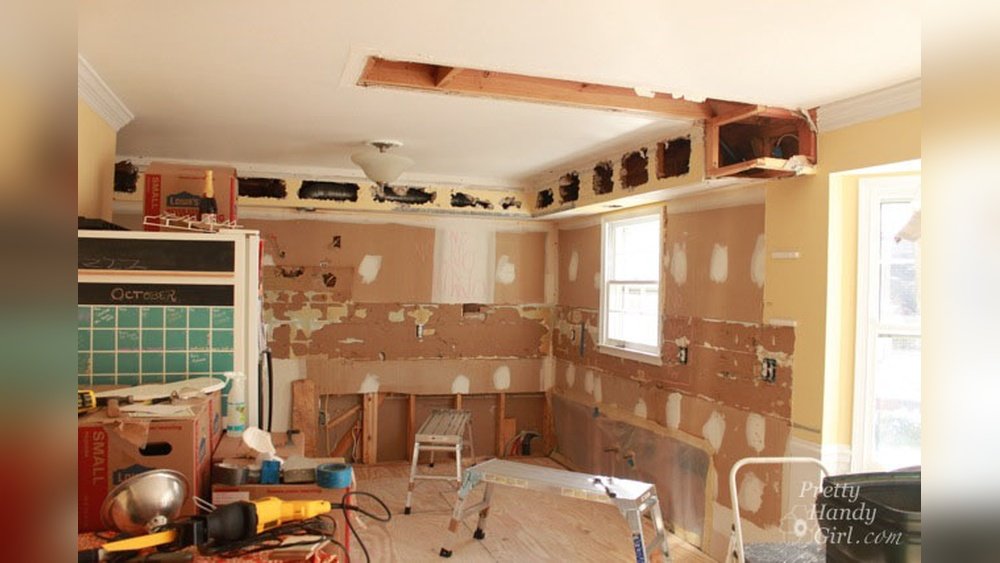
Removing a kitchen soffit can completely change the look and feel of your kitchen. Many homeowners face the challenge of dated or bulky soffits that make their space feel smaller and darker. If you’ve been dreaming of a more open and modern kitchen, learning how to remove a kitchen soffit is a great place to start.
This project can be a game-changer, but it does require careful planning and attention to detail. With the right approach, even people without professional construction experience can handle it. Let’s walk through every step together so you can take on this transformation with confidence.
What Is A Kitchen Soffit And Why Remove It?
A kitchen soffit is a boxy structure built above your cabinets, usually extending from the ceiling down to the top of the cabinets. Builders often use soffits to hide wires, pipes, or ductwork. In some cases, they’re empty and exist only for visual reasons.
But why remove a kitchen soffit? Here are some common reasons:
- Open up visual space: Soffits make kitchens feel lower and more crowded.
- Allow for taller cabinets: Removing soffits lets you install cabinets that reach the ceiling.
- Modernize the look: Most modern kitchens have open lines and no soffits.
- Increase storage: Taller cabinets mean more usable space.
Before you begin, ask yourself: Is the soffit hiding something important, or is it just empty space? This will affect your process.
Tools And Materials You’ll Need
Having the right tools before you start makes the job safer and easier. Here’s what you’ll need for removing a kitchen soffit:
- Hammer
- Pry bar (crowbar)
- Utility knife
- Screwdriver (manual or electric)
- Reciprocating saw or hand saw
- Drill (with assorted bits)
- Stud finder
- Safety glasses
- Dust mask or respirator
- Work gloves
- Drop cloths or plastic sheeting
- Flashlight or work light
- Tape measure
- Ladder or step stool
- Shop vacuum
It’s also a good idea to keep a notepad to jot down any surprises you find, like hidden pipes or wires.
Safety First: Preparing For Soffit Removal
Many people overlook safety when starting a demolition project. Don’t make this mistake. Here’s how to prepare safely:
- Turn off power: Go to your breaker box and shut off any circuits that may run through the soffit area. Use a voltage tester to be sure the power is off before touching wires.
- Protect your kitchen: Cover countertops, cabinets, and floors with drop cloths or plastic to catch dust and debris.
- Wear safety gear: Always use safety glasses and a dust mask. Old soffits may hide mold or sharp nails.
- Check for asbestos or lead: If your home was built before 1980, consider testing for hazardous materials before you disturb old drywall or insulation.
- Get help if needed: Some soffits can be heavy and awkward. Don’t hesitate to ask a friend or family member to help with lifting or steadying a ladder.
Investigating Your Soffit: What’s Inside?
Not all soffits are the same. Some are empty; others may hide important elements. Before you start swinging a hammer, you need to find out what’s inside.
Steps To Investigate:
- Look for clues: Open any adjacent cabinet and check the back or top for holes where pipes or wires enter the soffit.
- Tap and listen: Knock on the soffit. Hollow sounds usually mean it’s empty; solid spots could mean studs or hidden items.
- Cut a small inspection hole: Use a utility knife to cut a 4×4 inch hole in an inconspicuous spot. Shine a flashlight inside to see if you spot wires, pipes, or ductwork.
- Use a stud finder: Scan the soffit to locate framing members. This helps you avoid cutting into supports right away.
If you find active wires or plumbing, you may need a licensed electrician or plumber for rerouting. Never try to move live wires yourself unless you’re qualified.

Credit: www.riversideconstruction.com
Step-by-step Guide: How To Remove A Kitchen Soffit
Let’s break down the soffit removal process into clear, manageable steps. Each step is important—don’t rush, and double-check your work.
1. Clear The Area
Take everything off your countertops, and remove any items from the upper cabinets if possible. The less in your way, the safer and cleaner the job.
2. Remove Molding And Trim
Many soffits have crown molding or trim. Use a utility knife to score the caulk line where the trim meets the wall and soffit. Insert a pry bar gently and pull the trim away. Take your time—saving the trim may allow you to reuse it later.
3. Detach Cabinet Filler Pieces
Some cabinets have a filler strip that connects to the soffit. Unscrew or gently pry these pieces off with a screwdriver or small pry bar.
4. Score The Drywall
Run a utility knife along the edges where the soffit meets the wall and ceiling. This helps prevent tearing the surrounding drywall when you remove the soffit.
5. Remove The Soffit’s Outer Panels
Start with the soffit face (vertical panel), then the bottom (horizontal panel). Use a hammer or pry bar to loosen the drywall or plywood panels. Be gentle—if you pull too hard, you can damage the ceiling or wall.
6. Expose And Remove The Framing
Once the outer panels are off, you’ll see the wooden framing (usually 2x4s). Check carefully for any wires, pipes, or vents attached to the framing. Unscrew or saw through the framing, starting at one end and working across. Remove nails with a hammer claw or pry bar.
7. Remove Debris
Bag up drywall, wood, and any insulation. Use a shop vacuum to clean up the dust. Be careful with nails and screws—they’re easy to step on or lose in your kitchen.
8. Inspect For Repairs
With the soffit gone, check the ceiling and wall for damage. It’s common to see small gaps or torn drywall paper. Patch these areas with joint compound and sand smooth once dry.
Pro tip: If you plan to install taller cabinets, measure the height from floor to ceiling now. Make sure your new cabinets will fit with any lighting or venting above.
What You Might Find: Common Surprises Inside Soffits
Most soffits are empty, but sometimes they hide important mechanicals. Here are common things found inside kitchen soffits:
- Electrical wiring: Outlets, switches, or lighting wires may be routed through the soffit. Always turn power off before cutting.
- Plumbing pipes: Sometimes water lines for upstairs bathrooms run horizontally above the kitchen.
- HVAC ductwork: Ventilation ducts for heating or air conditioning may run inside the soffit to reach other rooms.
- Structural supports: Rare, but sometimes a soffit hides a load-bearing beam.
If you find any of these, pause your project. Consult a professional before moving or removing anything critical. Attempting to move plumbing or wiring yourself can be dangerous and may violate building codes.

Credit: www.youtube.com
Comparing Soffit Types And Their Complexity
Here’s a quick look at different soffit types and how hard they are to remove:
| Soffit Type | Common Contents | Removal Difficulty |
|---|---|---|
| Empty Decorative | None | Easy |
| Electrical | Wires, switches | Moderate |
| Plumbing | Pipes, vents | Hard |
| HVAC | Ductwork | Hard |
| Load-bearing | Beams | Very Hard |
This table can help you judge how much work (and cost) might be involved in your soffit removal.
Repairing And Finishing After Removal
Once the soffit is gone, you’ll need to patch and restore the space. Here’s how to finish the job:
- Patching drywall: Fill any holes or gaps with drywall patches. Use joint compound and tape for smooth seams.
- Sanding and priming: Once dry, sand smooth and apply primer to blend old and new drywall.
- Painting: Paint the ceiling and walls to match your kitchen. Often, you’ll need to repaint the whole wall for a seamless look.
- Install taller cabinets or new trim: If you’re adding new cabinets, follow the manufacturer’s install instructions. If not, install new crown molding or trim as desired.
- Check lighting: If your soffit had lights, plan for new lighting solutions. Recessed lights or under-cabinet lights can make your kitchen feel bright and modern.

Credit: www.youtube.com
Mistakes To Avoid When Removing A Kitchen Soffit
Many people dive into soffit removal without thinking ahead. Here are common mistakes—and how to avoid them:
- Not checking for wires or pipes: Always check before cutting. You can avoid dangerous accidents and expensive repairs.
- Skipping safety gear: Dust and debris are common. Eye protection and a mask are essential.
- Rushing demolition: Fast, rough demolition can damage the ceiling, walls, or cabinets.
- Ignoring patchwork: Leaving rough edges or holes makes your kitchen look unfinished.
- Starting without a plan: Know what you’ll do with the space before you start tearing things out.
Non-obvious insight: Sometimes, soffits were built to hide uneven ceilings or wall gaps. After removal, you may need extra work to make everything look neat and straight.
Estimating Time And Cost
Removing a kitchen soffit is a medium-sized DIY project. Here’s what to expect:
- Time: Most soffit removals take 1-2 full days, depending on the size and surprises inside. Add extra time for drywall repairs and painting.
- Cost: If you do it yourself, costs are usually for tools, safety gear, and patch materials—often $100–$300. Hiring a contractor can cost $500–$2,000, especially if rerouting pipes or wires is needed.
Practical tip: Save money by doing demolition and clean-up yourself, but hire pros for electrical or plumbing work.
When To Call A Professional
Some soffit removals are simple, but others require expert help. Call a pro if you:
- Find load-bearing beams or structural supports
- Discover complex wiring or plumbing you can’t reroute
- Suspect hazardous materials (asbestos, lead paint)
- Feel uncertain about any step
A professional can help you avoid costly or dangerous mistakes.
What To Do With The Space After Removal
The main benefit of removing your kitchen soffit is the new space you gain. Here are some ideas:
- Install taller cabinets: Maximize storage and create a custom look.
- Add open shelves: For a modern, airy feel.
- Raise the ceiling visually: Paint the space to match the ceiling and use uplighting.
- Add decorative molding: Create a high-end finish with crown molding.
Hidden detail: Sometimes, the newly revealed space above cabinets can show uneven ceiling lines or gaps. Plan to fill or cover these areas for a polished look.
Comparing Before And After: Is It Worth It?
Let’s compare typical kitchens before and after soffit removal:
| Before Removal | After Removal |
|---|---|
| Lower ceiling, feels cramped | Open, airy space |
| Old-fashioned look | Modern, updated design |
| Wasted space above cabinets | Extra storage or display area |
| Limited lighting options | Flexible lighting layouts |
Most people find the improvement in appearance and storage worth the time and effort.
Tips For A Smooth Soffit Removal
Even if you’ve never done demolition before, these tips can help:
- Take photos before, during, and after. This helps with repairs and future projects.
- Label wires and pipes if you need to disconnect anything.
- Work in small sections if you’re nervous. There’s no rush.
- Ask for help lifting large pieces of drywall or framing.
- Keep your workspace clean—dust and debris build up fast.
Real-life Example: A Homeowner’s Experience
Sally, a homeowner from Ohio, decided to remove her kitchen soffit to install taller cabinets. She expected the soffit to be empty but found several electrical wires running through. Sally paused and called an electrician, who safely rerouted the wires through the ceiling.
After patching and painting, Sally’s kitchen felt brighter, and she gained 12 extra inches of cabinet space. Her advice? “Take your time, and always check what’s inside before you start!”
Environmental Considerations: Dispose Of Debris Responsibly
Kitchen soffit demolition creates a lot of waste—drywall, wood, nails, and sometimes insulation. Check your local rules for disposing of construction materials. Many cities have special recycling centers for drywall and wood. Keeping materials out of landfills helps the environment and may save you disposal fees.
Extra insight: If the soffit is very old, be cautious of lead paint or asbestos. Don’t remove these materials yourself—contact a professional for safe disposal.
How Removing A Soffit Impacts Home Value
Modern kitchens are a top priority for homebuyers. Removing a dated soffit can:
- Make the kitchen look bigger
- Increase functional storage
- Improve lighting options
Real estate agents often recommend soffit removal before selling, especially if you’re updating cabinets at the same time. The return on investment can be high, especially in competitive markets.
Alternative Ideas: If You Can’t Remove The Soffit
Sometimes, soffit removal isn’t possible due to hidden mechanicals or costs. Here are ways to update your kitchen without tearing it out:
- Paint the soffit the same color as the wall or ceiling for a blended look.
- Install crown molding to add detail and draw the eye upward.
- Add LED strip lighting for a modern glow and to highlight the cabinets.
- Use decorative panels or wallpaper to create a design feature.
These options won’t open up the space, but they can make your soffit look intentional and stylish.
Frequently Asked Questions
How Do I Know If My Kitchen Soffit Is Load-bearing?
Most kitchen soffits are not load-bearing, but it’s possible in some homes. Check your building plans or consult a contractor. Signs of load-bearing soffits include large beams inside or if the soffit aligns with a wall above.
Can I Remove A Soffit By Myself, Or Do I Need A Contractor?
If the soffit is empty, many homeowners can remove it themselves with basic tools and safety gear. If you find electrical, plumbing, or structural elements, a contractor is recommended.
What Should I Do If I Find Asbestos Or Lead Paint In My Soffit?
Stop work immediately. Old homes sometimes contain asbestos or lead. Contact a licensed abatement specialist to test and remove these materials safely. Never try to handle hazardous materials yourself.
How Much Does It Cost To Remove A Kitchen Soffit?
DIY removal usually costs $100–$300 for tools and materials. Hiring a professional can range from $500–$2,000 or more, especially if rerouting wires or pipes is needed.
Where Can I Find More Information On Safe Demolition Practices?
The EPA Renovation, Repair, and Painting Program offers guidance on safe practices for older homes.
Removing a kitchen soffit is a rewarding project that can transform your kitchen from cramped to open and inviting. With careful planning, the right tools, and a clear understanding of what’s inside, you’ll gain valuable space and a modern look.
Take your time, stay safe, and enjoy the satisfaction of a job well done.