
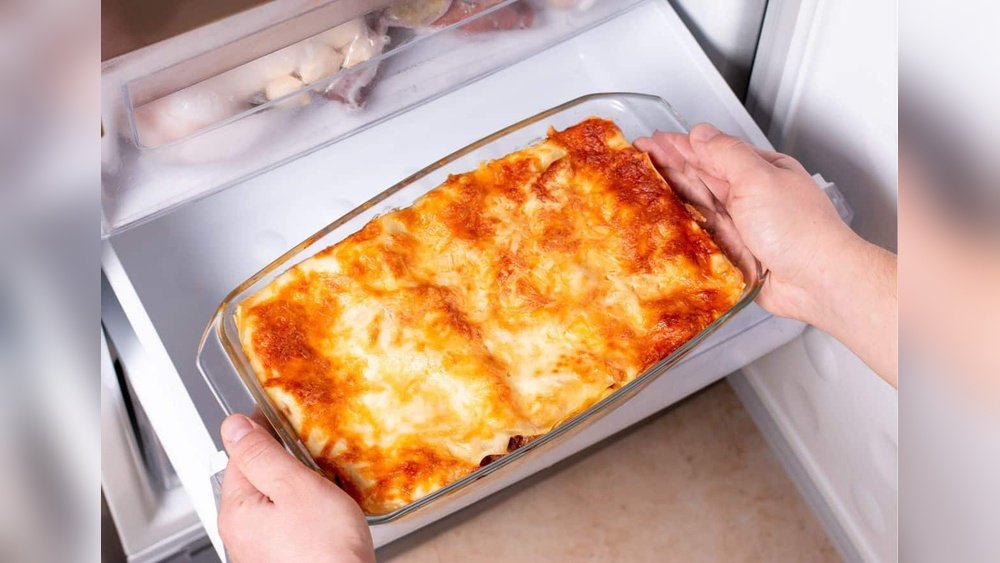
When you look forward to a hearty meal, nothing beats a slice of well-heated lasagna. Whether it’s leftover from last night’s dinner or prepared ahead for a busy week, knowing how to heat up lasagna in oven can make the difference between a soggy, sad plate and a meal that tastes fresh and delicious. Many people reheat lasagna in a microwave for speed, but the oven gives you the best results: crispy edges, gooey cheese, and flavors that feel just-cooked.
But reheating lasagna is not as simple as just tossing it in and waiting. If you heat it too fast, you get dry noodles and burnt cheese. Too slow, and the inside can stay cold. This guide shows you, step by step, how to reheat both homemade and store-bought lasagna in the oven.
You’ll learn the best temperatures, how to keep the dish moist, and tricks that most beginners miss. By the end, you’ll know how to heat up lasagna in oven for perfect results every time—even if you’re new to cooking.
Why Use The Oven To Reheat Lasagna?
Lasagna is a layered dish with pasta, sauce, cheese, and sometimes meat or vegetables. These layers need even heating to taste good again. While the microwave is fast, it often leaves cold spots and rubbery cheese. The oven offers:
- Even heating: The heat surrounds your lasagna, warming it through without hot or cold patches.
- Texture preservation: The top cheese and edges crisp up, just like when first baked.
- Large portion friendly: You can reheat an entire pan or just a single slice.
Microwaves and stovetops have their place, but for the best flavor and texture, the oven is the clear winner. In fact, many Italian cooks recommend the oven as the only option for reheating.
What You Need Before Reheating
Before you begin, gather a few essentials. This will help you avoid running back and forth while your lasagna dries out in the oven.
- Lasagna (whole or sliced, cold or frozen)
- Oven-safe dish (glass, ceramic, or metal pan)
- Aluminum foil (to cover and keep moisture in)
- Cooking spray or a little oil (to prevent sticking)
- Oven mitts (for safety)
- Thermometer (optional, for best results)
If reheating a store-bought lasagna, check the package for any special instructions. Homemade lasagna is more flexible, but you should still follow basic steps to avoid mistakes.
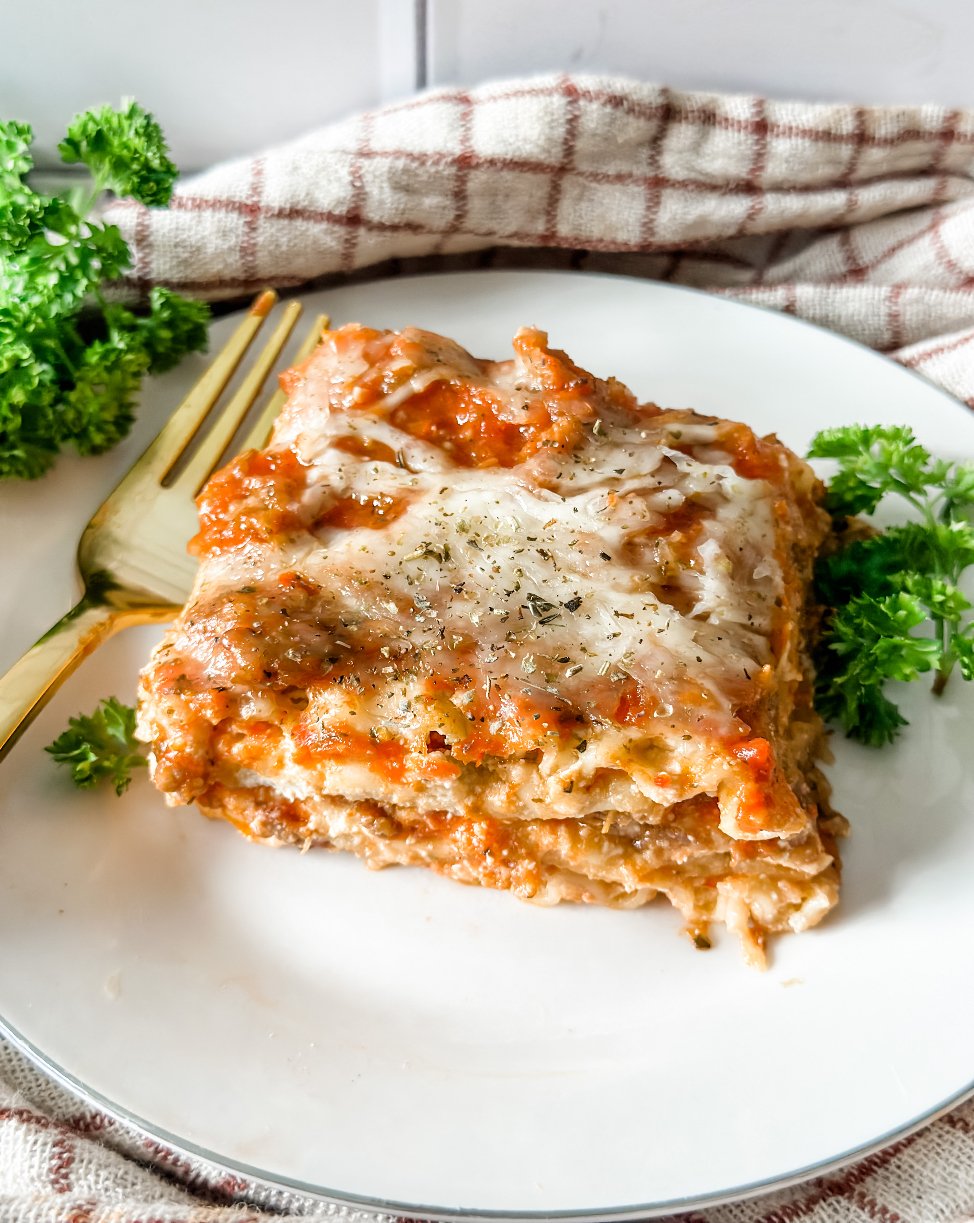
Credit: thepounddropper.com
Step-by-step: How To Heat Up Lasagna In Oven
There are two main situations: you’re reheating refrigerated lasagna or frozen lasagna. Each requires a slightly different approach.
Reheating Refrigerated Lasagna
Lasagna from the fridge usually takes less time than frozen. Here’s how to do it right:
- Preheat your oven to 350°F (175°C). This temperature heats gently without burning the top.
- Prepare your baking dish. Spray with cooking oil or brush with a little olive oil. This stops the lasagna from sticking.
- Add your lasagna. Place the slices or whole piece in the dish. If the lasagna is already in an oven-safe pan, you can use that.
- Moisten if needed. If the lasagna looks dry, sprinkle 1–2 tablespoons of water or sauce over the top. This keeps it from drying out.
- Cover tightly with foil. This step is critical. The foil traps steam and keeps everything moist.
- Bake for 25–35 minutes. If you’re heating a large pan, it may need up to 45 minutes. For a single slice, 20–25 minutes is enough.
- Check the temperature. The center should be at least 165°F (74°C). If you don’t have a thermometer, insert a knife in the center—if it comes out hot, you’re good.
- Uncover for the last 5–10 minutes. This lets the cheese on top get bubbly and golden.
After baking, let your lasagna rest for 5 minutes before serving. This helps the layers settle and makes cutting easier.
Reheating Frozen Lasagna
Frozen lasagna takes longer but can taste just as good if done right. Don’t thaw lasagna at room temperature; bacteria can grow. Instead, follow these steps:
- Preheat oven to 350°F (175°C).
- Remove any plastic wrap if present, but leave the foil.
- If possible, thaw overnight in the fridge. If not, you can bake from frozen.
- Cover with fresh foil if needed. Make sure the lasagna is sealed.
- Bake for 60–90 minutes. A large, family-size lasagna from frozen can take up to 90 minutes. Smaller portions may need only 45–60 minutes.
- Check the center. As with refrigerated lasagna, aim for at least 165°F (74°C).
- Uncover for the last 10 minutes to brown the cheese.
If you’re in a hurry, you can microwave the lasagna for 5–10 minutes first, then finish in the oven to crisp the top.
Comparison: Oven Vs. Other Methods
To see why the oven is best, look at how it compares to other common reheating methods:
| Method | Time Needed | Texture | Best For |
|---|---|---|---|
| Oven | 25–90 minutes | Even, crispy edges, moist inside | All portions, best flavor |
| Microwave | 3–10 minutes | Soft, sometimes rubbery, can be soggy | Single slices, quick meals |
| Stovetop (skillet + lid) | 10–20 minutes | Crispy bottom, soft top | Small slices, experimenting |
| Air Fryer | 10–20 minutes | Crispy top, uneven heating | Small portions, crispy lovers |
How To Keep Lasagna Moist In The Oven
Dry lasagna is a common problem for beginners. The oven’s dry heat can evaporate the sauce and make the noodles tough. Here are some ways to avoid this:
- Add extra sauce or water. Even 1–2 tablespoons can keep the lasagna soft.
- Cover with foil. This is the single best way to trap steam.
- Don’t overbake. Check at the minimum time.
- Let it rest after baking. The steam redistributes, keeping the lasagna moist.
Some cooks also brush the top with a little milk or cream before baking. This gives the cheese a golden finish and adds moisture.
Reheating Lasagna: Slices Vs. Whole Pan
The size of your lasagna affects how you reheat it. Heating a single slice is faster but can dry out quickly. A whole pan heats slowly but stays moist.
Single Slice
- Place in a small oven-safe dish.
- Add a spoonful of sauce or water.
- Cover tightly with foil.
- Bake at 350°F for 20–25 minutes.
Whole Pan
- Check for cracks in the noodles; cover any gaps with sauce.
- Cover the whole pan with foil.
- Bake at 350°F for 35–45 minutes if refrigerated, or up to 90 minutes if frozen.
- Uncover for the last 10 minutes for a golden top.
If you want to reheat several slices but not the whole pan, group them close together. This helps them heat evenly.
How Long To Heat Up Lasagna In Oven
The time depends on several factors: pan size, slice thickness, starting temperature, and oven accuracy. Use these as rough guides:
| Lasagna Type | Temperature | Baking Time |
|---|---|---|
| Single refrigerated slice | 350°F (175°C) | 20–25 minutes |
| Whole refrigerated pan | 350°F (175°C) | 35–45 minutes |
| Single frozen slice | 350°F (175°C) | 45–60 minutes |
| Whole frozen pan | 350°F (175°C) | 60–90 minutes |
Always check the center for heat before serving.
Common Mistakes When Reheating Lasagna In The Oven
Even experienced cooks make errors. Watch out for these common mistakes:
- Forgetting to cover with foil: This dries out the top and edges.
- Skipping added moisture: Especially for day-old lasagna, a few tablespoons of water or sauce are key.
- Overcooking: This makes noodles tough and cheese rubbery.
- Baking at too high temperature: Higher than 375°F can burn the top before the center is hot.
- Not checking the center: Cold spots are common. Always test the middle.
- Heating unevenly: Slices spread too far apart in the dish heat unevenly. Group them together.
- Using the wrong dish: Thin metal pans heat too quickly. Use glass or ceramic for more even results.
How To Heat Up Lasagna In Oven Without Drying It Out
If your lasagna has dried out before, you’re not alone. Here’s how to avoid it:
- Cover tightly with foil. This is the single best way to prevent dryness.
- Don’t skimp on sauce. A wetter lasagna reheats better.
- Use a lower temperature (like 325°F) if you have extra time. It heats more gently.
- Check halfway through. If it looks dry, add another spoonful of water and re-cover.
- Let rest before serving. The moisture redistributes, making every bite juicy.
Some cooks even add a small ice cube (yes, really!) Under the foil. It melts and steams the lasagna, keeping it soft.
Special Tips For Different Types Of Lasagna
Lasagna comes in many styles. Here’s how to adjust your approach:
Meat Lasagna
- Usually has more fat, so it stays moist.
- Add a little sauce if the top looks dry.
- Fatty lasagna can bubble over; place the dish on a baking tray to catch drips.
Vegetable Lasagna
- Tends to dry out faster. Add extra sauce or water before reheating.
- Cover well with foil.
- If reheating from frozen, bake at a slightly lower temperature for longer.
Cheese-only Lasagna
- Can become rubbery if overheated.
- Check after 15 minutes, especially for small portions.
- Add a splash of milk or cream to the top for a creamy texture.
Gluten-free Lasagna
- Gluten-free noodles dry out easily.
- Always add extra sauce, and cover tightly.
- Bake at 325°F if you have time, to protect the noodles.
How To Reheat Lasagna With Toppings
Some lasagnas have extra toppings like sliced tomatoes, herbs, or breadcrumbs. If you want to keep these fresh:
- Add fresh herbs after reheating, not before.
- Remove breadcrumbs before reheating, then sprinkle new breadcrumbs and toast under the broiler for 2–3 minutes.
- Add extra cheese in the last 5 minutes for a bubbly top.
Can You Reheat Lasagna Multiple Times?
Reheating lasagna more than once is safe if you follow food safety rules. Always cool leftovers quickly, store in the fridge, and reheat to at least 165°F (74°C). However, each reheat dries out the dish more. For best results:
- Only reheat what you plan to eat.
- Slice large pans into single portions before storing.
- Wrap slices well to keep them moist.
Food safety experts recommend not reheating the same lasagna more than twice.

Credit: www.thekitchn.com
Lasagna Reheating Safety Tips
Lasagna contains meat, cheese, eggs, and vegetables—all sensitive to bacteria if not handled safely. Remember:
- Never leave lasagna out for more than 2 hours at room temperature.
- Cool leftovers quickly. Slice and spread out if needed.
- Store in airtight containers in the fridge (up to 4 days) or freezer (up to 3 months).
- Reheat to 165°F (74°C). Check with a thermometer in the center.
For more on food safety, see this guide from the USDA.
Creative Ways To Refresh Reheated Lasagna
If you want to add excitement to leftover lasagna, try these:
- Add fresh herbs like basil or parsley after baking.
- Drizzle with olive oil for extra richness.
- Sprinkle extra cheese and broil for 2–3 minutes for a bubbly top.
- Serve with a side of salad for a light touch.
Some people like to add a spoonful of marinara sauce or a splash of cream to each serving for extra flavor.
Using The Broiler For A Crispy Top
If you want restaurant-style lasagna, use the broiler at the end:
- Reheat lasagna as above.
- Remove foil for the last 5 minutes.
- Set oven to broil.
- Broil lasagna for 1–3 minutes, watching carefully to avoid burning.
Broiling gives a crispy top and a nice color, but don’t walk away—broilers work fast!
Table: Signs Your Lasagna Is Properly Heated
How do you know your lasagna is ready? Use all your senses:
| Sign | What to Look For |
|---|---|
| Temperature | 165°F (74°C) in center |
| Appearance | Cheese is melted and bubbling, edges slightly crispy |
| Touch | Knife inserted in center comes out hot |
| Smell | Rich, fresh aroma (not sour or old) |
Storing Lasagna For Easy Reheating
How you store lasagna after the first meal affects how well it reheats. For best results:
- Cool lasagna to room temperature quickly.
- Cut into single-serving pieces before refrigerating or freezing.
- Wrap tightly with plastic wrap, then foil, or use airtight containers.
- Label with date and type (meat, veggie, etc. ).
- Use within 3–4 days (fridge) or 2–3 months (freezer).
Cutting into portions first means you can reheat only what you need, reducing waste and dryness.
Advanced: Reheating Lasagna For Large Groups
If you’re serving lasagna at a party or event, reheating a large tray can be tricky. Here’s how to do it right:
- Use a large, deep baking pan for even heating.
- Cover tightly with foil, sealing the edges.
- If reheating multiple pans, rotate positions halfway through.
- Check the center and the corners for even temperature.
- After reheating, let the tray rest for 10 minutes before serving.
If you have a convection oven, use it: the fan circulates heat and speeds up the process. Reduce the oven temperature by 25°F if using convection.

Credit: pantryandlarder.com
Troubleshooting: Common Problems And Solutions
Even with care, things can go wrong. Here are fixes for common problems:
- Lasagna too dry: Add more sauce or a little broth, cover, and bake for 10 more minutes.
- Lasagna not hot in the center: Return to oven, cover, and bake for another 10–15 minutes. Check with a thermometer.
- Burnt top, cold inside: Cover with new foil, lower oven temperature by 25°F, and continue baking.
- Edges overcooked, middle fine: Next time, group slices together in the dish.
Frequently Asked Questions
How Long Does It Take To Heat Up Lasagna In The Oven?
It depends on the size and temperature of your lasagna. A single refrigerated slice takes about 20–25 minutes at 350°F, while a whole refrigerated pan needs 35–45 minutes. Frozen lasagna can take 45–90 minutes. Always check the center for heat.
Can I Reheat Lasagna In The Oven Without Foil?
You can, but it’s not recommended. Without foil, lasagna dries out quickly, especially the top and edges. Always cover with foil for the first part of baking, then uncover for the last few minutes to crisp the cheese.
Is It Safe To Reheat Lasagna More Than Once?
It is safe if you cool and store leftovers properly, but each reheat dries the lasagna more. For the best taste, only reheat what you will eat. Try not to reheat the same piece more than twice.
What Is The Best Temperature To Reheat Lasagna In The Oven?
The best temperature is 350°F (175°C). This heats evenly without burning or drying out the dish. For very delicate or gluten-free lasagna, you can lower to 325°F for more gentle heating.
Can I Use A Toaster Oven To Reheat Lasagna?
Yes, a toaster oven works for small slices. Use the same temperature (350°F) and cover with foil. Watch closely, as toaster ovens can brown the top faster.
Enjoy your lasagna with confidence, knowing you can always reheat it to taste as good as fresh. With these steps and tips, you’ll never eat rubbery, dry leftovers again.