
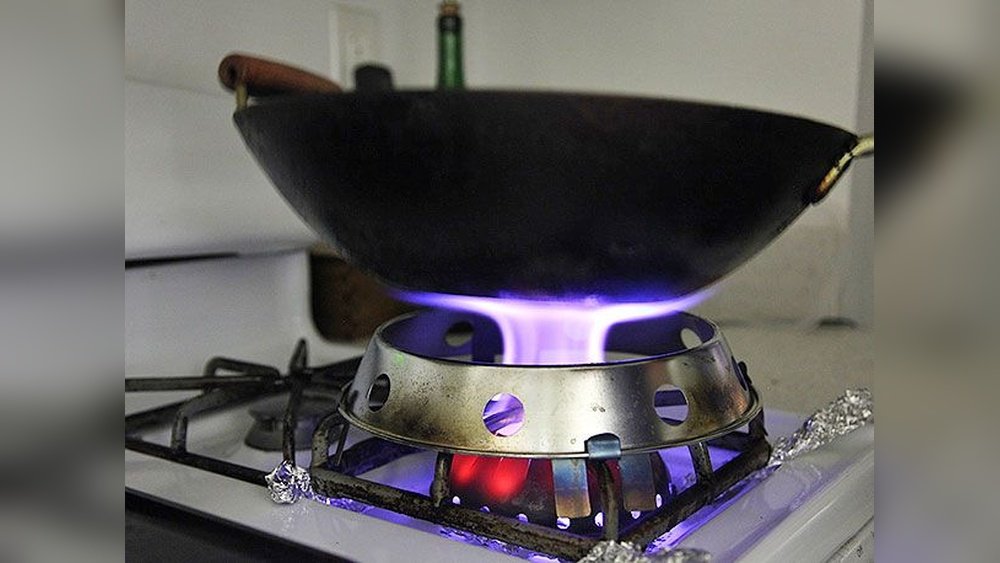
A wok is not just a pan—it’s a tool that can transform your cooking. When you use a wok on a gas stove, you unlock the power to create authentic stir-fries, smoky noodles, and crisp-tender vegetables right at home. The sight, sound, and smell of food sizzling in a wok over a blue flame can make your kitchen feel like a street-side restaurant in Asia. But many home cooks struggle to get restaurant-quality results because they don’t know the secrets of using a wok properly on a gas stove.
In this guide, I’ll walk you through everything you need to know. From picking the right wok to cleaning it after cooking, you’ll get clear, step-by-step advice. You’ll also learn what mistakes to avoid and how to fix common problems.
If you want to become confident with your wok and get the best flavors from your gas stove, keep reading.
Why Use A Wok On A Gas Stove?
A gas stove is often the best match for a wok. The main reason is direct heat. The open flame touches the bottom and sides of the wok, creating the high temperature needed for classic stir-frying. This high heat helps you get the famous “wok hei” (the smoky, charred flavor found in restaurant dishes).
Here are a few reasons people love using a wok on gas:
- Even heating: The flame wraps around the wok, so food cooks fast and evenly.
- High temperature: You can reach the intense heat needed for searing and stir-frying.
- Control: You can adjust the flame easily for different cooking methods.
- Versatility: You can stir-fry, deep-fry, steam, smoke, and more—all in one pan.
However, using a wok on a gas stove is different than with a regular frying pan. You need to know the right steps to get the most out of both your stove and your wok.
Choosing The Right Wok For A Gas Stove
Not all woks are the same. Picking the right one will make a big difference in your results.
Material
Woks come in several materials, but the most common are:
- Carbon steel: Heats up fast, gives a traditional flavor, and is easy to toss food in. Needs seasoning and regular care.
- Cast iron: Holds heat well but is heavy and heats slowly. Great for stews but harder to toss food.
- Stainless steel: Easy to clean and doesn’t rust, but food can stick and it doesn’t give the same flavor.
- Nonstick: Simple to clean, but can’t handle high heat and won’t give you “wok hei.”
Carbon steel is usually best for a gas stove. It’s light, tough, and reacts quickly to heat changes.
Shape
There are two main shapes:
- Round-bottom: Traditional, best for open flames, but needs a wok ring to sit on a flat stove.
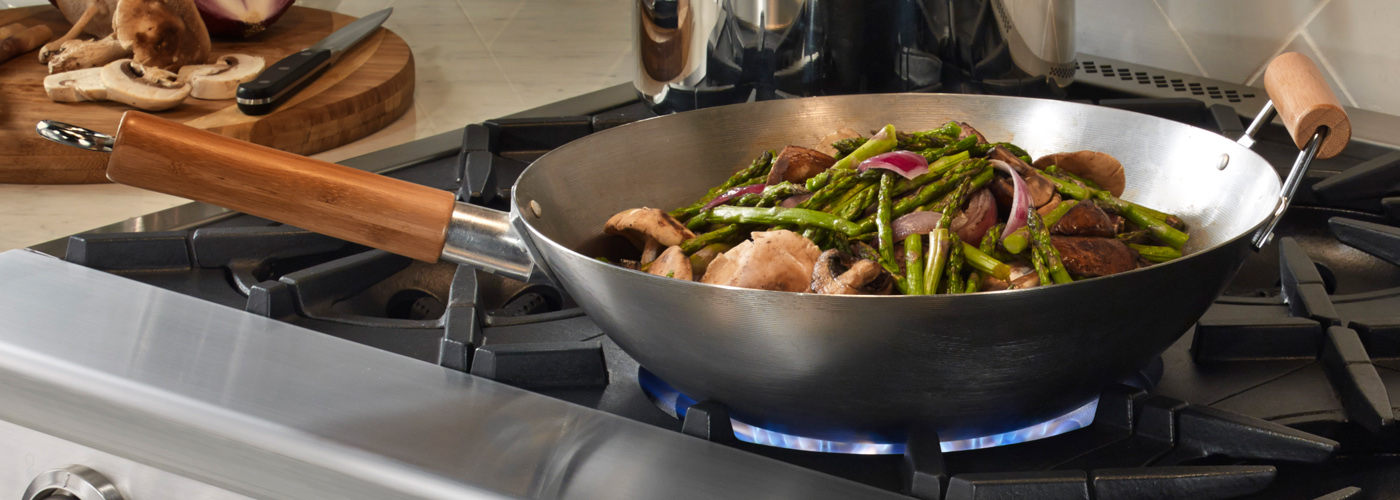
- Flat-bottom: Sits directly on the burner, easier for most home stoves, but less traditional.
For a gas stove, a round-bottom wok works best if you have a strong burner and a wok ring. If not, a flat-bottom wok is a good choice.
Size
A 14-inch diameter is a good size for most families. It holds enough food and lets you toss and stir easily.
Handles
Woks usually have two small loop handles or one long handle and one small helper handle. The long handle helps with tossing food and moving the wok quickly. Choose what feels comfortable for your cooking style.
Quick Comparison Of Wok Materials
| Material | Heat Response | Maintenance | Best For |
|---|---|---|---|
| Carbon Steel | Very Fast | Seasoning Needed | Stir-frying, High Heat |
| Cast Iron | Slow, Even | Seasoning Needed | Stewing, Braising |
| Stainless Steel | Moderate | Easy | Everyday Cooking |
| Nonstick | Fast | Easy | Low-heat Cooking |
Setting Up Your Wok On A Gas Stove
Before you start cooking, set up your wok and stove for safety and best results.
Using A Wok Ring
If you have a round-bottom wok, you’ll need a wok ring. This is a metal circle that holds the wok steady above the burner.
- Place the wok ring directly over the burner.
- Set the wok in the ring. It should sit firmly and not wobble.
- Make sure the bottom of the wok is close to the flame, but not touching it.
A flat-bottom wok can sit directly on the burner, so you don’t need a ring.
Adjusting The Burner
Gas burners come in different sizes and strengths. For wok cooking, a strong flame is best. If your stove has a “power burner,” use it.
- Turn the burner to high for stir-frying.
- For simmering or steaming, use a medium or low flame.
Ventilation
Wok cooking creates smoke, especially if you want “wok hei. ” Turn on your kitchen fan or open a window before you start.
Seasoning A New Wok
Seasoning means creating a thin layer of oil on the wok’s surface. This helps prevent food from sticking, protects against rust, and adds flavor.
- Wash the new wok with hot water and a little soap to remove factory oil. Dry well.
- Heat the wok over high heat until it starts to smoke.
- Add oil (like peanut or canola oil). Use a paper towel and tongs to rub oil all over the inside surface.
- Heat until the oil smokes, then let the wok cool.
- Repeat the oiling and heating process 2-3 times.
With each use, the wok will become darker and more nonstick.
Tip: Never use olive oil for seasoning. It burns at lower temperatures.
:max_bytes(150000):strip_icc()/__opt__aboutcom__coeus__resources__content_migration__serious_eats__seriouseats.com__images__2014__05__20140423-wok-mon-testing-food-lab-5-f295a949529a4cc79d2cb85579396d75.jpg)
Credit: www.seriouseats.com
Essential Tools For Wok Cooking
You’ll need more than just a wok and a stove for the best results.
- Wok spatula (also called a “wok chuan”): Shaped to fit the curve of the wok.
- Ladle: For scooping soups or sauces.
- Tongs: For turning meat and vegetables.
- Bamboo brush or soft sponge: For cleaning the wok without scratching.
- Wok lid: For steaming or simmering.
- Prep bowls: For holding chopped ingredients.
Having everything ready before you start makes cooking smoother and faster.
How To Stir-fry With A Wok On A Gas Stove
Stir-frying is the most popular way to use a wok. The fast, high-heat method seals in flavor and keeps food crisp.
Step-by-step Stir-frying
- Prep all ingredients before you start. Cut vegetables and meat into bite-sized pieces. Mix sauces in advance. Stir-frying goes fast—there’s no time to chop while cooking.
- Heat the wok over high heat until it smokes slightly. This step is key for nonstick results.
- Add oil (about 1-2 tablespoons). Swirl to coat the sides.
- Add aromatics (like garlic, ginger, or scallions) first. Stir for a few seconds until fragrant.
- Add protein (chicken, beef, tofu, shrimp) and spread it out. Let it sear for 30 seconds before stirring.
- Add vegetables that take longer to cook first (like carrots or broccoli). Add quick-cooking veggies (like leafy greens) last.
- Stir and toss constantly. Use your spatula to move food up the sides and back down.
- Add sauce near the end. Stir well to coat everything.
- Finish cooking, turn off the heat, and serve right away.
Tip: Don’t overcrowd the wok. Cook in batches if needed. Too much food lowers the temperature and causes steaming instead of frying.
Example: Classic Chicken Stir-fry
- 1 pound chicken breast, sliced thin
- 2 cups broccoli florets
- 1 red bell pepper, sliced
- 2 cloves garlic, minced
- 1 tablespoon ginger, minced
- 2 tablespoons soy sauce
- 1 tablespoon oyster sauce
- 1 teaspoon sugar
- 2 tablespoons oil
Cook the chicken, remove, then stir-fry the vegetables. Return the chicken, add sauce, stir, and serve.
Other Cooking Techniques With A Wok
A wok isn’t just for stir-frying. You can use it for many other methods.
Deep-frying
The wok’s sloped sides make it perfect for deep-frying. You need less oil than with a deep pot, and you can fry larger batches.
- Heat 2-3 cups of oil to 350°F (use a thermometer).
- Add food in small batches.
- Remove with a slotted spoon or spider strainer.
Tip: Always dry food before frying to avoid dangerous oil splatters.
Steaming
With a rack and lid, you can steam dumplings, fish, or vegetables.
- Add 2 inches of water to the wok.
- Set a steaming rack inside.
- Place food on a plate on the rack.
- Cover and steam over medium-high heat.
Smoking
You can smoke small foods in a wok using tea leaves, rice, and sugar as the smoking base.
- Line the wok with foil.
- Add the smoking mixture.
- Place a rack and food above.
- Cover tightly and heat until smoke forms.
Braising And Stewing
The wok’s wide shape is great for braising meats in sauce. Start with stir-frying, then add liquid and simmer with a lid.
Common Mistakes When Using A Wok On A Gas Stove
Even experienced cooks sometimes get less-than-perfect results. Watch out for these common errors:
- Overcrowding the wok: Too much food cools the pan and causes steaming, not frying.
- Not heating the wok enough: Food will stick and won’t get a good sear.
- Using the wrong oil: Olive oil burns easily. Use peanut, canola, or sunflower oil.
- Skipping prep: Stir-frying is fast. If you’re not ready, food can burn while you chop.
- Not drying ingredients: Wet meat or vegetables cause splattering and steaming.
- Neglecting seasoning: An unseasoned wok sticks and rusts easily.
- Cleaning with soap: Soap can strip seasoning. Use hot water and a brush.
- Leaving food in the wok: Transfer cooked food to a plate to prevent overcooking.
Advanced Tips For Authentic Wok Cooking
To get that restaurant-style flavor, try these expert tips:
Get The Right Heat
Most home gas stoves are less powerful than restaurant burners. If you want true “wok hei,” use the hottest burner and preheat the wok until it’s smoking.
Use A Wok Chuan
A wok chuan is a curved spatula that fits perfectly in the wok. It makes tossing and stirring easier and helps scrape up fond (the tasty browned bits).
Oil Management
Use a high-smoke-point oil and swirl it up the sides before adding food. This prevents sticking and helps food brown evenly.
Cook In Small Batches
Restaurants cook one or two servings at a time for best results. If you have a lot of food, split it into batches.
Layer Your Flavors
Add aromatics first, then proteins, then vegetables, then sauce. This builds complex flavors and keeps ingredients from steaming.
Wok Maintenance
After each use, dry your wok over low heat. Rub in a thin layer of oil to keep it seasoned and rust-free.
Troubleshooting: Fixing Common Wok Problems
If you run into trouble, here’s how to fix it:
- Food sticks: The wok wasn’t hot enough, or it’s not seasoned. Preheat longer next time, and keep seasoning your wok.
- Rust spots: Scrub off the rust with a soft brush, re-season the wok, and dry it well after each use.
- Burnt food: You may have used too high heat or didn’t stir enough. Stir more often and watch the heat.
- Uneven cooking: Stir and toss food constantly. Cut ingredients to similar sizes.
- Smoke alarm goes off: Turn on your kitchen fan or open windows before cooking.
Credit: www.bluestarcooking.com
Cleaning And Caring For Your Wok
Proper cleaning keeps your wok in top shape.
Daily Cleaning
- Rinse with hot water while the wok is still warm.
- Scrub with a bamboo brush or soft sponge. Don’t use soap or steel wool.
- Dry over low heat on the stove.
- Rub in oil: When dry, add a few drops of oil and spread with a paper towel.
Deep Cleaning (if Seasoning Is Lost Or Food Sticks Badly)
- Use coarse salt and a paper towel to scrub stubborn residue.
- Rinse well, then re-season as needed.
Storing Your Wok
Store your wok in a dry place. If you live in a humid climate, rub a thin layer of oil after each use to prevent rust.
Comparing Wok And Frying Pan Cooking
Is a wok really better than a frying pan on a gas stove? Here’s a simple comparison:
| Feature | Wok | Frying Pan |
|---|---|---|
| Shape | Round, deep sides | Flat, shallow sides |
| Heat Distribution | Flame wraps around | Heat mostly at bottom |
| Best For | Stir-fry, deep-fry, steam | Pan-fry, sauté |
| Wok Hei Flavor | Yes | No |
| Food Tossing | Easy | Harder |
Safety Tips For Wok Cooking On A Gas Stove
Wok cooking is fun, but it does involve high heat and oil. Here’s how to stay safe:
- Keep children and pets away while cooking.
- Have a lid or baking sheet nearby to cover oil splatters or small fires.
- Don’t leave hot oil unattended.
- Turn handles inward so they don’t stick out where you could bump them.
- Wear an apron to protect against oil splashes.
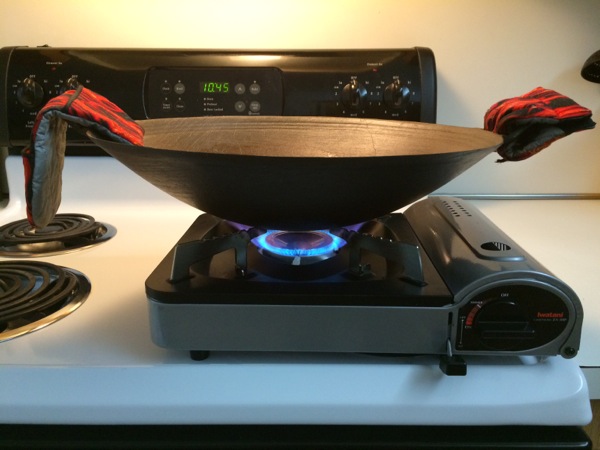
- Use oven mitts or a thick towel to move the hot wok.
Best Foods To Try In A Wok
Some dishes are made for the wok. If you want to get started, try these classics:
- Beef and broccoli stir-fry
- Shrimp fried rice
- Vegetable lo mein
- Kung Pao chicken
- Sweet and sour pork
- Moo shu pork
- Egg foo young
- Stir-fried bok choy with garlic
- Salt and pepper tofu
- Szechuan green beans
Try different sauces and proteins as you gain confidence.
Credit: eleanorhoh.com
How To Improve Your Wok Skills
If you want to become a better wok cook, practice is key. Here are some ways to improve:
- Watch professionals: Search for videos of chefs cooking with a wok to learn their techniques.
- Experiment: Try different vegetables, meats, and sauces.
- Take notes: Write down what works and what doesn’t.
- Use high-quality ingredients: Fresh, crisp vegetables and good sauces make a big difference.
- Ask for feedback: Serve your dishes to friends or family and ask for their thoughts.
Cleaning A Wok Vs. Cleaning A Regular Pan
You might wonder if cleaning a wok is harder than cleaning a regular pan. Here’s how they compare:
| Task | Wok | Regular Pan |
|---|---|---|
| Soap Needed? | No (just water and brush) | Yes, usually |
| Seasoning Required? | Yes, for carbon steel/cast iron | No |
| Rust Risk? | Yes, if not oiled | Low |
| Scrubbing Allowed? | Only soft brush | Any sponge |
Non-obvious Insights For Better Wok Cooking
Many guides don’t mention these subtle details:
- Preheat longer than you think: Most beginners under-heat their wok. Wait until it is almost smoking before adding oil.
- Use a metal spatula: It’s safe in a carbon steel wok and helps build up the seasoning, unlike silicone or wood.
- Don’t rinse a hot wok in cold water: This can warp the metal. Let it cool a bit first.
- Slice proteins thinly and across the grain: This gives more surface area for browning and keeps meat tender.
When Not To Use A Wok On A Gas Stove
There are a few situations where a wok isn’t the best tool:
- For slow, low-heat cooking: A Dutch oven or deep pot is better for stews and soups.
- With a weak burner: If your gas stove is weak, you may not get enough heat for true stir-frying.
- If you need nonstick at low heat: Nonstick pans are safer for eggs and pancakes.
Final Thoughts
Cooking with a wok on a gas stove unlocks a whole new world of flavors and textures. With the right setup, practice, and care, you can make dishes that rival your favorite restaurants. Remember: use high heat, cook in small batches, and keep your wok seasoned. Most of all, enjoy the process. Wok cooking is as much about energy and fun as it is about food.
If you want to dive deeper into wok history and techniques, check out the excellent resource from Wikipedia.
Frequently Asked Questions
Why Does Food Stick To My Wok On A Gas Stove?
Usually, food sticks because the wok is not hot enough or not seasoned well. Preheat your wok until it is almost smoking before adding oil. Season your wok regularly, and avoid cooking wet ingredients.
Can I Use A Nonstick Wok On A Gas Stove?
Yes, but be careful. Nonstick coatings can break down at high heat, which is common with gas stoves. For high-heat stir-frying, a carbon steel or cast iron wok is safer.
How Do I Prevent Rust On My Carbon Steel Wok?
After washing, dry your wok on the stove over low heat. Then, rub in a thin layer of oil before storing. This protects the surface from moisture and rust.
What Oil Is Best For Wok Cooking?
Use oils with a high smoke point, like peanut, canola, sunflower, or grapeseed oil. Avoid olive oil or butter—they burn at lower temperatures.
Can I Wash My Wok With Soap?
Avoid soap for regular cleaning, as it removes the seasoning. Use hot water and a soft brush. If your wok gets greasy or develops odors, a little soap is okay—but re-season afterward.