
Caring For Coolina Knives: The Complete Guide For Long-lasting Performance
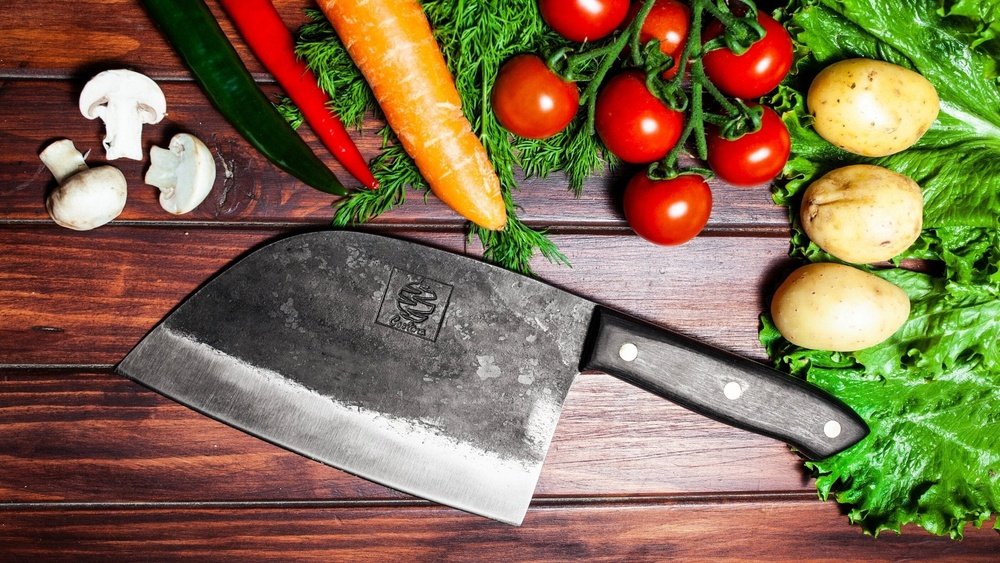
A Coolina knife isn’t just a kitchen tool—it’s a statement of craftsmanship. These knives, known for their robust build, rustic charm, and exceptional cutting abilities, have become favorites among home cooks and professionals alike. But owning a Coolina knife also means taking responsibility for its care.
If you want your knife to stay sharp, rust-free, and beautiful for years, proper maintenance is essential.
This guide will show you everything you need to know about Coolina knife care. You’ll learn how to clean, sharpen, store, and protect your knife, plus discover professional tips that most beginners miss. Whether you’re new to Coolina or want to get the most from your investment, this article covers every detail. Let’s make your knife last a lifetime.
Understanding Coolina Knives: What Makes Them Special
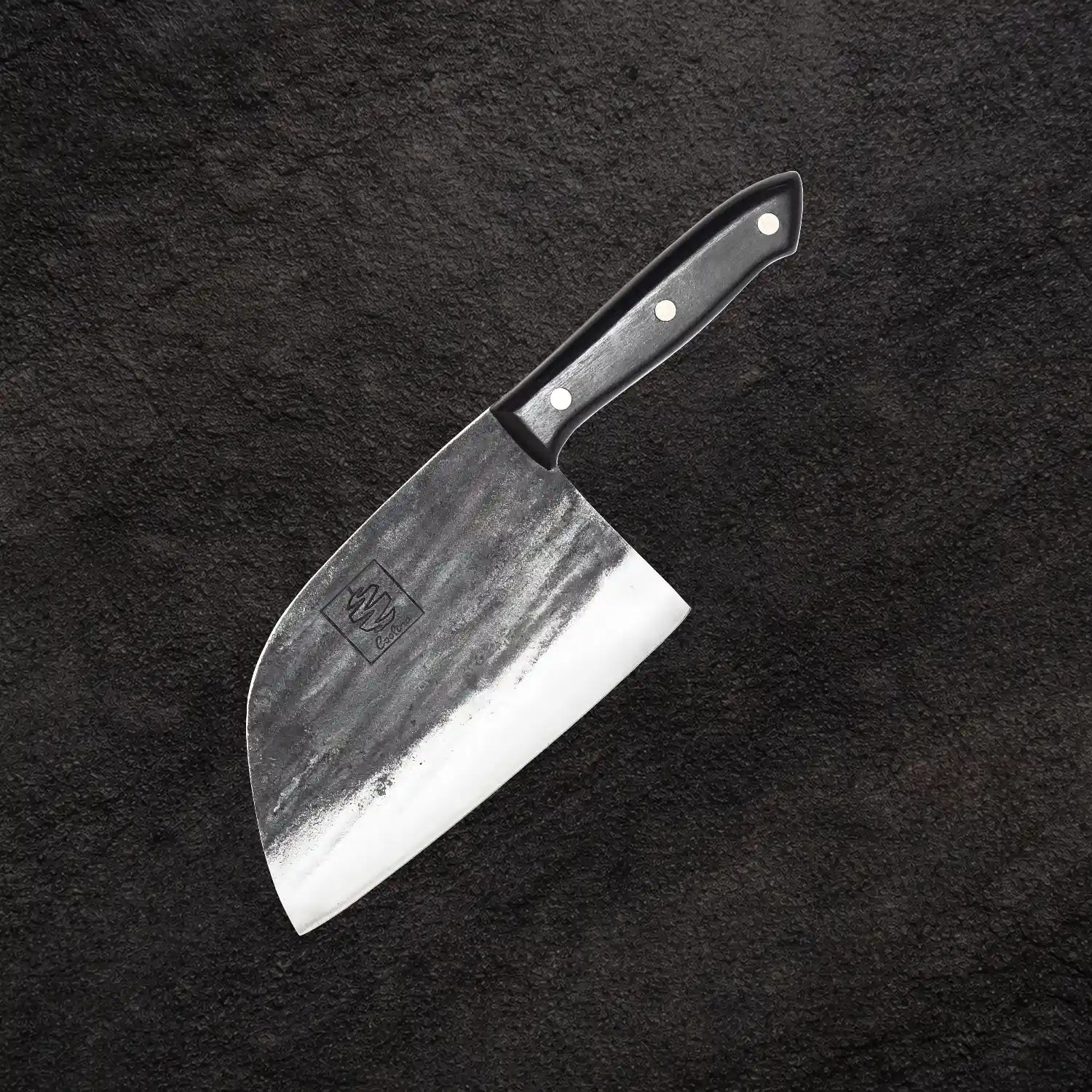
Coolina knives stand out for a reason. Each knife is hand-forged, often using high-carbon steel. This means they’re harder and sharper than most mass-produced stainless-steel knives, but also need a bit more attention. The unique steel composition, the hammered finish, and the wooden handle all require special care.
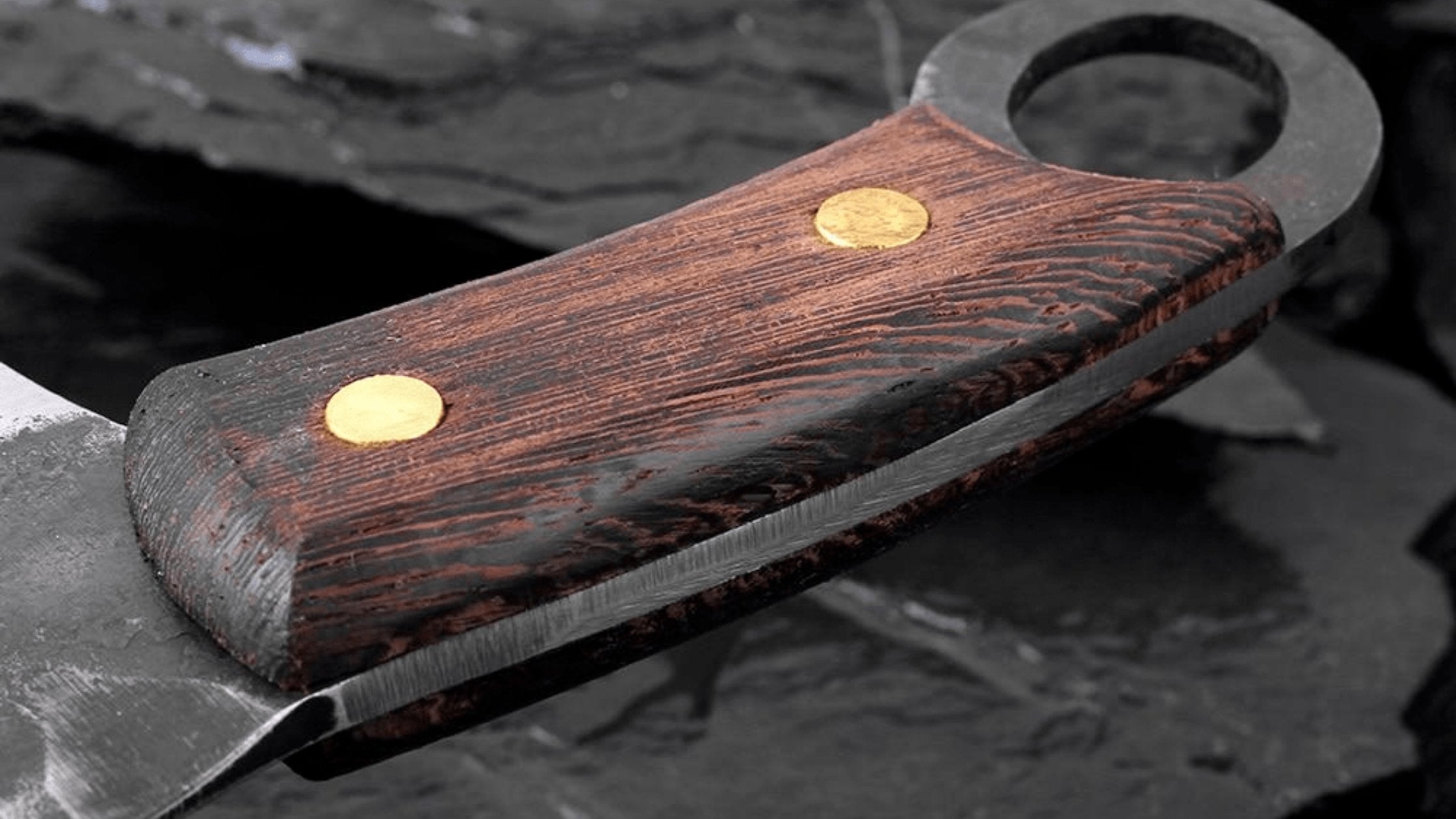
High-carbon steel gives your knife its razor-sharp edge and easy sharpening. But it’s also more reactive with air and moisture, making it more likely to rust if not dried and oiled. The handles, typically made from pakkawood or other hardwoods, need protection from water and drying out.
Understanding these details is the first step to proper care. The more you know about your Coolina knife, the longer it will serve you.
Cleaning Your Coolina Knife Properly
Cleaning is the foundation of knife care. Many owners damage their knives simply by washing them incorrectly.
- Hand Wash Only: Never put your Coolina knife in a dishwasher. The high heat, harsh detergents, and banging around will ruin both the blade and the handle. Always wash by hand.
- Use Mild Soap: Aggressive cleaners can damage the steel and wood. Use a gentle dish soap and warm water.
- Avoid Soaking: Never leave your knife in water, even for a few minutes. Prolonged exposure increases the risk of rust and handle swelling.
- Wipe, Don’t Scrub: Use a soft sponge or cloth. Scrubbing with abrasive pads can scratch the blade and remove the patina—a protective layer that develops with use.
- Dry Immediately: After washing, dry your knife with a towel right away. Leaving it to air dry invites rust.
Example Cleaning Routine
- Rinse the blade under warm water.
- Add a drop of mild soap to a soft sponge.
- Gently wipe both sides of the blade and the handle.
- Rinse off all soap.
- Pat dry with a kitchen towel.
- Let the knife air dry for a minute before storing.
Preventing Rust And Corrosion
High-carbon steel is famous for its sharpness and edge retention, but it rusts more easily than stainless steel. Protecting your knife from rust is simple if you know what to do.
Key Steps To Prevent Rust
- Keep the blade dry at all times. Even a few drops of water can cause spots.
- Apply food-safe oil after cleaning. Camellia oil, mineral oil, or even olive oil work well. This creates a barrier against moisture.
- Store in a dry place. Humid environments speed up rusting.
Spotting And Removing Early Rust
If you see orange or brown spots, act fast. Use a soft cloth and a small amount of baking soda mixed with water to gently rub the area. For more stubborn rust, a rust eraser (found at kitchenware stores) can help.
Rinse, dry, and oil the blade after removing rust.
Developing A Patina
With use, your Coolina knife will develop a patina—a grayish-blue protective layer. This is good! It helps prevent rust. Don’t try to scrub this away. In fact, some chefs intentionally speed up patina development by cutting acidic foods like onions or citrus.
Sharpening Coolina Knives
A sharp knife is safer and more enjoyable to use. Coolina knives are known for their edge, but high-carbon steel demands regular sharpening.
When To Sharpen
- If the knife feels dull or drags through food, it’s time.
- For home cooks, sharpening every 2-3 months is typical.
- Professionals may sharpen weekly.
Tools For Sharpening
- Whetstone (Sharpening Stone): Gives the best edge. Use 1000 grit for sharpening and 3000-6000 grit for polishing.
- Honing Rod: Maintains the edge between sharpening sessions.
- Professional Sharpening Services: Good for those who aren’t comfortable doing it themselves.
Step-by-step Sharpening With A Whetstone
- Soak the stone in water for 10-15 minutes.
- Hold the knife at a 15-20 degree angle to the stone.
- Glide the blade along the stone, from heel to tip, maintaining the angle.
- Repeat on both sides until sharp.
- Finish with a finer grit stone for polishing.
- Rinse, dry, and oil the blade.
Honing
Honing isn’t the same as sharpening. It straightens the edge between sharpening sessions. Use a honing rod every few uses.
Common Mistakes
- Using an electric sharpener: These can remove too much metal and damage the edge.
- Skipping the polishing step: A rough edge dulls faster and can tear food.
Handling And Usage Tips
How you use your knife affects its lifespan. Coolina knives are tough, but not indestructible.
Do’s
- Use a wooden or plastic cutting board. Hard surfaces like glass, marble, or ceramic will dull the edge.
- Cut only food. Avoid bones, frozen items, or very hard ingredients.
Don’ts
- Don’t twist or pry with the blade.
- Don’t use the knife tip as a can opener or screwdriver.
- Avoid dropping the knife—the steel is hard, so it may chip.
Protecting The Handle
Coolina handles are often made from wood or composite materials. To keep them in top shape:
- Dry the handle immediately if it gets wet.
- Apply a little mineral oil to wooden handles monthly to prevent drying and cracking.
- Don’t expose the handle to extreme heat or sunlight.
Storing Your Coolina Knife Safely
Storage matters more than most people think. Where and how you keep your knife affects its sharpness, safety, and appearance.
Best Storage Methods
- Knife Block: Keeps knives organized and safe, but make sure the block is clean and dry.
- Magnetic Strip: Saves counter space and lets air circulate around the blade. Be gentle when placing and removing the knife to avoid chipping the edge.
- Blade Guard or Sheath: Essential if you store your knife in a drawer. Protects both the blade and your hands.
Avoid These Storage Mistakes
- Don’t toss your Coolina knife in a drawer without protection. The edge will get damaged quickly.
- Never store a wet knife—this is the fastest way to cause rust.
Comparison: Storage Options
Here’s a quick look at the pros and cons of popular storage methods:
| Storage Method | Protection | Space Needed | Best For |
|---|---|---|---|
| Knife Block | Good | Countertop | Multiple knives |
| Magnetic Strip | Very Good | Wall space | Easy access |
| Blade Guard/Sheath | Excellent | Drawer | Single knives, travel |
Oiling The Blade And Handle
Oiling is one of the most overlooked steps in knife care, but it makes a huge difference.
Why Oil?
- Prevents rust: Oil forms a barrier against moisture.
- Preserves the handle: Especially important for wood, which can dry out and crack.
What Oils Are Safe?
- Blade: Food-grade mineral oil, camellia oil, or even coconut oil.
- Handle: Mineral oil or beeswax for wood.
How To Oil Your Knife
- Clean and dry the knife completely.
- Place a few drops of oil on a soft cloth.
- Wipe the blade and handle evenly.
- Remove excess oil with a dry part of the cloth.
How Often?
- After every cleaning if you use the knife daily.
- At least once a week for regular use.
Special Note
Don’t use cooking oils that spoil (like vegetable oil). They can become sticky and attract dirt.
Repair And Restoration
Even with the best care, accidents happen. Chips, rust, or a loose handle can occur. Here’s what you can do.
Small Chips
For tiny nicks, use a fine-grit whetstone to sharpen the blade back to a smooth edge. Don’t try to grind out large chips yourself—ask a professional.
Rust Spots
As mentioned earlier, baking soda and a soft cloth will remove most surface rust. For deeper rust, a rust eraser works well.
Loose Handle
If the handle becomes loose, avoid using the knife. Contact the manufacturer or a professional knife repair service. Home fixes are often temporary and unsafe.
Comparison: Diy Vs. Professional Repair
| Repair Type | DIY | Professional |
|---|---|---|
| Sharpening | Yes (with practice) | Best for beginners |
| Minor Rust | Yes | Not needed |
| Major Chips | No | Strongly recommended |
| Loose Handle | No | Strongly recommended |
Credit: www.coolinastore.com
Patina: The Good Kind Of Staining
Many new Coolina owners worry about their knife changing color. But most of the time, this is patina, not rust. Patina is a thin, dark layer that forms on high-carbon steel. It protects your knife and gives it character.
How To Encourage Patina
- Cut acidic foods like onions, apples, or lemons.
- Wipe the blade dry after use, but don’t scrub off the color changes.
When To Worry
If the discoloration is orange, rough, or flaky, that’s rust—not patina. Rust needs to be removed, while patina should be kept.
Advanced Care Tips Most Beginners Miss
- Rotate Your Knife Use: Don’t use your Coolina knife for every kitchen task. Save it for slicing, chopping, and prep—not for opening cans or cutting bones.
- Sharpen Before It’s Dull: If you wait until the blade is very dull, you’ll remove more metal during sharpening. Frequent, light sharpening is better.
- Check for Moisture in Storage Blocks: Knife blocks can hold hidden moisture. Clean and dry your block occasionally.
- Use a Cutting Board Mat: Place a towel or mat under your cutting board to prevent slipping and protect the blade tip.
- Be Careful with Acidic Foods: While these help develop patina, wipe the blade promptly after cutting acidic foods to avoid overreacting the steel.
- Inspect Your Knife Regularly: Small problems are easier to fix early. Check for chips, rust, or handle loosening every week.
Credit: www.coolinastore.com
Myths About Coolina Knife Care
Many new users hear advice that sounds helpful but can actually damage a knife. Here are some common myths:
- “Dishwasher is safe for high-quality knives.” False. Dishwashers ruin both blade and handle.
- “Oil is only for appearance.” Wrong. Oil is essential for rust prevention.
- “Harder steel means less maintenance.” Not true. Harder steel holds an edge longer, but is more prone to rust.
- “All cutting boards are the same.” Definitely not. Glass or stone boards will dull your knife quickly.
Learning to separate fact from fiction saves your knife from unnecessary damage.
Coolina Knife Maintenance Schedule
To keep your knife in top shape, follow a simple maintenance schedule. Here’s a summary table for easy reference:
| Task | Frequency | Details |
|---|---|---|
| Hand Washing | After every use | Use mild soap, dry immediately |
| Oiling Blade | Weekly or after cleaning | Use food-safe oil |
| Sharpening | Every 2-3 months | Use whetstone |
| Honing | Weekly | Use honing rod |
| Handle Care | Monthly | Oil wooden handles |
| Storage Check | Monthly | Check for moisture, clean block/strip |
Choosing The Right Tools For Coolina Knife Care
The right accessories make a big difference in maintaining your knife.
Must-have Tools
- Whetstone: For sharpening.
- Honing Rod: For edge maintenance.
- Food-grade Oil: For rust prevention.
- Soft Cloth: For cleaning and oiling.
- Wooden Cutting Board: Best for edge retention.
- Blade Guard or Sheath: For safe storage.
Optional But Helpful
- Rust Eraser: For removing stubborn rust.
- Knife Block or Magnetic Strip: For organized, safe storage.
Investing in these simple tools pays off over time and keeps your Coolina knife at its best.
Environmental Factors That Affect Your Knife
Where you live and work can impact how you care for your Coolina knife.
Humidity
High humidity means more risk of rust. In humid climates, oil your knife more often and store it with a silica gel packet (like those found in shoe boxes) to absorb moisture.
Temperature
Avoid leaving your knife in hot places, like near a stove or under direct sunlight. Extreme heat can dry out the handle and affect the blade’s temper.
Hard Water
If your tap water has high mineral content, it may leave spots on the blade. Always dry your knife thoroughly and consider using filtered water for rinsing.

Credit: www.amazon.com
Traveling With Your Coolina Knife
If you need to take your Coolina knife with you, safe transport is important.
- Use a blade guard or a knife roll to protect the edge.
- Never pack a loose knife in luggage—it’s dangerous and can damage the blade.
- Wrap the knife in a towel if you don’t have a guard, but be careful when unpacking.
Check local laws if traveling internationally; some countries have strict knife regulations.
When To Replace Your Coolina Knife
With proper care, a Coolina knife can last decades. But sometimes, replacement is needed.
- If the blade is broken or deeply cracked, it’s safer to replace.
- If the handle is severely damaged and can’t be repaired, consider a new knife.
For most users, Coolina knives become better with age, developing a unique patina and feel. Replacement is rare unless there’s major damage.
Where To Get More Information
If you want to learn more about knife care, history, or professional sharpening, visit the Wikipedia Knife page for detailed background and resources.
Frequently Asked Questions
How Often Should I Sharpen My Coolina Knife?
For home cooks, sharpening every 2-3 months is usually enough. If you cook daily, check the edge more often and sharpen as needed. Use a honing rod weekly to keep the edge straight between sharpening.
Can I Wash My Coolina Knife In The Dishwasher?
No. Dishwashers damage both the blade and handle. Always wash your Coolina knife by hand using mild soap and water, then dry it immediately.
What Oil Is Best For Protecting My Knife?
Use food-grade mineral oil for the blade and handle. Camellia oil is also an excellent choice. Avoid cooking oils like vegetable oil, as they can become sticky and attract dust.
How Can I Remove Rust From My Coolina Knife?
Gently rub the rusty spot with a paste of baking soda and water using a soft cloth. For stubborn rust, use a rust eraser. Rinse, dry, and oil the blade after cleaning.
Is Patina On My Knife A Problem?
No. Patina is a natural, protective layer that forms on high-carbon steel knives like Coolina. It helps prevent rust and gives your knife character. Only remove rust, not patina.
Caring for your Coolina knife doesn’t have to be complicated. With regular cleaning, proper storage, and a few expert tips, you’ll enjoy a knife that not only performs beautifully but also tells the story of your kitchen adventures. Treat your Coolina knife well, and it will reward you for many years to come.