
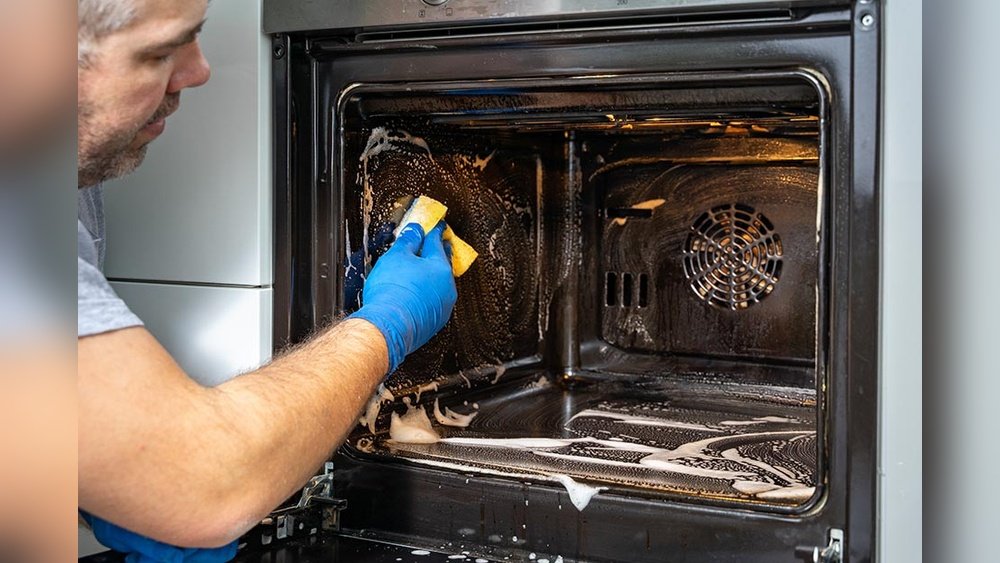
If you have ever opened your oven and found stubborn, black patches stuck on the walls, racks, or glass, you are not alone. These tough spots are baked-on carbon, and they can make your oven look dirty, smell bad, and even affect your food’s flavor. Many people try scrubbing with soap or a sponge, only to see the stains remain. The truth is, removing baked-on carbon from an oven takes the right approach, patience, and sometimes a little muscle.
In this guide, you will learn why carbon builds up, how to choose the best cleaning method, and step-by-step instructions for different types of ovens. You will also discover practical tips, safety advice, and solutions for common mistakes. By the end, you will know exactly how to make your oven shine again—without damaging it or spending a fortune.
What Is Baked-on Carbon And Why Does It Happen?
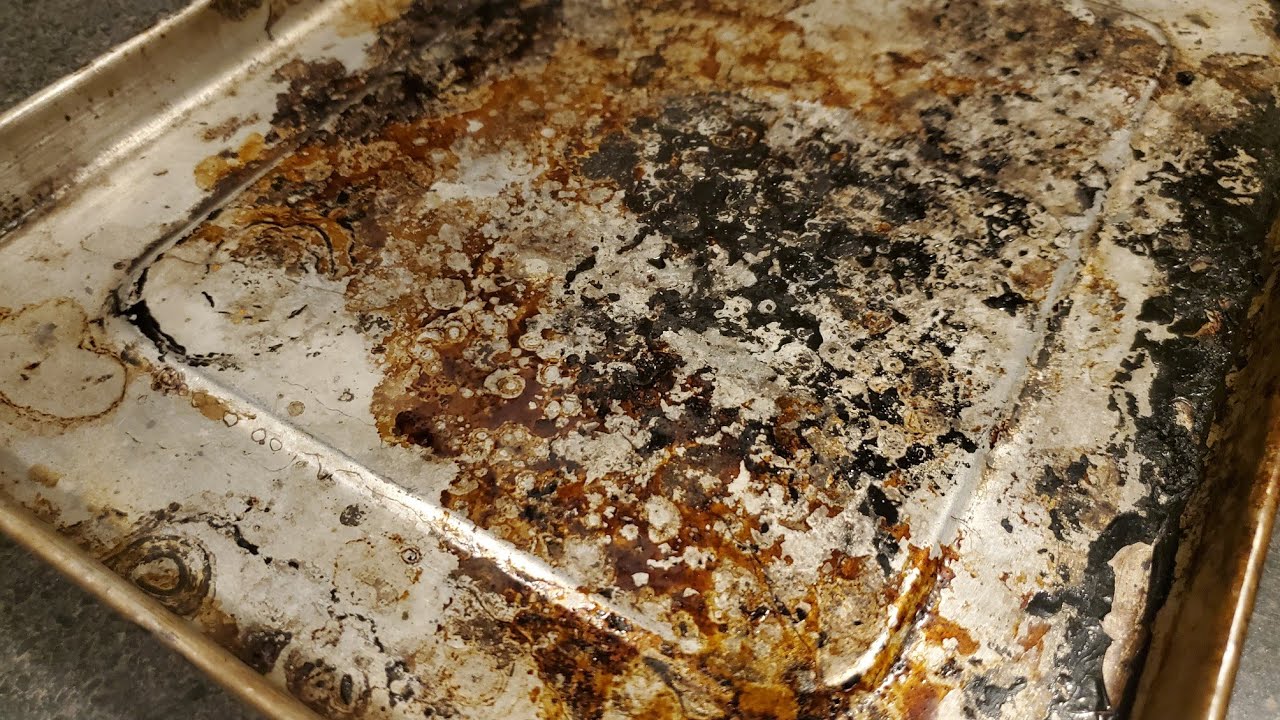
Baked-on carbon is a thick, black residue formed when grease, sugar, and food spill inside an oven and get exposed to high heat for a long time. Each time you use your oven, these leftovers burn a little more, turning into hard, carbonized patches.
This usually happens if:
- Food spills and is not wiped up right away
- Ovens are used often but cleaned rarely
- High temperatures are used without drip trays
Over time, the carbon becomes almost like glue. It can hold onto smells, make cleaning harder, and even lower the oven’s efficiency.
Why You Should Remove Baked-on Carbon
Many people ignore these dark spots, but they can cause problems:
- Bad smells: Burnt carbon can make your kitchen smell every time you bake.
- Smoke: Heavy carbon can produce smoke, setting off alarms and ruining food.
- Fire risk: In rare cases, too much carbon can catch fire at very high heat.
- Taste issues: Old carbon can change the taste of your fresh food.
- Uneven heating: Thick carbon can block heat, making food cook unevenly.
- Shorter oven life: Leaving carbon inside may damage oven parts over time.
Regular cleaning keeps your kitchen safer and your food tasting better.
Credit: www.homedepot.com
Choosing The Right Cleaning Method
Not all ovens and stains are the same. To remove baked-on carbon, you need to pick a method that matches your oven’s type, the stain’s size, and your own comfort level.
Factors To Consider
- Oven type: Is yours self-cleaning, standard, or convection?
- Surface material: Stainless steel, enamel, or glass?
- Severity: Small patches or thick layers?
- Allergies or sensitivities: Some cleaners have strong smells.
Main Methods
You can choose from several common ways:
- Manual scrubbing with tools and elbow grease
- Homemade cleaners using things like baking soda and vinegar
- Commercial oven cleaners for tough jobs
- Self-cleaning cycles (if your oven supports it)
- Professional cleaning for extreme buildup
Each method has pros and cons. The next sections cover each in detail.
Manual Cleaning: Step-by-step Guide
Manual cleaning means using your hands, simple tools, and common products. It is the safest method for most ovens, especially older models.
Supplies You Need
- Rubber gloves
- Plastic or silicone spatula
- Non-abrasive scrub pads
- Old toothbrush
- Baking soda
- White vinegar
- Warm water
- Microfiber cloths
- Spray bottle
Steps
- Turn off and cool down: Make sure the oven is unplugged and cool.
- Remove racks and trays: Take out anything loose.
- Mix baking soda paste: Combine 1/2 cup baking soda with a few tablespoons of water to make a thick paste.
- Apply paste: Spread the paste over carbon stains. Focus on thick spots.
- Let it sit: Leave the paste on for 8-12 hours (overnight is best).
- Scrape gently: Use a plastic spatula to lift the softened carbon. Avoid metal tools—they scratch surfaces.
- Spray vinegar: Fill a spray bottle with white vinegar. Spray it on the baking soda paste. It will fizz—this helps loosen carbon more.
- Wipe clean: Use a damp cloth to remove paste and loosened carbon.
- Repeat if needed: For tough spots, repeat the process or scrub gently with a toothbrush.
Practical Tips
- Use old towels under the oven door to catch drips.
- For oven racks, soak them in a bathtub with hot water and dish soap for a few hours before scrubbing.
- If stains remain, try a magic eraser pad (test on a small area first).
Credit: www.youtube.com
Using Homemade Natural Cleaners
Natural cleaners are safe, cheap, and easy to find. They are good for people sensitive to strong smells or chemicals.
Best Ingredients
- Baking soda: Softly abrasive, breaks down grease.
- White vinegar: Cuts through grime and deodorizes.
- Lemon juice: Mild acid, helps dissolve burnt spots.
- Salt: Extra grit for stubborn spots.
Homemade Oven Cleaner Recipe
- Mix 1/2 cup baking soda with 2 tablespoons salt.
- Add enough water to make a thick paste.
- Optionally, add 1-2 tablespoons lemon juice for a fresh scent.
- Spread on carbon stains, wait 8-12 hours, and scrub as described above.
Why It Works
Baking soda and vinegar work together to break down carbon. The fizzing reaction loosens dirt, making it easier to wipe away. Salt adds gentle scrubbing power without scratching.
Non-obvious Insight
Most people use only baking soda and water. Adding salt gives extra cleaning power—especially on thick, sticky patches.
Commercial Oven Cleaners: What You Need To Know
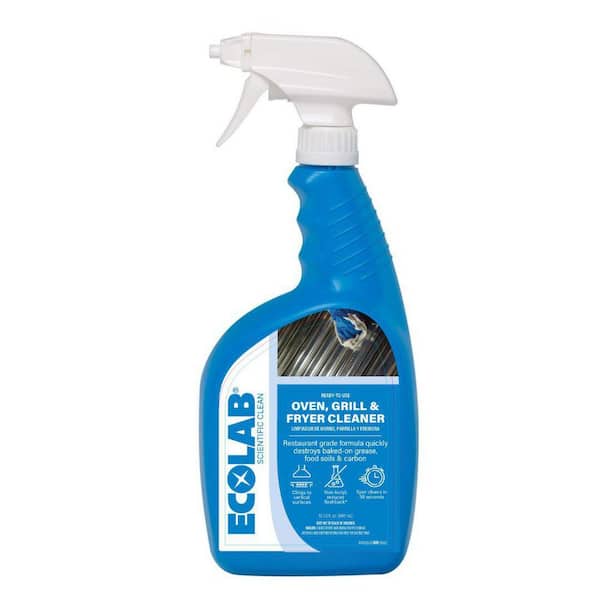
Commercial oven cleaners are strong chemical sprays or gels designed for deep cleaning. They work faster than natural solutions but must be used carefully.
Popular Products
- Easy-Off Heavy Duty
- Mr. Muscle Oven Cleaner
- Zep Heavy Duty Oven and Grill Cleaner
How To Use Safely
- Read the label: Follow all safety instructions.
- Ventilate: Open windows and turn on fans—fumes can be strong.
- Wear gloves: Some cleaners can burn skin.
- Remove racks: Clean them separately.
- Spray evenly: Cover only the stained areas.
- Wait: Let the cleaner sit (usually 20-30 minutes).
- Scrub: Use a non-metal brush or pad to lift carbon.
- Rinse well: Wipe surfaces multiple times with a damp cloth.
Caution
Never use commercial cleaners on self-cleaning ovens—they can damage the special lining.
Extra Tip
Test the cleaner on a small hidden area first. Some brands are too harsh for sensitive surfaces.
Self-cleaning Ovens: How To Use The Feature
Many modern ovens have a self-cleaning function. This feature heats the oven to about 900°F (480°C), turning food and carbon into ash you can wipe away.
Steps
- Check the manual: Find out if your oven is self-cleaning and read instructions.
- Remove racks and trays: Most cannot handle the extreme heat.
- Wipe loose debris: Remove as much as you can first.
- Close windows: The process may produce a burning smell.
- Start the cycle: Set the self-clean feature; it runs for 2-4 hours.
- Cool down: Wait until the oven is cool before opening.
- Wipe out ash: Use a damp cloth to remove the fine white ash left behind.
Why Use Caution
- The oven gets extremely hot—never open the door during the cycle.
- Pets and children should stay out of the kitchen.
- Some people report smoke or strong odors; ventilate if possible.
Not Obvious
Many owners forget to remove racks—this can warp or discolor them. Always take out anything not built for self-cleaning temperatures.
Professional Oven Cleaning Services
If your oven has years of buildup or you want a deep clean with zero effort, professional cleaning may be best.
What To Expect
- Experts use strong but safe products.
- They can remove doors, panels, and clean hidden spots.
- Most jobs take 1-2 hours.
- Costs range from $75 to $200 depending on oven size and location.
When To Choose This
- If you rent and want your deposit back
- If you have allergies or breathing issues
- If the carbon is extremely thick or sticky
What Professionals Offer
Many companies guarantee no odors, scratches, or residue. They often use tools and chemicals you cannot buy in stores.
Cleaning Different Oven Surfaces
Not all oven parts are made the same. Here is how to clean the main surfaces safely:
Oven Walls And Floor
- Use baking soda paste for enamel or porcelain.
- Avoid metal scrapers—they scratch.
- For stainless steel, go with a soft cloth and mild cleaner.
Oven Racks
- Soak in hot water and dish soap for at least 2 hours.
- Scrub with a brush or steel wool (safe for racks, not oven walls).
- Rinse and dry well before returning.
Oven Glass
- Spread baking soda paste on glass, let sit, then scrub with a non-abrasive pad.
- For tough stains, use a razor blade held at a 45-degree angle, gently scraping in one direction. Only use this on glass, never on plastic or enamel.
Oven Door Seals
- Wipe gently with a damp cloth.
- Never soak or use harsh chemicals—they can break down the rubber.
Comparison: Cleaning Methods By Surface
Here is a quick look at which method works best for each part:
| Oven Surface | Best Method | Tools to Avoid |
|---|---|---|
| Walls & Floor (Enamel) | Baking soda paste | Metal scrapers, steel wool |
| Stainless Steel | Mild cleaner, microfiber | Abrasive pads |
| Glass Door | Baking soda, razor blade | Hard brushes |
| Oven Racks | Hot water soak, brush | None (racks are sturdy) |
| Door Seals | Damp cloth | Strong chemicals |
Comparing Homemade Cleaners Vs. Commercial Products
If you are unsure which approach to try, use this comparison:
| Criteria | Homemade Cleaners | Commercial Cleaners |
|---|---|---|
| Cost | Low | Medium to High |
| Safety | Very safe | Requires care |
| Odor | Mild/Fresh | Strong/Chemical |
| Speed | Slower (overnight) | Fast (minutes) |
| Effectiveness | Good for mild-moderate | Best for heavy stains |
How Often Should You Clean Your Oven?
Cleaning frequency depends on how often you cook and what you make.
- Light use (1-2 times/week): Every 3-6 months
- Heavy use (baking/roasting often): Every 1-2 months
- After spills: As soon as possible
A quick wipe after each use prevents buildup, making deep cleaning easier later.
Safety Tips When Removing Baked-on Carbon
Never ignore safety. Even mild cleaners can cause irritation, and ovens have sharp edges.
- Always unplug or switch off the oven before cleaning.
- Wear gloves to protect your skin from chemicals and hot water.
- Ventilate: Open windows and run fans to clear fumes.
- Test cleaners on a small spot first.
- Never mix chemicals: Combining products like bleach and ammonia can release toxic gases.
- Avoid high pressure: Scrubbing too hard can scratch or damage surfaces.
- Keep kids and pets away during cleaning.
Mistakes To Avoid
Many people make cleaning harder by repeating common mistakes:
- Using metal tools that scratch and ruin oven surfaces
- Leaving racks inside during self-cleaning
- Using strong commercial cleaners on sensitive oven liners
- Skipping ventilation (fumes can be harmful)
- Mixing products (never combine commercial cleaners with homemade solutions)
- Ignoring door seals, which can cause leaks if damaged
Tackling Extreme Carbon Buildup
If your oven has not been cleaned in years, you may see very thick, tar-like carbon. Here is how to handle it:
Steps
- Remove as much loose debris as possible with a spatula.
- Soak the affected area with a baking soda paste for 24 hours.
- Lay a damp towel over the paste to keep it moist—this helps break down thick layers.
- Scrape gently, repeating as needed.
- For the worst spots, use a commercial cleaner or call a professional.
Non-obvious Insight
For old ovens, try gently warming the oven to 150-200°F for 10 minutes, then turning it off before applying cleaning paste. The mild heat can soften carbon, making it easier to remove.
Caring For Your Oven After Cleaning
Once the carbon is gone, keep your oven clean longer with these simple habits:
- Wipe spills right after cooking (when oven is cool).
- Use drip trays or baking sheets under food that might spill.
- Clean racks and glass every 2-3 uses.
- Avoid lining the oven floor with aluminum foil—this can trap heat and cause damage.
- Run a self-cleaning cycle every few months if your oven supports it.
When To Replace, Not Clean
In rare cases, baked-on carbon may have damaged your oven’s enamel, heating elements, or glass. If you notice:
- Deep cracks or chips in the lining
- Warped or pitted metal
- Door glass that will not come clean
It may be safer and more cost-effective to replace the damaged part or the oven itself.

Credit: www.amazon.com
Comparing Cost, Effort, And Results
To help you decide which method fits your needs, here is a side-by-side look:
| Method | Estimated Cost | Time Required | Effort Level | Results |
|---|---|---|---|---|
| Manual (Baking Soda) | $2-$5 | 8-12 hours (with wait time) | Moderate | Good for most stains |
| Commercial Cleaner | $6-$15 | 1-2 hours | Moderate | Excellent for heavy stains |
| Self-Cleaning Feature | Free | 2-4 hours | Very low | Excellent for most stains |
| Professional Service | $75-$200 | 1-2 hours | None | Best possible clean |
Common Questions And Myths
Some people worry that cleaning will harm their oven, or that certain products are unsafe. In reality, most modern ovens are designed to be cleaned. Just avoid harsh chemicals on sensitive parts, and always use gentle tools.
A common myth is that self-cleaning cycles are unsafe or damage ovens. In fact, they are designed for this purpose. Problems happen only if you leave racks in, or use the feature too often (more than once a month).
For More Information
If you want to know more about oven cleaning, maintenance, or safety, you can visit the official Consumer Reports Oven Cleaning Guide.
Frequently Asked Questions
How Often Should I Deep Clean My Oven?
Most people should deep clean their oven every 3-6 months. If you bake or roast often, aim for every 1-2 months. Clean spills and splatters right away to avoid tough buildup.
Can I Use Oven Cleaner On A Self-cleaning Oven?
No, you should never use commercial oven cleaners on self-cleaning ovens. The chemicals can damage the special lining. Instead, use the self-clean feature or mild baking soda paste.
Is It Safe To Use Aluminum Foil In My Oven?
It is not recommended to cover the oven floor with aluminum foil. It can trap heat, block airflow, and sometimes even damage the oven’s enamel. Use drip trays or baking sheets instead.
Why Does My Oven Still Smell After Cleaning?
If your oven smells after cleaning, you may not have removed all the residue. Wipe down all surfaces with a damp cloth, and run the oven empty at 400°F for 20 minutes to burn off any leftover cleaner. If the smell remains, check for hidden spills under the oven floor or in the door.
What If The Carbon Will Not Come Off?
For the toughest carbon, repeat the cleaning process or try a stronger commercial cleaner. You can also gently warm the oven before applying paste. If nothing works, consider hiring a professional service.
Cleaning baked-on carbon from your oven may seem like a big task, but with the right method and a little patience, you can restore your oven and enjoy better food, safer cooking, and a fresher kitchen. Remember to clean regularly, act quickly after spills, and always follow safety tips for the best results.