
Cooking with an Instant Pot has transformed kitchens around the world. This electric pressure cooker is fast, efficient, and makes delicious meals. But one part of the process often confuses both new and experienced users: releasing pressure naturally. If you want to master this step, you’re not alone. Many people struggle to understand when and how to use natural release, what makes it different from quick release, and why it matters for your food’s taste and safety.
This guide will help you understand everything about natural pressure release in the Instant Pot. You’ll learn what natural release is, how to do it, why it matters, and how it compares to other methods. I’ll explain each step with clear language, practical examples, and useful tables. You’ll also find answers to common questions and safety tips that many beginners miss. By the end, you’ll feel confident using natural release—making your cooking easier, safer, and tastier.
What Is Natural Pressure Release?
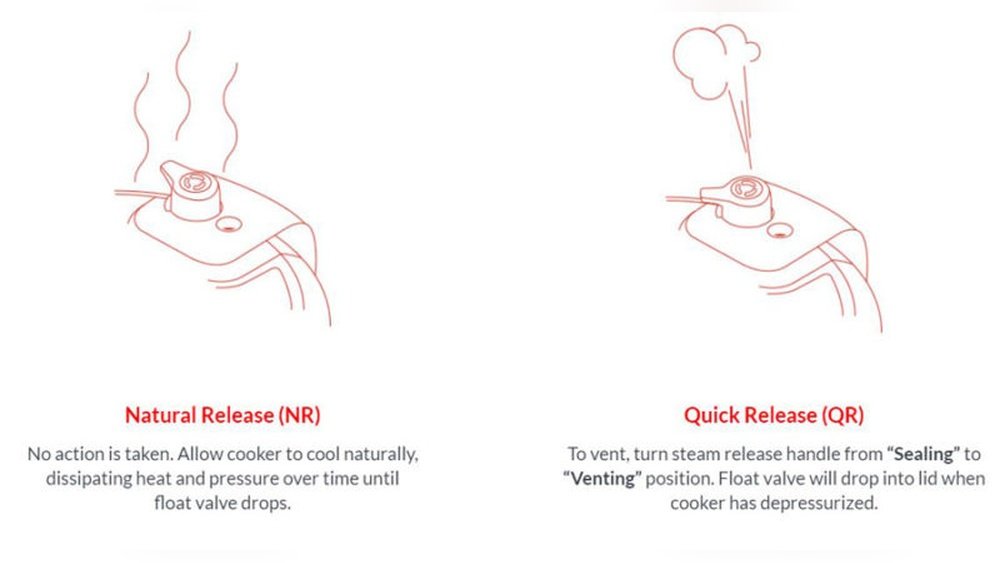
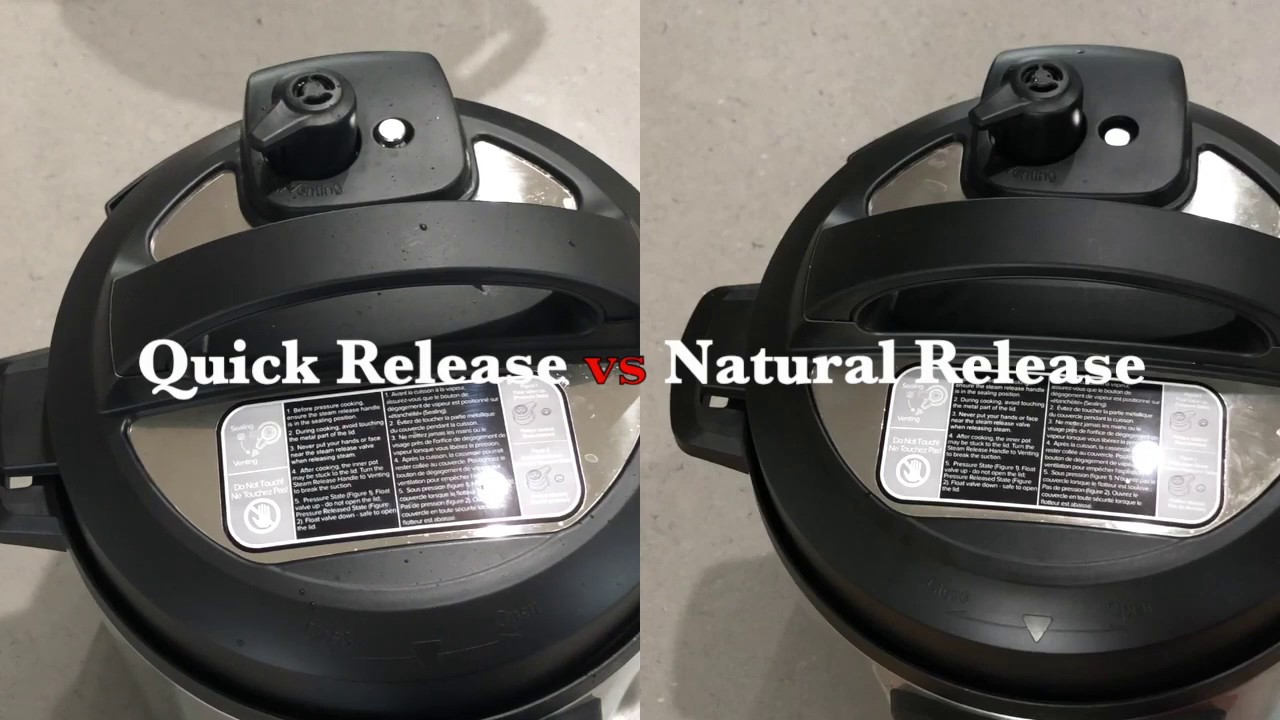
The Instant Pot uses steam pressure to cook food quickly. When cooking ends, the pressure inside must be released before you open the lid. There are two main ways: natural release and quick release. Natural release means letting the pressure drop on its own, without moving the steam valve. Quick release means turning the valve to let steam escape fast.
With natural release, the pressure slowly drops as the Instant Pot cools down. The steam condenses back into water, and the pressure falls. You don’t touch the cooker or turn the valve. This process can take from 10 to 40 minutes, depending on what you cooked and how much liquid is inside.
Natural release is often used for:
- Foods that need gentle cooking (like beans, soups, stews)
- Recipes with lots of liquid
- Foods that can foam or splatter (such as oatmeal or pasta)
- Meats that benefit from slow cooling
Quick release is used when you want to stop cooking immediately, like for vegetables or delicate foods.
Why Use Natural Release? Key Benefits
Natural release is not just about patience. It has several important benefits:
- Better Food Texture: Slow release means food keeps its shape. Beans don’t break, meat stays tender, and rice isn’t mushy.
- Safer Cooking: Opening the valve fast can cause hot steam or liquid to splatter. Natural release avoids this risk.
- More Flavor: Slow cooling lets flavors blend. Soups and stews taste richer.
- Less Mess: Foods that foam or froth (like oatmeal) don’t spill out.
- Preserves Nutrients: Rapid temperature changes can break nutrients. Natural release keeps more vitamins.
Many beginners skip natural release because it takes time. But if you want perfect results, it’s worth waiting. In fact, most Instant Pot recipes recommend natural release for certain dishes.
The Science Behind Natural Release
When the Instant Pot finishes cooking, the inside is under high pressure—often 10 to 15 psi (pounds per square inch). If you open the valve, steam rushes out, and the pressure drops fast. If you leave the cooker alone, the heat gradually lowers, and the pressure falls slowly.
Here’s what happens:
- Steam condenses as the temperature drops.
- Pressure falls naturally, without force.
- Some foods keep cooking during the release (this is called “carryover cooking”).
This process is like letting a boiling pot cool on its own. The food stays moist, and there’s less risk of splattering.
How To Do Natural Pressure Release: Step-by-step
Doing natural release is simple, but there are small details you must know. Here’s how to do it:
- Finish Cooking: Wait for the Instant Pot’s timer to beep. It will switch to “Keep Warm” mode unless you turn it off.
- Do Nothing: Leave the cooker untouched. Don’t turn the steam valve.
- Watch the Float Valve: The float valve (small metal pin on the lid) stays up while under pressure. When it drops down, pressure is gone.
- Wait Until Pressure Drops: This can take 10–40 minutes. For large pots or lots of liquid, it takes longer.
- Check the Lid: When the float valve drops, you can open the lid safely.
- Optional—Turn Off “Keep Warm”: If you want to stop cooking during natural release, press “Cancel.” This cools the pot faster.
Practical Example
If you cook a beef stew with 6 cups of liquid, natural release may take 25–30 minutes. For a small batch of rice with little water, it might take just 10–15 minutes.
When Should You Use Natural Release?
Choosing the right pressure release method is important. Here are situations where natural release is best:
- Soups and Stews: Lots of liquid means more steam. Natural release avoids splatter.
- Beans and Lentils: These can burst or split with quick release.
- Meat Dishes: Slow cooling makes meat tender.
- Foaming Foods: Oatmeal, pasta, potatoes—these foam and can clog the valve.
- Large Batches: More food means more steam, so natural release is safer.
For delicate vegetables or quick-cooking foods, quick release is better.
Natural Release Vs. Quick Release: Comparison Table
To help you see the difference, here’s a table comparing natural release and quick release:
| Feature | Natural Release | Quick Release |
|---|---|---|
| Speed | Slow (10–40 min) | Fast (seconds–2 min) |
| Safety | Less risk of splatter | More risk of burns/splatter |
| Food Texture | Gentle, keeps shape | Can break or mush food |
| Best For | Soups, stews, beans, meats | Vegetables, eggs, fish |
| Carryover Cooking | Yes (food keeps cooking) | No (cooking stops instantly) |
How Long Does Natural Release Take?
The time for natural release depends on:
- Amount of liquid: More liquid means more steam and longer release.
- Type of food: Dense foods hold heat longer.
- Size of Instant Pot: Larger models take more time.
Here’s a quick reference table:
| Food Type | Liquid Amount | Natural Release Time |
|---|---|---|
| Rice | 1–2 cups | 10–15 min |
| Beans | 3–4 cups | 18–25 min |
| Stew | 6–8 cups | 25–35 min |
| Meat | Varies | 20–30 min |
| Oatmeal | 2–3 cups | 15–20 min |
Tip: If you want to speed up natural release, you can turn off “Keep Warm” mode. This stops the pot from heating and cools it faster.
Partial Natural Release: Combining Methods
Some recipes use partial natural release. This means letting pressure drop for a set time (like 10 minutes), then finishing with quick release. This method gives you benefits of both: gentle cooling and faster cooking.
For example:
- Cook beans for 30 minutes.
- Let natural release for 15 minutes.
- Open valve for quick release.
Partial natural release is useful when you want to avoid overcooking but don’t want to wait a long time.
Credit: www.youtube.com
Common Mistakes With Natural Release
Many beginners make mistakes when using natural release. Here are some to watch out for:
- Opening the Lid Too Soon: If the float valve is still up, pressure is not gone. Wait until it drops.
- Switching to Quick Release Midway: This can cause splatter if food is foamy.
- Forgetting “Keep Warm” Is On: The pot stays hot, so release takes longer. Turn it off for faster cooling.
- Not Checking the Valve: Sometimes the valve sticks. Make sure it drops before opening.
- Ignoring Carryover Cooking: Food keeps cooking during natural release. Adjust your recipe if needed.
Safety Tips For Natural Pressure Release
Safety is important when using an Instant Pot. Follow these tips:
- Don’t touch the lid or valve during natural release. Wait until pressure is gone.
- Keep hands and face away from the cooker while opening.
- Check the float valve: If it drops, pressure is safe.
- If in doubt, wait longer. It’s better to wait than risk burns.
- Teach children and guests about Instant Pot safety.
Foods That Need Natural Release
Some foods must use natural release. Here are examples:
- Beans and lentils: They split or burst with quick release.
- Potatoes and root vegetables: They foam and can clog the valve.
- Soups and stews: Lots of liquid means more steam and risk of splatter.
- Large meat cuts: Slow cooling makes meat tender.
- Oatmeal and grains: Foaming is common.
Foods That Should Not Use Natural Release
Some foods are best with quick release:
- Vegetables: Overcooking makes them mushy.
- Fish and seafood: Delicate, need fast cooling.
- Eggs: Overcooked eggs turn rubbery.
Knowing which foods use which method is key. If unsure, check your recipe or Instant Pot manual.

Credit: www.pressurecookingtoday.com
Natural Release For Different Instant Pot Models
Instant Pot has several models: Duo, Ultra, Lux, and more. The basics of natural release are the same, but there are small differences.
- Duo Series: Float valve is visible; lid locks until pressure drops.
- Ultra Series: Digital screen shows when pressure is gone.
- Lux Series: Float valve is less visible; listen for the click.
No matter the model, always check the float valve before opening. Some advanced models have alarms or lights.
Troubleshooting Natural Release Issues
Sometimes natural release doesn’t go smoothly. Here’s how to fix common problems:
Steam Keeps Coming Out
If steam keeps escaping after cooking, check:
- Valve position: Make sure it’s in “Sealing.”
- Lid seal: Check for cracks.
- Float valve: It should stay up until pressure drops.
Float Valve Stuck
If the float valve doesn’t drop:
- Wait longer: Sometimes it takes more time.
- Tap gently: Use a wooden spoon to tap the lid.
- Check for debris: Clean the valve and lid.
Food Overcooked
If food is too soft:
- Adjust recipe: Use less cooking time or partial natural release.
- Turn off “Keep Warm”: Stops carryover cooking.
Food Undercooked
If food is still hard:
- Add more cooking time: Restart the Instant Pot.
- Use more liquid: Dry foods cook less evenly.
Cleaning After Natural Release
After using natural release, cleaning is easy:
- Let pot cool: Wait until it’s safe to touch.
- Remove inner pot: Wash with soap and water.
- Check valve and lid: Wipe away any residue.
- Inspect silicone ring: Remove and clean if needed.
Foaming foods may leave residue on the lid or valve. Clean these parts to avoid clogging.
Advanced Natural Release Techniques
Experienced Instant Pot users use tricks to make natural release faster or safer:
- Turn off “Keep Warm”: Stops heating, cools faster.
- Move the pot: Place on a cool surface (not recommended for glass tops).
- Partial natural release: Wait partway, then quick release.
- Cover the valve: Use a towel (only for quick release) to block splatter.
These techniques help when you need to balance time and food quality.
Natural Release With Accessories
If you use accessories (like steam racks, pans, or baskets), natural release works the same. But:
- More metal means slower cooling: Accessories hold heat.
- Food inside pans cooks slower: Adjust release time as needed.
If you use stacking pans, check each layer after opening.
Comparing Natural Release To Other Pressure Cookers
Instant Pot is not the only pressure cooker. Traditional stovetop cookers release pressure by cooling or opening the valve. Electric cookers (like Instant Pot) have safer lids and valves.
Here’s a comparison:
| Feature | Instant Pot Natural Release | Stovetop Cooker Natural Release |
|---|---|---|
| Ease of Use | Automatic, hands-off | Manual, must watch |
| Safety | Locking lid, float valve | Needs careful handling |
| Time | 10–40 min | 10–30 min |
| Carryover Cooking | Yes | Yes |
Instant Pot makes natural release easier and safer, especially for beginners.

Credit: www.youtube.com
Real-life Examples: Natural Release In Action
Let’s look at some real examples:
Cooking Beans
You cook 3 cups of dried beans with 4 cups of water. After cooking, you use natural release. The beans come out whole, soft, and not broken. If you quick release, some beans split or foam spills out.
Making Soup
You cook chicken soup with 6 cups of broth. Natural release keeps the soup clear and the meat tender. Quick release can make soup splash or turn cloudy.
Preparing Rice
You cook jasmine rice with 1. 5 cups of water. Natural release for 10 minutes keeps rice fluffy. Quick release can make rice sticky.
Tips For Faster Natural Release
Sometimes you want to speed up natural release. Here are tips:
- Turn off “Keep Warm”: Stops heating, cools faster.
- Use less liquid: Smaller recipes release faster.
- Partial natural release: Wait partway, then quick release.
- Place pot in cool spot: Not always safe—use caution.
Remember, speeding up release can change food texture.
How To Know When Natural Release Is Done
The easiest way is to watch the float valve. When it drops, pressure is gone. Some models beep or show a light. If unsure, wait a few more minutes.
If you hear a soft “click” and see the valve drop, it’s safe to open the lid.
Expert Insights: What Beginners Miss
Many people think natural release is just “waiting.” But here are two non-obvious insights:
- Carryover Cooking Changes Texture: Food keeps cooking during release. If you want firmer beans or veggies, use partial natural release.
- Liquid Amount Matters: More liquid means longer release. Adjust recipes to match your schedule.
Also, some foods (like meat) benefit from resting in the pot after natural release. This makes them more tender and juicy.
Instant Pot Manual Advice
Always check your Instant Pot manual. Some models have special settings or tips. For example, the Ultra model has a digital timer for natural release. The manual explains how to use these features.
If you want more details, visit the official Instant Pot site: Instant Pot Official Site.
Frequently Asked Questions
What Is Natural Pressure Release In An Instant Pot?
Natural pressure release means letting the pressure inside the Instant Pot fall on its own, without turning the steam valve. The cooker cools gradually, and pressure drops slowly. This method is safer and gives better food texture.
How Long Does Natural Release Take?
Natural release takes between 10 and 40 minutes, depending on the amount of liquid, type of food, and size of your Instant Pot. Beans and stews take longer, rice and small dishes are faster.
Can I Speed Up Natural Release?
You can turn off “Keep Warm” mode to cool the cooker faster. For even quicker results, use partial natural release—wait partway, then finish with quick release. But speeding up may change food texture.
Is Natural Release Safer Than Quick Release?
Yes, natural release is safer. The pressure drops slowly, and there’s less risk of burns or splatter. Quick release can cause hot steam or food to spray out.
What Foods Need Natural Release?
Foods that foam, have lots of liquid, or need gentle cooking—like beans, stews, meats, and oatmeal—are best with natural release. Delicate foods like vegetables or fish use quick release.
Cooking with an Instant Pot doesn’t have to be confusing. Understanding natural pressure release helps you make tastier, safer meals and keeps your kitchen mess-free. Once you master this step, you’ll enjoy more consistent results and learn to adjust recipes for your needs. Take your time, watch the float valve, and use natural release for foods that need gentle cooking. Your Instant Pot will become your best kitchen partner—making every meal easier and better.