
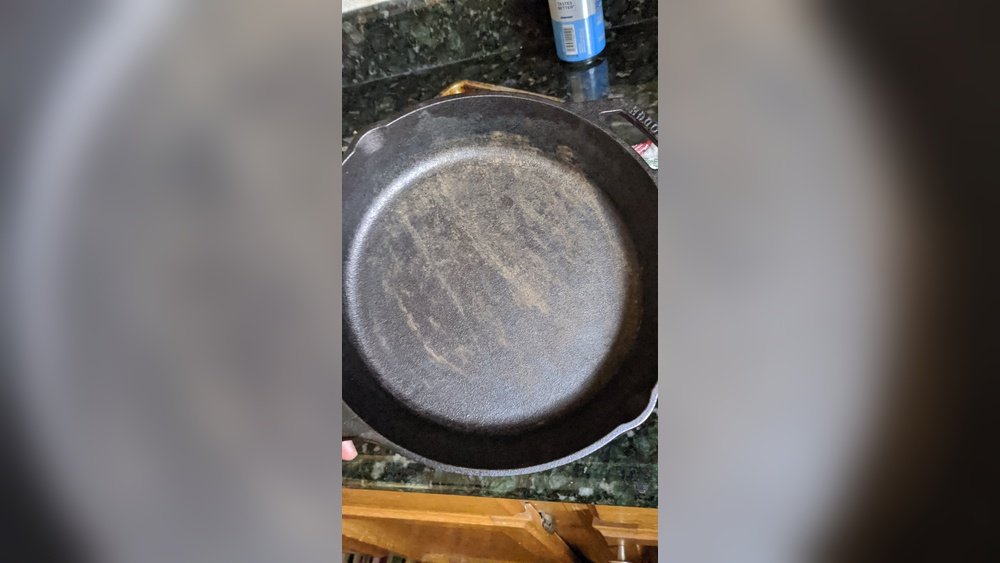
Cooking bacon in a cast iron skillet is a favorite ritual for many home cooks. The aroma, the sizzle, and the delicious results are hard to beat. But after the breakfast is over, you’re left with a messy pan: sticky bacon fat, bits of meat, and sometimes, a layer of blackened residue. For beginners, cleaning cast iron after bacon can feel intimidating. What if you ruin the seasoning? Can you use soap? How do you get rid of stubborn bits without damaging the pan?
This guide will help you clean your cast iron skillet after cooking bacon, step by step, without fear. You’ll learn not just the “how,” but also the “why” behind every step, so you can keep your skillet healthy, non-stick, and long-lasting.
Along the way, you’ll discover some practical tips even many experienced cast iron users miss.
Why Cleaning Cast Iron After Bacon Matters
Cast iron is unique. It’s not like stainless steel or non-stick pans. The surface of cast iron is covered with seasoning—a layer of polymerized oil that protects the metal and makes it non-stick. When you cook bacon, the fat from the pork helps build up this seasoning. However, leaving bacon grease or burnt bits in the pan can create sticky, rancid, or uneven surfaces. Over time, this can damage the seasoning and affect the taste of your food.
Proper cleaning does more than remove leftovers. It helps:
- Preserve the seasoning: Bacon fat is good, but only when managed right.
- Prevent rust: Cast iron rusts if left wet or with old food residue.
- Avoid unwanted flavors: Old bacon bits can turn sour or go rancid, ruining your next meal.
What You Need Before You Start
Cleaning cast iron is simple, but having the right tools makes a big difference. Here’s what you should have ready:
- Paper towels or lint-free cloths: For wiping out excess fat
- Plastic or wooden scraper: To remove stuck-on bits without scratching
- Coarse salt: Acts as a gentle abrasive for tough residue
- Soft-bristled brush or sponge: For gentle scrubbing
- Warm water: Never use cold water on hot cast iron (it can crack!)
- Tongs or gloves: To protect your hands from heat
- Neutral cooking oil (vegetable, canola, or flaxseed): For re-seasoning
Avoid harsh soaps, steel wool, or anything that strips the seasoning unless you’re planning to fully re-season your pan.
Step-by-step Guide: Cleaning Cast Iron After Cooking Bacon
Let’s walk through the process. Each step is important for a different reason. You’ll also find pro tips and common mistakes to avoid.
1. Let The Pan Cool Slightly (but Not Completely)
After cooking, cast iron holds heat very well. Don’t try to clean it while it’s scorching hot—you could burn yourself or crack the pan with cold water. Wait 5–10 minutes so it’s warm but not dangerously hot.
Pro Insight: Cleaning while the pan is still warm makes it much easier to remove bacon residue. As the fat cools, it solidifies and becomes harder to wipe away.
2. Pour Off Excess Bacon Grease
Tilt the skillet and pour the liquid bacon fat into a heat-proof jar or container. Don’t dump it down the sink—it can clog pipes. Many people save bacon grease for cooking because it adds rich flavor to other dishes.
Non-obvious tip: If you want to reuse bacon grease, strain out any food particles before storing. Food bits can make the fat spoil faster.
3. Wipe Out Loose Bits And Grease
Use paper towels or a lint-free cloth to wipe out as much grease and loose debris as possible. Be thorough, but don’t worry about stuck-on bits yet.
Mistake to Avoid: Don’t use colored cloths that shed fibers. These can stick to the seasoning and be hard to remove.
4. Scrape Off Stuck-on Bacon Residue
Some bacon pieces may stick to the pan. Use a plastic or wooden scraper to gently lift off these bits. Scrape in small circles or in the direction of the stuck food.
Why not metal? Metal scrapers can scratch or gouge the seasoning layer, making your pan less non-stick over time.
5. Sprinkle Coarse Salt For Scrubbing (if Needed)
If you see stubborn, sticky residue, sprinkle a tablespoon of coarse salt (kosher or sea salt) onto the pan. The salt works like a gentle scrub that won’t harm the seasoning.
Use a damp paper towel, sponge, or soft brush to scrub the pan with the salt. Focus on areas with stuck-on food. After scrubbing, wipe out the salt and debris.
Hidden benefit: Salt also helps absorb leftover grease and odors.
6. Rinse With Warm Water
Rinse the skillet under warm running water. This washes away any remaining salt, food particles, and fat. Use a soft brush or sponge to help loosen anything left.
- Never soak your cast iron in water. Extended exposure can cause rust.
- Avoid dish soap unless your pan is very greasy or you’re about to re-season it. A small amount of mild soap is safe for occasional use, but not necessary most of the time.
7. Dry Immediately And Completely
Water is the enemy of cast iron. After rinsing, dry your skillet right away with paper towels or a dry cloth.
For extra safety, set the pan on a burner over low heat for 2–3 minutes. This evaporates any hidden moisture.
Non-obvious insight: Even a few drops of water left in the pan can create rust spots overnight.
8. Re-season Lightly
Once the pan is dry, add a few drops of neutral oil. Use a paper towel to rub the oil over the entire surface, inside and out. Wipe away any excess so the pan looks dry, not greasy.
Heat the pan on the stove for a minute or two, just until it starts to smoke lightly. This helps the oil bond with the surface.
Why do this? Each cleaning removes a little seasoning. Re-applying oil keeps your skillet non-stick and rust-proof.
9. Store Your Skillet Properly
Store your cast iron skillet in a dry place. If you stack it with other pans, place a paper towel between them to absorb moisture and prevent scratches.
Extra tip: If your kitchen is humid, leave the lid off or prop it open so air can circulate.
Common Mistakes To Avoid When Cleaning Cast Iron After Bacon
Even experienced cooks can make errors with cast iron care. Here are some to watch out for:
- Using harsh soaps or detergents: These can strip away years of seasoning.
- Letting the pan air dry: Water left on cast iron can cause rust quickly.
- Not removing all food bits: Leftover food can become sticky or rancid.
- Skipping the oiling step: This leads to a dull, sticky, or rusty surface.
- Soaking the pan: Prolonged water exposure is bad for cast iron.
Credit: www.reddit.com
Comparing Cleaning Methods: Salt Scrub Vs. Water Only Vs. Soap
It’s easy to get confused by different cleaning advice. Here’s a quick comparison of the three most common methods.
| Method | Pros | Cons | When to Use |
|---|---|---|---|
| Salt Scrub | Gentle, effective on stuck-on food, preserves seasoning | Need coarse salt, can be messy | Stubborn residue, regular maintenance |
| Water Only | Quick, no extra materials needed | May not remove all food, must dry quickly | Light cleaning after bacon |
| Soap | Removes odors, effective on grease | May weaken seasoning if overused | Occasional deep clean, before re-seasoning |
How Bacon Cooking Affects Cast Iron Seasoning
Bacon is often seen as a “friend” to cast iron. The fat helps build up a tough, non-stick surface. But there’s a balance:
- Good: Bacon fat fills tiny pores in the iron, creating a smooth, black patina.
- Bad: Burnt bacon bits or too much leftover grease can make the surface sticky or uneven.
Over time, regular bacon cooking can actually improve your skillet’s seasoning—as long as you clean it properly after each use. If you notice sticky patches or flaking, it’s a sign you may need to adjust your cleaning routine.
Example: New Vs. Well-seasoned Skillet
A new skillet may look gray or spotty after the first few uses. After repeated bacon cooking and proper care, it should turn a deep, shiny black.
| Skillet Age | Appearance | Non-Stick Performance |
|---|---|---|
| Brand New | Gray, matte, rough | Food may stick |
| After 10 Bacon Uses | Darker, smoother, some shine | Less sticking, easier to clean |
| Heavily Seasoned | Jet black, glossy | Excellent non-stick, easy wipe-out |
Credit: www.reddit.com
Dealing With Tough Problems: Burnt-on Bacon, Rust, And Sticky Residue
Sometimes, things don’t go as planned. Maybe you walked away and the bacon burned. Maybe you forgot to oil the pan last time and now it’s rusty. Don’t worry—these problems can be fixed.
Burnt-on Bacon
- Fill the pan with a little water and bring to a gentle simmer for a few minutes.
- Use a wooden spoon to scrape up the burnt bits.
- Pour out the water, dry, and repeat the normal cleaning steps.
- If needed, use a salt scrub afterward.
Tip: Avoid boiling water in cast iron often. It’s only for emergencies.
Rust
- Scrub the rusty area with steel wool or a stiff brush.
- Rinse and dry well.
- Rub with oil and bake the pan upside down in a 400°F oven for 1 hour.
- Repeat if needed.
Fact: Small rust spots are common and not the end of your skillet’s life.
Sticky Residue
- This usually means too much oil was left after seasoning.
- Wash with a tiny bit of soap.
- Dry and re-season with a very thin layer of oil.
Pro Insight: Always wipe off excess oil before storing. A shiny, dry surface is ideal.
Tips For Maintaining Cast Iron After Cooking Bacon
Regular care means less work each time. Here’s how to keep your skillet in top shape:
- Clean after every use: Don’t let food sit overnight.
- Use enough fat when cooking: This protects the seasoning.
- Store in a dry place: Humidity causes rust.
- Re-season if needed: If food starts to stick, bake a thin layer of oil onto the pan.
- Avoid acidic foods: Tomatoes or vinegar can strip seasoning if left for long periods.
Non-obvious tip: If you cook bacon daily, your skillet may need less added oil for seasoning. Bacon fat alone can keep the surface in great shape.
How Cast Iron Compares To Other Pans After Bacon
Wondering why all this effort? Here’s how cast iron compares to other common materials when cleaning up bacon grease:
| Pan Type | Cleaning Difficulty | Flavor Impact | Durability |
|---|---|---|---|
| Cast Iron | Medium (requires special care) | Improves with use | Lasts decades |
| Non-stick | Easy | No flavor buildup | Wears out in 2–5 years |
| Stainless Steel | Can be tough (bacon sticks) | No flavor buildup | Very durable |
Myths About Cleaning Cast Iron After Bacon
There’s a lot of bad advice out there. Let’s clear up a few myths:
- Myth: You can never use soap on cast iron.
- Small amounts of mild soap are safe occasionally, especially with modern dish detergents.
- Myth: Cast iron should always be shiny with oil.
- The ideal finish is dry and glossy, not oily or sticky.
- Myth: You must re-season after every use.
- A thin wipe of oil is enough for daily care. Full oven seasoning is needed only if the pan becomes dull or patchy.
- Myth: Rust means your pan is ruined.
- Rust can be scrubbed away and the pan re-seasoned.
Non-obvious insight: The best sign of a healthy skillet is a smooth, black, non-stick surface that looks dry—not greasy.
How To Save And Use Bacon Grease From Cast Iron
Saving bacon grease is a time-honored tradition. Here’s how to do it safely:
- After cooking, carefully pour the hot bacon fat through a fine mesh strainer into a glass jar.
- Let it cool and solidify.
- Store in the refrigerator for up to 3 months.
Uses: Fry eggs, sauté vegetables, or add to beans for extra flavor. Just remember that bacon grease is salty and smoky, so use sparingly.
Safety tip: Always strain out food bits to prevent spoilage.
When To Fully Re-season Your Cast Iron After Bacon
Daily bacon cooking often keeps your pan well-seasoned. But if you notice:
- Food sticking badly
- Dull, patchy, or rusty areas
- A sour smell that won’t wash away
…it’s time for a deeper treatment.
How to re-season:
- Scrub the pan clean and dry.
- Apply a thin layer of oil all over.
- Bake upside down in a 400°F oven for 1 hour.
- Cool in the oven, then wipe away excess oil.
Do this 2–3 times for best results.
The Science Behind Cast Iron’s Non-stick Magic
Cast iron’s non-stick power comes from seasoning—not from a factory coating, but from layers of oil heated until they turn into a hard, plastic-like film.
When you cook bacon, the fat breaks down and bonds to the pan’s surface. Over time, these layers build up, filling tiny gaps and making the surface smooth.
Expert insight: Cooking fatty foods like bacon is one of the fastest ways to develop a great non-stick layer.
For more on the science of seasoning, see this detailed explanation.
Frequently Asked Questions
How Often Should I Clean Cast Iron After Cooking Bacon?
You should clean your skillet after every use. Letting bacon residue sit overnight can make it harder to remove and may harm the seasoning.
Can I Use Soap On My Cast Iron Skillet After Bacon?
A small amount of mild dish soap is safe for occasional use, especially if your pan is very greasy. Just rinse well and re-oil afterward.
What Should I Do If My Skillet Smells Bad After Cleaning?
A sour or rancid smell means leftover grease has gone bad. Wash the pan well, dry it, and heat it with a little oil to refresh the seasoning.
Is It Safe To Cook Eggs Right After Bacon In Cast Iron?
Yes! In fact, eggs often slide off easily after bacon. Just pour off excess grease and wipe out any burnt bits before cooking eggs.
How Do I Prevent Rust On My Skillet After Cleaning Bacon?
Always dry your skillet thoroughly and apply a thin layer of oil before storing. Never let water sit in the pan, and store it in a dry place.
Cleaning cast iron after cooking bacon may seem tricky at first, but with these steps, you’ll keep your skillet in top condition for years. Remember, every time you cook and care for your cast iron, you’re building a better, more reliable pan—one that could last for generations.
Enjoy your bacon, and enjoy the confidence that comes from understanding your tools inside and out.

Credit: www.reddit.com