
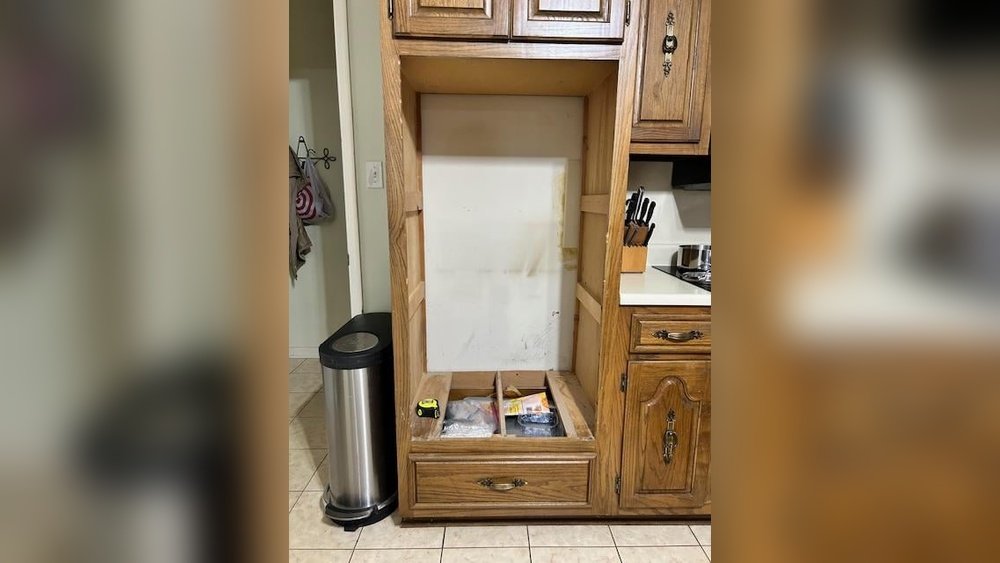
Modifying a wall oven cabinet is a project that can completely change the look and function of your kitchen. Maybe you want to upgrade to a newer, bigger oven. Or perhaps you want to change the cabinet style to match your other kitchen updates.
Whatever the reason, this is not a job to rush. A wall oven cabinet is a structural part of your kitchen, and the oven itself is a heavy, expensive appliance. Doing it right means your kitchen will be safer, look better, and work more smoothly for years to come.
Many homeowners think modifying a wall oven cabinet is only for professionals. In truth, if you have some DIY experience and basic tools, you can handle most parts yourself. But there are important details to get right, and a few steps where you may want an expert’s help—especially with electricity or gas.
This guide will walk you through the process, from planning and measuring to finishing touches, so you can approach the job with confidence.
Understanding Wall Oven Cabinets
Before making any changes, it’s important to know what makes wall oven cabinets unique. Unlike regular kitchen cabinets, wall oven cabinets are designed to hold a lot of weight and handle heat. They also have specific cutouts and supports for your oven model.
Wall oven cabinets come in different sizes and configurations. Some ovens are single, others are double, and there are also microwave-oven combos. The typical height is between 60 and 84 inches, with widths of 24, 27, or 30 inches being most common.
Depth varies but is usually around 24 inches.
A wall oven cabinet must also allow for:
- Ventilation: Ovens need airflow to avoid overheating.
- Electrical or Gas Connections: These must be accessible for installation and future servicing.
- Clearances: There are minimum space requirements for safety and to let the oven door open fully.
Knowing these facts helps you plan your modification, avoid common mistakes, and ensure your oven will fit and function safely.
Reasons To Modify A Wall Oven Cabinet
People decide to modify their wall oven cabinets for many reasons. Understanding your goal helps you make the right choices during the project.
- Upgrading to a New Oven: New ovens may be larger, smaller, or a different shape.
- Changing Cabinet Style: You may want a new finish, door style, or matching look.
- Repairing Damage: Over time, heat and weight can damage the cabinet.
- Adding Functionality: Some want to add drawers, shelves, or extra storage.
- Improving Accessibility: Making the oven easier to reach or safer for children or people with mobility issues.
Each goal can affect how much work is involved. For example, moving from a single to a double oven means major changes, while updating the trim or doors is simpler.
Planning Your Modification
A successful wall oven cabinet modification starts with careful planning. Skipping this step is one of the biggest beginner mistakes. Take your time here—it saves headaches later.
Measure Twice, Cut Once
Accurate measurements are everything. Write down the following:
- Current cabinet width, height, and depth
- Existing oven’s dimensions (including trim)
- Space above, below, and around the oven
- Door swing clearance
- Size of the oven opening (cutout)
Compare these to the manufacturer’s specs for your new oven. Look for words like “cutout dimensions” and “cabinet requirements” in the manual or on the manufacturer’s website.
Check Your Utilities
Is your oven electric or gas? What voltage does it require (120V, 240V)? Is there a dedicated circuit breaker? For gas, note the position of the line and shutoff valve. You may need to move or extend connections.
Plan For Structure
Wall oven cabinets support heavy weight—sometimes over 200 pounds. Check that your cabinet sides, bottom, and back are sturdy. If you see sagging, cracks, or particleboard that’s swollen, plan to reinforce or replace these parts.
Budget And Timeline
List out all needed materials, tools, and possible professional help (like electricians). Set a realistic budget. Wall oven cabinet modifications can range from $100 for simple trim changes to over $2,000 for full cabinet replacement.
Tools And Materials Needed
Having everything ready before you start prevents delays. Some tools are basic; others are more specialized.
Common tools:
- Tape measure
- Level
- Drill/driver set
- Jigsaw or circular saw
- Screwdrivers
- Pry bar
- Carpenter’s square
- Clamps
Optional but helpful:
- Oscillating multi-tool (for precise cuts)
- Stud finder
- Shop vacuum
- Wood glue
Materials:
- Matching plywood or MDF panels
- Cabinet trim
- Screws (wood and sheet metal)
- Shims
- Wood filler or caulk
- Paint or stain (if refinishing)
- Safety gear (gloves, goggles, dust mask)
Order custom panels or trim early—these can take time to arrive.

Credit: lifeofthelorenzens.blogspot.com
Safety Precautions
Safety should never be an afterthought. Wall ovens are heavy, and working with electricity or gas is dangerous if done wrong.
- Turn off power at the breaker before removing or installing an oven.
- Shut off gas supply if your oven uses gas.
- Use sturdy supports when moving the oven—never rely on one person.
- Wear safety glasses and gloves when cutting or removing old materials.
- If you’re unsure about electrical or gas work, hire a licensed professional.
Never skip these steps—saving a few minutes is not worth a serious accident.
Removing The Existing Wall Oven
Most modifications start by taking out the old oven. This can be tricky because ovens are heavy and often fit very tightly.
- Disconnect Power and Gas: Turn off the circuit breaker and gas supply.
- Open the Oven Door: Remove any racks and trays.
- Remove Mounting Screws: These are usually inside the oven frame, holding it to the cabinet.
- Slide Out the Oven: With help, carefully pull the oven forward. Support it as you go—never let it hang by the wires or gas line.
- Disconnect Wires or Gas Line: Label wires before disconnecting. For gas, use two wrenches and check for leaks later.
- Set Oven Aside: Place on a padded surface to avoid damage.
Take photos as you go. They help when installing the new oven.
Modifying The Cabinet Opening
Once the oven is out, you’ll see the cabinet cutout. The changes you make depend on your goal.
Making The Opening Larger
If your new oven is bigger, you’ll need to expand the cutout. This can be stressful, but it’s manageable with patience.
- Mark the new cutout outline with a pencil and level.
- Remove any shelves, dividers, or trim in the way.
- Use a jigsaw or multi-tool to cut along the lines. Go slowly to avoid splintering.
- For double ovens, check if you need to reinforce the cabinet sides or bottom.
- Test-fit the oven (or a cardboard template) before finalizing cuts.
Be careful not to cut through electrical wires or plumbing hidden in the walls.
Making The Opening Smaller
If your oven is smaller, you’ll need to “fill in” the space.
- Add strips of plywood or MDF to the sides, top, or bottom as needed.
- Secure with screws from inside the cabinet.
- Use wood filler to smooth seams, then sand.
- Attach matching trim to cover gaps.
A common mistake is not accounting for oven trim pieces, which can hide small gaps.
Reinforcing The Structure
Wall ovens need strong support. If the bottom panel is weak or sagging:
- Add a new plywood base, at least 3/4-inch thick.
- Secure to cabinet sides with screws and wood glue.
- Use shims to level.
For tall cabinets, check that the sides are straight and not pulling apart. Add angle brackets inside for extra strength.
Adjusting For Ventilation
Modern ovens often need more airflow than older models. Check your oven’s manual for venting requirements.
- Cut ventilation holes in the cabinet as needed (often at the top or bottom).
- Add wire mesh to keep out dust and pests.
Lack of proper venting can cause your oven to overheat and even void the warranty.
Electrical And Gas Modifications
This is the most technical part of the job. Safety is key.
Electrical
- Check if your new oven needs a different voltage or breaker size.
- Install a new junction box if the old one is damaged.
- Run new wiring if needed, following code.
- All connections must be inside a covered box—never loose behind the oven.
A common beginner mistake is reusing old wiring that doesn’t meet current codes. This can be a fire hazard.
Gas
- If moving the oven, the gas line may need extending.
- Use only pipe rated for gas (usually black steel).
- Check all connections with soapy water for leaks after turning on gas.
If you’re not confident, this is the time to call a pro.
Installing The New Oven
Now the cabinet is ready. Bring your new oven into the kitchen, but do not rush the installation.
- Test the Fit: Slide the oven (or a template) into the opening. Check for rubbing or tight spots.
- Connect Power and Gas: Attach wires or gas line, following the manual closely.
- Secure the Oven: Use the provided screws and mounting brackets. The oven should not shift or tilt.
- Reinstall Trim and Doors: Attach any decorative trim, shelves, or doors.
- Test the Oven: Turn on power and gas. Run the oven for 10-15 minutes to check for problems.
If anything feels off—strange noises, smells, or loose panels—stop and check your work.
Finishing The Cabinet
The final look matters as much as the function. Here’s how to make your modification look professional.
Filling Gaps
Even with careful measuring, small gaps may appear around the oven.
- Use wood filler or caulk for small gaps (less than 1/4 inch).
- For larger gaps, install matching trim or scribe molding.
Painting Or Staining
If you patched or added new wood, finish it to match the rest of the cabinet.
- Sand all surfaces smooth.
- Prime if painting raw wood.
- Apply paint or stain in thin coats, letting each dry fully.
- Use painter’s tape for clean lines.
Reattaching Doors Or Drawers
If you removed cabinet doors or drawers, reinstall them now. Adjust hinges so they hang straight and close fully.
Cleaning Up
Vacuum all dust and debris. Wipe down the oven and surrounding cabinets.
A neat finish makes your project look like it was done by a pro, not a DIY job.
Common Challenges And Solutions
Even careful planners run into problems. Here are some real-world examples and fixes.
The Oven Won’t Fit
Check for hidden screws, wires, or pipes in the cabinet. Shave a little off the opening with a sander or multi-tool, not a saw.
Gaps Around The Oven
Order custom trim pieces from the oven manufacturer or use scribe molding. Painting the wall behind the oven a dark color can also help hide small gaps.
Cabinet Sags After Installation
Add a supporting bracket under the oven or inside the cabinet. For severe sagging, you may need to rebuild the base with new plywood.
Door Hits The Oven
If the oven door interferes with cabinet doors or drawers, adjust their position or trim the edges.
Poor Oven Performance
Check for blocked vents or insufficient electrical supply. An oven that heats slowly or unevenly is often caused by wiring issues or poor ventilation.
When To Call A Professional
Some parts of wall oven cabinet modification are best left to experts.
- Electrical or Gas Work: If you’re not licensed and experienced.
- Major Structural Changes: Removing load-bearing walls or supports.
- Custom Cabinet Builds: For a seamless, factory look.
Hiring a pro costs more, but can save you from costly mistakes and ensure your oven is safe to use.
Cost Comparison: Diy Vs. Professional
How much does it cost to modify a wall oven cabinet? Here’s a comparison for a typical project.
| Task | DIY Cost (USD) | Professional Cost (USD) |
|---|---|---|
| Basic trim/finish change | $100–$300 | $300–$700 |
| Resizing cabinet opening | $200–$500 | $600–$1,200 |
| Reinforcing structure | $150–$400 | $400–$1,000 |
| Electrical/gas work | $0–$200 | $200–$800 |
| Full cabinet replacement | $500–$1,000 | $1,500–$2,500 |
Remember, mistakes in electrical or gas work can cost much more in the long run.
Step-by-step Example: Modifying For A Larger Oven
Let’s walk through a real-world example: upgrading from a 27-inch single oven to a 30-inch double oven.
- Measure the new oven’s cutout requirements.
- Remove the old oven (see steps above).
- Mark the new opening size on the cabinet.
- Cut away the cabinet sides and top to widen the opening.
- Add plywood strips to reinforce the cabinet sides.
- Install a new bottom panel strong enough for a double oven.
- Adjust wiring for higher power needs (usually 240V, 40A).
- Cut extra ventilation holes at top and bottom.
- Test-fit the oven. Sand or trim if needed.
- Connect wiring, slide in the oven, and secure with brackets.
- Fill gaps with trim or scribe molding.
- Paint or stain new surfaces to match.
- Test the oven for 20 minutes.
This process can take 1–2 full days for a DIYer. Many people find that the structural and electrical work are the most challenging steps.
Table: Common Wall Oven Sizes And Their Cutout Requirements
Knowing standard sizes helps you plan better. Here is a comparison of common wall oven sizes.
| Oven Size (inches) | Typical Cutout Width | Typical Cutout Height | Typical Cutout Depth |
|---|---|---|---|
| 24 | 22-1/2″ to 23″ | 27″ to 28″ | 23″ to 24″ |
| 27 | 25″ to 25-1/4″ | 27-5/8″ to 28-1/8″ | 23″ to 24″ |
| 30 | 28-1/2″ to 28-5/8″ | 27-1/4″ to 28″ | 23″ to 24″ |
| 30 (Double) | 28-1/2″ to 28-5/8″ | 50-1/4″ to 51″ | 23″ to 24″ |
Always check the oven’s manual for the exact dimensions required.
Expert Tips For A Flawless Modification
Here are insights that even experienced DIYers sometimes miss:
- Check for hidden supports: Some cabinets have hidden metal or wood braces. Cutting these can weaken the structure.
- Allow for oven trim: Most ovens have a trim piece that covers small gaps. Do not make your opening too tight—leave 1/8 to 1/4 inch extra.
- Test electrical outlets: Use a multimeter to ensure the outlet is working before installing the oven.
- Pre-paint or stain panels: It’s easier to finish panels before installation, not after.
- Label everything: When removing wires or panels, label them for easier reassembly.
- Keep all receipts and manuals: For warranty and future repairs.

Credit: rtawoodcabinets.com
Real-world Example: Matching Old Cabinet Finishes
If your cabinets are older, matching new wood or paint can be tricky. Take a drawer or door to a paint store for a custom color match. For wood grain, buy veneer panels that match your existing cabinet species (oak, maple, etc.
).
Many homeowners overlook the finish, but it’s what you see every day.
Maintenance After Modification
Once your new oven and cabinet are in place, a little maintenance keeps things looking and working great.
- Check screws and supports every six months.
- Clean vents and trim regularly to avoid dust buildup.
- Inspect for cracks or movement after heavy use (like holidays).
- Touch up paint or stain as needed.
Taking care of your cabinet now prevents problems down the line.
Table: Checklist Before Installing The Oven
Before sliding your oven into the modified cabinet, use this checklist.
| Task | Checked? |
|---|---|
| Cabinet opening matches oven specs | |
| Electrical or gas connections ready | |
| Ventilation holes cut and clear | |
| Cabinet structure reinforced as needed | |
| All new wood painted or stained | |
| Trim pieces ready for installation | |
| Oven tested outside cabinet (if possible) |
Checking these items prevents last-minute surprises.
Frequently Asked Questions
How Do I Know If My Wall Oven Cabinet Can Hold A Heavier Oven?
Most wall oven cabinets are designed for heavy loads, but older cabinets may weaken over time. Check for sagging, cracks, or soft spots. Reinforce with new plywood or metal brackets if you’re installing a double oven or a model over 200 pounds.
If you’re unsure, ask a cabinetmaker or contractor to inspect it.
Can I Modify A Cabinet For A Different Oven Brand Or Model?
Yes, but you must follow the new oven’s installation manual. Each brand may have different cutout requirements, venting needs, and electrical specs. Don’t rely on “standard” sizes—measure carefully and adjust the cabinet as needed. Never force an oven into a space that is too small.
Do I Need A Permit For Electrical Or Gas Work?
In most areas, yes. Modifying electrical wiring or gas lines usually requires a permit and inspection. This ensures safety and meets code. Check your city’s building department rules. Doing work without a permit can void your homeowner’s insurance.
What’s The Best Way To Hide Gaps After Modifying The Cabinet?
Use matching trim, scribe molding, or filler strips. Many oven manufacturers sell trim kits for this purpose. For small gaps, wood filler and caulk work well. Paint or stain to match your existing cabinets for a seamless look.
Where Can I Find Official Cabinet Cutout Dimensions For My Oven?
The best source is your oven’s installation manual, available from the manufacturer. You can also find cutout specs on the manufacturer’s website or in kitchen design guides. For more examples, see GE Appliances.
Making changes to a wall oven cabinet is a big project, but with good planning and attention to detail, you can achieve a kitchen that looks great and works even better. Take your time, use the right tools, and don’t hesitate to call for help when needed.
Your kitchen—and your safety—are worth the effort.
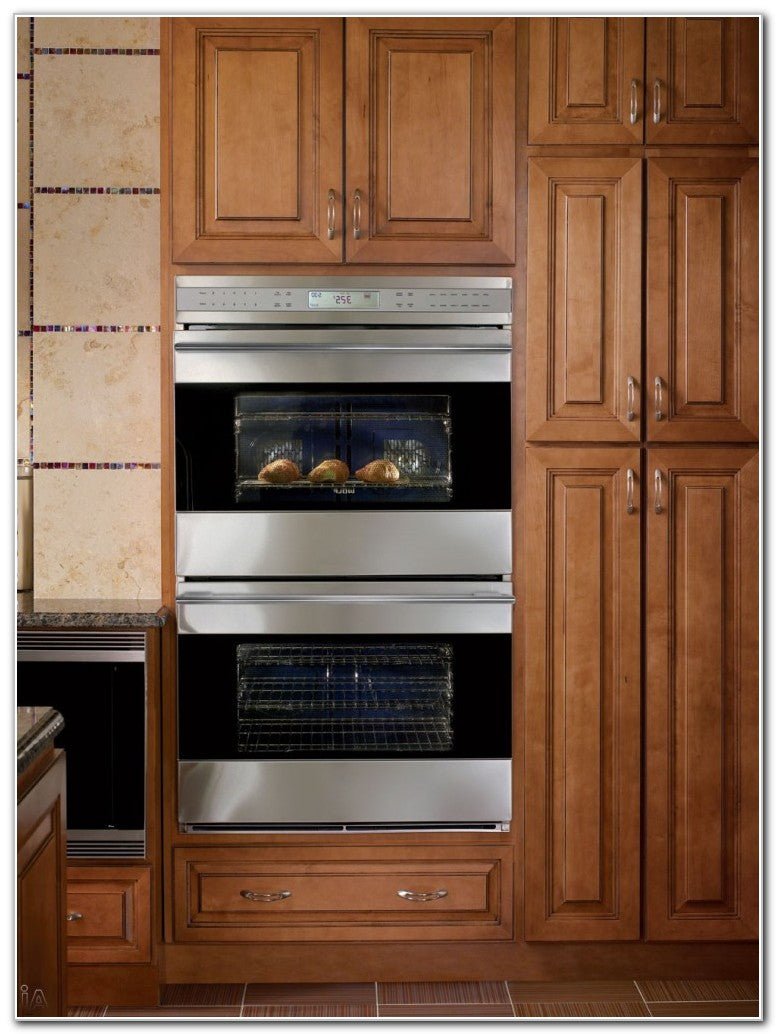
Credit: rtawoodcabinets.com