
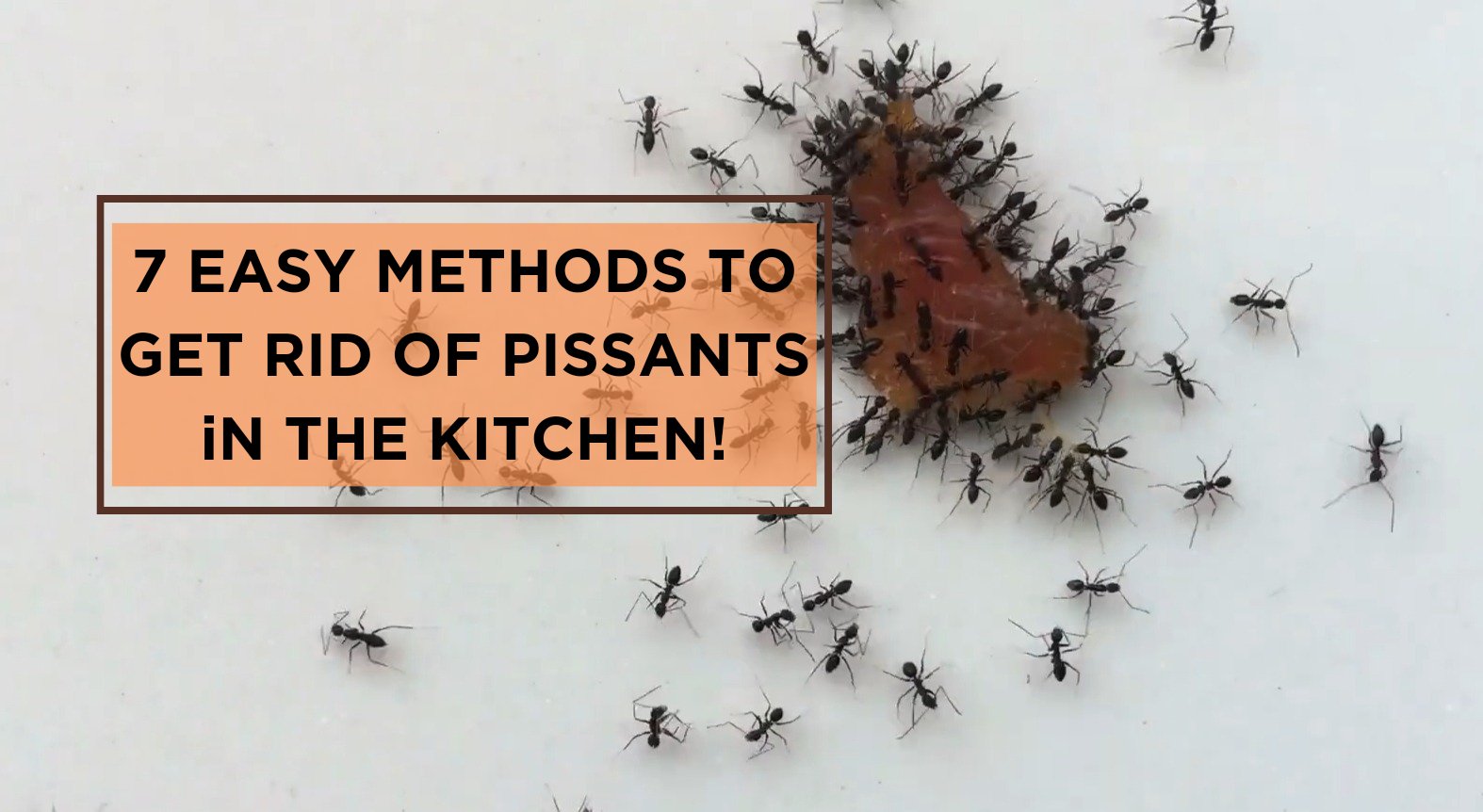
Pissants, often known as sugar ants or tiny black ants, can be a real headache in the kitchen. They march along counters, invade sugar jars, and seem to appear from nowhere. Many people feel frustrated when they see these pests, especially after cleaning up. But you can get rid of pissants in your kitchen—if you know what to do and act quickly.
This guide explains exactly how to remove pissants from your kitchen for good. You’ll learn why they come inside, how to stop them, and which methods work best. Some tricks may surprise you, and there are key mistakes to avoid.
Whether you’ve seen a few ants or an entire line, you’ll find practical steps here.
Understanding Pissants: Why They Invade Kitchens
Pissants are not a special type of ant. The word usually describes small, sugar-loving ants, especially the ones that love kitchens. In the US, the odorous house ant and Argentine ant are common examples. These ants are attracted by food and water, and your kitchen is the perfect place for both.
What Attracts Pissants?
- Sugar and sweets: Syrup spills, cookie crumbs, and sugar canisters are a magnet.
- Moisture: Leaky faucets, wet sponges, or damp sink areas draw ants.
- Grease or fat: Even a tiny bit of oil on a stove can attract them.
- Easy access: Cracks, open windows, or unsealed doors let them walk right in.
Pissants are always searching for food. Once one ant finds something tasty, it leaves a scent trail for others. This is why you often see them moving in lines.
Pissant Colonies And Behavior
Pissants can build large colonies with thousands of ants. Some types make their nests outside in soil, under stones, or in walls. Others nest inside, especially near warm, damp spots. Because there are many colonies and the ants are so small, killing a few won’t solve the problem.
You need to target the whole colony.
Step 1: Identify The Source
Before you can get rid of pissants, you need to know where they’re coming from. This step is often missed, but it’s critical for success.
How To Track Pissants
- Watch the ants: Look at the line of ants and see where they go. Often, they lead to a crack, window, or cabinet.
- Check entry points: Common places are windowsills, doorframes, behind appliances, and under sinks.
- Follow at different times: Ants may change their paths during the day. Watch morning and evening.
Knowing the entry point lets you target your cleaning and sealing efforts.

Credit: todayshomeowner.com
Step 2: Remove Food And Water Sources
Pissants will not stay if there’s nothing to eat or drink. Making your kitchen less attractive is the foundation for any ant control plan.
Cleaning Tips
- Wipe all counters with soap and water, not just a dry towel.
- Sweep and mop the floors every day, especially after meals.
- Store food in airtight containers. This includes sugar, cereal, cookies, and pet food.
- Take out the garbage daily and clean spills inside the trash can.
- Clean under appliances—crumbs often hide here.
- Dry out sinks and fix any leaks.
Non-obvious Insight
Don’t forget to check places like toaster crumb trays, blender bases, and microwave doors. These hidden spots often hold just enough food for ants.
Step 3: Block Their Entry
Once you’ve found where pissants are getting in, you need to seal those gaps. This keeps new ants from entering.
How To Seal Entry Points
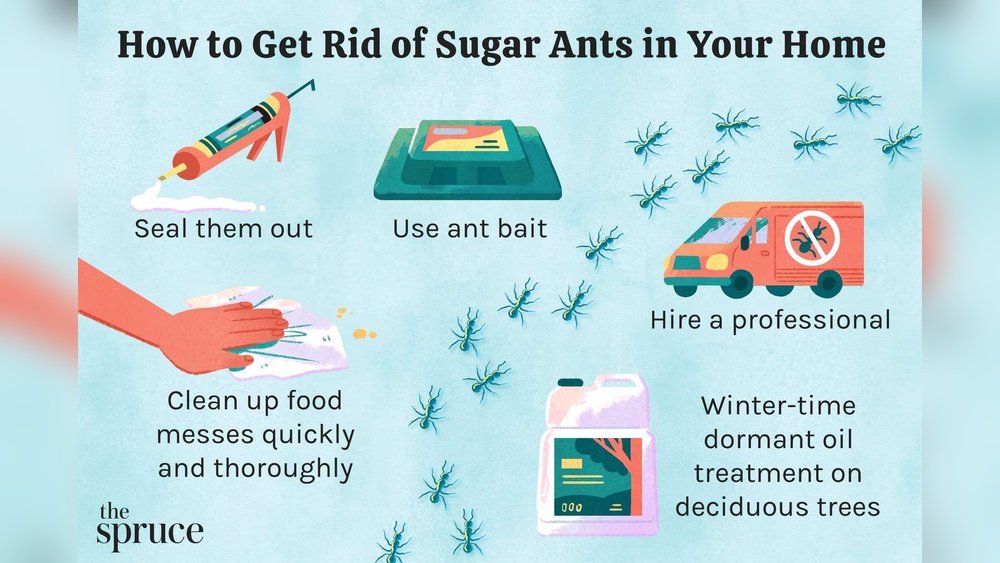
- Use silicone caulk to seal cracks around windows and doors.
- Install weather stripping under exterior doors.
- Patch holes in walls, especially near pipes.
- Place mesh screens over vents.
Extra Tip
Look at places you don’t use often, like the back of cupboards or behind the fridge. Ants often enter here because these areas are less cleaned.
Credit: comfysthetic.com
Step 4: Use Effective Ant Baits
Killing visible ants is not enough. You need to destroy the whole colony, including the queen. Ant baits are the best way to do this.
How Ant Baits Work
Ant baits are sweet or greasy substances mixed with a slow-acting poison. Ants carry the bait back to the nest, where others eat it—including the queen. This can wipe out the whole colony.
Choosing The Right Bait
Some baits work better for certain ants. Pissants often prefer sugar-based baits, but sometimes they like protein or grease.
Here’s a comparison of common ant bait types:
| Bait Type | Main Ingredient | Best For | Notes |
|---|---|---|---|
| Gel bait | Boric acid, sugar | Odorous house ants, Argentine ants | Easy to apply in cracks |
| Bait stations | Hydramethylnon, sugar or protein | General ant control | Safe for pets if placed correctly |
| Liquid bait | Borax, sugar water | Large infestations | Works well for kitchens |
| Granule bait | Abamectin, protein | Outdoor nests | Not for kitchen use |
How To Use Baits
- Place bait near ant trails, but not directly on them.
- Avoid cleaning the area for a few days so ants keep finding the bait.
- Use several small bait stations, not just one.
- Replace bait every week until ants disappear.
Common Mistake
Don’t spray insecticide near the bait. This will make ants avoid it, and the colony will survive.
Step 5: Try Natural Solutions
Some people prefer natural remedies for pissants, especially in homes with kids or pets. While not always as strong as commercial products, they can help with small infestations.
Natural Methods That Work
- Vinegar spray: Mix equal parts vinegar and water. Spray on ant trails and entry points. The smell erases their scent trail.
- Lemon juice: Wipe surfaces with lemon juice to remove scent trails.
- Diatomaceous earth: Sprinkle food-grade diatomaceous earth around entry points. It kills ants by drying out their bodies.
- Essential oils: Peppermint, tea tree, or citrus oil can repel ants. Mix with water and spray around the kitchen.
Example
If you see ants entering under the sink, spray the area with vinegar, let it dry, and then seal the gap. This can stop new ants from finding the old trail.
Caution
Even natural solutions can be irritating. Test in a small area first.
Step 6: Remove Existing Ant Trails
Ants use scent trails to tell others where food is. If you don’t remove these, new ants will keep coming, even if you kill the first group.
How To Erase Scent Trails
- Clean all surfaces with soapy water or vinegar.
- Pay special attention to the path ants walk.
- Repeat several times a day, especially after using bait.
Non-obvious Insight
Ants can walk upside-down on cabinets and ceilings. Don’t forget to clean these areas if you see ants there.
Step 7: Use Insecticide Sprays (carefully)
If you have a large infestation or need quick results, you may use an insecticide spray. But sprays should be a last resort inside the kitchen, because they can be toxic and may not solve the problem long-term.
When To Use Sprays
- For ant nests found inside walls or floors.
- In hidden areas where baits can’t be placed.
- When ants keep coming after other methods.
Safe Use Tips
- Choose sprays labeled for indoor use.
- Follow all safety instructions and keep away from food.
- Spray only cracks, not food surfaces.
Example
If you find a nest behind the dishwasher, you may spray the area after removing dishes and covering nearby items.
Step 8: Address Outdoor Colonies
Many kitchen ant problems start outside. Ants build nests in the yard and enter the house for food. Controlling outdoor colonies can stop new invasions.
How To Find Outdoor Nests
- Follow ant trails from the kitchen out a window or door.
- Look for piles of soil, small holes, or ants moving under stones.
- Check near foundations, patios, and outside garbage cans.
Outdoor Control Methods
- Place granular ant bait near nests (not inside the kitchen).
- Trim plants touching your house, which act as bridges.
- Move firewood and stones away from the walls.
- Fix outside leaks and clean up trash.
Table: Indoor Vs. Outdoor Ant Control
| Location | Best Control Methods | Precautions |
|---|---|---|
| Indoors (Kitchen) | Gel or liquid baits, sealing cracks, cleaning, vinegar spray | Keep away from food, use pet-safe products |
| Outdoors (Yard) | Granular baits, spray nests, remove debris | Avoid runoff into gardens, keep away from pets |
Important
If you use outdoor baits, do not bring them inside. Outdoor products can be more toxic.
Step 9: Prevent Future Infestations
Stopping ants now is good, but prevention saves time and effort later. Small changes in kitchen habits can make a big difference.
Prevention Tips
- Store all food in sealed containers.
- Clean up spills right away, especially sugary drinks.
- Rinse dishes instead of leaving them in the sink.
- Take out the trash every night.
- Run the garbage disposal with hot water.
- Check for leaks under sinks and repair them.
- Seal cracks in walls and around pipes.
- Keep pet food dishes clean and do not leave food out overnight.
Example
Put flour, sugar, and cereal in plastic containers with tight lids, not just in the original bags.

Credit: www.wikihow.com
Step 10: When To Call A Professional
Sometimes, DIY methods are not enough. If the infestation is severe, or ants keep returning, it may be time to call a pest control expert.
Signs You Need A Pro
- Ants keep coming back, even after baiting and cleaning.
- You find ants in other rooms beyond the kitchen.
- There are signs of nests inside walls or floors (like rustling sounds).
- You have allergies or safety concerns.
What Professionals Do
Experts can identify the ant species and use stronger treatments. They may use non-repellent insecticides that ants carry into the nest. Professionals can also treat hard-to-reach areas and give advice on prevention.
For more on pest control and ant behavior, see this Wikipedia article on ants.
Common Mistakes To Avoid
Even with good intentions, people often make errors that let pissants stay around. Avoid these common mistakes:
- Spraying all visible ants immediately: This only kills workers, not the colony.
- Using only one bait type: Ants may prefer different foods at different times.
- Not sealing entry points: If you don’t block gaps, new ants will keep coming.
- Cleaning away bait: If you clean bait areas too soon, ants won’t take it home.
- Ignoring outdoor nests: Treating only inside can allow ants to return from outside.
How Long Does It Take To Get Rid Of Pissants?
Most people want quick results. But getting rid of pissants can take several days to a few weeks, depending on the size of the infestation and the methods used.
Typical Timeline
- Day 1–3: Clean thoroughly and set out baits.
- Day 4–7: Ant activity may increase (they’re finding the bait).
- Day 7–14: Ant numbers drop as the colony is affected.
- After 2 weeks: Most or all ants should be gone if the nest was hit.
If ants are still present after three weeks, try a different bait or call a professional.
Diy Ant Bait Recipes
Sometimes, you might want to make your own ant bait using household items.
Simple Sugar Ant Bait
Ingredients:
- 1/2 cup sugar
- 1 1/2 tablespoons borax (found in laundry section)
- 1 1/2 cups warm water
Instructions:
- Mix sugar and borax in the water until dissolved.
- Soak small cotton balls in the mixture.
- Place cotton balls in shallow lids near ant trails.
- Keep away from pets and children.
Tip: Borax is toxic if swallowed. Label your bait and check it often.
Protein-based Bait
If ants ignore sugar, try mixing borax with peanut butter or cooked egg yolk. Place a small amount on a piece of wax paper near the ants.
Comparing Pissants To Other Kitchen Pests
Pissants are only one kind of kitchen pest. Here’s how they compare to other common invaders:
| Pest | Attracted By | Control Method | Risk |
|---|---|---|---|
| Pissants (sugar ants) | Sugar, crumbs, moisture | Baits, sealing, cleaning | Low, nuisance only |
| Cockroaches | Food, grease, water | Gel baits, sprays, traps | Moderate, disease risk |
| Fruit flies | Ripe fruit, spills | Vinegar traps, sanitation | Low, nuisance only |
| Pantry moths | Grains, flour | Pheromone traps, cleaning | Low, food waste |
Non-obvious insight: Treating ants and cockroaches together is less effective, as their baits and habits are different. Use separate strategies for each pest.
Frequently Asked Questions
Why Do Pissants Come Back Even After I Clean?
Pissants follow scent trails that may stay after cleaning. If you don’t use soap, vinegar, or lemon to break the trail, new ants will find the same path. Also, if food or water sources remain, ants will return.
Are Pissants Harmful To Humans?
Most pissants are not dangerous. They do not bite or sting like fire ants. However, they can contaminate food and are annoying. Rarely, some people may have allergies to ants or their bites, but this is uncommon for kitchen pissants.
How Do I Know If I Have A Large Pissant Infestation?
Signs include seeing many ants at different times, finding ants in several rooms, or spotting them near hidden places (like under sinks or inside walls). If you see hundreds of ants or they return after treatment, the colony is likely large.
Can I Use Regular Salt Or Baking Soda To Kill Pissants?
Salt and baking soda are not effective at killing pissants. Ants will walk around salt, and baking soda must be mixed with sugar and eaten to work—but it is not as reliable as borax or commercial baits. For best results, use proven baits or call a professional.
What Is The Fastest Way To Get Rid Of Pissants In The Kitchen?
The fastest way is a combination approach: clean thoroughly, use ant baits, seal entry points, and erase scent trails with vinegar or soapy water. For very large infestations, you may need to add insecticide sprays or call a pest control expert.
Getting rid of pissants in your kitchen is not just about killing the ants you see. It’s about breaking the cycle by removing food, sealing entry points, and targeting the whole colony. With the right steps, you can win the battle against these tiny invaders—and keep your kitchen clean for good.