
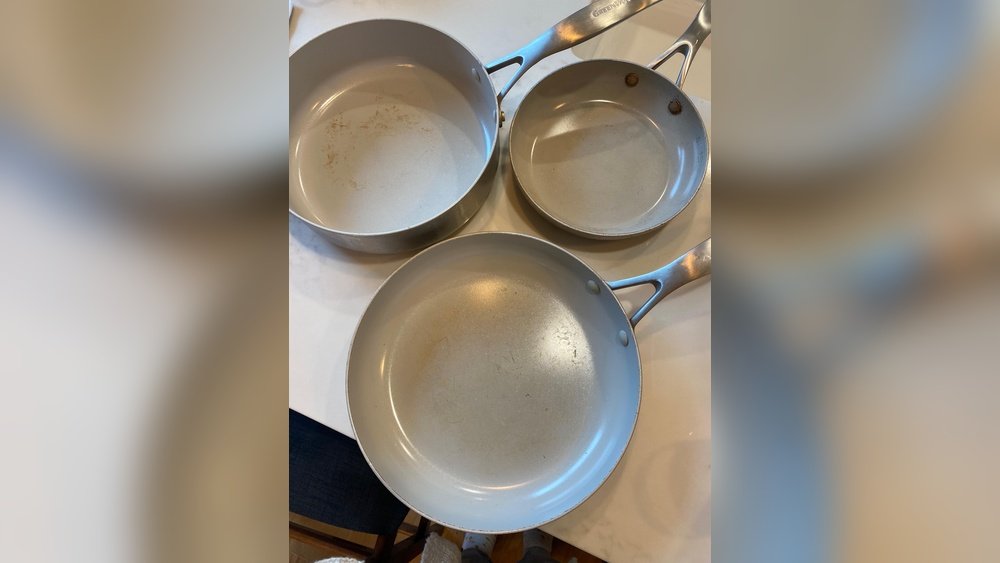
Ceramic pans are loved by home cooks and professional chefs for their slick, chemical-free cooking surface. When new, they work beautifully—eggs slide right off, and cleaning is a breeze. But after a few months, things often change. Food starts to stick, and the non stick magic seems gone. If this is happening to your favorite ceramic pan, don’t throw it away just yet. There are proven ways to make a ceramic pan non stick again and extend its life. This guide explains why ceramic pans lose their non stick quality, how to restore it step-by-step, and what you can do to prevent future sticking. Whether you’re struggling with burnt-on residue or just want your pan to feel like new, these tips can help you cook with confidence again.
Why Ceramic Pans Lose Their Non Stick Coating
Ceramic pans do not have a chemical non stick coating like Teflon. Instead, they use a smooth, sand-derived layer that gives a natural non stick effect. Over time, this surface can degrade. Understanding why helps you solve the problem.
- High Heat Damage: Ceramic coatings are sensitive to very high temperatures. Heating above medium can cause the surface to lose smoothness, making food stick.
- Improper Cleaning: Scrubbing with steel wool or using harsh detergents can scratch the coating, leaving it rough and sticky.
- Oil Buildup: Cooking sprays or excess oil can leave a residue that burns onto the surface, forming a brown, sticky layer.
- Microscopic Cracks: Dropping or banging the pan can cause small cracks that trap food and oil.
- Dishwasher Use: Frequent washing in a dishwasher can wear away the non stick layer faster than gentle hand washing.
A common misconception is that all non stick issues are permanent. In reality, many ceramic pans can be restored with the right steps. The key is to identify what caused the sticking and treat it directly.
Assessing Your Pan: Is Restoration Possible?
Before starting any cleaning or seasoning process, examine your pan carefully.
- Look for Deep Scratches or Chips: If you see metal exposed or large missing chunks, the pan may not be repairable.
- Check for Warping: A warped pan will not heat evenly, so sticking will continue even if the surface looks smooth.
- Evaluate the Surface: Light discoloration, brown spots, or dullness usually mean the pan can be restored.
If your pan only has surface stains or mild stickiness, most restoration methods will work. Pans with deep damage may need to be replaced for best results.
Step-by-step: How To Make A Ceramic Pan Non Stick Again
Regaining the non stick effect involves a combination of deep cleaning, seasoning, and better cooking practices. Follow these steps in order for the best chance at success.
1. Deep Clean To Remove Burnt Residue
Burnt-on oil or food is a main reason for lost non stick performance. Here’s how to clean it off safely:
- Fill the pan with warm water and add a few drops of mild dish soap.
- Let it soak for 15–30 minutes to loosen residue.
- Use a soft sponge or nylon brush to gently scrub away buildup. Avoid anything metal.
- For stubborn spots, make a paste of baking soda and water. Spread it on the stained area and let it sit for 20 minutes, then scrub with a soft sponge.
- Rinse thoroughly and dry with a towel.
Repeat this process if needed. Avoid using the dishwasher, as it can worsen sticking.
2. Remove Stains With Vinegar Or Lemon
Some stains need extra help. White vinegar or lemon juice can break down mineral deposits and oil.
- Mix equal parts white vinegar and water (about 1 cup each).
- Pour into the pan and heat on low for 5–10 minutes. Do not boil dry.
- Turn off heat and let cool.
- Pour out the liquid and wipe the surface with a soft cloth or sponge.
- Rinse with water and dry.
This step often restores much of the original slickness.
3. Baking Soda Boil Method
For extremely stubborn stains, boiling baking soda can work wonders.
- Add 2 cups of water and 2 tablespoons of baking soda to the pan.
- Heat on medium until it begins to simmer.
- Let it simmer for 15 minutes.
- Turn off the heat, let it cool, then scrub gently with a non-abrasive sponge.
- Rinse and dry.
This method lifts tough, burnt-on grease without scratching the ceramic.
4. Reseason Your Ceramic Pan
Many people don’t realize that ceramic pans can be seasoned to improve non stick properties, similar to cast iron.
Steps to season your ceramic pan:
- Clean and dry the pan thoroughly.
- Add 1 tablespoon of high-smoke point oil (like vegetable, canola, or avocado oil) to the pan.
- Use a paper towel to spread the oil in a thin, even layer over the entire cooking surface.
- Heat the pan on low for 2–3 minutes. The oil should not smoke.
- Remove from heat and let cool.
- Wipe away any excess oil with a clean paper towel.
Repeat this seasoning process every few weeks, or whenever the non stick effect fades.
5. Use The Right Cooking Techniques
How you cook can affect how long your pan stays non stick.
- Always preheat the pan with a little oil before adding food.
- Use low or medium heat; high heat breaks down ceramic coatings.
- Avoid metal utensils, which can scratch the surface. Use wood, silicone, or plastic instead.
- Do not cook spray directly onto the pan. Aerosol sprays can leave a hard-to-remove residue.
Following these practices not only restores non stick performance but keeps your pan in good shape longer.
How Different Ceramic Pan Brands Compare In Durability
Some ceramic pans last longer or restore more easily than others. Here’s a comparison of popular brands based on user reviews and independent tests.
| Brand | Average Lifespan (Years) | Restoration Success Rate | User Satisfaction |
|---|---|---|---|
| GreenPan | 2–3 | High | 80% |
| Caraway | 3–4 | Medium | 85% |
| Blue Diamond | 2 | Medium | 75% |
| Scanpan | 4+ | High | 90% |
| Ozeri | 2–3 | Medium | 78% |
Scanpan and GreenPan are known for better restoration after deep cleaning and seasoning. Lower-priced brands may lose their non stick surface faster and not respond as well to restoration methods.
Common Mistakes That Make Ceramic Pans Stick
Avoid these errors to keep your pan slick for years:
- Cooking on High Heat: Always use low or medium. High heat makes the coating wear out faster.
- Using Cooking Spray: Sprays can leave a sticky film that is very hard to clean.
- Cutting Food in the Pan: Knives and metal utensils will scratch and ruin the surface.
- Stacking Pans Without Padding: Placing pans on top of each other can scratch the coating. Use a paper towel or cloth in between.
- Dishwasher Use: Dishwasher detergents are too harsh and break down ceramic coatings quickly.
Even experienced cooks sometimes make these mistakes, not realizing the long-term damage they cause.
When Restoration Doesn’t Work
Not every pan can be saved. If your pan is still sticky after deep cleaning and seasoning, consider these points:
- If the surface feels rough or pitted, the ceramic coating is likely gone.
- If you see flakes or chips, using the pan may be unsafe.
- If food always burns, and nothing helps, it’s time for a new pan.
In these cases, using the pan further may be frustrating and unhealthy. Investing in a quality ceramic pan and following proper care is usually cheaper in the long run.
How To Prevent Future Sticking
Good habits can keep your ceramic pan non stick for years. Here’s what works best:
1. Proper Preheating
Always preheat your pan for 1–2 minutes on low heat before adding oil or food. This opens the ceramic’s microscopic pores, helping oil spread evenly and preventing sticking.
2. Use The Right Oils
Some oils burn at lower temperatures and can leave sticky residue. Choose oils with a high smoke point like:
- Avocado oil
- Grapeseed oil
- Canola oil
- Sunflower oil
Avoid butter or olive oil at high temperatures.
3. Gentle Cleaning
Wash the pan after each use with warm water and a soft sponge. Remove all food bits and oil, but avoid harsh scrubbing. If something is stuck, soak the pan before cleaning.
4. Store Carefully
Do not stack pans without protection. Use a cloth or paper towel between pans to prevent scratches.
5. Regular Seasoning
Reseason your pan every few weeks or after deep cleaning. This simple habit keeps the non stick effect strong.
6. Avoid Dishwasher
Hand washing is always safer for ceramic coatings. Dishwashers use strong detergents and high heat, both of which damage the non stick layer.
The Science Behind Ceramic Non Stick Surfaces
Ceramic pans use a coating made from sol-gel, a material derived from sand and minerals. This forms a smooth, glass-like surface that is naturally resistant to sticking. Unlike Teflon, ceramic coatings contain no PTFE or PFOA, making them a popular choice for health-conscious cooks.
Over time, heat and oils cause microscopic changes to this surface. The glass-like layer can develop pores, rough spots, and sticky residues. Regular cleaning and seasoning help fill these pores and restore smoothness. If the coating is worn away, however, the pan cannot be fully restored.

Credit: www.youtube.com
How Ceramic Pans Compare To Other Non Stick Surfaces
Ceramic pans are just one type of non stick cookware. Here’s how they compare to other popular options:
| Type | Non Stick Longevity | Health Safety | Heat Resistance | Ease of Restoration |
|---|---|---|---|---|
| Ceramic | 1–3 years | Very high | Good (up to 450°F) | Medium |
| Teflon (PTFE) | 2–5 years | High (if used correctly) | Medium (up to 400°F) | Low |
| Cast Iron | Lifetime | Very high | Excellent | High |
| Stainless Steel | Lifetime | Very high | Excellent | Low (not non stick) |
Ceramic pans offer a good balance of safety and ease, but their non stick effect usually doesn’t last as long as Teflon or well-seasoned cast iron. The main advantage is easy restoration if you act early.
Non-obvious Insights And Expert Tips
Most guides stop at basic cleaning and seasoning. Here are two advanced tips that can make a big difference:
- Let Your Pan Rest After Cleaning: After deep cleaning, allow your ceramic pan to air dry for a few hours before seasoning. This helps any microscopic moisture evaporate, letting oil bond better during seasoning.
- Use a “Dry Heat” Treatment: If you notice persistent stickiness, try heating your clean, dry pan empty on low heat for 5 minutes. Let it cool, then season as usual. This can “reset” the ceramic surface by opening tiny pores that trap oil.
Many people overlook these steps, but they help restore the slick surface more effectively.
Real-world Example: Restoring A Family Pan
Emma, a home cook from Ohio, nearly threw out her 2-year-old ceramic pan. She noticed eggs stuck every morning, and pancakes burned in the center. After trying the vinegar boil and seasoning method, her pan felt nearly as good as new.
“I wish I knew about seasoning earlier,” she said. “It saved me money and I can make perfect omelets again. ”
This example shows that even older pans with heavy use can be revived with the right techniques.
When To Upgrade: Buying A New Ceramic Pan
If your pan is beyond repair, here’s what to look for in a replacement:
- Thick, Heavy Base: Heavier pans heat more evenly and resist warping, which means less sticking.
- Reinforced Ceramic Coating: Some brands add minerals or diamonds for extra durability.
- Oven-Safe Handles: High-quality pans have handles that can go in the oven, adding versatility.
- Warranty: Look for at least a 1-year warranty, which shows brand confidence.
- No PFOA/PTFE: Genuine ceramic pans should not contain these chemicals.
Don’t always choose the cheapest pan. Saving a few dollars may cost you more in replacements and frustration.

Credit: www.reddit.com
Environmental Impact Of Ceramic Pans
Ceramic pans are often seen as the eco-friendly choice. The materials are mostly natural, and there’s no risk of chemical flaking into food. However, worn-out pans are usually not recyclable in regular facilities due to the bonded metal and ceramic. To reduce waste:
- Try to restore your pan before replacing it.
- Choose brands with recycling programs.
- Use your pan for non-cooking tasks if it cannot be restored (e.g., as a plant saucer).
Choosing a durable, high-quality pan and caring for it well is the most sustainable option.
Frequently Asked Questions
Why Do Eggs Always Stick To My Ceramic Pan?
Eggs are especially prone to sticking if the pan isn’t well-seasoned or preheated. Make sure you preheat the pan, add a bit of oil, and let the oil spread before adding eggs. Also, avoid using high heat, which can ruin the non stick surface.
Is It Safe To Use A Scratched Ceramic Pan?
Small scratches are usually safe, but deep scratches that expose the metal underneath can be unsafe. Flakes may get into your food. If you see large chips or the coating is coming off, it’s best to replace the pan.
Can I Use Olive Oil With My Ceramic Pan?
Yes, but avoid using olive oil at high temperatures. It has a lower smoke point and can leave a sticky residue. For high-heat cooking, use avocado or canola oil instead.
How Often Should I Season My Ceramic Pan?
Season your ceramic pan every few weeks, especially after a deep cleaning. If you notice food starting to stick, it’s a good sign that seasoning is needed.
Are Ceramic Pans Better Than Teflon Pans?
Ceramic pans are considered safer because they contain no PTFE or PFOA. They perform well at medium heat and are easy to clean, but the non stick effect may not last as long as Teflon. Choose the type that fits your cooking habits best. For more details, see this Consumer Reports guide.
Bringing your ceramic pan back to non stick glory is not only possible—it’s practical and rewarding. With careful cleaning, regular seasoning, and gentle cooking habits, you can enjoy smooth, easy meals for years. If you decide to upgrade, choose wisely, care for your pan, and you’ll get the best value for your kitchen and the planet.

Credit: www.youtube.com