
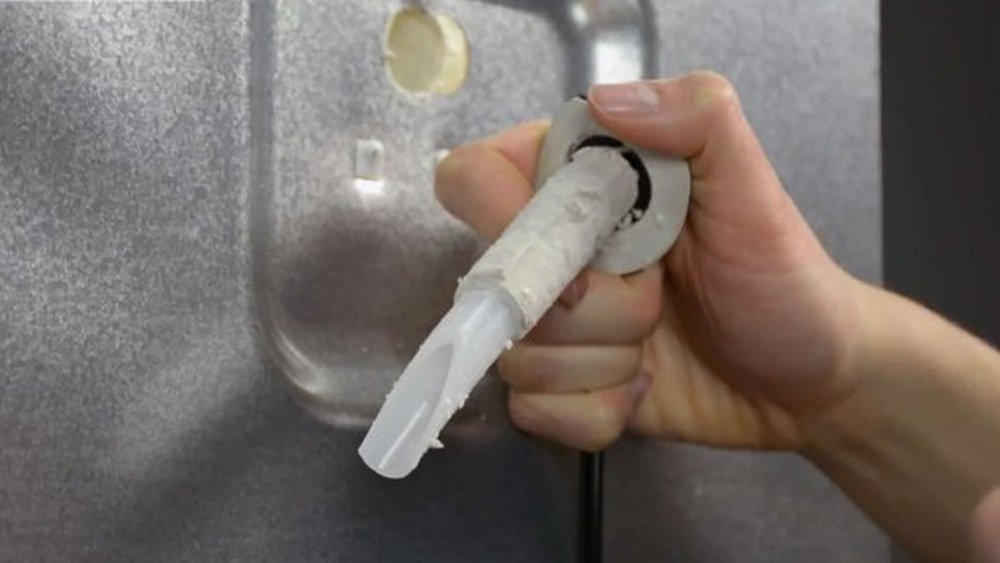
Most people enjoy the convenience of automatic ice makers in their refrigerators—until that icy convenience freezes up, literally. A frozen ice maker tube is a common headache, especially in homes with fluctuating temperatures or older fridge models. If your ice maker suddenly stops working or makes strange noises, a frozen tube is often the reason.
The good news? You can prevent this problem and save yourself from wasted time, costly repairs, and the frustration of digging out ice chunks by hand.
This article will walk you through everything you need to know about how to keep your ice maker tube from freezing. You’ll learn why this happens, how to spot the early signs, and what practical steps you can take—whether you’re a homeowner, a renter, or just someone who loves their cold drinks. We’ll also bust some common myths and help you understand the difference between quick fixes and long-term solutions. If you want your ice maker to work smoothly, all year round, read on.
Why Ice Maker Tubes Freeze
When your ice maker tube freezes, the flow of water to the ice maker stops. This means your ice bin stays empty, or worse, the ice maker motor gets damaged. But what causes this freezing in the first place?
Common Causes
1. Low Freezer Temperature
If your freezer is set too cold, water inside the tube can freeze before reaching the ice maker. Most freezers work best between 0°F and 5°F (-18°C to -15°C). Temperatures below this range often cause freezing problems.
2. Faulty Water Inlet Valve
A leaky water valve can drip water into the tube, letting it freeze when the ice maker isn’t calling for water. Even a tiny leak can build up ice over time.
3. Clogged Or Kinked Water Line
If the water supply line is blocked or bent, water flows slowly. Slow-moving water is more likely to freeze inside the tube.
4. Poor Freezer Airflow
Blocked vents or overstuffed freezers can create cold spots. If the ice maker tube sits near one, it might freeze even if the overall freezer temperature is correct.
5. Faulty Thermostat Or Sensor
If your fridge’s thermostat is broken, it might keep cooling even after reaching the right temperature, causing parts of the freezer to get too cold.
6. Door Seal Issues
A damaged freezer door gasket lets warm air in. This seems like it would make things warmer, but as the air cools, moisture collects and can freeze in the tube.
Less Obvious Factors
- Water Pressure Problems: If pressure is too low (below 20 psi), water doesn’t move fast enough and can freeze. If it’s too high, it can force water past valves, causing leaks and ice.
- Mineral Buildup: Hard water leaves deposits inside the tube, narrowing the passage for water. This slows flow and increases freezing risk.
Understanding these factors is key to solving and preventing the problem.
Signs Your Ice Maker Tube Is Freezing
Catching the problem early saves time and money. Watch for these signs:
- Ice maker stops making ice or makes less than usual.
- Loud clicking or grinding noises from the ice maker.
- Small or misshapen ice cubes, or cubes stuck together.
- Water leaks inside the freezer, sometimes forming puddles under the ice tray.
- Frost buildup around the ice maker or fill tube.
If you notice any of these, it’s time to check your ice maker tube.
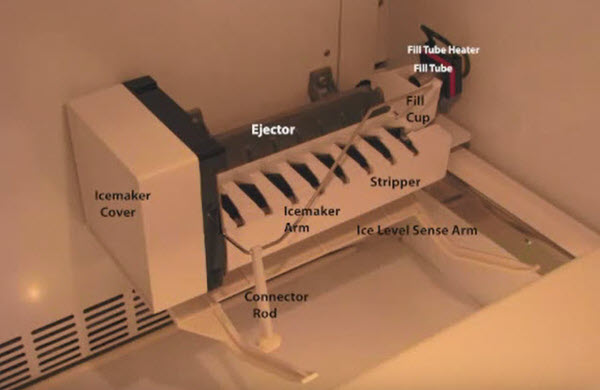
Credit: www.subzero-wolf.com
How To Check For A Frozen Ice Maker Tube
You don’t need special tools or advanced skills to check your ice maker tube. Here’s a simple step-by-step approach:
1. Turn Off The Ice Maker
Switch off the ice maker or unplug the fridge to avoid electrical hazards.
2. Locate The Tube
Most ice makers have a white plastic tube running from the back of the freezer into the ice maker unit. Check your refrigerator’s manual if you’re unsure.
3. Inspect For Ice
Gently feel along the tube. If it’s hard and cold, ice is likely blocking it.
4. Remove The Tube (if Possible)
Some tubes are easy to detach. If so, remove it and look for ice inside.
5. Thaw The Tube
If you find ice, use a hair dryer on low, a bowl of warm water, or let it sit at room temperature until the ice melts. Never use sharp tools—they can damage the tube.
6. Reinstall And Test
Put everything back and restart your ice maker. If it works, you’ve found the problem.
If you’re not sure, consult your refrigerator’s manual or call a technician for help.
Proven Ways To Prevent Your Ice Maker Tube From Freezing
Now for the main event: long-term solutions that really work. Each step below targets a different cause, so you may need to combine several for best results.
1. Set The Correct Freezer Temperature
Most freezing problems happen when the freezer is too cold. Use a reliable thermometer to check the temperature.
- Ideal range: 0°F to 5°F (-18°C to -15°C)
- Adjust the temperature dial if needed.
- Wait 24 hours after adjustments to see the effect.
2. Check And Replace The Water Inlet Valve
A faulty water inlet valve often causes leaks and ice buildup. Here’s what to do:
- Unplug the fridge.
- Locate the valve (usually at the back, near the bottom).
- Inspect for leaks or corrosion.
- Replace if you see water stains or drips.
- Replacement valves are affordable and available at appliance stores.
3. Insulate The Ice Maker Fill Tube
Insulation helps keep water from freezing before it reaches the ice maker.
- Buy foam pipe insulation at any hardware store.
- Cut to fit the tube’s length.
- Wrap and secure with tape. Make sure the insulation does not block airflow or moving parts.
4. Improve Freezer Air Circulation
Better airflow prevents cold spots. Try these:
- Don’t overfill your freezer.
- Keep food items away from the vents.
- Regularly clean vents with a vacuum or brush.
5. Check And Adjust Water Pressure
Water pressure that’s too low or too high can cause freezing.
- Use a water pressure gauge on your home’s supply line.
- Most ice makers need 20–120 psi.
- If it’s too low, check for blockages or call a plumber.
- If it’s too high, install a pressure regulator.
6. Replace Old Or Clogged Water Filters
A dirty filter slows water flow, making freezing more likely.
- Replace the filter every 6 months, or as recommended.
- If your area has hard water, consider more frequent changes.
7. Clean The Water Line
Mineral buildup can narrow the tube, so:
- Disconnect the water line (follow your fridge’s instructions).
- Flush with vinegar or a descaling solution.
- Rinse with clean water before reconnecting.
8. Repair Or Replace The Door Seal
A good seal keeps cold air in and warm air out.
- Check for cracks or gaps in the gasket.
- Clean with warm soapy water to improve the seal.
- Replace if damaged—replacement gaskets are easy to install.
9. Install A Tube Heater
Some ice makers, especially in older models, allow you to add a tiny heater around the tube.
- Buy a fill tube heater kit designed for your refrigerator model.
- Follow the manufacturer’s instructions carefully.
- This method is safe and uses very little energy.
10. Schedule Regular Maintenance
Prevention is always better than repair.
- Check all parts every 3–6 months.
- Listen for unusual noises.
- Clean dust and debris from behind the fridge to improve performance.
Comparing Common Prevention Methods
To help you decide which method is best for your situation, here’s a comparison of key prevention strategies:
| Method | Difficulty Level | Cost | Effectiveness |
|---|---|---|---|
| Adjust Freezer Temp | Easy | Free | High |
| Replace Water Valve | Medium | $$ | High |
| Insulate Tube | Easy | $ | Medium |
| Install Tube Heater | Medium | $$ | High |
| Clean Water Line | Medium | $ | Medium |
Mistakes People Make When Trying To Fix Frozen Ice Maker Tubes
Experience shows that some “solutions” can make things worse. Avoid these common mistakes:
- Using sharp objects to chip away ice: This often punctures the tube or damages the ice maker.
- Setting the freezer too warm: This can cause food to spoil or ice cream to melt. Always stay in the safe range.
- Ignoring water leaks: Even a small leak means something is wrong. Don’t just mop it up—find the cause.
- Skipping maintenance: Small issues grow into big problems. Regular checks are essential.
- Using the wrong insulation material: Not all foam or wrap is food-safe or designed for cold. Always use products made for appliances.
How To Thaw A Frozen Ice Maker Tube Safely
If your tube is already frozen, here’s how to fix it without causing more damage:
- Turn off power to the refrigerator.
- Remove the ice maker unit if possible (check the manual).
- Gently warm the tube using a hair dryer on low. Keep the dryer moving and don’t hold it too close.
- Or use warm water: Soak a cloth in warm (not hot) water and wrap it around the tube.
- Wait patiently: Rushing can crack plastic parts.
- Never use knives or metal tools. They can poke holes or break the tube.
After thawing, check for leaks or cracks before turning the ice maker back on.
When To Call A Professional
While many problems are DIY-friendly, some require expert help. Call a technician if:
- You see water pooling under your fridge.
- The ice maker still doesn’t work after thawing and cleaning.
- You can’t access or remove the tube safely.
- You suspect electrical problems (sparks, burning smells).
- Your fridge is under warranty (to avoid voiding it).
A professional can diagnose hidden issues, replace parts, and ensure your appliance is safe.
Long-term Solutions For Different Refrigerator Types
Not all fridges are the same. Solutions may vary based on your model.
Side-by-side Refrigerators
These often have longer water lines that run through colder areas.
- Insulation and tube heaters work well.
- Pay special attention to door seals.
Top Freezer Refrigerators
Usually have shorter water lines and fewer cold spots.
- Check freezer temperature and water valve first.
- Insulation can help if your kitchen is very cold.
French Door And Bottom Freezer Models
These sometimes hide the water line inside the door.
- Insulation is harder but still possible.
- Regular maintenance and filter changes matter most.
How Water Quality Affects Freezing
Your water’s mineral content can impact your ice maker. Hard water leaves calcium and magnesium in the lines, while chlorine can damage seals.
- Use a water filter suited to your local supply.
- Consider a whole-house water softener if you have very hard water.
- Clean the water line with vinegar every six months.
Table: Signs Of Freezing Vs. Other Ice Maker Problems
Spotting the difference between a frozen tube and other issues saves time. Here’s a quick guide:
| Symptom | Likely Cause | Solution |
|---|---|---|
| No ice production | Frozen tube or bad valve | Thaw tube, check valve |
| Small cubes | Low water pressure | Check supply line |
| Leaking water | Faulty valve or gasket | Replace part |
| Strange noises | Ice blockage or broken motor | Clear blockage, call pro if noise continues |
Non-obvious Insights For Preventing Ice Maker Tube Freezing
- Kitchen Climate Matters: If your kitchen is very cold (below 55°F/13°C), the freezer may run longer than needed, freezing the tube. Consider raising the room temperature slightly or insulating the water line outside the fridge.
- Seasonal Fluctuations: In winter, freezing is more common, especially in garages or unheated spaces. Adjust your freezer temperature seasonally to match ambient conditions.
- Defrost Cycle Timing: Modern fridges have automatic defrost cycles. If this fails, ice can build up faster. Watch for signs your fridge isn’t defrosting properly (like ice building up elsewhere).
- Power Outages: After a blackout, water left in the tube can freeze as the freezer cools down again. Always check your ice maker after a power loss.
- Appliance Age: Older fridges are more prone to tube freezing due to worn seals, outdated thermostats, and less efficient insulation.

Credit: www.youtube.com
Practical Example: Case Study
Consider “John,” who lives in a cold climate and noticed his ice maker stopped producing ice each winter. He tried raising the freezer temperature, but the problem returned. After reading his fridge manual, John found his model supported a fill tube heater.
Installing this $30 part solved the issue for good—even during the coldest months. This shows that sometimes, a small upgrade is the best answer.
Table: Routine Maintenance Checklist
Staying ahead of problems is easy with a routine:
| Task | Frequency | Why It Matters |
|---|---|---|
| Check freezer temp | Monthly | Prevents overcooling |
| Replace water filter | Every 6 months | Ensures proper flow |
| Inspect door seals | Quarterly | Keeps air in |
| Flush water line | Twice a year | Removes buildup |
| Clear vents and coils | Yearly | Improves efficiency |
Where To Find More Help
If you want more technical details, the Wikipedia page on refrigerators offers a deep dive into how these appliances work and common troubleshooting steps.
Frequently Asked Questions
How Do I Know If My Ice Maker Tube Is Frozen?
Check if your ice maker has stopped producing ice or is making smaller cubes. Feel the fill tube—if it’s hard and cold, ice is probably inside. Sometimes you’ll also see frost or hear unusual noises.
Can I Use Hot Water To Thaw A Frozen Ice Maker Tube?
Warm water is safe, but avoid boiling water as it can damage the plastic. Soak a cloth in warm water and wrap it around the tube, or use a hair dryer on low.
Why Does My Ice Maker Tube Keep Freezing After I Thaw It?
If the problem comes back, there’s likely an underlying issue: freezer set too cold, a leaky valve, poor insulation, or low water pressure. Fix the root cause for a permanent solution.
Does Water Quality Affect Ice Maker Tube Freezing?
Yes. Hard water can cause mineral buildup inside the tube, slowing water flow and making freezing more likely. Use a water filter and clean lines regularly.
Is It Safe To Install A Tube Heater Myself?
If you’re comfortable with basic DIY repairs and follow the manufacturer’s instructions, it’s safe. For complex installations or if you’re unsure, call a professional.
Keeping your ice maker tube from freezing isn’t just about comfort—it’s about protecting your fridge, your ice supply, and your peace of mind. With the right knowledge and a bit of regular maintenance, you’ll enjoy cold drinks and a hassle-free kitchen all year long.

Credit: www.reddit.com