
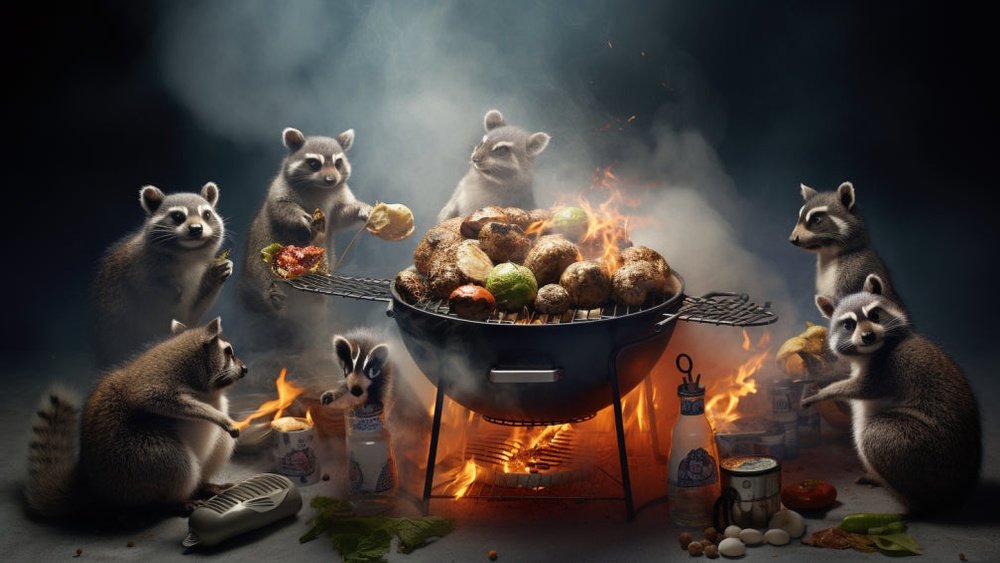
Many people love the experience of grilling on a Weber grill. The smoky flavors and outdoor fun make it special. But, animals can quickly spoil this joy. Raccoons, squirrels, mice, birds, and even insects like wasps often find grills interesting. They might look for food scraps, warmth, or shelter inside. It’s frustrating to lift your grill lid, ready for a barbecue, and find a nest, droppings, or chewed wires. Worse, animals can damage your grill, cause health risks, or even start fires.
Keeping animals out of your Weber grill is not just about cleanliness. It’s also about safety and protecting your investment. Some people try simple tricks, but animals are smart and determined. You need a complete plan to make sure your grill stays animal-free all year.
This article will show you practical steps, tools, and real solutions. Whether you grill every weekend or just a few times a year, you’ll find clear answers here. You don’t have to be an expert to follow these tips—just willing to take action and stay consistent.
Why Animals Get Into Weber Grills
Before stopping the problem, it helps to know why it happens. Weber grills are attractive to animals for several reasons:
- Food residues: After grilling, tiny bits of meat or grease stay behind. The smell brings animals from far away.
- Shelter: The closed lid creates a dry, warm space perfect for nesting.
- Safety: Grills are usually higher off the ground, away from some predators.
Animals have strong noses and survival skills. Even if you don’t see leftovers, they might. A single missed cleaning can invite trouble.
Common Animals That Invade Weber Grills
Different animals cause different problems. Here are some frequent visitors:
- Raccoons: Strong, clever, and able to open lids or doors.
- Squirrels and mice: Can squeeze through tiny holes and chew wires or hoses.
- Birds: Sometimes build nests in the lid, flavorizer bars, or side burners.
- Wasps and bees: Like to build nests in the warm, sheltered spaces.
- Opossums, chipmunks, and lizards: Less common, but possible in some areas.
Knowing your local wildlife helps you pick the right defenses.
Cleaning: The First Defense Against Animals
The most important step is regular cleaning. Animals look for food, so if your grill is spotless, they’ll look elsewhere.
How To Clean Your Weber Grill To Deter Animals
- Brush the grates after every use. Use a stiff grill brush to remove meat, fat, and sauces.
- Empty the grease tray. Grease attracts many animals, especially raccoons and rodents.
- Clean the flavorizer bars (if your model has them). These collect drippings and can smell strongly.
- Wipe down outside surfaces. Splatters or spills on the lid or shelves can also attract pests.
- Deep clean monthly. Take apart the grates, burners, and trays. Wash with hot soapy water.
Many beginners skip cleaning the inside of the lid or the base. But, fat and smoke build up there, too. Use a scraper to remove any black flakes or sticky spots.
Using Natural Cleaners
Some chemical cleaners smell strong and can leave residue. Try white vinegar or baking soda for safe, natural cleaning. Mix with warm water for a gentle but effective solution.
Don’t Forget The Cover
If you use a grill cover, clean it often. Covers can become dirty with food smells, bird droppings, or mold. A dirty cover can attract animals just like the grill itself.
Non-obvious insight: Animals can smell food residues even if you can’t. Trust their noses—clean more than you think you need.
Closing Entry Points: Make Your Grill Less Inviting
Cleaning helps, but some animals are curious or desperate. You need to block their way in.
Check For Gaps And Holes
Look at your grill from all angles. Common entry points include:
- Vent holes (on the lid or sides)
- Grease tray slots
- Under the lid
- Where the gas hose enters
Many small animals can squeeze through holes as small as ½ inch.
How To Seal Entry Points
- Use wire mesh (hardware cloth) to cover vents or holes. Attach with metal zip ties or clamps.
- Steel wool can block small gaps. Stuff it tightly, but replace if it gets wet or rusty.
- Weatherproof tape for temporary sealing. Not as durable, but can help in a pinch.
- Check the bottom. Some grills have open bottoms—use mesh or a fitted tray to block access.
Practical example: One grill owner found mice nesting inside a covered Weber grill. They had chewed through a rubber grommet for the thermometer. Replacing it with a metal washer stopped the problem.
Non-obvious insight: Animals often get in through the *bottom* or *rear* of the grill, not just the lid. Always check the underside, especially after moving your grill.
Use A Heavy-duty Grill Cover (but Choose Wisely)
A grill cover protects against weather, but not all covers stop animals. Thin or loose covers are easy for raccoons or squirrels to move. Birds can nest under flapping edges.
What To Look For In A Good Grill Cover
- Thick, tear-resistant fabric: Harder to chew or scratch through.
- Snug fit: Reduces gaps at the bottom and sides.
- Securing straps or cords: Tie-downs keep the cover tight in strong wind or when animals pull.
- Water-resistant or waterproof: Prevents mold and odors that attract pests.
Comparing Grill Cover Features
Here’s a quick comparison of key cover features:
| Feature | Basic Cover | Heavy-Duty Cover |
|---|---|---|
| Material | Thin polyester | Thick vinyl or canvas |
| Fit | Loose, generic | Custom, snug |
| Animal Protection | Low | High |
| Securing Mechanism | Elastic hem only | Straps, hooks, or drawcords |
If you live in an area with raccoons or squirrels, invest in the best cover you can afford.
How To Use A Grill Cover Effectively
Always cover your grill after it cools. Make sure the cover reaches the ground and is tucked in tightly. Check after storms or high winds—animals can sneak in when the cover gets loose.
Practical tip: Some people add a strip of double-sided tape or Velcro at the bottom. This makes it harder for animals to lift the cover.
Store Your Grill Properly
Where you keep your grill matters as much as how you cover it. Outdoor grills are more exposed, but even garages or sheds can attract pests.
Best Places To Store A Weber Grill
- On a patio or deck, away from bushes or woodpiles. Animals like to hide in clutter.
- Inside a shed or garage, but only if you check for animals first.
- On a paved surface, not on grass or dirt.
What To Avoid
- Don’t store your grill near bird feeders, compost bins, or trash cans.
- Don’t leave it under trees where birds nest or drop seeds.
If you must store the grill outside, move it away from fences or low walls that animals use as highways.
Non-obvious insight: Some rodents can climb walls or jump from nearby branches. Leave at least three feet of open space around your grill.
Use Animal Deterrents And Repellents
Physical barriers help, but sometimes you need extra defense. There are several ways to make your grill less attractive to animals.
Natural Animal Repellents
- Peppermint oil: Many rodents hate the smell. Dab a few drops on cotton balls and place them under the grill.
- Cayenne pepper: Sprinkle around the base. It won’t hurt animals, but they dislike the strong scent.
- Vinegar spray: Mix vinegar and water, then spray on and around the grill (but not on cooking surfaces).
Commercial Repellents
You can buy sprays or granules that target specific animals, like raccoons or squirrels. Always follow the label directions and keep away from food surfaces.
Electronic Deterrents
Some people use ultrasonic devices that make sounds only animals can hear. Others try motion-activated lights or sprinklers.
Comparing Repellent Methods
Here’s a quick look at popular repellents:
| Method | Effective Against | Safe for Kids/Pets | Maintenance |
|---|---|---|---|
| Peppermint Oil | Rodents, insects | Yes (in small amounts) | Replace weekly |
| Cayenne Pepper | Rodents, raccoons | Yes | After rain |
| Ultrasonic Device | Most small animals | Yes | Check batteries |
| Commercial Spray | Targeted animals | Read label | Monthly |
Non-obvious insight: Rotate repellents every few weeks. Animals can get used to one smell or sound over time.
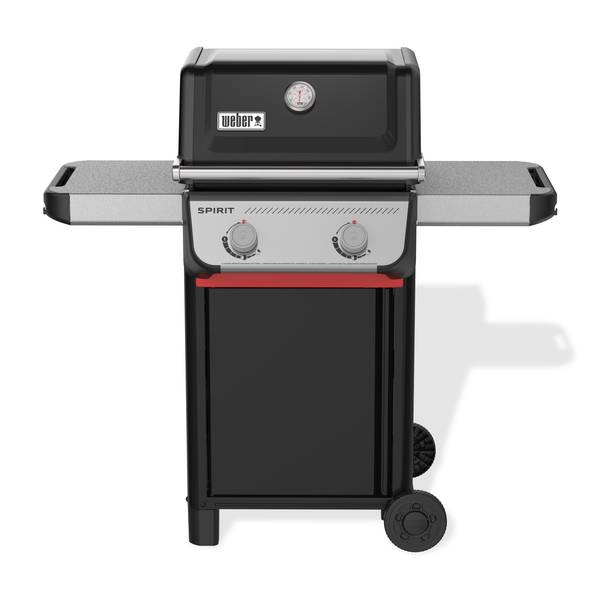
Credit: www.farmandfleet.com
Remove Food And Trash Sources Nearby
Animals won’t bother with a clean, sealed grill if they find easier food nearby. Make your whole yard less attractive.
Yard And Patio Tips
- Sweep up crumbs and fallen leaves often.
- Store pet food inside.
- Lock trash cans with animal-proof lids.
- Clean up after parties—don’t leave plates or napkins outside.
Bird Feeders And Compost Bins
Bird feeders are fun, but spilled seeds attract rodents and raccoons. Place feeders far from your grill. Compost bins should be secure and away from patios.
Practical tip: If you notice more animal visits after adding a bird feeder, move it or use a seed-catching tray.
Inspect Your Grill Regularly
Even with all these steps, animals are clever. Set a schedule to check your grill, especially before grilling season.
What To Look For
- Droppings or fur inside or around the grill
- Chewed wires or hoses
- Nests made of leaves, grass, or paper
- Gnaw marks on the lid, handles, or wheels
If you see signs, clean thoroughly and check for new entry points.
What To Do If You Find An Animal Or Nest
- Wear gloves and a mask.
- Remove the animal gently if it’s alive (call animal control if needed).
- Dispose of nests in a sealed bag.
- Sanitize all surfaces before cooking.
Non-obvious insight: Sometimes animals leave when you open the lid, but return later. Always check before lighting the grill.
Special Tips For Different Weber Grill Types
Weber makes many grills: charcoal, gas, and electric. Each has unique challenges.
Charcoal Grills
- Ashes can attract insects and rodents. Empty after each use.
- Store charcoal in a sealed, animal-proof container.
Gas Grills
- Mice and squirrels may chew gas hoses. Use metal braid sleeves or wrap hoses in steel mesh.
- Check for blockages in burner tubes—wasps sometimes nest there.
Electric Grills
- Keep cords off the ground and check for chewing damage.
- Store the power supply inside when not in use.
What To Do After An Animal Infestation
If animals have been inside your grill, don’t rush to cook. Take these steps first:
- Deep clean every part: Grates, burners, flavorizer bars, lid, trays.
- Sanitize with hot water and dish soap. Rinse well.
- Disinfect with a solution of 1 tablespoon bleach in 1 gallon of water (for non-cooking surfaces only).
- Replace chewed or damaged parts: Hoses, wires, or seals.
- Burn off: Heat the grill on high for 15–20 minutes before cooking, to kill germs.
Practical tip: If you find a wasp or bee nest, call a pest expert. Don’t try to remove it yourself if you’re allergic.
When To Call A Professional
Sometimes, you do everything right but still have animal problems. Call for help if:
- You see large or dangerous animals (like raccoons or snakes).
- Nests keep returning, even after cleaning and sealing.
- You find evidence of electrical or gas damage.
A pest control professional can remove animals safely and recommend permanent solutions.
How To Train Your Family And Guests
Even with the best barriers, all it takes is one mistake. Make sure everyone who uses your grill knows the rules.
- Always clean up after grilling—don’t leave food or dirty tools outside.
- Check for animals before lighting the grill.
- Keep the cover secure—show others how to fasten straps or cords.
- Explain the risks—disease, fire, and damage.
If kids or teens use the grill, show them how to spot animal signs and what to do.

Credit: fj-outdoors.com
How To Keep Grilling Fun And Animal-free
A Weber grill is a joy, but animals can turn it into a headache. With the right habits, you can stop almost all animal problems. Clean your grill after every use, seal openings, and store it in a safe place.
Use repellents if needed, and check often for signs of visitors. In most cases, these simple steps are enough.
But, stay alert. Even a small slip can let animals move in fast. Make animal-proofing your grill part of your regular routine, not just something you do once a year. Your food will taste better, your grill will last longer, and your backyard will stay a place for fun—not frustration.
For more information on wildlife-proofing outdoor spaces, the Humane Society has excellent resources.
Frequently Asked Questions
How Often Should I Clean My Weber Grill To Keep Animals Away?
Clean your grill after every use. Remove food bits from the grates, empty the grease tray, and wipe the outside. Do a deep clean at least once a month, especially during grilling season. Regular cleaning removes smells that attract animals.
What Is The Best Type Of Grill Cover To Stop Animals?
Choose a heavy-duty, snug-fitting cover made of thick vinyl or canvas. Look for covers with securing straps or drawcords. Thin or loose covers are easy for animals to move or chew through.
Can Peppermint Oil Really Keep Mice And Rats Away From My Grill?
Yes, peppermint oil is a natural rodent repellent. Soak cotton balls and place them under or around the grill. Replace them every week. It’s not a guarantee, but it helps discourage rodents, especially when combined with other methods.
What Should I Do If I Find A Nest In My Weber Grill?
Wear gloves and a mask for safety. Remove the nest and any droppings. Clean and disinfect all grill parts before using it again. If the nest is active or you find live animals, contact a wildlife professional for safe removal.
Do Ultrasonic Animal Repellents Work For Keeping Animals Out Of Grills?
Ultrasonic devices can help, but results vary. Some animals get used to the sound, while others stay away. Use them as part of a bigger plan—combine with cleaning, sealing, and covering your grill for best results.

Credit: www.amazon.com