
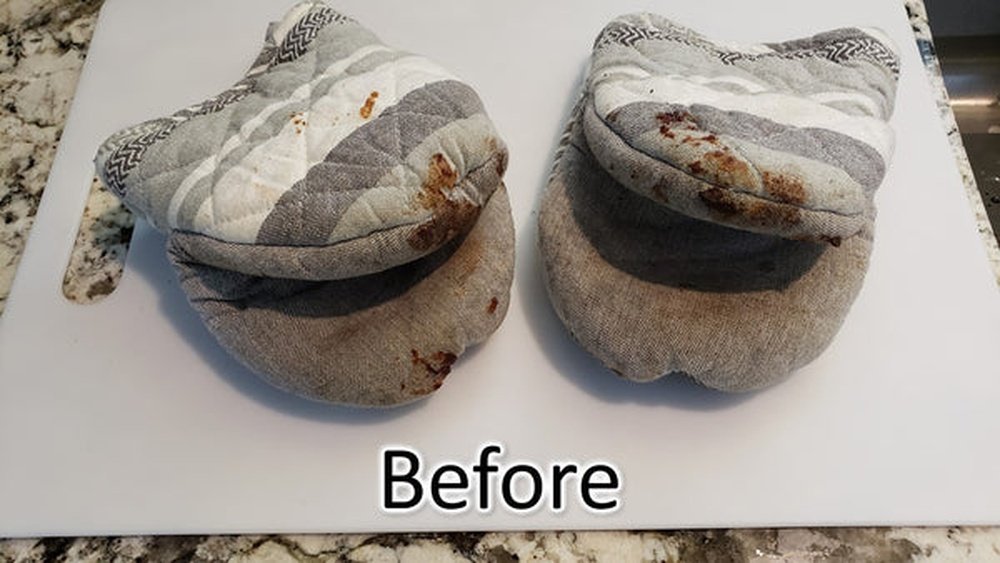
Keeping your kitchen clean is about more than just wiping counters and washing dishes. One of the most overlooked items in the kitchen is the oven mitt. These hardworking helpers protect your hands from burns, but they also collect food spills, grease, and bacteria over time. Neglecting to clean them can lead to unpleasant odors, stained fabrics, and even health risks. Many people wonder how to clean oven mitts correctly without damaging them or reducing their heat protection.
If you’ve never cleaned your oven mitts—or only tossed them in the wash now and then—you’re not alone. Most people use their mitts daily but rarely think about their care. This guide walks you through every method, tip, and mistake to avoid, so your oven mitts stay fresh, safe, and long-lasting.
You’ll learn how to handle different materials, remove stubborn stains, sanitize for safety, and keep them looking like new.
Why Cleaning Oven Mitts Matters
Oven mitts come in direct contact with hot cookware, food spills, and kitchen surfaces. Over time, grease and food particles can build up. This buildup does more than just make them look dirty—it can harbor bacteria, mold, and even unpleasant smells. According to the US Department of Agriculture (USDA), kitchen towels and mitts can be sources of cross-contamination if not cleaned regularly.
Dirty oven mitts can also lose their effectiveness. Grease and grime can weaken the fabric or insulation, making them less protective against heat. In rare cases, a greasy mitt can even catch fire in a hot oven.
Understanding Different Types Of Oven Mitts
Before you start cleaning, it’s important to recognize which type of oven mitt you own. Each material requires a different cleaning approach, and using the wrong method can ruin your mitts.
| Material | Typical Use | Cleaning Method | Heat Resistance |
|---|---|---|---|
| Cotton/Fabric | Everyday baking, general kitchen use | Machine or hand wash | Moderate |
| Silicone | High-heat cooking, grilling | Hand wash, dishwasher safe | High |
| Neoprene | Water resistance, versatile use | Hand wash only | High |
| Leather | Barbecuing, professional kitchens | Spot clean only | Very high |
Cotton And Fabric Mitts
These are the most common oven mitts found in homes. They’re soft, flexible, and often machine washable. However, if they have thick insulation or special coatings, washing can get tricky.
Silicone Mitts
Silicone mitts are popular for their high heat resistance and ease of cleaning. They repel most stains, but food can get trapped in textured surfaces.
Neoprene Mitts
Neoprene (a rubber-like material) gives a good grip and resists water. It’s flexible, but not all neoprene mitts are waterproof on the inside.
Leather Mitts
Leather oven mitts are tough and durable, often used for grilling. They need special care since water and harsh cleaners can damage the leather.
How Often Should You Clean Oven Mitts?
The frequency depends on how often you use them and what spills on them. Here’s a simple guide:
- Light use: Wash once a month.
- Frequent use: Every two weeks.
- Spills or stains: Clean immediately.
If you notice odors, stains, or a sticky texture, it’s time to clean them, even if it’s sooner than your regular schedule.
Preparing To Clean: What You’ll Need
Before you start, gather the right supplies. Using the proper tools avoids damaging the mitts or leaving behind soap residues.
For most oven mitts:
- Mild laundry detergent
- Baking soda (for stains or odors)
- White vinegar (for tough stains)
- Soft brush or old toothbrush
- Clean towel
- Warm water
- Rubber gloves (for hand washing)
- Gentle stain remover (optional)
For silicone mitts:
- Dish soap
- Sponge
- Soft cloth
For leather mitts:
- Leather cleaner or saddle soap
- Soft cloth
Never use bleach or harsh chemicals, as they can weaken or stain the fabric and insulation.
Step-by-step Guide: Cleaning Cotton And Fabric Oven Mitts
Fabric mitts are the most common and usually the easiest to clean. However, a few extra steps can help them last longer and stay fresh.
1. Check The Care Label
Always read the manufacturer’s instructions first. Some mitts are machine washable, while others require hand washing. If the label is missing, treat them as delicate.
2. Shake Out Crumbs And Debris
Take the mitts outside and shake them well to remove loose crumbs or food bits. This step prevents debris from spreading during washing.
3. Pre-treat Stains
If you see food stains or grease spots, pre-treat them:
- Dampen the area with water.
- Apply a small amount of mild detergent or stain remover.
- Gently rub with a soft brush or your fingers.
- Let it sit for 10-15 minutes.
For stubborn grease, sprinkle a little baking soda and add a drop of vinegar. The fizzing action helps lift the stain.
4. Machine Washing
If the care label allows, machine washing is fast and effective:
- Place mitts in a mesh laundry bag to protect them.
- Use cold or warm water (never hot).
- Choose a gentle cycle.
- Add mild detergent.
- Wash with towels or similar items to balance the load.
Avoid using fabric softener—it can reduce heat resistance.
5. Hand Washing
If your mitts are delicate or heavily soiled:
- Fill a sink or basin with warm water and a small amount of mild detergent.
- Submerge the mitts and gently squeeze to work in the soap.
- Use a soft brush for tough stains.
- Rinse thoroughly to remove all soap.
Never wring or twist mitts aggressively—it can damage insulation.
6. Drying
Proper drying is key to keeping mitts in good shape:
- Lay mitts flat on a clean towel and roll up to remove excess water.
- Reshape them and let air dry completely.
- Avoid direct sunlight, which can fade colors.
- Never use a dryer unless the care label says it’s safe—high heat can shrink or damage them.
7. Deodorizing
If mitts still smell after washing, sprinkle baking soda inside and let sit for a few hours. Shake out before using.
Cleaning Silicone Oven Mitts
Silicone mitts are simple to clean but need attention to textured surfaces where food can hide.
1. Rinse Off Debris
Hold mitts under warm running water to remove loose food.
2. Scrub With Soap
- Add a few drops of dish soap to a sponge or soft brush.
- Scrub all over, paying special attention to textured areas.
- Check seams and folds where food might get stuck.
3. Dishwasher Option
Many silicone mitts are dishwasher safe. Place them on the top rack, away from heating elements.
4. Rinse And Dry
- Rinse thoroughly to remove all soap.
- Wipe dry with a towel or let air dry.
Silicone doesn’t absorb odors easily, but if you notice a smell, soak them in a 50/50 mix of water and vinegar for 30 minutes before rinsing.
Cleaning Neoprene Oven Mitts
Neoprene is durable but needs careful cleaning to avoid damaging the material.
1. Spot Clean First
Use a damp cloth to wipe away surface stains. For sticky spots, a little dish soap on the cloth helps.
2. Hand Wash
- Fill a sink with cool water and mild detergent.
- Submerge the mitts and gently squeeze.
- Avoid scrubbing aggressively—this can break down the neoprene.
3. Rinse And Dry
- Rinse thoroughly.
- Pat dry with a towel.
- Air dry away from heat and direct sunlight.
Never machine wash or dry neoprene mitts—they can lose their shape and effectiveness.
Cleaning Leather Oven Mitts
Leather oven mitts are tough but require gentle care to keep them flexible and strong.
1. Wipe With Damp Cloth
Use a soft, slightly damp cloth to wipe away surface dirt.
2. Spot Clean
For food stains, apply a small amount of leather cleaner or saddle soap to a cloth and gently rub the area.
3. Condition The Leather
After cleaning, use a leather conditioner to keep the mitts supple. This step prevents cracking and drying out.
4. Air Dry Only
Let leather mitts dry naturally, away from direct heat or sunlight.
Never soak leather mitts or use harsh cleaners—water can cause stiffening or discoloration.
Removing Tough Stains And Odors
Some stains and smells are difficult to remove, especially if left for a long time. Here are practical solutions:
Grease Stains
- Sprinkle baking soda on the stain.
- Add a drop of dish soap.
- Rub gently, let sit for 15 minutes, then rinse.
Burn Marks
- Burned fabric usually cannot be restored, but you can minimize the look:
- Trim loose threads.
- Dab with diluted hydrogen peroxide (test on a hidden area first).
Persistent Odors
- Soak mitts in a mix of 1 part vinegar to 3 parts water for 30 minutes.
- Wash as usual.
- Dry thoroughly.
Mold Or Mildew
- Mix equal parts vinegar and water.
- Apply to the affected area, let sit for 15 minutes, and wash.
- Always dry completely to prevent mold from returning.
Sanitizing Oven Mitts
Kitchens can harbor bacteria that aren’t always removed by regular washing. For extra safety, especially after handling raw meat or eggs, sanitize your mitts.
- Soak clean mitts in a solution of 1 tablespoon of bleach per gallon of water for 5 minutes (fabric only, not leather).
- Rinse very well.
- Air dry.
For those avoiding bleach, a hot water wash (if safe for your mitts) or a vinegar soak helps reduce bacteria.
Drying And Storing Oven Mitts
How you dry and store mitts affects their lifespan and cleanliness. Here are best practices:
- Always air dry completely before storage to prevent mold.
- Store in a dry, cool place.
- Hang mitts by their loops, if possible, to allow air circulation.
- Do not store near the stove or oven, where grease and heat can damage them.
If you live in a humid climate, consider storing mitts in a drawer with a silica gel packet to absorb excess moisture.
When To Replace Oven Mitts
No matter how well you care for them, oven mitts don’t last forever. Check for these signs that it’s time for a new pair:
- Thinning fabric or insulation
- Visible holes, tears, or burns
- Persistent odors that don’t wash out
- Stiffness or cracking in leather
- Loss of heat resistance (mitt feels hot quickly)
If you notice any of these, replace the mitts for your safety.
Oven Mitts Cleaning Mistakes To Avoid
Even well-meaning cooks make errors when cleaning oven mitts. Avoid these common mistakes:
- Ignoring care labels: Always check manufacturer instructions before washing.
- Using harsh chemicals: Bleach, strong detergents, and stain removers can damage fibers and insulation.
- Machine drying when not allowed: High heat can shrink or warp many mitts.
- Wringing or twisting: This can break down insulation and cause mitts to lose shape.
- Not drying fully: Damp mitts can grow mold and mildew inside.
- Overloading washing machine: Washing with heavy items can crush or deform mitts.
- Skipping stain pre-treatment: Stains set quickly and are harder to remove after washing.
How To Clean Oven Mitts In A Commercial Setting
Restaurant and commercial kitchen oven mitts face even more spills, heat, and bacteria than home mitts. They require frequent, thorough cleaning:
- Clean daily or after every heavy use.
- Use commercial-grade detergents approved for kitchen textiles.
- Inspect mitts for damage weekly.
- Rotate mitts so each pair gets time to fully dry between uses.
Some commercial mitts are designed for industrial washing machines, but always check manufacturer advice.

Credit: www.reddit.com
Comparing Cleaning Methods
For those wondering which method is best, here’s a comparison to help you choose based on your mitt type and needs:
| Cleaning Method | Best For | Pros | Cons |
|---|---|---|---|
| Machine Wash | Cotton/fabric mitts | Easy, thorough | Can damage insulation if not careful |
| Hand Wash | All types except leather | Gentle, good for stains | More time-consuming |
| Dishwasher | Silicone mitts | Convenient, sanitizes | Not for all mitts |
| Spot Clean | Leather, quick cleanups | Preserves material | Not thorough for deep stains |
Tips For Keeping Oven Mitts Cleaner, Longer
- Wipe spills immediately: The faster you clean spills, the less likely they are to stain.
- Designate tasks: Use one mitt for baking and another for grilling to avoid cross-contamination.
- Rotate mitts: Having two or more pairs lets you wash and dry mitts fully between uses.
- Keep mitts away from raw meat or eggs: This reduces the risk of spreading bacteria.
- Check mitts weekly: A quick inspection helps catch stains or damage early.

Credit: www.amazon.com
Non-obvious Insights For Oven Mitt Care
- Use mitts as a last step: Don’t wear oven mitts while preparing food—wait until you’re ready to handle hot items. This keeps them cleaner.
- Avoid perfumes or scented detergents: Strong scents can linger in the mitt fabric and transfer to food, especially baked goods.
- Store mitts with silica gel packets: This helps prevent moisture buildup, especially in humid kitchens.
Sustainable And Eco-friendly Cleaning Options
If you want to reduce your environmental impact, consider these tips:
- Use biodegradable detergents for washing.
- Wash mitts in cold water to save energy.
- Air dry instead of machine drying.
- Repair minor holes with a patch instead of throwing mitts away.
- Choose mitts made from organic cotton or recycled materials for your next purchase.

Credit: www.dm-az.com
Signs Your Oven Mitts Are Harboring Germs
Most people overlook the hidden bacteria in oven mitts. If you notice any of these, it’s time for immediate cleaning:
- Musty smell when mitts are dry
- Sticky texture even after washing
- Visible black or green spots (mold or mildew)
- Allergy symptoms after using mitts
If symptoms persist, consider sanitizing more often or replacing your mitts.
Safety Tips When Cleaning Oven Mitts
- Always wash mitts separately from heavily soiled items.
- Avoid using mitts while still damp—they won’t protect as well from heat.
- Never use mitts with visible holes or thin spots.
Oven Mitts And Food Safety
According to the Centers for Disease Control and Prevention (CDC), cross-contamination in the kitchen is a common source of foodborne illness. Oven mitts can transfer bacteria from raw foods to cooked foods if not cleaned regularly. By cleaning mitts often, you lower your risk of illness.
For more on kitchen safety, see the CDC’s food safety guidelines.
Frequently Asked Questions
How Do I Get Rid Of Strong Smells In My Oven Mitts?
Soak the mitts in a solution of 1 part white vinegar to 3 parts water for 30 minutes. Wash as usual and let them air dry fully. Baking soda also helps—sprinkle inside and leave overnight, then shake out.
Can I Put Oven Mitts In The Dryer?
Only if the care label allows it. Many fabric mitts can shrink or lose insulation in high heat. Air drying is safest for most types, especially those with thick padding.
What Should I Do If My Oven Mitts Get Moldy?
Wash with a mix of vinegar and water to kill mold spores. If mold returns or the smell lingers, it’s best to replace the mitts for safety.
Are Silicone Oven Mitts Really Dishwasher Safe?
Most are, but check your manufacturer’s instructions first. Place them on the top rack and avoid direct contact with heating elements.
How Often Should I Replace Oven Mitts?
Replace oven mitts when you see holes, thinning, burns, or persistent odors that don’t wash out. For heavy use, replace every 1-2 years.
Keeping your oven mitts clean protects your hands and your health. A little regular care goes a long way toward a safer, happier kitchen. Treat your oven mitts with the same attention you give your favorite cookware, and you’ll enjoy years of safe, clean baking and cooking.