
If you own a Wolf oven, you’ve probably heard that preheating is critical for perfect baking, roasting, and broiling. But many home cooks aren’t sure how to tell exactly when their Wolf oven is truly preheated. Some rely on the beep, others on the display, and some just guess. Getting this right makes a real difference: baking in a not-fully-heated oven can ruin cookies, dry out cakes, or leave pizza soggy. This article will show you every way to know when your Wolf oven is preheated, why it matters, and how you can avoid common mistakes—even if you’re new to using high-end appliances.
We’ll look at all Wolf oven models, including wall ovens, ranges, and convection options. You’ll find step-by-step instructions, expert tips, and troubleshooting advice. Whether you’re baking a delicate soufflé or roasting a chicken, you’ll leave with total confidence about your oven’s readiness.
Why Preheating A Wolf Oven Matters
Many recipes stress the importance of preheating, but with a premium oven like Wolf, the stakes are higher. These ovens are designed for precision, and their heating elements work differently from budget brands.
When your oven is not fully preheated:
- Food cooks unevenly.
- Rising and browning don’t happen as expected.
- Baking times become unpredictable.
- Some dishes may stick or burn.
Wolf ovens use advanced sensors and fans (in convection models) to keep temperatures steady. If you put food in too early, you waste these advantages. Also, Wolf’s unique dual convection system needs time to stabilize. Even a few minutes off can throw off results.
How Wolf Ovens Indicate Preheat Status
1. Digital Display And Readout
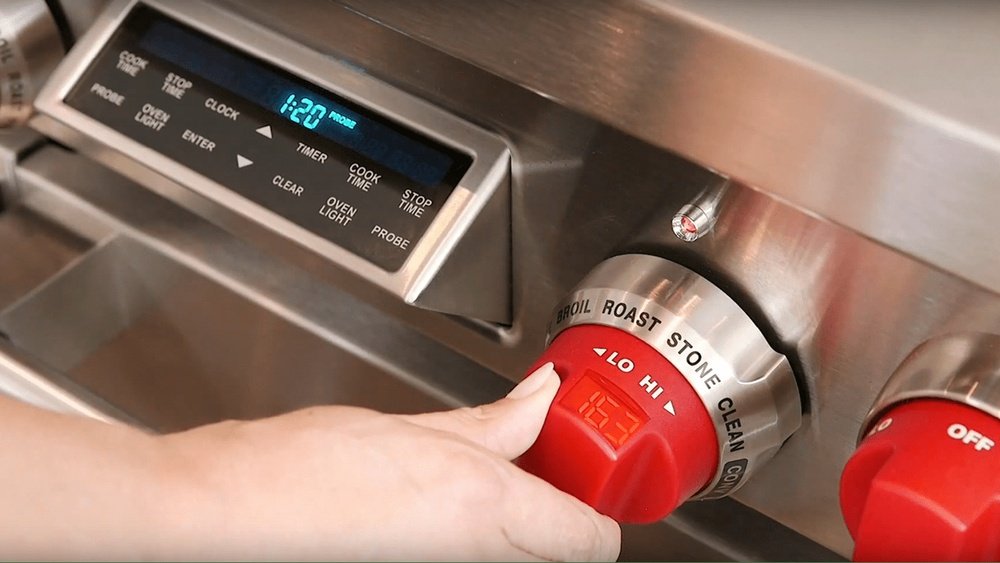
Most modern Wolf ovens have a digital control panel. When you select a temperature and start preheating, the display typically shows the word “PREHEAT” or an icon. The current temperature often appears, rising in small increments.
When the oven reaches the set temperature:
- The display may beep.
- “PREHEAT” disappears, or a ready message appears.
- The target temperature remains steady.
Some Wolf models update the display every few seconds. Watching the temperature rise is reassuring, but it’s best not to open the door to check, as this lets out heat.
2. Audible Beep Or Chime
All recent Wolf ovens beep or chime when preheating is complete. The sound is clear but not too loud.
- If you miss the beep, check the display for a visual confirmation.
- Some models let you adjust the beep volume or turn it off in settings.
A common mistake: assuming the first beep means “fully heated.” Some ovens beep when they reach a minimum threshold, not the true target. Always check the display for backup.
3. Indicator Lights
On older Wolf models (and some ranges), there’s a small indicator light near the controls. It’s often red or orange during preheating and turns off or changes color when ready.
- If the light is on, the oven is still heating up.
- When it goes off or switches to green, preheating is done.
This system is simple but effective. However, if the bulb burns out, you may get a false impression.
4. Smart Connectivity
Select Wolf ovens with Wi-Fi can send a notification to your phone when preheating is finished. This feature is available through the Sub-Zero Group Owner’s App.
- Set your oven to preheat remotely.
- Get alerts on your phone or smart device.
This is helpful if you’re busy in another room. Just be sure your app is set up and notifications are enabled.
Credit: www.youtube.com
Typical Preheating Times For Wolf Ovens
Oven preheating times can vary based on model, age, and temperature setting. The following table shows average preheat times for popular Wolf oven types at standard baking temperatures.
| Oven Type | 350°F (177°C) | 400°F (204°C) | 450°F (232°C) |
|---|---|---|---|
| Wolf E Series Wall Oven (30”) | 12 minutes | 15 minutes | 17 minutes |
| Wolf M Series Convection Oven | 8 minutes | 11 minutes | 14 minutes |
| Wolf Dual Fuel Range (30”) | 10 minutes | 13 minutes | 16 minutes |
| Wolf Gas Range | 13 minutes | 16 minutes | 19 minutes |
Convection ovens preheat faster because their fans circulate air. Gas models are a bit slower but offer moist heat, which is excellent for some dishes.
Detailed Step-by-step: How To Know Your Wolf Oven Is Preheated
Let’s walk through the process, so you can be sure your oven is truly ready.
Step 1: Select Your Cooking Mode
- Turn on your oven.
- Choose the bake, roast, convection, or broil mode as needed.
- Set your desired temperature (for example, 375°F).
Step 2: Start Preheating
- Press “Start” or “Enter.”
- The display will show “PREHEAT,” and the temperature will begin to climb.
Step 3: Watch For Visual And Audio Signals
- Wait for the beep or chime.
- Confirm that the “PREHEAT” message or icon disappears.
- On older ovens, check that the indicator light turns off or changes color.
Step 4: Double-check The Display
- The display should now show only the set temperature (e.g., 375°F).
- If your oven shows the actual temperature, make sure it matches your setting.
Step 5: Wait An Extra Few Minutes (expert Tip)
Even after the oven says it’s ready, the walls and racks may not be fully heated. For baking-sensitive recipes (like soufflés, macarons, or artisan bread), wait an extra 5–7 minutes after the oven signals “ready.” This ensures all surfaces are evenly hot.
Step 6: Place Food In The Oven
- Open the door quickly to avoid heat loss.
- Insert your dish on the correct rack.
Step 7: Monitor For Consistent Results
- Note how your food cooks.
- If you see uneven browning or underdone spots, your oven may need calibration or extra preheating.

Credit: www.designerappliances.com
Special Features On Wolf Ovens That Affect Preheating
Wolf ovens include advanced features that can change preheating behavior.
Dual Convection
This system uses two fans to move heat evenly. Preheating is often faster and more consistent. It’s excellent for large roasts or baking several trays at once.
Gourmet Mode / Chef Mode
Some Wolf ovens have a “Gourmet” or “Chef” mode. When you use it:
- The oven selects the best temperature and timing.
- Preheating often includes a special signal or prompt.
Rely on the oven’s guidance, but remember to double-check the display and listen for beeps.
Proofing And Dehydrate Functions
These modes use lower temperatures and may preheat differently. For proofing dough (about 85–100°F), the oven might reach temperature in just a few minutes, but the “ready” signal is still important.
Broil Preheat
Broil mode heats the top element only. Some Wolf ovens do not signal when broil is preheated. If unsure, wait 5 minutes after starting broil before adding food.
Comparing Wolf Oven Preheat Signals With Other Brands
Wolf’s preheating signals are often more precise than basic ovens. To show the difference, here’s a side-by-side look at how leading brands handle preheat notifications.
| Brand | Preheat Signal | Display Accuracy | Smart Notifications |
|---|---|---|---|
| Wolf | Beep, display, light | Highly accurate | Yes (Wi-Fi models) |
| GE | Beep, display | Good | Some models |
| KitchenAid | Beep, display | Moderate | No |
| Samsung | Beep, display, app | Good | Yes |
| Frigidaire | Beep, light | Basic | No |
Wolf stands out for its reliability and the combination of signals. This helps you avoid guessing.
The Science Behind Preheating: Why It’s So Important
You may wonder, “Why can’t I just put food in as soon as the oven feels warm? ” The answer is in the way ovens heat up.
- The heating element (or gas burner) turns on and off to reach your set temperature.
- At first, only the air is hot; the walls, racks, and even the door are still warming up.
- For perfect results, all these surfaces should be at the same temperature.
If you don’t wait for full preheat:
- Cakes and breads may rise unevenly.
- Pizzas can stick to pans or become soggy.
- Roasts might cook slower, so juices escape, making meat dry.
Wolf ovens are engineered for even heat. Skipping preheating wastes this benefit. That’s why professionals always wait for a complete preheat.
Common Problems And Solutions
Even with a premium Wolf oven, things can go wrong. Here’s how to fix the most frequent issues related to preheating.
Problem 1: Oven Takes Too Long To Preheat
- Check that the oven is empty; pans or trays inside slow heating.
- Make sure the door is fully closed and the seal is tight.
- If you’re at high altitude or in a cold kitchen, preheat times increase.
- If your oven is much slower than the times shown above, consider calling Wolf service.
Problem 2: Preheat Signal Comes Before Oven Is Actually Ready
- Some ovens beep early to save energy, especially in “Eco” modes.
- Use an oven thermometer (place it in the center) to check real temperature.
- For precise recipes, wait a few extra minutes after the beep.
Problem 3: Food Still Cooks Unevenly
- Racks may be blocking airflow. Try moving food to the center rack.
- Make sure you’re not using oversized pans that block circulation.
- For convection, don’t cover racks with foil.
Problem 4: Beep Or Light Doesn’t Work
- Check the user manual for settings. Some beeps can be turned off accidentally.
- For a broken light, replacement is usually simple but may require a service call.
Problem 5: Display Shows Ready But Oven Feels Cold
- This is rare but can happen if the temperature sensor fails.
- Try a reset (unplug and re-plug the oven).
- If the problem continues, contact Wolf support.

Credit: www.subzero-wolf.com
Non-obvious Insights Most Beginners Miss
Here are a few advanced tips that most new Wolf oven owners overlook:
- Rack Position Affects Preheat: If you add a cold rack (straight from the fridge or dishwasher) after preheating, it will cool the oven slightly. Always set your racks before starting preheat.
- Convection Preheat Can Be Faster: If you’re baking, consider preheating with convection even if you’ll switch to regular bake. It gets the oven hot faster and more evenly, then you can switch to the mode you need.
- Door Opening Delays Preheat: Every time you open the oven door, you lose up to 50°F (especially at high settings). Try to check readiness through the window instead.
- Self-Clean Cycles Can Affect Sensors: After running a self-clean, the oven’s temperature sensor may be less accurate until it cools fully.
- Altitude Changes Preheat Needs: If you live above 3,000 feet, preheating can be slower, and recipes may need adjustments.
How To Calibrate And Test Your Wolf Oven’s Preheat Accuracy
If you want to be absolutely sure your Wolf oven’s preheat signal is correct, you can check and calibrate it. Here’s how:
- Buy an Oven Thermometer: Choose one rated for high temperatures and place it in the center of the oven.
- Start Preheating: Set your oven to a common temperature like 350°F.
- Wait for the Preheat Signal: When the oven beeps or the display says ready, check the thermometer.
- Take Multiple Readings: Temperatures can fluctuate; check three times over 10 minutes.
- Compare Results: If your oven is off by more than 10°F, consult your Wolf manual for calibration instructions.
- Adjust If Needed: Many Wolf ovens allow you to adjust the set temperature up or down in increments.
This ensures your preheat is truly accurate for every recipe.
Tips For Getting The Most Out Of Wolf Oven Preheating
- Always set racks before starting.
- Keep the oven clean—grease and crumbs can impact heating.
- Don’t block the vents; these help with even preheating.
- Use the oven window for checking rather than opening the door.
- For large meals, allow a little more preheat time, as the extra mass in the oven absorbs heat.
Wolf Oven Preheating: Quick Reference Chart
Here’s a handy guide to common Wolf oven preheat signals and what they mean:
| Signal Type | What It Means | Action to Take |
|---|---|---|
| Beep/Chime | Oven has reached set air temperature | Wait 2–5 more minutes for best results |
| Display shows set temp only (no “PREHEAT”) | Preheat cycle finished | You can add food now |
| Indicator light off or green | Older Wolf models: oven is ready | Safe to bake/roast |
| Smart app notification | Oven is ready (Wi-Fi models) | Proceed with recipe |
| Broil mode (no signal) | No auto notification | Wait 5 minutes after starting |
Pin this chart near your oven for quick reminders.
When You Don’t Need Full Preheat
Not every recipe requires a fully preheated oven. For example:
- Slow-cooked casseroles or braised dishes can be started in a cold oven.
- Some breads and pizzas benefit from extra heat, so preheating is critical.
- For reheating leftovers, partial preheat is often fine.
When in doubt, follow the recipe, but for baking and roasting, a fully preheated Wolf oven is almost always best.
Troubleshooting Unusual Preheat Behaviors
If your oven acts differently from the steps above:
- Check your user manual for model-specific quirks.
- Power outages or surges can reset oven settings.
- Wi-Fi features can lag if your network is slow; always check the oven display for confirmation.
If you need help, the official Wolf support site is very detailed: Sub-Zero & Wolf Official Help.
Frequently Asked Questions
How Long Does It Usually Take A Wolf Oven To Preheat?
Most Wolf ovens preheat to 350°F in 8–15 minutes, depending on the model and whether it’s electric, dual fuel, or gas. Convection models preheat faster than standard ones. For higher temperatures, add a few more minutes.
Can I Put Food In The Oven While It’s Still Preheating?
It’s best to wait until the oven signals it is fully preheated. Placing food in early can lead to uneven cooking, especially for baking. However, for slow-cooked or braised dishes, starting in a cold oven is sometimes acceptable.
Why Does My Wolf Oven Beep Before It Feels Fully Hot?
The beep usually means the air inside the oven has reached the set temperature, but racks and walls may still be warming up. For the most sensitive recipes, wait an extra 5–7 minutes after the beep for complete heat.
Is It Normal For The Temperature To Drop When I Open The Oven Door?
Yes, opening the door lets out a lot of heat, and the temperature can drop by up to 50°F quickly. That’s why it’s recommended to open the door only when needed and to work fast when putting food in or checking doneness.
How Do I Check If My Wolf Oven’s Preheat Signal Is Accurate?
Use an oven thermometer placed in the center of the oven. Preheat as usual, then compare the thermometer reading to your set temperature when the oven says it’s ready. If there’s a large difference, consult your Wolf manual for calibration or contact service.
Getting the best from your Wolf oven isn’t just about owning a high-end appliance—it’s about using it correctly. Understanding how to know when your Wolf oven is truly preheated will help you bake, roast, and broil with confidence. With the steps and tips above, you’ll avoid common pitfalls and enjoy restaurant-quality results at home.