
Installing a dishwasher drain to a double sink can feel intimidating, especially if you have never worked with plumbing before. But with clear instructions, the right tools, and a step-by-step approach, almost any homeowner can complete this project confidently. Connecting a dishwasher drain to a double sink is a common scenario, as many kitchens feature double-bowl sinks and new dishwashers.
A safe and leak-free installation means your kitchen stays clean, your dishwasher works well, and you avoid future problems like water damage or foul smells.
In this guide, you’ll learn everything you need for a successful installation—from understanding the plumbing setup to step-by-step instructions and troubleshooting tips. You’ll also see common mistakes and how to avoid them. Whether you are upgrading your kitchen or doing repairs, this article will make the process clear and manageable.
Understanding The Basics: Dishwasher Drainage And Double Sink Plumbing
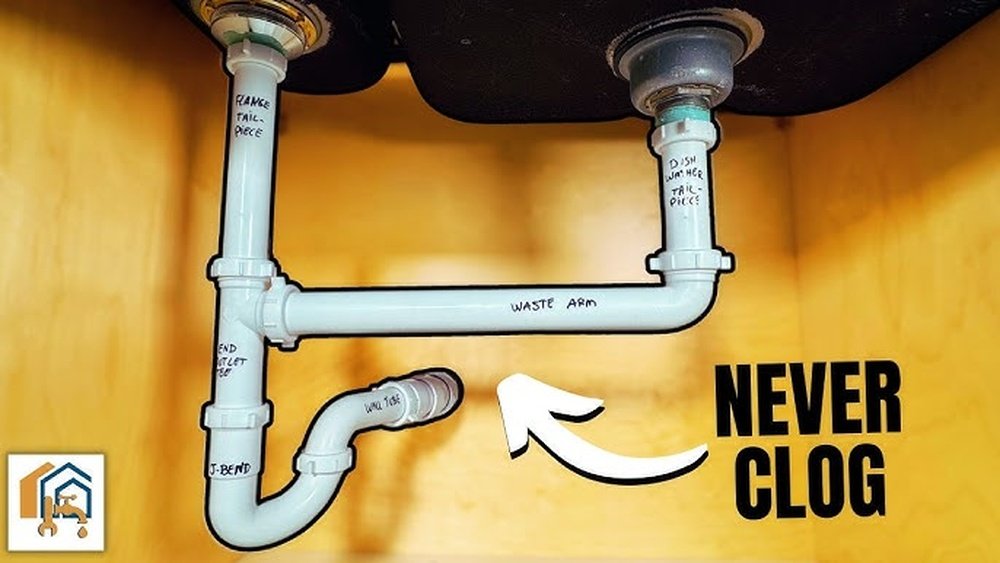
Before you touch any tools, it’s important to understand how a dishwasher drain connects to a double sink. In most homes, the dishwasher sits near the kitchen sink, making it easy to connect the drain hose. The typical double sink has two bowls, each with a drain, often meeting at a central pipe under the sink. One side might have a garbage disposal, and the other is just a drain.
The dishwasher does not pump waste water straight out of your home. Instead, the drain hose needs to connect to the plumbing under your sink. There are two main ways:
- Garbage Disposal Connection: The dishwasher drain hose connects to a special inlet on the side of the disposal.
- Sink Drain Connection: The drain hose connects to a branch tailpiece (a pipe with a small inlet) between the sink drain and the main drain pipe.
Both setups need an air gap or a high loop to prevent dirty water from flowing back into the dishwasher.
Key Insight: Many beginners think they can just “stick the hose anywhere” under the sink. But improper connections can cause leaks, clogs, or even health hazards.
Tools And Materials You’ll Need
Gathering all the tools and materials before you start saves time and stress. Here’s what you’ll need for most installations:
- Screwdrivers (flat-head and Phillips)
- Slip-joint pliers or adjustable wrench
- Tubing cutter or hacksaw (if you need to cut pipe)
- Dishwasher drain hose (usually comes with the dishwasher)
- Hose clamp(s)
- Branch tailpiece (if connecting to the sink drain)
- Air gap device (if required by local code)
- Teflon tape
- Bucket and towels
- Flashlight
Pro Tip: Have extra hose clamps and a small tube of plumber’s putty. Leaks are often fixed with these simple items.

Credit: www.reddit.com
Planning Your Connection: Air Gap Vs. High Loop
You must choose between using an air gap or a high loop for your dishwasher drain. This step is not just about following code—it’s about safety and function.
What Is An Air Gap?
An air gap is a small device mounted on top of your sink or countertop. It creates a break between the dishwasher drain hose and your home’s plumbing system. If there’s a clog in the sink, dirty water can’t flow backward into your dishwasher.
- Required by code in many US states and cities.
- Usually a small chrome cylinder next to your faucet.
What Is A High Loop?
A high loop is when you secure the dishwasher drain hose as high as possible under the sink—usually to the underside of the countertop—before connecting it to the drain or disposal.
- Not as safe as an air gap, but often allowed where codes are less strict.
- Easier and faster to install.
Comparison: Air Gap Vs. High Loop
Here’s a simple comparison to help you decide:
| Feature | Air Gap | High Loop |
|---|---|---|
| Backflow Protection | Excellent | Good |
| Code Requirement | Often Required | Sometimes Allowed |
| Installation Difficulty | Moderate | Easy |
| Appearance | Visible device on sink | Hidden under sink |
Non-obvious Insight: Even if your city does not require an air gap, using one gives you peace of mind and can help if you sell your home.
Step-by-step Guide: Installing Dishwasher Drain To Double Sink
Follow these steps for a safe and reliable installation. The exact process depends on whether you’re connecting to a garbage disposal or a sink drain tailpiece.
1. Turn Off Power And Water
Safety comes first. Unplug the dishwasher or turn off its circuit breaker. Shut off the water supply to the dishwasher if possible.
2. Clear The Area Under The Sink
Remove all items and clean up any water. Place towels and a bucket under the pipes to catch drips.
3. Locate Your Drain Connection Point
- If your double sink has a garbage disposal, you’ll usually connect the dishwasher drain hose to the disposal’s inlet.
- If not, use a branch tailpiece on the sink drain closest to the dishwasher.
4. Prepare The Garbage Disposal (if Using)
If this is a new installation, the garbage disposal has a plastic plug inside the dishwasher inlet.
- Insert a screwdriver into the inlet and tap it gently with a hammer to knock out the plug.
- Remove the plastic piece from inside the disposal (important—otherwise your dishwasher will not drain).
Common Mistake: Forgetting to remove the plug blocks the dishwasher drain completely.
5. Install The Air Gap (if Using)
- Drill a hole in your sink or countertop if one is not present (usually 1-3/8 inches).
- Secure the air gap device and tighten the mounting nut from below.
- Connect the smaller hose (from the dishwasher) to the air gap inlet.
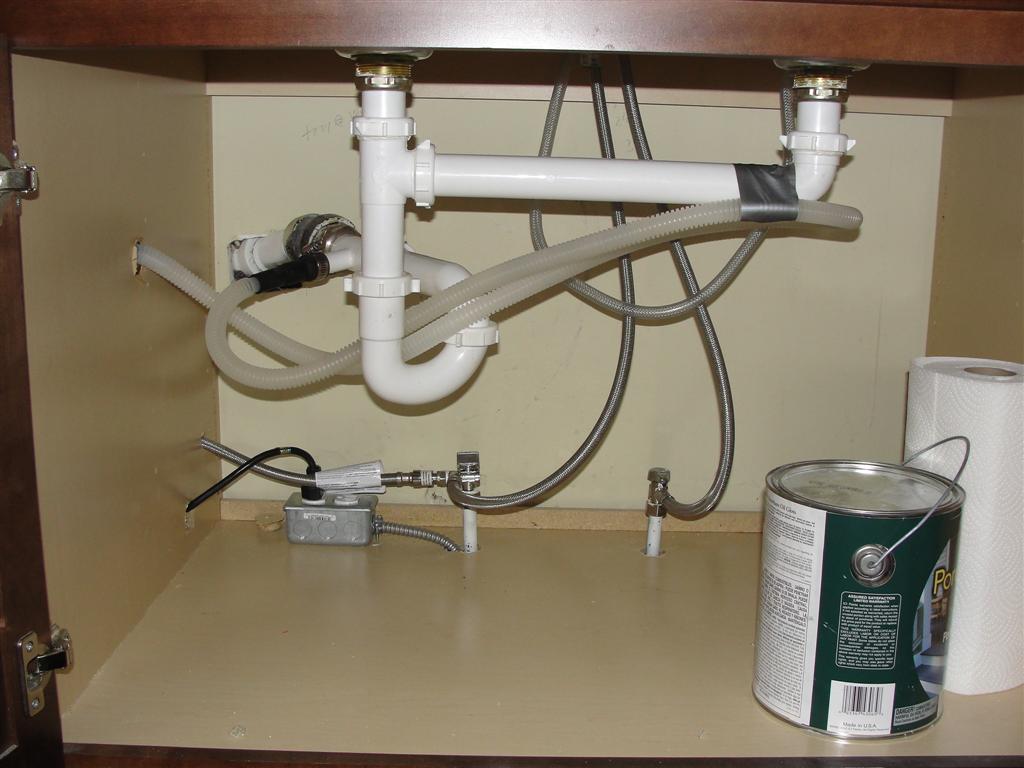
- Connect a second hose from the air gap outlet to the garbage disposal or sink drain.
6. Create The High Loop (if Not Using Air Gap)
- Attach the drain hose to the highest point under the sink (the bottom of the countertop is ideal) using a hose clamp or bracket.
- Make sure the hose does not sag below the entry point.
7. Connect The Drain Hose
For Garbage Disposal:
- Slide the hose over the disposal inlet.
- Secure tightly with a hose clamp.
For Sink Drain Tailpiece:
- Remove the nut from the branch tailpiece inlet.
- Slide the hose onto the inlet.
- Use a hose clamp to hold it in place.
- Replace the nut and tighten.
8. Secure All Connections
Tug gently on each hose to check for a snug fit. Use additional clamps if needed. Wrap threaded connections with Teflon tape for extra protection.
9. Test For Leaks
- Plug in the dishwasher and turn the water supply back on.
- Run a short wash or rinse cycle.
- Check all connections for drips or leaks. Tighten any loose clamps or fittings.
Practical Example: A homeowner connects the drain hose, but water leaks at the tailpiece. Adding Teflon tape and tightening the clamp stops the leak.
10. Clean Up And Restore The Area
Remove towels and the bucket. Replace items under the sink. Make sure the dishwasher runs without error codes.
Special Considerations For Double Sinks
A double sink setup can introduce extra complexity. Here’s what you must watch for:
- Choose the right bowl: Always connect to the side of the sink closest to the dishwasher. This avoids hose stretching or kinks.
- Check for venting: Some double sink setups have a vent pipe. Do not block or disconnect it.
- Garbage disposal location: If the disposal is on the opposite side from the dishwasher, a longer drain hose may be needed. Measure before starting.
Non-obvious Insight: If your dishwasher is more than 10 feet from the sink, you may need a dishwasher drain extension kit. Standard hoses are 6 to 8 feet.
Common Mistakes And How To Avoid Them
Even careful DIYers make errors. Here’s how to prevent common problems:
1. Forgetting The Disposal Plug
If you skip removing the plastic knockout plug in the disposal, the dishwasher can’t drain. Always check inside the inlet for obstructions.
2. Skipping The High Loop Or Air Gap
A drain hose running straight to the sink can let dirty water flow back into your dishwasher, causing smells and health issues.
3. Loose Hose Clamps
A loose clamp can mean leaks under the sink and water damage. Always double-check tightness.
4. Kinked Or Twisted Hose
A drain hose that is bent sharply or twisted will restrict water flow. Use wide bends and secure the hose so it doesn’t move.
5. Using Wrong Hose Size
Dishwasher hoses come in standard sizes, but mixing brands can lead to mismatches. Always check the diameter and fit before installing.
When To Call A Professional
If you see these warning signs, consider hiring a plumber:
- Old or corroded plumbing under the sink
- Unusual odors even after proper installation
- Persistent leaks after multiple attempts to fix
- Local plumbing code is strict or requires permits
A professional can also help with complex installations, like when the dishwasher is far from the sink or the plumbing is non-standard.
Dishwasher Drain Hose Types And Choosing The Right One
Not all drain hoses are the same. Here’s a comparison of the main types you’ll find:
| Type | Material | Length | Best For |
|---|---|---|---|
| Corrugated Plastic | Flexible plastic, ribbed | 6-12 ft | Most home dishwashers |
| Rubber Reinforced | Rubber with fiber mesh | 4-10 ft | Heavy-duty or commercial use |
| Extension Kit | Plastic or rubber | Up to 12 ft | Long-distance installs |
Pro Tip: Corrugated hoses are flexible and easy to route, but rubber hoses last longer in high-use kitchens.
Troubleshooting: Dishwasher Not Draining Properly
If your dishwasher isn’t draining, don’t panic. Here’s how to diagnose and fix the issue:
- Check for Clogs: Remove the drain hose and look for food debris or buildup.
- Inspect the Air Gap: If water is coming out of the air gap, the hose to the sink/disposal may be clogged.
- Garbage Disposal Blocked: If you just installed a new disposal, check the knockout plug.
- Hose Kinks: Straighten any sharp bends or loops.
- Drain Pump Issue: Listen for a humming or clicking sound from the dishwasher’s pump. If it’s silent, the problem may be electrical.
Non-obvious Insight: Sometimes, running a short cycle with the sink faucet open can flush small clogs from the hose.
Maintenance Tips To Keep Your Drain Working
A well-installed drain will last for years, but regular maintenance can prevent most problems:
- Run the garbage disposal (if present) before starting the dishwasher.
- Clean the air gap monthly by removing the cap and rinsing with water.
- Check hoses for cracks or leaks every 6 months.
- Avoid pouring grease or oil down the sink, as this can clog the drain line.
Credit: structuretech.com
Local Plumbing Codes And Permits
Building codes differ by city and state. Some places require an air gap by law. Others allow a high loop. Always check your local code before starting.
- Visit your city or county website for plumbing code details.
- If you live in California or Washington, air gaps are usually mandatory.
- Many home inspectors will flag a missing air gap during a sale.
You can find more on plumbing codes at the EPA WaterSense page.
Real-world Example: Installing In A Busy Family Kitchen
Let’s say you have a double sink with a garbage disposal on the left and your dishwasher on the right. The disposal is next to the dishwasher, making the connection easy.
- Remove the knockout plug from the disposal.
- Install an air gap on the sink.
- Route the drain hose from the dishwasher to the air gap, then from the air gap to the disposal inlet.
- Secure all connections with hose clamps.
- Test for leaks by running a rinse cycle.
This setup is ideal because the hose is short, well-supported, and code-compliant. The air gap ensures your dishwasher stays clean even if the sink backs up.
Cost And Time Estimate For Diy Install
Understanding the cost and time involved helps you plan better.
- Time Needed: 1-2 hours for most DIYers
- Material Cost: $20-$60 (if you already have tools)
- Professional Install: $150-$350 depending on location
You save money by doing the work yourself, but factor in your comfort with plumbing tasks.
Safety Tips For Dishwasher Drain Installation
- Wear gloves to protect your hands from sharp metal or glass under the sink.
- Always unplug the dishwasher before working on it.
- Use a bucket to catch any water left in old hoses.
- Test all connections with a dry paper towel—water shows up as a dark spot.
Summary Table: Key Steps And Checks
Here’s a quick reference for your installation:
| Step | What to Check | Common Mistake |
|---|---|---|
| Turn off power/water | Dishwasher unplugged | Leaving power on |
| Prep area | Clear, dry space | Not enough light |
| Connect hose | Proper fit, no kinks | Loose clamp |
| Test for leaks | All dry after cycle | Ignoring small drips |
Frequently Asked Questions
What Is The Purpose Of An Air Gap In A Dishwasher Drain?
The air gap prevents dirty water from the sink from flowing back into the dishwasher. It creates a physical break, blocking any backflow that could contaminate clean dishes. Many local codes require an air gap for safety.
Can I Install A Dishwasher Drain Without An Air Gap?
Yes, if your local building code allows it, you can use a high loop instead of an air gap. The high loop keeps the hose above the flood line, but it does not protect as well as an air gap. Check your local rules before choosing this method.
How Do I Know If My Dishwasher Drain Hose Is Clogged?
Common signs include water pooling in the bottom of the dishwasher, dishes not coming out clean, or water backing up into the sink. Remove the hose and check for food debris or buildup. Cleaning or replacing the hose usually solves the problem.
Should The Dishwasher Drain Connect To The Disposal Or The Sink Drain?
Either method works, but connecting to the garbage disposal is often easier if you have one. Both setups are safe if installed correctly. Always follow the dishwasher manufacturer’s instructions and local codes.
Is It Safe To Install A Dishwasher Drain Myself, Or Should I Hire A Plumber?
Most homeowners can install a dishwasher drain with basic tools and good instructions. But if your plumbing is old, corroded, or non-standard, or if you feel unsure, hiring a professional ensures a leak-free and code-compliant job.
Connecting a dishwasher drain to a double sink is a manageable project for most people. With the right tools, a clear plan, and attention to detail, you’ll have a reliable, safe, and clean kitchen for years to come. Taking the time to do it right pays off with every load of sparkling dishes.

Credit: www.youtube.com