
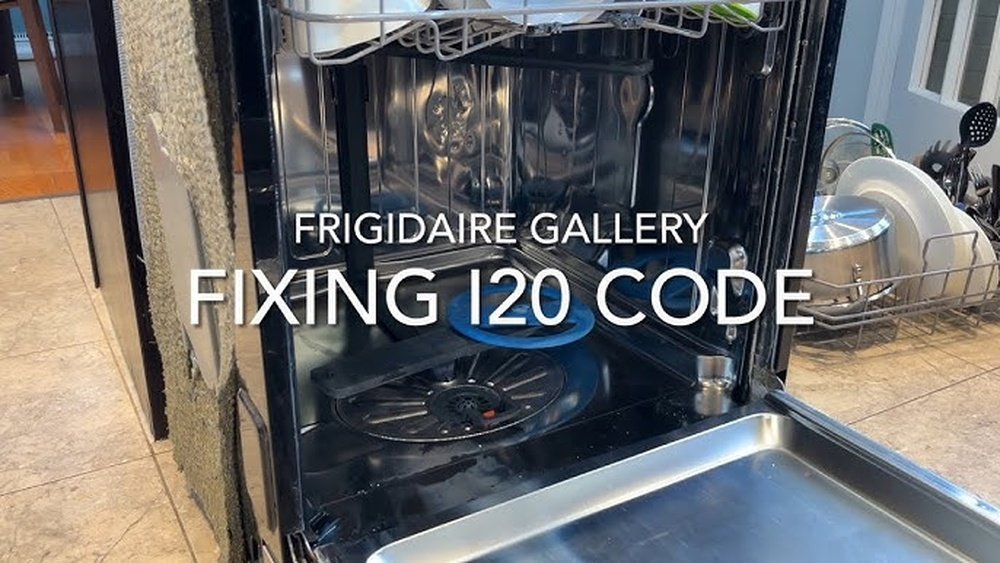
A sudden I20 error on your dishwasher can turn a simple kitchen cleanup into a confusing challenge. You may press the start button, but the machine won’t run. Maybe water stands at the bottom, or you hear strange noises. For many people, these errors feel mysterious. But the good news is: the I20 error is not as complex as it seems. With the right steps, you can fix this issue yourself and avoid the cost or wait of a service call.
This guide will teach you exactly how to fix the I20 error on your dishwasher. You will learn what the code means, why it happens, and what to check. Every common cause is explained in simple terms, with practical tips and real examples. Whether you have a Frigidaire, Electrolux, or another brand, these solutions work for most models showing the I20 code. You’ll also see data tables to compare symptoms, cleaning methods, and the cost of repairs. If you want to get your dishwasher running again and save money, keep reading.
What Does The I20 Error Mean?
The I20 error code signals a problem with draining water from your dishwasher. When you see I20 on the display, the machine’s sensors have detected that water is not leaving the tub as expected. Most dishwashers drain water during and after washing dishes. If the system senses standing water or slow drainage, it shows this code.
This error is common in Frigidaire and Electrolux models, but other brands sometimes use similar codes. The meaning is consistent: the drain system is blocked, restricted, or the drain pump is not working properly.
Why The I20 Error Happens
Several reasons can trigger the I20 error. These include:
- Clogged filters
- Blocked drain hose
- Faulty drain pump
- Incorrect installation
- Obstructed air gap
- Garbage disposal issues
- Sensor or control board problems
Most of these issues are easy to check at home. Some need only a few minutes and basic tools. By understanding the main causes, you can fix the problem faster and prevent it from happening again.

Credit: www.youtube.com
How To Fix I20 Error On Dishwasher: 20 Key Steps
Let’s break down the 20 most effective steps to fix the I20 error. Each one targets a possible cause. Follow these steps carefully, and you’ll have the best chance of solving the problem.
1. Turn Off Power And Water Supply
Safety is always first. Before you touch any part of your dishwasher, unplug the machine or switch off the circuit breaker. Turn off the water supply valve if needed. This prevents electrical shock and water leaks.
Many beginners forget this step. Don’t risk your safety—always cut power and water before repairs.
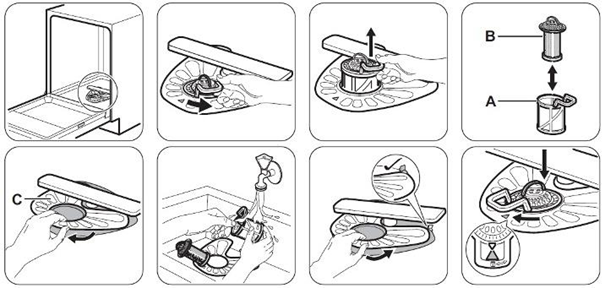
2. Open And Inspect The Dishwasher Filter
The filter is usually at the bottom of the tub, below the lower spray arm. It catches food bits and debris, preventing them from clogging the drain.
Take out the filter by twisting or unlocking it (follow your manual). Hold it under running water and use a soft brush to scrub away grease or buildup. A clogged filter is the most common cause of I20 errors. Clean it well before moving to the next step.
3. Examine The Drain Hose For Blockages
The drain hose carries dirty water from the dishwasher to the sink drain or garbage disposal. If it’s bent, crushed, or blocked, water cannot flow out.
Disconnect the hose from both ends. Use a long flexible brush or a straightened wire hanger to clear out debris. For stubborn clogs, push water through with gentle pressure. Reconnect the hose, making sure it’s straight, without kinks.
4. Clean The Sump Area
The sump is the small well under the filter where dirty water collects before draining. Food scraps, glass shards, or labels can get stuck here.
Shine a flashlight inside and use your fingers (wear gloves) to pull out any gunk. A blocked sump will prevent the pump from working properly.
5. Check The Drain Pump For Obstructions
The drain pump pushes water out of the machine. Coins, bits of glass, or plastic can block the impeller.
To check it, remove the lower kickplate (usually with a screwdriver). Locate the pump (refer to your manual). Look for blockages and remove them gently. If the pump is very noisy or doesn’t spin, it may need replacement.
6. Test The Pump For Power
If the pump is clean but does not run, test it with a multimeter. Unplug the wires and check for continuity at the terminals.
A good pump should show a low resistance (often 30–40 ohms). If there’s no reading, the pump is faulty and must be replaced. This step is important—many people change pumps without testing them first.
7. Inspect The Air Gap
If your dishwasher has an air gap (a small cylinder on the sink), it prevents dirty water from flowing back into the dishwasher.
Twist off the cap and clean out any buildup inside. A blocked air gap can cause the I20 code even if everything else is clear.
8. Check The Garbage Disposal Connection
If your drain hose connects to a garbage disposal, make sure it’s not clogged. Run the disposal with cold water to clear it. New disposals sometimes have a plastic plug that must be removed where the hose attaches. If not removed, water cannot flow out.
9. Look For Kinks Or High Loops In The Drain Hose
The hose should have a high loop (attached high under the sink) to prevent backflow. But if it’s kinked, water can’t drain.
Straighten the hose and secure the high loop with a clip or screw. Make sure the hose runs smoothly from the dishwasher to the drain.
10. Run A Diagnostic Cycle
Most modern dishwashers have a diagnostic mode. Check your manual or search your model online for instructions. Running this test can show hidden issues, such as stuck relays or faulty sensors.
Write down any extra error codes that appear—they can help you or a technician fix the issue faster.
11. Clean The Spray Arms
If the spray arms are clogged, food debris can stay in the tub and block the filter or sump. Remove the spray arms and rinse them under water. Use a toothpick to clear small holes.
This step is often missed but makes a big difference, especially if you notice poor cleaning performance.
12. Inspect The Float Switch
The float switch prevents overfilling. If it’s stuck or dirty, the dishwasher may think there’s water in the tub when it’s not.
Lift the float (usually a small dome near the front or side). It should move freely. Clean around it and make sure it’s not jammed with food or hard water scale.
13. Check For Clogs In The Sink Drain
Sometimes, the sink drain is the problem. If water drains slowly from your sink, it can block the dishwasher’s discharge path.
Run hot water in the sink and use a plunger if needed. Clear any clogs before running the dishwasher again.
14. Examine The Control Board And Wiring
Rarely, a faulty control board or loose wire can cause false I20 codes. Open the access panel and check for burnt spots, loose connectors, or visible damage.
If you’re unsure, call a technician. But a quick visual check can save time and money.
15. Make Sure The Dishwasher Is Level
If the machine is not level, water can pool at one end and trigger the drain error. Use a bubble level or smartphone app.
Adjust the feet until the machine sits flat. This is an easy fix that many owners overlook.
16. Use Dishwasher Cleaner Regularly
A dishwasher cleaner helps dissolve grease, limescale, and buildup in hidden places. Use a cleaner every 1–2 months, especially if you have hard water.
Cleaner can prevent future I20 errors and keep your machine running smoothly.
17. Avoid Overloading The Dishwasher
Packing the dishwasher too full blocks spray arms and prevents proper draining. Follow the manufacturer’s loading guide.
Leave space between dishes, and don’t block the filter or drain area. Overloading is a leading cause of poor performance and error codes.
18. Confirm Proper Drain Hose Installation
The drain hose should rise above the sink drain before dropping down. This “high loop” or air gap design stops dirty water from flowing backward.
Check your installation against the manual. Fix any routing mistakes for reliable draining.
19. Reset The Dishwasher
After making changes, reset the dishwasher. Most models reset by holding the start/cancel button for 3–5 seconds or unplugging the power for a minute.
This clears stored errors and lets the machine test the drain system again. Many people skip this step—don’t forget it.
20. Call A Technician For Advanced Problems
If you’ve tried all steps and the I20 error returns, it’s time to call a qualified technician. Some issues require special tools or parts, such as a new control board or advanced wiring repairs.
Keep a list of what you’ve checked. This helps the repair person fix the problem faster and reduces labor costs.
Common Symptoms Of The I20 Error
Understanding the warning signs helps you act before things get worse. Here’s a quick comparison of common symptoms associated with the I20 error:
| Symptom | Possible Cause | Best Quick Fix |
|---|---|---|
| Standing water in tub | Clogged filter or drain hose | Clean filter, check hose |
| No draining sound | Faulty pump or power issue | Test/replace pump |
| Slow draining | Partial blockage in hose or sump | Clear sump and hose |
| Strange noises | Foreign object in pump | Check and remove object |
| Water leaks | Poor hose installation | Secure and reposition hose |
These symptoms often appear together, but sometimes only one is present. Act quickly to prevent water damage or bigger repairs.
Cost Comparison: Diy Vs. Professional Repair
Many people worry about the cost of fixing the I20 error. Here’s a data-based look at repair costs, so you can make an informed choice:
| Repair Step | DIY Cost (USD) | Professional Cost (USD) |
|---|---|---|
| Clean filter/hose | Free | $75–$150 |
| Replace drain pump | $30–$80 | $150–$350 |
| Replace control board | $60–$180 | $200–$500 |
| Professional diagnosis | – | $90–$120 |
Doing basic checks yourself can save hundreds of dollars. For advanced repairs, professional help is worth the investment to avoid mistakes.
Step-by-step Cleaning Guide For Filters And Hoses
For best results, follow this cleaning guide:
| Step | Time Needed | Tools/Materials | Tips |
|---|---|---|---|
| Remove and rinse filter | 5 min | Soft brush, gloves | Use warm, soapy water |
| Clear drain hose | 10–20 min | Flexible brush, bucket | Flush with water after cleaning |
| Clean sump area | 5 min | Flashlight, gloves | Check for glass or hard debris |
Regular cleaning prevents the I20 error and extends your dishwasher’s life.
Two Non-obvious Insights For Beginners
- A slow-draining sink can trigger dishwasher errors. Even if your dishwasher seems clean, a clogged kitchen drain will back up water into the machine. Always check your sink before calling for repairs.
- Dishwasher detergents matter. Cheap or incorrect detergents can cause heavy suds, which block filters and hoses over time. Use only recommended brands and amounts for your model.
Practical Tips To Prevent I20 Errors
- Scrape large food scraps off dishes before loading.
- Run hot water in your sink before starting the dishwasher.
- Clean the filter monthly and the drain hose every six months.
- Check for leaks or water at the bottom of the machine after each cycle.
- Never pour grease or oil down the sink.
Credit: support.electrolux.ie
When To Replace Parts
If you find a broken or worn part during your checks, replace it as soon as possible. Here’s when to consider new parts:
- Drain pump: If it doesn’t run or tests “open” on a multimeter.
- Filter: If it’s cracked or doesn’t fit tightly.
- Drain hose: If it’s brittle, leaking, or cannot be fully cleaned.
- Control board: If it shows signs of burning or fails diagnostic tests.
Buy parts from reputable dealers or the manufacturer’s website. Avoid no-name parts, as they often fail quickly.
The Role Of Maintenance In Avoiding Future Errors
Regular maintenance is the best way to avoid I20 errors. Schedule a monthly “deep clean” of your dishwasher, including all filters and spray arms. Use a dishwasher cleaner every two months.
If you live in an area with hard water, consider a water softener. Hard water causes mineral buildup, which blocks filters and hoses.
Keep a maintenance log. This helps you track when each part was cleaned or replaced and can be useful for warranty claims.
Advanced Troubleshooting For Persistent I20 Errors
If the error code returns after all basic steps, try these advanced checks:
- Test the pressure sensor with a multimeter.
- Inspect the control board for damaged solder joints.
- Check all wiring connections for corrosion or looseness.
- Run a full diagnostic using your model’s secret code (search online or in your manual).
These steps require more skill and may void your warranty. If you’re not comfortable, call a technician.
Environmental Impact Of Dishwasher Drainage Problems
Blocked dishwashers can waste hundreds of gallons of water yearly. Leaks or overflows may damage floors and cabinets, leading to expensive repairs and environmental waste. Fixing the I20 error promptly helps conserve water and reduce your home’s carbon footprint.
If you need information on proper disposal of old parts or recycling, consult your local waste authority or visit EPA’s recycling guide.

Credit: smartapplianceservices.com
Frequently Asked Questions
What Does The I20 Error Mean On A Frigidaire Dishwasher?
The I20 error signals a problem with draining water. It means the machine senses that water is not leaving the tub as it should. This is often due to a blocked filter, drain hose, or a faulty pump.
Can I Fix The I20 Error Myself?
Yes, in most cases you can fix the I20 error without a technician. Start by cleaning the filter, checking the drain hose, and clearing any blockages. Only call a professional if you have tried all basic steps and the error remains.
How Often Should I Clean The Dishwasher Filter?
Clean the dishwasher filter once a month for best results. If you use your machine daily or wash greasy dishes often, clean it more frequently to prevent clogs and errors.
Is It Safe To Use Chemical Drain Cleaners In My Dishwasher?
No, you should not use chemical drain cleaners in your dishwasher. These chemicals can damage seals, hoses, and the pump. Always use cleaners made specifically for dishwashers or natural solutions like hot water and vinegar.
What If My Dishwasher Shows I20 And Won’t Reset?
If the I20 error won’t reset, unplug the dishwasher for 1–2 minutes and plug it back in. If the code returns, check for remaining blockages or a faulty pump. Persistent errors after all checks may require a technician.
Fixing the I20 error on your dishwasher is possible for most homeowners. With these 20 steps and practical advice, you can save money and avoid the hassle of a broken appliance. Regular cleaning and careful use will keep your dishwasher running smoothly for years.
If you ever feel stuck, don’t hesitate to reach out to a professional or consult your manufacturer’s support page.