
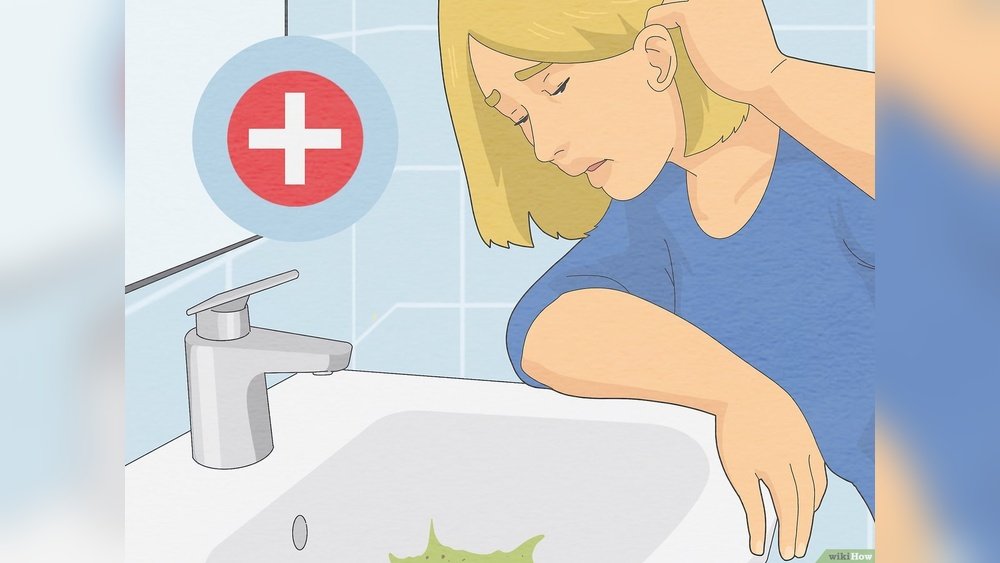
Cleaning up after someone vomits in a sink is never pleasant. But it’s a situation many people face, especially in homes with children, parties, or after a sudden illness. When you see throw up sitting in your sink, it’s normal to feel stressed or even a bit lost on what to do next. You want to get rid of it quickly, safely, and without making the mess worse. The good news is, with the right steps, you can dissolve and clean up vomit in your sink without causing damage or spreading bad smells around your home.
This article will walk you through the entire process, from understanding why vomit can block your sink, to using the right cleaning products and safe methods for dissolving and removing it. You’ll learn exactly what to do, what not to do, and how to restore your sink to a fresh and sanitary state.
Even if you’ve never handled this kind of clean-up before, you’ll get all the advice and tips you need to feel confident and keep your home healthy.
Why Throw Up Is A Problem In Sinks
When vomit ends up in a sink, it often brings more problems than just a bad smell. Vomit is a mixture of food, stomach acid, and sometimes bile. This combination is thick, sticky, and can quickly block drains. The solid chunks may not flow down the pipes easily, and the acidic content can damage sink surfaces if not cleaned promptly.
Let’s look at some reasons why vomit is particularly troublesome in sinks:
- Drain Clogs: Food chunks and thick fluids don’t easily pass through the drain. They can get stuck, leading to slow drainage or a total blockage.
- Stains and Odors: The acidic nature of vomit can stain sinks, especially if left for a while. Bad smells can linger, spreading through your kitchen or bathroom.
- Bacteria and Germs: Vomit contains bacteria from the stomach. If not cleaned well, germs can remain on the sink and spread illness.
- Damage to Pipes: Over time, acid and solids can damage pipes, especially if the plumbing is old or made from sensitive materials.
For these reasons, it’s important to act quickly and use the right methods to dissolve and clean up vomit in your sink.
First Steps: Immediate Actions After Vomit In The Sink
If you discover vomit in your sink, don’t panic. Quick and smart actions can make the job much easier.
1. Protect Yourself
Before you do anything, protect yourself from germs and unpleasant contact. Wear disposable gloves if you have them. If not, use plastic bags over your hands as a barrier. Open a window or turn on a fan to reduce smell.
2. Remove Large Chunks First
Don’t try to wash everything down the drain at once. Use a paper towel or disposable spoon to scoop out large pieces and put them into a plastic bag. Tie the bag and throw it in the outside trash.
3. Flush With Warm Water
Run warm (not boiling) water into the sink. This helps loosen any stuck material. Don’t use very hot water, as it can spread smells or damage some sink types.
4. Avoid Using The Sink Until Fully Cleaned
Once you start cleaning, avoid using the sink for other activities. This helps prevent spreading germs and keeps the area contained.

Credit: www.wikihow.com
Tools And Supplies You Will Need
Having the right tools and supplies makes the cleaning process easier and safer. Here’s what you’ll need:
- Disposable gloves
- Paper towels or disposable cloths
- Plastic bags
- Sponge or scrub brush
- Dish soap
- White vinegar
- Baking soda
- Bleach (use carefully)
- Plunger (if the drain is blocked)
- Bucket (for rinsing)
- Old toothbrush (for scrubbing hard-to-reach areas)
Most of these items are common household supplies. If you don’t have one, there are usually alternatives, but gloves and a bag for waste are essential for hygiene.
Step-by-step Guide: How To Dissolve Throw Up In A Sink
Cleaning vomit from a sink involves several careful steps. Rushing or skipping steps can lead to clogs, stains, or lingering odors.
Step 1: Safety And Preparation
Wear your gloves and make sure the area is well-ventilated. Gather all your cleaning supplies and keep them within reach.
Step 2: Remove Solids
Use paper towels or a disposable spoon to gently remove any solid pieces of vomit. Place all waste in a plastic bag, tie securely, and dispose of it outside to avoid bad smells in your home.
Step 3: Initial Rinse
Run warm water (not hot) to help dissolve remaining residue. This helps loosen particles stuck in the drain or on sink surfaces.
Important: Never pour boiling water directly onto porcelain or ceramic sinks, as rapid temperature changes can crack the surface.
Step 4: Apply Dish Soap
Squirt a generous amount of dish soap around the sink and directly over any remaining stains or residue. Dish soap helps break down fats and proteins in vomit.
Use a sponge or brush to scrub the sink gently in circular motions. Focus on areas with stuck-on particles.
Step 5: Baking Soda And Vinegar Reaction
This step helps to dissolve stubborn material and deodorize the sink.
- Sprinkle a thick layer of baking soda over the sink and around the drain.
- Pour white vinegar slowly onto the baking soda. You’ll see fizzing and bubbling – this is normal and helps break down organic matter.
- Let the mixture sit for 10-15 minutes.
Step 6: Scrub And Rinse
After the reaction stops, scrub the sink again with your sponge or brush. Use an old toothbrush to clean around the drain and faucet edges.
Rinse thoroughly with warm water.
Step 7: Check The Drain
If water is draining slowly, there may still be a clog in the pipes. Try using a plunger to gently clear the drain. Place the plunger over the drain and pump a few times.
If you suspect a deeper clog, pour 1/2 cup baking soda followed by 1 cup of vinegar down the drain. Wait 20 minutes, then rinse with hot water.
Step 8: Disinfect
After removing all visible residue, disinfect the sink to kill any remaining germs. You can use a bleach solution (1 tablespoon bleach in 1 quart of water). Wipe the entire sink surface and let it sit for at least 5 minutes before rinsing.
Tip: Avoid mixing bleach with vinegar or other cleaners, as this creates dangerous fumes.
Step 9: Deodorize
If any smell remains, fill the sink with a mixture of water and lemon juice or a few drops of essential oil. Let it stand for 10 minutes, then drain and rinse.
Step 10: Final Rinse And Dry
Rinse the sink one last time with clean water. Dry with a paper towel to prevent water spots and ensure all residue is gone.
Comparing Common Sink Cleaners For Vomit
Different cleaning products can be used to break down and dissolve vomit. Here’s a comparison to help you choose:
| Cleaner | Effectiveness | Odor Control | Safety | Cost |
|---|---|---|---|---|
| Baking Soda & Vinegar | Good | Excellent | Very Safe | Low |
| Dish Soap | Good | Moderate | Very Safe | Low |
| Bleach Solution | Excellent | Good | Caution Needed | Low |
| Commercial Drain Cleaner | Very High | Good | Use with Care | Medium-High |
Using Commercial Drain Cleaners: When And How
Sometimes, natural methods aren’t enough. If your sink is still blocked, you may consider using a commercial drain cleaner. These products are strong and can dissolve many types of organic matter, including vomit.
When To Use
- If water backs up and will not drain after using a plunger and baking soda/vinegar.
- If there is a persistent smell or visible material in the drain.
How To Use Safely
- Always read the instructions on the product label.
- Wear gloves and eye protection.
- Pour the recommended amount directly into the drain.
- Wait the specified time (usually 15-30 minutes).
- Rinse with plenty of water.
Warning: Never mix drain cleaners with other chemicals or cleaners, as this can cause dangerous reactions.
Risks And Considerations
- Overuse of harsh chemicals can damage pipes, especially in older homes.
- Some cleaners are not safe for septic systems.
- Always ventilate the area to avoid breathing fumes.
:max_bytes(150000):strip_icc()/freshen-and-unclog-drain-with-baking-soda-1900466-18-c22935c11d454612a116f10824a0d82f.jpg)
Credit: www.thespruce.com
Preventing Sink Clogs And Odors From Vomit
Prevention is the best approach. Here are some practical steps to make future cleanups easier:
- Remove Solids First: Always scoop out large chunks before rinsing the sink.
- Flush with Plenty of Water: After cleaning, run warm water for at least 30 seconds.
- Regular Maintenance: Clean your sink and drain weekly with baking soda and vinegar to prevent buildup.
- Use a Sink Strainer: This catches large particles and keeps them out of the drain.
- Educate Family Members: Teach children and others in your home not to push solids down the sink.
What Not To Do: Common Mistakes To Avoid
Trying to clean vomit from a sink can go wrong if you make simple mistakes. Here are errors to avoid:
- Don’t Use Boiling Water on Cold Sinks: Pouring boiling water on a cold porcelain or ceramic sink can crack the surface.
- Avoid Mixing Cleaners: Never mix bleach with vinegar or ammonia; it can create toxic gases.
- Don’t Force Solids Down the Drain: Forcing food chunks down the drain can create a worse clog.
- Don’t Ignore Persistent Odors: If a bad smell remains after cleaning, check for hidden buildup in the drain.
- Don’t Use Metal Tools to Scrape: Metal can scratch and damage your sink surface.
Natural Vs. Chemical Methods: Which Works Best?
You may wonder if natural methods are as effective as chemical ones. Each has its pros and cons, depending on the situation.
| Method | Pros | Cons | Best Use Case |
|---|---|---|---|
| Natural (Baking Soda & Vinegar) | Safe, eco-friendly, cheap | May not clear severe clogs | Light to moderate cleanup |
| Chemical (Drain Cleaner) | Fast, powerful | Harsh on pipes, not eco-friendly | Severe or stubborn clogs |
Tip: Start with natural methods. Use chemicals only if the blockage or odor persists.
How To Deep Clean Your Sink After Vomit
Even after removing all visible vomit, your sink can still harbor bacteria and smells. A deep clean is sometimes necessary.
Steps For Deep Cleaning:
- Scrub All Surfaces: Use a brush and dish soap on all sink surfaces, including corners and the faucet.
- Disinfect: Wipe with a diluted bleach solution. Let it sit for 5-10 minutes, then rinse well.
- Clean the Drain Stopper: Remove the stopper and scrub it separately. Soak in vinegar if needed.
- Deodorize: Place a cup of baking soda in the drain and let it sit overnight, then rinse with hot water.
- Polish: If your sink is stainless steel, use a cleaner or a mix of vinegar and water to shine it.
Insight: Many people forget to clean the faucet handles and the area around the drain, where bacteria can hide. Give these areas extra attention.
Safe Disposal Of Vomit Waste
How you dispose of vomit waste matters for hygiene and odor control.
- Always use sealed plastic bags.
- Take bags outside immediately; don’t leave them indoors.
- Clean and disinfect any tools or containers used to remove solids.
Non-obvious tip: Double-bag the waste if it’s very wet or smelly to prevent leaks.
Handling Vomit In Different Sink Types
Your cleaning method may change depending on the material of your sink.
| Sink Material | Best Cleaning Method | What to Avoid |
|---|---|---|
| Stainless Steel | Baking soda, vinegar, dish soap | Bleach (can discolor), abrasive pads |
| Porcelain/Ceramic | Diluted bleach, baking soda, mild scrub | Boiling water, harsh abrasives |
| Composite/Granite | Mild soap, vinegar, soft brush | Strong chemicals, stiff brushes |
Non-obvious insight: Many sink stains are worsened by using the wrong cleaner. Always check your sink’s material before using harsh products.
How To Keep Your Sink Fresh After Cleaning Vomit
Keeping your sink clean and odor-free is easier than you think. Here are some habits to adopt:
- Rinse the Sink After Every Use: This helps wash away small particles before they dry.
- Weekly Deep Clean: Use baking soda and vinegar for a natural clean.
- Use Lemon Slices: Rubbing lemon on the sink surface adds freshness and helps remove stains.
- Don’t Let Waste Sit: Take out trash and clean up vomit as soon as possible.
Practical example: After someone gets sick, keep a small kit with gloves, towels, and baking soda under the sink for quick access.
When To Call A Professional Plumber
Sometimes, despite your best efforts, the sink remains blocked or smells bad. This can mean a serious clog or pipe problem.
Call a plumber if:
- Water does not drain at all after multiple cleaning attempts.
- You notice leaks under the sink after cleaning.
- There is a foul smell that won’t go away.
- You see backflow (water coming up from the drain).
A plumber has special tools to clear drains and can check for deeper problems in your pipes.

Credit: www.youtube.com
Health And Hygiene: Keeping Your Family Safe
Cleaning up vomit is not just about appearance or smell. It’s also about protecting your health.
- Always wash your hands thoroughly after cleaning, even if you wore gloves.
- Disinfect all cleaning tools or throw them away.
- Clean surrounding surfaces, especially in a bathroom or kitchen where food is prepared.
Quick fact: Vomit can spread viruses like norovirus or rotavirus, so disinfecting is essential.
Extra Tips For Faster And Easier Cleanup
- Sprinkle baking soda on wet vomit before scooping. It absorbs liquid and makes removal less messy.
- Keep a small bottle of white vinegar and a box of baking soda in your bathroom or kitchen for emergencies.
- Use a mask if the smell is very strong or makes you feel sick.
Pro tip: If you have a garbage disposal, avoid putting large pieces of food or solids from vomit into it. This can jam the blades and cause more problems.
Frequently Asked Questions
What Should I Do If Vomit Clogs My Sink Completely?
If your sink is fully clogged, first try to remove as much solid material as possible with paper towels or a spoon. Then, use a plunger to try to clear the drain. If that doesn’t work, pour baking soda and vinegar down the drain, let it sit, and flush with hot water.
For stubborn clogs, you may need a commercial drain cleaner or to call a professional plumber.
Is It Safe To Use Bleach To Clean Vomit In The Sink?
Yes, bleach is effective for disinfecting and removing germs after the visible vomit is gone. Mix 1 tablespoon bleach in 1 quart of water. Wipe all surfaces and let the bleach sit for a few minutes before rinsing. Never mix bleach with vinegar or ammonia, as this can produce toxic fumes.
Can I Use A Garbage Disposal To Get Rid Of Vomit In The Sink?
It’s better to avoid putting large pieces of vomit or thick material into a garbage disposal. Solids can jam the blades or block the drain. Always remove as much solid matter as possible and dispose of it in the trash first.
How Can I Get Rid Of Vomit Smell From My Sink?
After cleaning, sprinkle baking soda in the drain and let it sit for a few hours or overnight. Rinse with hot water. You can also use lemon juice or vinegar to deodorize. If the smell persists, check for hidden residue in the drain or call a plumber.
Where Can I Find More Information About Cleaning And Home Hygiene?
For more detailed information on home cleaning methods, you can visit the Centers for Disease Control and Prevention (CDC) website.
Cleaning vomit from a sink is never fun, but with the right knowledge and tools, you can handle it quickly and safely. By following these steps, you’ll protect your home, keep your family safe, and prevent future problems. Remember, act quickly, use the right cleaners, and don’t hesitate to call for help if you need it.
Your sink can be clean and fresh again in no time.