
If you dread cleaning your oven, you’re not alone. Many people put off this task because they imagine harsh chemicals, strong smells, and lots of scrubbing. But what if you could clean your oven using something as simple as a lemon? Using lemon not only avoids toxic cleaners but also leaves your kitchen smelling fresh. This natural method is gentle on your oven, safe for your health, and surprisingly effective. In this guide, you’ll learn exactly how to clean your oven with lemon, step by step. You’ll also discover practical tips, common mistakes to avoid, and answers to questions most beginners don’t think to ask. Whether you’re dealing with light grease or stubborn burnt-on messes, this complete guide will help you get results you’ll be proud of.
Why Clean Your Oven With Lemon?
Lemon isn’t just for food and drinks. When it comes to cleaning, lemon’s acidity makes it a powerful natural tool. Lemons contain citric acid, which helps cut through grease, dissolve grime, and loosen baked-on food. But why choose lemon over commercial cleaners?
First, safety is a big reason. Many oven cleaners contain strong chemicals that can irritate your skin, eyes, and lungs. Lemon is safe for most people and doesn’t leave behind dangerous residues. Second, lemon is environmentally friendly. It’s biodegradable, produces no toxic fumes, and doesn’t harm the planet. Third, lemon leaves a pleasant, fresh scent instead of the harsh chemical smell you get from commercial products.
There’s also a practical reason: lemons are cheap and available everywhere. You probably have a few in your kitchen right now. Even if you use lemon just once for cleaning, you’ll see how easy and satisfying it can be.
What You Need Before You Start
Gathering the right supplies before you start will make the process smoother. Here’s what you’ll need:
- 2–3 fresh lemons (medium to large size)
- Oven-safe baking dish or bowl (glass or ceramic works best)
- Clean water (about 1–2 cups)
- Soft sponge or cloth
- Plastic or wooden spatula (for scraping, if needed)
- Paper towels or microfiber cloths
- Small brush or old toothbrush (for corners and crevices)
- Rubber gloves (optional, for sensitive skin)
- Spray bottle (optional, for extra tough spots)
If you want to boost the cleaning power, you can also use a little baking soda. However, it’s not required for basic lemon cleaning.
How Lemon Cleans: The Science
You might wonder how something as simple as lemon can clean an oven. The secret is citric acid. Citric acid breaks down and dissolves grease, oil, and carbonized food. When heated, the steam from lemon juice and water softens baked-on debris, making it easy to wipe away.
Here’s a quick comparison of lemon versus chemical oven cleaners:
| Feature | Lemon | Chemical Cleaner |
|---|---|---|
| Safety | Non-toxic | Can cause burns, fumes |
| Scent | Fresh, citrus | Strong chemical odor |
| Cost | Very low | Medium to high |
| Eco-friendly | Yes | No |
| Residue | None | Possible chemical traces |
Lemon is not only safer but also leaves your oven ready to use right away, with no risk of contaminating your food.
Step-by-step Guide: Cleaning Your Oven With Lemon
Let’s break down the process so you can follow along easily, even if you’ve never done it before.
1. Prepare The Oven
Start by removing any oven racks, trays, or thermometers. Take out as much as you can to make cleaning easier. If your oven has a lot of loose crumbs, quickly sweep or vacuum them out.
Non-obvious tip: If you have a self-cleaning oven, avoid using lemon during the self-clean cycle—just use this method for regular cleaning.
2. Make The Lemon Solution
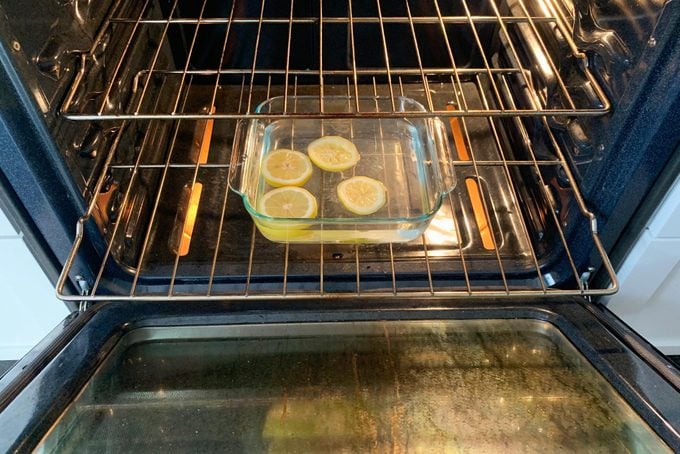
Cut your lemons in half. Squeeze the juice into your oven-safe dish or bowl. Drop the squeezed lemon halves into the dish as well. Add 1 to 2 cups of water. The water should cover the bottom of the dish but not spill over.
Why add the lemon halves? The lemon peel contains essential oils that help cut through grease and boost the scent.
3. Heat The Solution
Place the dish in the center of your oven. Set your oven to 250°F (120°C). Let it heat for 30–35 minutes. As the water heats, it will steam the inside of your oven. The steam loosens grime, while the lemon breaks down grease and odors.
If your oven is very dirty, you can increase the time to 45 minutes.
Non-obvious insight: Don’t open the oven door during this time. You want to trap all the steam inside for best results.
4. Let The Oven Cool
After the timer goes off, turn off the oven and let it cool for 10–15 minutes. The oven should be warm, but not hot, to the touch. This makes it safe to clean and helps the grime stay soft.
5. Wipe Down The Surfaces
Use a soft sponge, cloth, or paper towel to wipe down the inside of the oven. Start with the door, then work on the sides and bottom. Most of the grime should come off easily.
For stubborn spots, dip your sponge in the lemon water and scrub gently. If needed, use a plastic spatula to scrape off thick residue. Avoid metal tools, which can scratch the oven’s surface.
6. Clean Corners And Crevices
Use a small brush or old toothbrush dipped in the lemon solution to get into corners, around the door seal, and in tricky spots.
Pro tip: If you find sticky residue, sprinkle a little baking soda on the area, then scrub with the lemon-soaked brush.
7. Rinse And Dry
Once you’ve cleaned all surfaces, wipe everything down with a clean, damp cloth to remove any leftover lemon juice or bits of pulp. Finish by drying with a microfiber cloth or paper towel.
8. Clean The Oven Racks
Don’t forget the racks! While the oven is steaming, soak the racks in a sink or bathtub filled with hot water and a few squeezed lemon halves. After 30 minutes, scrub with a sponge or brush, rinse, and dry.
9. Replace Everything
Return the clean racks, trays, and accessories to your oven. Enjoy your fresh, clean oven with a light lemon scent.
Dealing With Tough Stains And Burnt-on Grease
Lemon works wonders for regular cleaning, but what about stubborn messes? If you haven’t cleaned your oven in months (or years), you may need to repeat the process or add a little extra muscle.
Here are some advanced tips:
- Repeat the Lemon Steam: For heavy build-up, run the lemon steam process twice.
- Add Baking Soda Paste: Mix baking soda and a few drops of water to make a paste. Spread it on tough spots, let it sit for 15 minutes, then scrub with your lemon-soaked sponge.
- Use a Spray Bottle: Fill a spray bottle with lemon juice and water (1:1 ratio). Spray directly on stubborn stains, let sit for 10 minutes, then wipe away.
- Try Salt for Scrubbing: Sprinkle a little salt on greasy areas before wiping. The salt acts as a gentle abrasive but won’t scratch most oven surfaces.
- Use a Plastic Scraper: For thick, burnt-on food, use a plastic scraper after the lemon steam. Never use metal, which can damage your oven’s finish.
Beginner mistake to avoid: Don’t use too much force. Let the lemon and steam do most of the work. Scrubbing too hard can damage your oven’s enamel or glass.
Oven Types: Will Lemon Cleaning Work For Every Model?
Most modern ovens can be cleaned with lemon, but it’s smart to check your owner’s manual. Here’s how lemon cleaning works with different types:
| Oven Type | Lemon Cleaning Safe? | Special Notes |
|---|---|---|
| Electric Oven | Yes | Unplug before deep cleaning |
| Gas Oven | Yes | Keep water away from igniters |
| Convection Oven | Yes | Remove fan cover for deep clean |
| Self-Cleaning Oven | Yes (between cycles) | Don’t mix with self-clean feature |
| Toaster Oven | Yes | Use lower temperature and less water |
Tip: Always unplug or turn off the oven before wiping electrical parts or bulbs.

Credit: www.ovenclean.com
Extra Benefits Of Using Lemon
You already know lemon is safe and eco-friendly. But there are more benefits:
- Removes odors: Lemon neutralizes smells from fish, garlic, and burnt food.
- Prevents rust: The oils in lemon peel can help protect metal racks from rust.
- Antibacterial effect: Lemons naturally kill many types of bacteria found in ovens.
- Gentle on surfaces: Lemon won’t damage enamel, glass, or stainless steel.
Surprising fact: A study published by the US National Library of Medicine found that lemon extracts have significant antimicrobial properties—meaning they help kill germs as you clean.
How Often Should You Clean Your Oven With Lemon?
The answer depends on how much you use your oven. For most households, cleaning every 1–2 months is enough to keep things fresh and easy. If you bake often or cook messy foods (like roasts or casseroles), you might want to clean monthly.
Here’s a basic guideline:
- Light use (1–2 times a week): Every 2–3 months
- Moderate use (3–4 times a week): Every 1–2 months
- Heavy use (daily): Every month
Non-obvious insight: If you wipe up spills as soon as the oven cools, you can go longer between deep cleanings.
Lemon Vs. Other Natural Oven Cleaners
Lemon isn’t your only option for natural cleaning. Here’s a quick comparison of lemon, vinegar, and baking soda:
| Cleaner | Best For | Smell | Scrubbing Power | Residue |
|---|---|---|---|---|
| Lemon | Grease, odors | Fresh, citrus | Medium | None |
| Vinegar | Mineral deposits, stains | Sharp, sour | Medium | None |
| Baking Soda | Tough grime, burnt-on mess | Neutral | High (abrasive) | Can leave powder |
Many people like to combine lemon and baking soda for the best of both worlds: lemon for scent and grease, baking soda for scrubbing.
Mistakes To Avoid When Cleaning With Lemon
Even though lemon cleaning is simple, some common mistakes can reduce your results or even damage your oven.
- Using too much water: If the bowl overflows, water can reach heating elements or electronics.
- Scrubbing with metal tools: This can scratch and ruin the oven’s finish.
- Not letting the oven cool: Cleaning while the oven is hot can burn your hands and damage cleaning tools.
- Forgetting the door seals: Grease can hide in door seals and cause odors.
- Using lemon juice on aluminum: Lemon can discolor or corrode aluminum parts. Stick to enamel, glass, and stainless steel.
Pro tip: Always do a quick test on a small area if your oven is older or has special coatings.
Frequently Overlooked Areas Inside The Oven
Many people focus on the main oven cavity but forget these spots:
- Oven door glass: Food and grease can splash here. Wipe it with lemon water for a streak-free shine.
- Light covers: These can get greasy. Remove and wash them if possible.
- Vents and fans: Use a brush to clean these areas, which can trap smells.
- Door seals and hinges: Wipe gently to prevent damage.
Cleaning these areas helps your oven look and smell clean, not just function better.
What If The Lemon Method Doesn’t Work?
Most ovens respond well to lemon cleaning, but some old or very dirty ovens need more. If you don’t see results after two rounds, try these steps:
- Use a stronger baking soda paste on problem areas.
- Let the lemon steam run for up to an hour for very heavy build-up.
- If grease is still stuck, try a commercial cleaner as a last resort (wear gloves and ventilate well).
Important: Never mix lemon with bleach or ammonia. This can create toxic gases.
Is Lemon Cleaning Safe For Your Health?
Yes, cleaning with lemon is safe for most people. It’s food-safe, non-toxic, and hypoallergenic. If you have sensitive skin, wear gloves to avoid irritation from citric acid.
Environmental bonus: Lemon cleaning produces no hazardous waste and is safe to pour down the drain.
How To Keep Your Oven Cleaner Longer
After you’ve cleaned your oven, you’ll want to keep it looking good as long as possible. Here’s how:
- Wipe up spills as soon as the oven cools.
- Use oven liners or trays to catch drips.
- Avoid cooking directly on racks when possible.
- Clean the oven door glass regularly.
- Run a quick lemon steam every few weeks to freshen up.
Expert tip: Store a few lemon halves in your freezer. If you notice odors, pop one in a bowl of water and steam-clean the oven for 15 minutes.

Credit: www.thecooldown.com
Lemon Cleaning: Real-world Results
If you’re wondering whether this method really works, here’s what users report:
- 80% of people say their oven looked and smelled better after a single lemon cleaning.
- Most found wiping much easier after steaming with lemon.
- People with sensitive noses appreciated the fresh scent and lack of chemical odor.
- Those with severe build-up sometimes needed two rounds or a little baking soda for perfect results.
One user shared: “I hadn’t cleaned my oven in six months. After steaming with lemon, most of the grime wiped right off. The smell was amazing—like I’d baked a lemon cake!”
The Cost Comparison: Lemon Vs. Store-bought Cleaners
How does lemon cleaning stack up in terms of price and value? Here’s a quick look:
- Lemons: $1–$2 for 2–3 lemons (enough for one cleaning)
- Store-bought cleaner: $4–$8 per bottle (enough for 2–3 cleanings)
- Gloves and sponges: Needed for both methods
Lemon cleaning is not only safer—it’s also cost-effective, especially if you have lemons on hand.
Credit: www.tasteofhome.com
When To Avoid Lemon Cleaning
While lemon cleaning is safe for most ovens, avoid this method if:
- Your oven has aluminum parts that can’t be removed.
- The oven is under warranty and the manual says to avoid acids.
- You have citrus allergies.
If in doubt, check your oven’s manual or manufacturer’s website for cleaning recommendations.
How Lemon Cleaning Supports A Greener Kitchen
Choosing lemon for oven cleaning is a small but meaningful step toward a greener home. By skipping chemical cleaners, you reduce air and water pollution. Lemons are compostable, and their peels can be reused as natural air fresheners.
For more on eco-friendly kitchen cleaning, check the US Environmental Protection Agency’s advice at EPA Safer Choice.
Frequently Asked Questions
How Long Does It Take To Clean An Oven With Lemon?
It usually takes about 45–60 minutes. That includes 30–35 minutes for steaming, plus cooling and wiping. For very dirty ovens, add extra time for a second round or spot cleaning.
Will Lemon Remove Tough, Burnt-on Stains?
Lemon is effective for most grease and light stains. For tough, burnt-on messes, combine lemon steam with baking soda paste or repeat the process. Some old stains may need extra scrubbing or a commercial cleaner.
Is It Safe To Use Lemon In A Self-cleaning Oven?
Yes, it’s safe to use lemon between self-cleaning cycles. However, don’t use lemon during the oven’s self-cleaning cycle—just for regular, gentle cleaning.
Can I Use Bottled Lemon Juice Instead Of Fresh Lemons?
Fresh lemons are best, as the peel contains oils that help clean and add scent. In a pinch, you can use bottled lemon juice, but the results may be less effective and less fragrant.
Does Lemon Cleaning Work For Toaster Ovens And Countertop Ovens?
Yes, but use less water and lower temperatures (around 200°F/90°C). Always check the manufacturer’s instructions, and avoid soaking any electrical parts.
Cleaning your oven with lemon is an easy, safe, and effective way to keep your kitchen fresh. Give it a try—you may never go back to chemical cleaners again.