
Keeping your electric griddle clean is much more than just about looks. A dirty griddle can affect the taste of your food, cause uneven heating, and even shorten the life of your appliance. Many people worry about getting water near the electrical parts or damaging the nonstick coating, so they avoid cleaning it thoroughly. But with the right steps, cleaning an electric griddle is safe, simple, and can even be quick.
If you use your griddle for pancakes, bacon, eggs, or grilled sandwiches, you know how fast grease and burnt bits can build up. This guide will show you exactly how to clean your electric griddle, prevent damage, and keep it working like new for years. You’ll also discover tips most beginners miss, like why seasoning your griddle matters, how to deal with tough stains, and what not to do if you want your griddle to last. Whether you use your griddle every weekend or just a few times a year, you’ll find clear, practical advice here.
Understanding Your Electric Griddle
Before you start cleaning, it helps to know the basic parts of an electric griddle. Most griddles have a nonstick cooking surface, a heating element, a temperature control dial, and a drip tray. Some models have removable plates or are fully immersible (the whole griddle can go into water), but many are not. The cleaning method depends on these features, so check your user manual if you’re unsure.
Electric griddles heat up fast and can cook large batches, but the nonstick layer is sensitive. Scratching or scrubbing too hard can ruin this surface, making food stick and cleaning harder in the future. Also, electrical parts must never get wet.
Understanding these points will help you clean safely and effectively.
Preparing To Clean Your Electric Griddle
Proper preparation makes cleaning easier and safer. Always unplug the griddle first and let it cool down until it’s just warm to the touch. Warm surfaces help loosen grease and food, but you don’t want it hot enough to burn you. Remove any leftover food and pour out excess oil into a heat-safe container.
Gather your cleaning supplies before you start:
- Soft sponge or cloth (avoid abrasive scrubbers)
- Mild dish soap
- Plastic scraper or spatula
- Paper towels or microfiber towel
- Warm water
- Small bowl or bucket
- Toothbrush or small soft brush (for crevices)
- Baking soda (for tough stains)
- White vinegar (optional, for odor or mineral deposits)
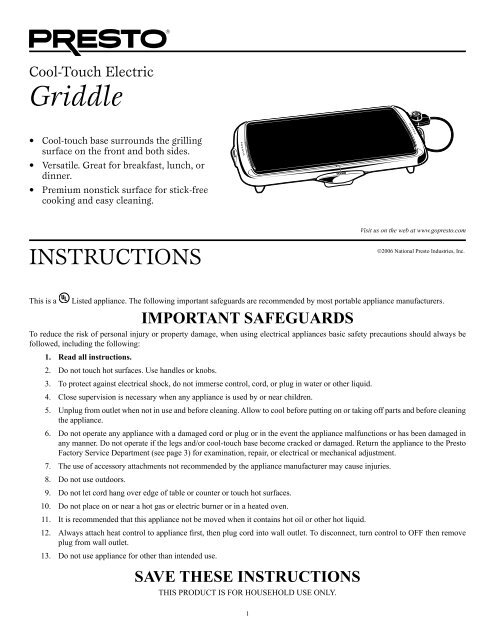
Never use steel wool, metal brushes, or harsh chemicals. These can scratch the surface and void the warranty.
Credit: www.yumpu.com
Step-by-step Guide: Cleaning An Electric Griddle
1. Unplug And Cool Down
Safety comes first. Unplug the griddle and let it cool until it’s just warm, not hot. This is the ideal temperature for cleaning. If the surface is cold, dried-on food can be harder to remove, so you may need to re-warm it slightly (plug in for 1-2 minutes, then unplug again).
2. Remove Loose Food And Grease
Use a paper towel or plastic spatula to sweep away crumbs, bacon bits, or leftover food. Wipe off as much grease as possible. This step makes washing easier and keeps your sponge from getting greasy too quickly.
3. Clean The Drip Tray
Most electric griddles have a removable drip tray to catch grease. Slide it out, empty it into the trash, and wash it in warm, soapy water like a regular dish. Dry thoroughly before putting it back.
4. Wash The Cooking Surface
Dip your soft sponge in warm, soapy water and wring it out so it’s damp, not dripping. Wipe the griddle’s surface in gentle circles. For stubborn spots, use a plastic scraper or spatula to loosen bits, but never use metal.
For stuck-on residue, sprinkle a little baking soda on the spot and add a few drops of water to make a paste. Let it sit for 10–15 minutes, then wipe gently. Baking soda is safe for most nonstick surfaces, but check your manual.
5. Clean The Edges And Crevices
Food and grease often collect at the edges or around the heating element. Use a toothbrush or small brush dipped in soapy water to reach tight spots. Be careful not to let water drip into electrical parts.
6. Rinse And Wipe
Use a clean, damp cloth to wipe away soap. Go over the surface a few times to make sure there is no soap left, as this can affect the taste of food. Dry with a paper towel or microfiber towel.
7. Clean The Exterior
Wipe the outside of the griddle (handles, base) with a damp cloth. Dry well to prevent streaks and water spots.
8. Reassemble And Store
Once everything is completely dry, reattach the drip tray and plug in the temperature control if you removed it. Store the griddle in a dry place.
Dealing With Tough Stains And Burnt-on Food
Sometimes, regular cleaning isn’t enough. Burnt cheese, pancake batter, or bacon grease can leave marks that need extra care. Here’s how to handle them without damaging your griddle.
Baking Soda Paste For Stubborn Spots
Mix 2 tablespoons of baking soda with enough water to make a thick paste. Spread the paste over the stain and let it sit for 15–30 minutes. Use a soft sponge to gently rub in circles. Most stains will lift without harsh scrubbing.
White Vinegar For Mineral Deposits
If you see white spots or mineral deposits (common in hard water areas), dip a cloth in white vinegar and wipe the surface. Rinse well after, and dry completely.
Steaming Method
For really tough, sticky messes, you can use steam. Put a few tablespoons of water on the warm (not hot) griddle, cover with a damp cloth, and let the steam loosen the residue for 5–10 minutes. Wipe clean with a sponge.
What Not To Do
- Never soak the whole griddle in water (unless your manual says it’s immersible).
- Don’t use sharp knives or metal tools on the surface.
- Avoid oven cleaners, bleach, or strong chemicals.

Credit: themontessoritwinmama.com
How Often Should You Clean Your Electric Griddle?
The best practice is to wipe down your griddle after every use. This prevents buildup and keeps cooking fast and easy. Deep cleaning (removing the drip tray, cleaning crevices) should be done every few uses or at least once a week if you cook often.
Here’s a comparison of cleaning frequency and typical results:
| Cleaning Frequency | Surface Condition | Time to Clean |
|---|---|---|
| After every use | Shiny, nonstick, no buildup | 2–5 minutes |
| Once a week | Light stains, some food bits | 5–10 minutes |
| Once a month or less | Heavy stains, sticky spots | 15–30 minutes |
Frequent cleaning also helps your griddle heat evenly and keeps your food tasting fresh.
Cleaning Different Types Of Electric Griddles
Not all electric griddles are the same. Some have extra features that change how you clean them.
Removable Plate Griddles
If your griddle has removable cooking plates, take them off and wash in warm, soapy water. Some are dishwasher safe, but always check your manual. Clean the base with a damp cloth.
Fully Immersible Griddles
A few models are labeled “fully immersible.” This means you can submerge the whole griddle in water after removing the temperature control. Make sure it’s unplugged and cool first. Wash, rinse, and dry thoroughly.
Griddles With Ceramic Coating
Ceramic surfaces are a bit tougher than standard nonstick but still need gentle cleaning. Avoid abrasive pads or powders.
Griddles With No Nonstick Coating
Some older or commercial griddles are plain metal. These can be scrubbed with a soft brush and a little more pressure, but always dry well to prevent rust.
Here’s a quick comparison of cleaning needs for different surface types:
| Surface Type | Cleaning Method | Special Care |
|---|---|---|
| Standard Nonstick | Soft sponge, mild soap | No abrasives, avoid soaking |
| Ceramic | Soft sponge, mild soap | Gentle scrubbing, no harsh cleaners |
| Removable Plates | Hand wash or dishwasher | Check for dishwasher safety |
| Plain Metal | Brush, mild soap | Dry well to prevent rust |
Drying And Storing Your Electric Griddle
Drying is not just about avoiding water spots. Any leftover moisture can cause rust (on metal parts) or damage electrical components.
- Towel dry all surfaces, especially corners and crevices.
- Air-dry for an hour before storing if possible.
- Never store your griddle while damp or with the cord wrapped tightly around hot parts.
Store your griddle in a clean, dry cupboard. If you use your griddle every day, leaving it on the counter is fine, but keep it covered to prevent dust.
Why Regular Cleaning Matters
A clean griddle isn’t just about hygiene. There are real benefits to consistent care:
- Better tasting food: Old grease can give food a burnt or off taste.
- Faster cooking: Buildup slows heat transfer.
- Longer appliance life: Grease and residue can damage heating elements and nonstick surfaces.
- Safer cooking: Grease buildup can cause smoke or even small fires.
Many beginners miss that seasoning your griddle—wiping a tiny amount of oil after cleaning—can protect the nonstick layer. This is especially useful for older griddles or if you notice food sticking more.
Common Cleaning Mistakes To Avoid
Even people who cook often make mistakes that ruin their griddles. Here are the most common errors:
- Using metal tools: These scratch the surface and make future cleaning harder.
- Washing while hot: Sudden temperature changes can warp the griddle or crack nonstick coating.
- Soaking the whole griddle: Water can get into electrical parts and cause shorts or corrosion.
- Not drying fully: Moisture leads to rust and electrical problems.
- Using harsh chemicals: These can damage both the surface and your food.
- Ignoring the drip tray: Grease buildup in the tray can cause odors or even fire hazards.
These mistakes are easy to avoid with good habits. If you’re not sure, always check your griddle’s manual—many are available online if you lost yours.
Tips For A Deeper Clean
If you want your electric griddle to look and perform like new, consider a deep clean every few months. Here’s how:
- Remove all removable parts: Drip tray, temperature dial, plates.
- Soak removable items: In warm, soapy water for 15–30 minutes.
- Clean the base: Use a damp cloth and toothbrush for seams and edges.
- Clean under the griddle: Wipe the feet and underside, which collect dust and oil.
- Check the cord: Wipe with a dry cloth, never wet.
- Polish the surface: After cleaning, rub a drop of cooking oil into the nonstick layer, then wipe off excess.
This level of care can add years to your griddle’s life and make every meal taste better.
Natural Cleaning Solutions
Many people prefer to avoid chemicals in the kitchen. You can clean your griddle well with just baking soda, vinegar, and lemon. These ingredients remove grease, stains, and odors safely.
- Baking soda: For mild scrubbing and odor removal.
- Vinegar: For mineral spots and disinfecting.
- Lemon juice: For fresh scent and grease cutting.
Mix these with warm water for a safe, eco-friendly clean.
What To Do If Water Gets Into The Electrical Parts
It happens—sometimes water gets where it shouldn’t. If the control dial, cord, or plug gets wet:
- Unplug the griddle immediately.
- Dry with towels as much as possible.
- Leave in a warm, dry place for 24–48 hours.
- Do not use until completely dry.
If you notice any strange smells, smoke, or it won’t turn on, contact the manufacturer or a repair service. Never try to use a griddle with wet electrical parts.

Credit: streetphotographersfoundation.com
How To Restore A Sticky Or Old Griddle
If your griddle is sticky or food always sticks, it may be time to “re-season” it. Here’s how:
- Clean the griddle as usual and dry well.
- Pour a few drops of cooking oil (like canola or vegetable) onto the surface.
- Use a paper towel to spread a thin, even layer.
- Heat the griddle to medium for 5–10 minutes.
- Let it cool, then wipe off extra oil.
This simple step fills in tiny scratches and helps food release easily.
Electric Griddle Cleaning: At-a-glance
For a quick review, here’s a summary of the key steps and reminders:
| Step | What to Do | Why It Matters |
|---|---|---|
| 1 | Unplug & cool down | Safety, easier cleaning |
| 2 | Remove food/grease | Prevents buildup |
| 3 | Clean drip tray | Reduces fire risk |
| 4 | Wash surface gently | Protects nonstick layer |
| 5 | Dry thoroughly | Prevents rust/electrical issues |
| 6 | Store properly | Extends appliance life |
Extra Insights And Pro Tips
- Don’t let grease sit overnight. The longer grease sits, the harder it is to remove and the more likely it will stain.
- Season lightly after every few cleanings. This keeps the nonstick layer working.
- If your griddle smells after cleaning, wipe with a lemon wedge, then rinse and dry.
- For extra shine, buff with a dry, soft towel after cleaning.
Many users skip cleaning the edges and drip tray, but these are common spots for bacteria and odors. Spend an extra minute here for a truly clean griddle.
Frequently Asked Questions
How Do I Clean A Griddle That Is Not Removable?
Use a damp (not wet) sponge with mild soap on the surface, carefully avoiding the electrical parts. Clean the drip tray separately. Wipe off all soap with a clean, damp cloth and dry thoroughly. Never immerse the griddle in water.
Can I Put My Electric Griddle In The Dishwasher?
Most electric griddles cannot go in the dishwasher. Only removable plates or drip trays may be dishwasher safe—check your manual to be sure. The base and electrical parts must always be hand-washed and kept dry.
What Should I Do If My Griddle’s Nonstick Coating Is Peeling?
Stop using metal tools and harsh cleaners right away. If food is sticking or the coating is flaking, consider replacing the griddle. Flaking nonstick material can mix with food and is not safe. For minor scratches, try seasoning the surface with oil.
Is It Safe To Use Baking Soda Or Vinegar On A Nonstick Electric Griddle?
Yes, both are generally safe if used gently. Baking soda is a mild abrasive and helps remove stains without scratching. Vinegar removes mineral spots and odors. Always rinse and dry well after using any cleaning agent.
Where Can I Find More Tips On Caring For Kitchen Appliances?
For more detailed guides on kitchen care, check resources like Consumer Reports, which offers expert advice on cleaning and maintaining all types of kitchen equipment.
Keeping your electric griddle clean doesn’t have to be hard or time-consuming. With the right habits, you’ll enjoy delicious meals, easy cleanup, and an appliance that lasts for years. Start building these simple routines today and your griddle will reward you every time you cook.