
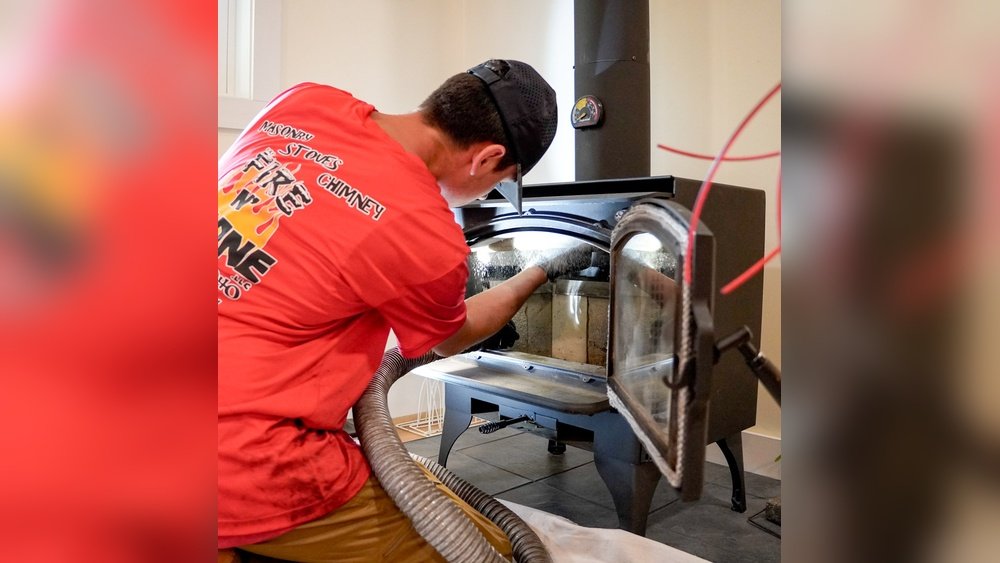
Keeping your wood burning stove working well isn’t just about adding logs and lighting a match. One of the most important – and often ignored – tasks is cleaning the chimney. A dirty chimney doesn’t just lower the stove’s efficiency; it can cause dangerous chimney fires, smoke leaks, and even carbon monoxide poisoning. Many homeowners are surprised to learn that creosote buildup, a sticky black residue, is the leading cause of thousands of house fires every year in the United States. The good news? With the right knowledge and tools, you can clean your chimney safely and keep your stove running smoothly all winter.
This guide will walk you through everything you need to know about cleaning the chimney of a wood burning stove. You’ll learn why chimney cleaning matters, the best times to do it, how to choose the right cleaning method, and step-by-step instructions for both DIY and professional cleaning.
We’ll cover safety, the best tools, what mistakes to avoid, and how to spot when your chimney needs attention. Whether you’re a new wood stove owner or have years of experience, you’ll find practical advice, useful tips, and answers to common questions.
Let’s get started.
Why Chimney Cleaning Is So Important
A wood burning stove produces both heat and smoke. As smoke travels up the chimney, it leaves behind creosote and soot. These substances stick to the chimney walls and build up over time.
Creosote is highly flammable. Even a thin layer can catch fire if the temperature inside the chimney gets high enough. According to the National Fire Protection Association (NFPA), chimney fires are a leading cause of house fires in rural areas. In fact, the U.S. Consumer Product Safety Commission reports that more than 20,000 residential fires each year are related to chimneys and solid-fuel heating appliances.
Besides fire risk, a dirty chimney can also cause:
- Smoke leaks into your living space
- Carbon monoxide buildup
- Poor stove performance and less heat
- Difficulties starting and maintaining fires
Regular cleaning removes creosote, soot, and blockages like bird nests or leaves. This keeps your home safe and your stove working efficiently.
How Often Should You Clean Your Chimney?
There’s no one-size-fits-all answer, but most experts recommend cleaning your chimney at least once a year. If you use your wood stove every day during winter, you may need to clean it twice a year or more.
Here are some signs you need to clean your chimney soon:
- You see thick black deposits (creosote) inside the flue
- Smoke backs up into the room when starting a fire
- You notice a strong, sooty smell even when the stove isn’t running
- Fires burn poorly or you see black, powdery bits falling into the stove
Homes using wood stoves as the main heat source usually need more frequent cleaning. Softer woods like pine create more creosote than hardwoods like oak or maple.

Credit: www.youtube.com
Understanding Chimney Design And Wood Stove Flues
Before you clean, it helps to know how your chimney is built. Most wood burning stoves use one of two types of chimneys:
- Masonry Chimney: Built from bricks or stone. Lined with clay or metal.
- Metal Chimney (Class A or Double Wall): Made of stainless steel or galvanized metal. Usually used with modern stoves.
The flue is the inner part that carries smoke and gases out of your house. Creosote builds up on the inner walls of the flue, especially near bends and the top where cooler air meets hot smoke.
Some chimneys have a cleanout door near the base. This makes it easier to remove debris after brushing.
Tools And Supplies Needed For Chimney Cleaning
Having the right tools makes the job safer and easier. Here’s what you’ll need for a typical wood stove chimney:
| Tool/Supply | Purpose | Tips |
|---|---|---|
| Chimney brush | Scrubs creosote from flue walls | Choose the right size for your flue |
| Rod extensions | Allows brush to reach entire flue | Flexible for bends; stiff for straight runs |
| Drop cloths | Protects floor and furniture from soot | Old sheets or plastic work well |
| Shop vacuum | Removes loose soot and debris | Use a HEPA filter if possible |
| Dust mask & goggles | Keeps soot out of your lungs and eyes | Essential for safety |
| Gloves | Protects hands from sharp edges | Heavy-duty leather is best |
| Flashlight | Helps you see inside the flue | Headlamps free up your hands |
| Chimney cleaning log (optional) | Loosens creosote before brushing | Not a substitute for brushing |
| Chimney cap (optional) | Keeps out rain and animals | Inspect and clean if installed |
Non-obvious tip: Not all chimney brushes are the same. Round steel brushes are best for masonry flues, while flexible poly brushes work better with metal liners to prevent scratching.

Credit: www.reddit.com
Choosing The Right Chimney Cleaning Method
There are two main ways to clean a chimney:
- Top-down cleaning: Start at the top of the chimney and brush downward. This is the most thorough method but requires roof access.
- Bottom-up cleaning: Insert the brush from inside the house, usually through the stove’s flue collar. Safer for most homeowners, especially if you’re not comfortable with heights.
Some people use chimney cleaning logs or chemical sprays. These can help loosen light creosote but do not replace manual brushing. Heavy buildup, blockages, or glazed creosote require physical cleaning.
Step-by-step Guide: How To Clean The Chimney Of A Wood Burning Stove
Follow these steps for a thorough cleaning. It’s best to clean the chimney when the stove hasn’t been used for at least 24 hours so everything is cool.
1. Prepare The Area
- Lay down drop cloths around the stove to protect floors and furniture.
- Remove all ashes and unburnt wood from the stove.
- Open windows or doors for good ventilation.
- Make sure your stove and chimney are completely cold.
2. Inspect The Chimney
- Use a flashlight to look inside the flue from both ends.
- Check for thick black creosote, nests, twigs, or other blockages.
- Inspect the outside of the chimney for cracks, missing mortar, or loose parts.
- If you see shiny, tar-like creosote (stage 3 creosote), manual cleaning is a must. Chimney cleaning logs won’t help with this.
3. Assemble Your Tools
- Choose the correct chimney brush size. It should fit snugly in the flue but not so tight that it gets stuck.
- Attach enough rod extensions to reach the full length of your chimney.
- Wear your gloves, dust mask, and goggles.
4. Clean From The Top Down (if Safe)
- Carefully climb onto the roof with a sturdy ladder. Always have someone nearby for safety.
- Remove the chimney cap if you have one.
- Insert the brush and push it down, scrubbing as you go.
- Add rod extensions as needed to reach the bottom.
- Move the brush up and down several times to loosen all creosote.
- If you have a straight metal chimney, use a poly brush to avoid scratching.
- Replace the cap when finished.
5. Clean From The Bottom Up (alternative Method)
- Remove the stove pipe or access the flue through the cleanout door.
- Attach the brush to a rod and insert it upward.
- Scrub all the way to the top, adding rods as needed.
- Withdraw the brush, bringing loosened soot and creosote downward.
- For stoves with bends in the flue, a flexible brush is often necessary.
6. Remove Debris And Soot
- After brushing, wait 10-15 minutes for dust to settle.
- Use a shop vacuum to remove fallen soot and debris from the stove and cleanout door.
- Wipe the inside of the stove and the glass door with a damp cloth.
7. Final Inspection
- Use your flashlight to inspect the flue. You should see mostly bare metal or masonry.
- Check that the chimney cap is secure and there are no blockages.
- Light a small fire to check for good draft (smoke should rise quickly up the chimney).
8. Clean Up
- Carefully fold and shake out the drop cloths outside.
- Wash gloves and any tools as needed.
- Safely dispose of creosote and soot. Do not compost or burn it.
When To Call A Professional Chimney Sweep
While many homeowners can safely clean their chimney, some situations require a professional:
- Very heavy creosote buildup, especially shiny or tar-like deposits
- Blockages that won’t budge (like stuck nests or bricks)
- Chimneys with complex bends or difficult roof access
- Any signs of chimney fire damage (cracked flue tiles, melted cap, etc.)
- If you’re unsure about your own safety or cleaning technique
Professional sweeps use specialized cameras, vacuums, and even chemical treatments for severe buildup. The cost ranges from $150 to $350 depending on location and chimney design, but it’s worth it for peace of mind and safety.
Comparing Diy And Professional Chimney Cleaning
Understanding the main differences can help you choose the best cleaning method for your needs.
| Aspect | DIY Cleaning | Professional Cleaning |
|---|---|---|
| Cost | Low (tools $50-$100, reusable) | Higher ($150-$350 per visit) |
| Thoroughness | Good for light/medium buildup | Best for all levels, including heavy or glazed creosote |
| Safety | Risk of injury if not careful | Professionals trained for roof and flue work |
| Inspection | Visual only (flashlight) | Uses cameras and advanced tools |
| Time | 1-2 hours for most homeowners | Usually 1 hour, but more thorough |
| When Needed | Routine annual maintenance | Heavy buildup, unknown issues, or after chimney fire |
Non-obvious insight: Even if you clean your own chimney, it’s smart to have a professional inspection every few years. They may spot hidden problems (like liner cracks or loose mortar) that you can’t see from the stove opening.

Credit: www.youtube.com
Tips To Reduce Creosote Buildup
Regular cleaning is important, but you can also reduce creosote by changing how you use your stove:
- Burn only dry, seasoned wood. Fresh wood is full of moisture, which creates more smoke and creosote.
- Keep fires hot. Low, smoldering fires lead to cooler flue temperatures and more creosote.
- Avoid burning trash, cardboard, or treated wood. These produce sticky deposits and dangerous fumes.
- Use smaller, split logs. They burn more completely and cleanly.
- Maintain good airflow. Open the damper fully when starting a fire, and don’t close it too soon.
Advanced tip: Use a stove thermometer on your flue pipe. Keep temperatures between 300°F and 500°F for efficient burning and less creosote.
Common Mistakes To Avoid
Many homeowners make errors that can damage their chimney or create safety risks.
- Using the wrong size brush. Too small leaves creosote behind; too large can get stuck.
- Skipping safety gear. Soot contains harmful particles; always use a mask and goggles.
- Ignoring the chimney cap. A blocked or damaged cap can cause leaks or animal nests.
- Rushing the job. Take time to inspect and clean thoroughly.
- Burning wet or soft wood. This produces more creosote.
- Not checking for blockages before cleaning. Trying to brush through a nest or large obstruction can cause damage or injury.
- Relying only on chimney cleaning logs. These do not replace manual brushing.
Safety Precautions For Chimney Cleaning
Chimney cleaning isn’t without risks. Protect yourself and your home by following these safety tips:
- Always let the stove and chimney cool for at least 24 hours before cleaning.
- Wear heavy gloves, a dust mask, and eye protection.
- If cleaning from the roof, use a sturdy ladder on level ground and secure yourself with a safety harness if possible.
- Never work on the roof in wet, icy, or windy conditions.
- Keep children and pets away from the area during cleaning.
- If you feel dizzy or short of breath, stop and get fresh air immediately (soot and creosote dust can be harmful).
- Have a fire extinguisher nearby, just in case.
How To Tell If Your Chimney Needs Cleaning
Not all signs of a dirty chimney are obvious. Look for these indicators:
- Fires are difficult to start or keep burning
- Smoke enters the room, even when the damper is open
- There’s a strong, sooty odor near the stove, even when not in use
- You see black, flaky, or sticky deposits in the stove or at the top of the chimney
- You hear animal noises (birds, squirrels) in the chimney
- Bits of debris, soot, or creosote fall into the firebox
Advanced sign: If you see what looks like thick, shiny tar inside the flue, this is glazed creosote. It’s very dangerous and must be removed by a professional.
What To Do After Cleaning
Once your chimney is clean, take these steps to keep your system working well:
- Burn a hot, small fire for 30 minutes to help dry out any remaining moisture.
- Inspect the area for leaks, cracks, or missing mortar.
- Check and clean the chimney cap to keep out rain and animals.
- Record the cleaning date in a notebook or on your phone calendar.
- Plan your next inspection and cleaning (at least once a year).
The Hidden Value Of Regular Chimney Cleaning
Many people see chimney cleaning as a chore. But regular maintenance brings real benefits:
- Prevents chimney fires: By removing creosote, you lower the risk of fire.
- Protects your home: Clean chimneys prevent smoke and carbon monoxide leaks.
- Saves money: A clean stove is more efficient, so you burn less wood and reduce heating costs.
- Extends stove life: Less buildup means less wear on your chimney and stove.
Non-obvious value: Insurance companies may deny claims for fire damage if you cannot show regular maintenance. Keeping a cleaning record can protect you financially.
Environmental Impact Of A Clean Chimney
A well-maintained chimney is better for the environment. Burning wood in a clean stove produces less smoke and fewer pollutants. According to the Environmental Protection Agency (EPA), improved efficiency reduces particulate emissions by up to 80% compared to poorly maintained stoves.
By keeping your chimney clean, you’re not just protecting your home – you’re helping the air stay cleaner for everyone in your community.
When Not To Clean The Chimney Yourself
While DIY cleaning works for most people, there are times when it’s better to hire a pro:
- You’re not comfortable working with heights or ladders
- Your chimney has sharp bends or is very tall
- There’s been a chimney fire in the past
- The chimney hasn’t been cleaned in several years
- You notice large cracks, missing mortar, or structural damage
If any of these apply, don’t take chances. A professional sweep has the tools and training to handle tough jobs safely.
Best Practices For Year-round Chimney Care
Don’t wait until winter to think about your chimney. Here’s how to keep it in great shape all year:
- Inspect the chimney every few months during burning season
- Clean the flue before and after the main heating season
- Check the chimney cap and flashing after big storms
- Burn only well-seasoned wood
- Keep records of all cleanings and repairs
By staying on top of maintenance, you’ll avoid costly repairs and enjoy safer, more comfortable fires.
Essential Chimney Cleaning Supplies: A Quick Comparison
Here’s a simple look at the most important cleaning tools and how they compare.
| Tool | Best For | Cost | Lifetime |
|---|---|---|---|
| Steel chimney brush | Masonry flues | $15-30 | 5+ years |
| Poly chimney brush | Metal liners | $20-40 | 5+ years |
| Flexible rod extensions | Bends and offsets | $20-50 per set | 10+ years |
| Shop vacuum | Loose soot and ash | $50-150 | 10+ years |
| Chimney cleaning log | Light creosote only | $15-25 each | Single use |
Frequently Asked Questions
How Dangerous Is Creosote In A Chimney?
Creosote is highly flammable. If it builds up, even a small spark can start a chimney fire. These fires can spread quickly to the roof and the rest of your house. That’s why removing creosote is the main goal of chimney cleaning.
Can I Clean My Chimney If I’m Afraid Of Heights?
Yes, you can. The bottom-up method lets you clean from inside your house. No need to climb on the roof. Use flexible rods and the right brush to reach all parts of the flue. If you’re still not comfortable, hire a professional.
Do Chimney Cleaning Logs Really Work?
Chimney cleaning logs can help loosen light, powdery creosote, making it easier to brush away. However, they do not remove heavy or glazed creosote. Always follow up with manual brushing for best results.
How Do I Know If My Chimney Is Completely Clean?
After cleaning, use a flashlight to look up the flue. You should see mostly clean metal or masonry walls with little or no black buildup. Fires should start easily and there should be no strong, sooty smell. If in doubt, have a professional inspect the chimney.
Where Can I Find More Information About Wood Stove And Chimney Safety?
You can visit the National Fire Protection Association (NFPA) website. They offer reliable, up-to-date advice on chimney and wood stove safety.
Cleaning the chimney of a wood burning stove isn’t hard – but it does take attention to detail and a little work. With the right tools and steps, you can keep your home safe, warm, and efficient all season. Make chimney cleaning part of your annual routine, and you’ll enjoy your wood stove for many years to come.