
Keeping your Joule Sous Vide clean is more than just a chore—it’s essential for safe, tasty, and consistent cooking. Whether you use your Joule daily or only for special meals, regular cleaning helps your device last longer and work better. But many people are unsure how to clean their sous vide device properly. If you’ve ever wondered what parts you should clean, which products to use, or how to fix problems like cloudy water or limescale, this guide will help you feel confident and prepared.
You’ll learn step-by-step cleaning, including tips that even experienced users sometimes miss. We’ll cover quick cleans after every use, deep cleaning for tough buildup, and solutions for common issues like persistent odors. If you want your Joule to run quietly, stay hygienic, and deliver perfect results, this is the guide for you.
Understanding The Joule Sous Vide: What Needs Cleaning
Before diving into cleaning, it helps to know the main parts of your Joule Sous Vide device. This makes it easier to target the right spots and avoid damaging sensitive components.
- Main body: The cylindrical tube that contains the heater, propeller, and electronics.
- Bottom cap: The removable cover at the bottom, which gives access to internal parts.
- Heating coil: Heats the water (inside the main body).
- Circulation propeller: Moves the water for even temperature.
- Sensors and electronics: Monitor temperature and safety.
The Joule Sous Vide is designed to be mostly waterproof, except for the top cap (where the cord and controls are). You should never submerge the top part or let water get inside the electronics.
Key insight: Many beginners only rinse the outside. But most important cleaning happens inside, especially around the heating coil and propeller, where minerals and food bits can build up over time.
Why Cleaning Your Joule Sous Vide Is Important
Cleaning your device is not just about looks. Neglecting regular maintenance can cause several problems:
- Limescale buildup: Hard water minerals can coat the coil, reducing heating efficiency.
- Bacteria growth: Warm, moist environments are perfect for bacteria if not cleaned.
- Food residue: Sometimes bags leak, letting food particles inside.
- Odors: Trapped particles can cause bad smells.
- Shorter lifespan: Dirt and minerals can wear out components faster.
A clean Joule means safer meals, faster heating, and less chance of mechanical problems.
How Often Should You Clean Your Joule?
How often you clean depends on your water and how often you use the Joule:
- Quick clean: After every use (especially if you see water stains or bag leaks)
- Deep clean: Every 4-6 weeks, or sooner if you notice limescale, cloudiness, or slow heating
- Descale: Every 2-3 months, or as needed for hard water areas
If you use your Joule with distilled or filtered water, you may be able to clean less often. For regular tap water, stay on top of the schedule.
What You Need: Cleaning Supplies And Tools
Gather your supplies before you start:
- Soft brush: A toothbrush or bottle brush works well.
- Dish soap: Gentle, non-abrasive formula.
- White vinegar: For descaling mineral deposits.
- Clean cloth: Lint-free.
- Cotton swabs: For small crevices.
- Warm water: Not boiling.
- Screwdriver: Only if you need to remove the bottom cap (check manual first).
- Baking soda: Optional, for odor removal.
Pro tip: Avoid harsh chemicals, bleach, or abrasive pads. These can damage the finish or seals.

Credit: support.chefsteps.com
Step-by-step: Routine Cleaning After Each Use
A quick clean after every use keeps your Joule in top shape. Here’s how:
1. Unplug And Cool Down
Always disconnect the device and let it cool before cleaning. Never clean while hot or plugged in.
2. Wipe The Exterior
Use a damp cloth to wipe the outside, removing splashes or fingerprints.
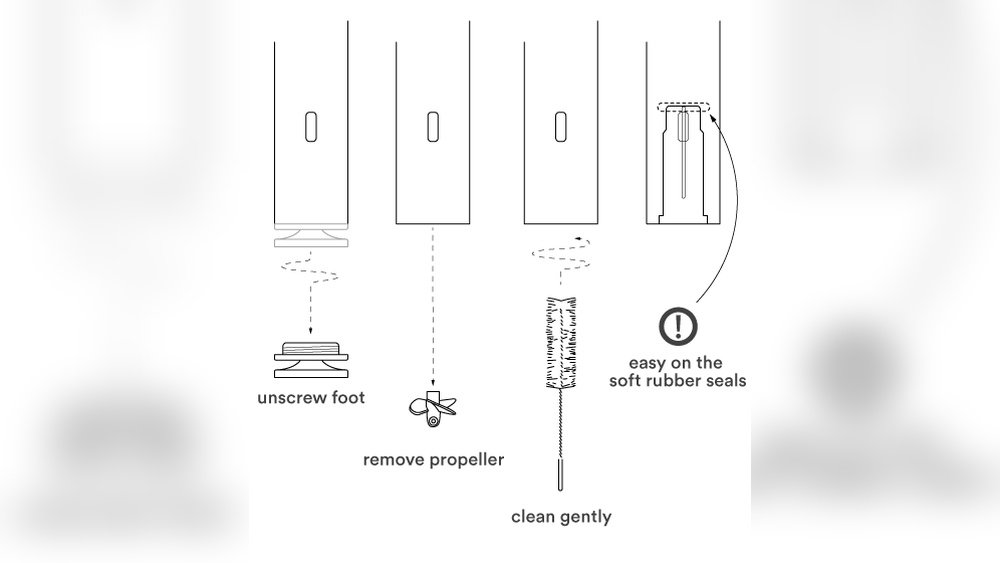
3. Clean The Bottom Cap
Twist or unlock the bottom cap (check your model’s manual). Rinse under running water. Use a soft brush to remove any visible residue.
4. Check The Propeller And Coil
Inspect for any food particles or buildup. Use a brush or cotton swab to gently clean these areas. Don’t force anything.
5. Rinse And Dry
Rinse all exposed parts with clean water. Dry with a lint-free cloth. Let all parts air dry before reassembling.
Non-obvious insight: Even if you don’t see visible dirt, routine wiping prevents buildup that can become hard to remove later.
Deep Cleaning And Descaling Your Joule Sous Vide
Every few weeks, your Joule will need a more thorough cleaning—especially if you see white spots or the water is cloudy. Follow these steps for a deep clean and descale:
1. Prepare A Vinegar Solution
Mix equal parts white vinegar and warm water (about 3-4 cups total).
2. Fill A Pot Or Container
Place your Joule in a pot. Fill with the vinegar solution, making sure the water level is between the MIN and MAX marks.
3. Run The Joule
Plug in and set to 140°F (60°C). Let it run for 20-30 minutes. The vinegar will dissolve limescale and kill bacteria.
4. Scrub Internal Parts
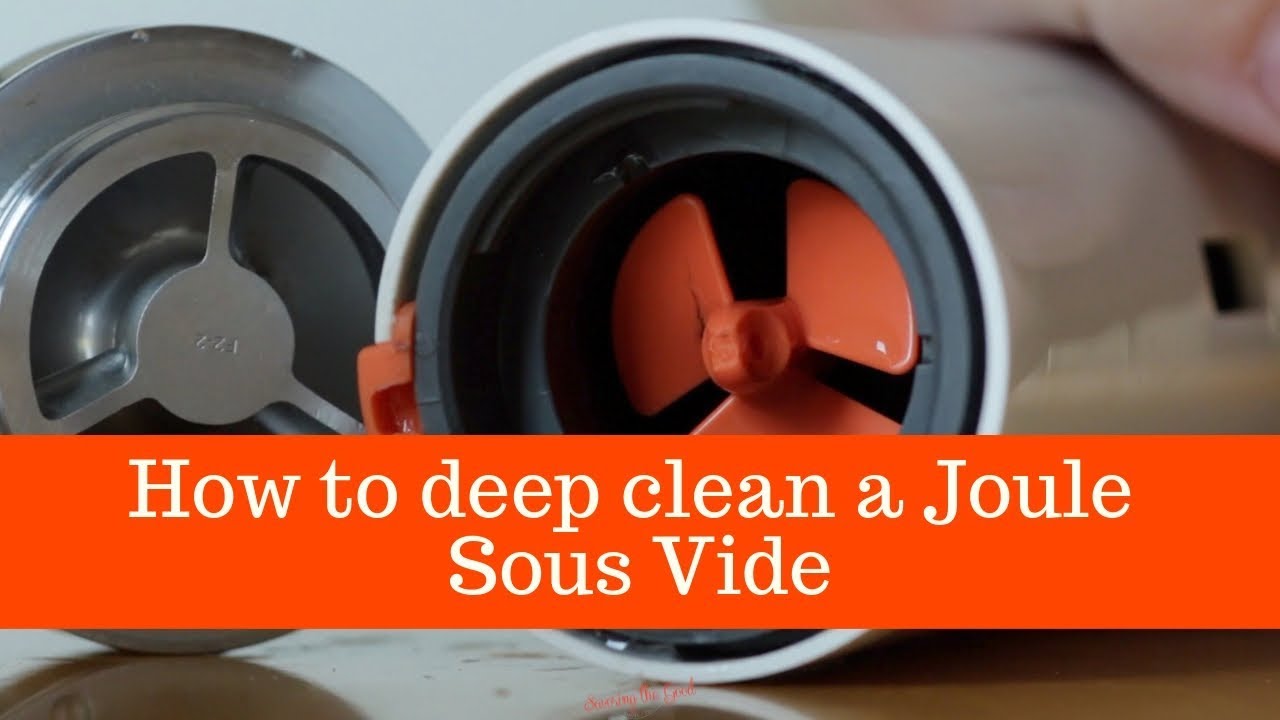
After running, unplug and let cool. Remove the bottom cap. Use a brush to gently scrub the coil, propeller, and cap.
5. Rinse Thoroughly
Run the Joule in a pot of clean water for 10 minutes to remove all vinegar.
6. Dry Completely
Wipe with a cloth and air dry before storing.
Important: Never submerge the top (electronic) part. Vinegar fumes can be strong—use in a well-ventilated area.
Comparing Cleaning Methods
Here’s a quick look at the main cleaning methods:
| Method | Best For | Frequency | Time Needed |
|---|---|---|---|
| Quick Clean (Soap & Water) | Everyday residue | After each use | 5-10 min |
| Vinegar Descale | Limescale, bacteria | Monthly | 30-40 min |
| Baking Soda Deodorize | Odors | As needed | 15-20 min |
Dealing With Stubborn Odors And Stains
If your Joule starts to smell, or you notice discoloration, try these steps:
1. Baking Soda Paste
Mix 2 tablespoons of baking soda with a little water to make a paste. Apply to stained areas with a brush. Let sit for 10 minutes, then rinse.
2. Run With Baking Soda
Add 2 tablespoons of baking soda to a pot of water. Run the Joule at 140°F (60°C) for 20 minutes. Rinse well after.
3. Lemon Rinse
For odors, add a few lemon slices to the water and run for 10 minutes. Lemon helps neutralize smells.
Key insight: Odors often come from tiny food particles trapped inside. Regular deep cleaning can prevent smells from building up.
Cleaning After A Bag Leak Or Major Spill
Sometimes, a sous vide bag breaks or leaks, letting food, fat, or juices into the water and possibly into your Joule. This needs extra attention:
1. Immediate Action
Turn off and unplug the Joule right away. Let it cool.
2. Disassemble The Bottom Cap
Remove the cap and check for food particles or oil. Use a brush and dish soap to clean thoroughly.
3. Clean The Heating Coil And Propeller
Scrub gently with a brush. If there is sticky residue, soak the parts in warm, soapy water (but never the top part).
4. Deep Clean Cycle
Run a vinegar-water cycle as described above to sanitize and remove any remaining residue.
5. Final Rinse
Rinse all parts with clean water and dry completely.
Practical tip: If oil or fat gets inside, it can cause long-term odor or performance issues. Clean as soon as possible and repeat the process if necessary.
Maintaining The Joule For Hard Water Areas
If your tap water is hard (contains lots of minerals), limescale can build up quickly. Here’s how to reduce problems:
- Use filtered or distilled water when possible.
- Descale more often, at least every 2-3 weeks.
- Check for white spots on the coil or cap, a sign you need to descale.
- Consider a water softener for your kitchen.
Non-obvious tip: Even if you use filtered water, minerals can still build up over time. Don’t skip regular checks.
What To Avoid When Cleaning Your Joule
Many people make mistakes that can damage their sous vide device. Here’s what not to do:
1. Never Fully Submerge The Top
The top cap contains sensitive electronics and must stay dry.
2. Don’t Use Harsh Chemicals
Bleach, oven cleaner, or abrasive powders can corrode metal and plastic.
3. Don’t Force Parts
If a cap or piece is stuck, don’t use tools or force. Check the manual or contact support.
4. Avoid Wire Brushes Or Scouring Pads
These can scratch and damage the finish.
5. Don’t Skip Drying
Storing the Joule while damp can cause mold or corrosion.
Troubleshooting Common Cleaning Problems
Sometimes, you might face issues even after regular cleaning. Here’s how to troubleshoot:
Joule Heats Slowly
- Check for limescale on the heating coil. Descale with vinegar.
- Make sure the water level is correct.
- Remove and clean the bottom cap and propeller.
Cloudy Water
- Usually caused by minerals or leftover food residue.
- Run a vinegar cleaning cycle.
- Rinse with fresh water.
Persistent Odor
- Try running both vinegar and baking soda cycles.
- Disassemble and clean all accessible parts.
- Let the Joule air dry for several hours.
Unusual Noise
- Could be a piece of debris on the propeller.
- Remove the cap and check for foreign objects.
- Clean thoroughly and reassemble.
Comparing Joule With Other Sous Vide Devices: Cleaning Difficulty
How does the Joule compare to other popular sous vide tools for cleaning?
| Device | Removable Parts | Ease of Descale | Common Issues |
|---|---|---|---|
| Joule | Bottom cap, propeller | Easy | Mineral buildup, leaks |
| Anova Precision | Stainless steel skirt, cap | Moderate | Cloudy water, stuck cap |
| Inkbird | Partial | Easy | Staining, noise |
Insight: The Joule’s simple design means fewer places for buildup, but it’s important to clean the propeller and cap every time.
Storing Your Joule: Keeping It Clean Between Uses
Proper storage helps keep your device clean and ready:
- Dry thoroughly before storing.
- Store upright to let air circulate.
- Keep in a dust-free spot or use a protective bag.
- Check before next use for dust, debris, or leftover moisture.
Extra tip: If you don’t use your Joule for a month or more, do a quick rinse and dry before using again.
Extending The Life Of Your Joule Through Regular Maintenance
Cleaning is the best way to make your Joule last. But there are a few more habits that help:
- Inspect for wear: Look for cracks, loose parts, or discoloration.
- Update firmware: If your device connects to an app, keep it updated for the latest safety features.
- Use the right containers: Avoid cooking in pots with sharp edges that might scratch the device.
- Follow manufacturer instructions: When in doubt, check the official manual or support pages.
Real-world example: Many users report their Joule runs perfectly for years with regular cleaning, but those who skip maintenance often face breakdowns or expensive repairs.
Credit: www.youtube.com
When To Seek Professional Help Or Warranty Service
If you notice any of the following, stop using your Joule and contact support:
- Unusual smells or smoke when running
- Cracked or damaged casing
- Water leaking into the top cap
- Device won’t turn on after cleaning
- Error messages in the app
Don’t try to open the main body or repair electronics yourself. You may void your warranty or cause further damage.
Cleaning For Better Flavor And Food Safety
A clean sous vide device isn’t just about performance—it also affects how your food tastes and how safe it is. Old residue can give your meals strange flavors or make them unsafe to eat.
- Always clean after strong-smelling foods like fish, garlic, or spices.
- Sanitize regularly to prevent cross-contamination.
- Don’t reuse water from previous cooks unless you’re sure it’s clean.
Environmentally Friendly Cleaning Tips
You can clean your Joule and still be gentle to the environment:
- Use natural cleaners like vinegar, lemon, and baking soda.
- Reuse cleaning water on plants or for cleaning sinks, unless it contains food residue.
- Avoid single-use wipes; use washable cloths.
- Recycle old packaging and parts responsibly.
Non-obvious insight: Most of the cleaning agents you need are already in your kitchen—no need for special chemicals.
Joule Sous Vide Cleaning: Key Tips For Success
To make cleaning easy and effective, remember these:
- Clean immediately after use to prevent buildup.
- Deep clean and descale monthly (or more often for hard water).
- Disassemble what you can—the propeller and bottom cap need attention.
- Use safe, gentle cleaners—vinegar, baking soda, mild soap.
- Never get the top wet—keep electronics dry.
- Dry thoroughly before storing.
- Check for leaks after bag failures, and clean right away.
Pro tip: Setting a monthly calendar reminder for deep cleaning helps you stay on track.
Where To Find More Information
For more tips, troubleshooting, and official advice, visit the official ChefSteps Joule page. You’ll find user manuals, guides, and the latest safety updates.
Frequently Asked Questions
How Do I Descale My Joule Sous Vide?
To descale, fill a pot with equal parts white vinegar and water, place your Joule inside (making sure the water is between MIN and MAX), set to 140°F (60°C), and run for 20-30 minutes. Then, rinse thoroughly with clean water and let dry.
Can I Put The Joule In The Dishwasher?
No, never put your Joule Sous Vide in the dishwasher. The dishwasher can damage both the electronics and internal seals. Clean only the removable parts by hand and wipe the exterior with a damp cloth.
What Should I Do If Water Gets Inside The Top Part?
If water accidentally enters the top cap (where the cord and controls are), unplug the device immediately. Do not use it until it has dried completely. If you notice any problems after drying, contact support. Never open the device yourself.
Why Does My Joule Make Noise After Cleaning?
If your Joule makes noise, it might be due to a loose propeller or trapped debris. Remove the bottom cap, check the propeller for obstructions, and clean thoroughly. Reassemble and test again.
Is It Safe To Use Bleach Or Disinfectants On My Joule?
No, avoid bleach and harsh disinfectants. They can damage the internal components and may leave residues that affect food safety. Stick to white vinegar, baking soda, and mild soap for cleaning.
Keeping your Joule Sous Vide clean doesn’t have to be complicated. With these steps, you’ll enjoy delicious, safe meals and a device that works like new every time. Happy cooking!

Credit: www.amazingfoodmadeeasy.com