
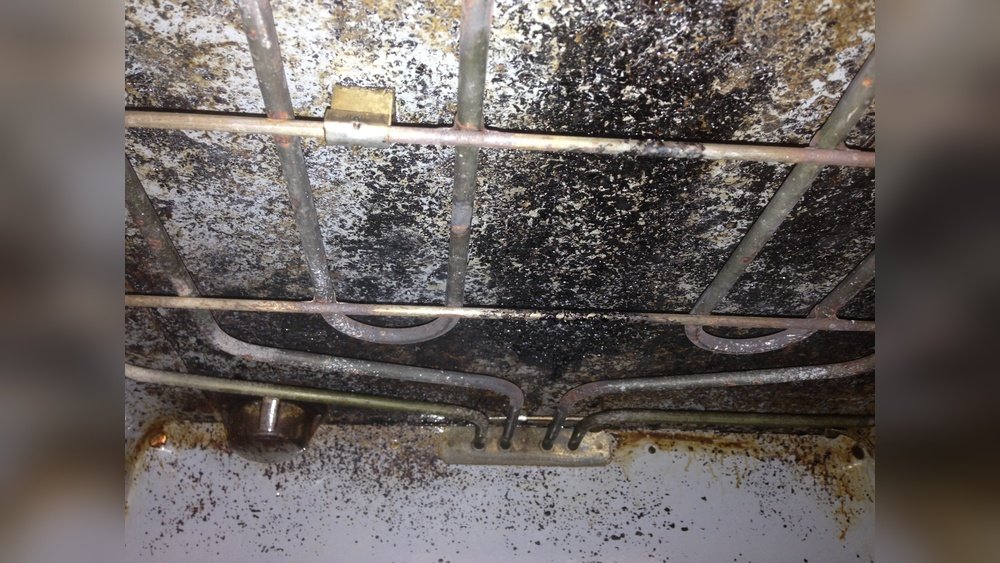
Cleaning your electric oven’s grill element can seem difficult, but it’s one of the most valuable ways to keep your oven working well and your food tasting great. When a grill element is dirty, it can make your oven smell, create smoke, and even affect how your meals cook.
Many people avoid cleaning this part because they worry about damaging it or don’t know the right steps. The truth is, with the right approach, anyone can clean an electric oven grill element safely and effectively.
In this guide, you’ll learn everything you need to know about cleaning the grill element in an electric oven. You’ll find out why it matters, what tools to use, and how to avoid common mistakes that can harm your appliance.
You’ll also see how different cleaning methods compare, and get tips for regular maintenance. Even if you’ve never cleaned an oven element before, you’ll finish this article knowing exactly what to do and why it works.
Why Cleaning The Electric Oven Grill Element Matters
The grill element is the part at the top of your oven that browns or toasts food. Over time, grease, oil, and food particles can build up on it. This build-up is more than just an ugly sight. It can:
- Cause smoke and unpleasant smells when you use your oven
- Affect the taste of your food
- Reduce the efficiency of your oven, making it take longer to cook food
- Lead to uneven cooking or browning
- Shorten the life of your oven if not addressed
One non-obvious fact: dirty grill elements can sometimes trip your home’s circuit breaker because grease build-up can cause electrical shorting. Also, a clean element transfers heat more efficiently, so your oven uses less energy over time.
Safety First: Preparing To Clean
Before you start, safety is key. Electric ovens are powerful appliances. Cleaning them carelessly can lead to shocks or damage. Here’s what you must do before you touch the grill element:
- Switch off the oven at the main power supply. Don’t rely on just turning the oven off with the dial.
- Wait for the oven and the element to be completely cool. Even a warm element can burn you.
- Unplug the oven if possible. If your oven is hardwired, use the circuit breaker.
- Wear rubber gloves for grip and protection.
- Open windows or turn on your kitchen fan for ventilation.
A practical tip: Always check your oven’s manual for any specific cleaning warnings about the grill element. Some ovens have coatings or features that need special care.
Tools And Materials You’ll Need
Cleaning an electric oven grill element is easier with the right equipment. Here’s a simple list of what you should gather:
- Soft sponge or cloth (avoid abrasive pads)
- Non-scratch scrubber or brush
- Baking soda
- White vinegar
- Mild dish soap
- Spray bottle
- Old toothbrush (for corners and tight spots)
- Paper towels or microfiber cloths
- Bowl of warm water
- Plastic spatula (optional, for stubborn spots)
Avoid using steel wool, harsh chemicals, or any sharp tools. These can scratch the element or strip protective coatings, leading to rust or damage.
Understanding Your Electric Oven Grill Element
Before you start cleaning, it helps to know how the grill element works and how it’s built. Most electric ovens have a metal rod at the top. When you turn on the grill function, electricity heats up this rod, which then cooks your food from above.
There are two main types:
- Exposed elements: You can see and touch the rod directly.
- Hidden elements: Covered by a metal plate. These are less common in modern ovens’ grill sections.
If your oven’s grill element is hidden, you usually only need to clean the cover. For exposed elements, you’ll clean the rod itself. Check your manual if you’re not sure which type you have.
Step-by-step: How To Clean The Electric Oven Grill Element
1. Remove Loose Debris
Start by removing any loose crumbs or burnt pieces. Use a dry cloth or a soft brush. Don’t use water yet. This stops bits from sticking when you use liquid cleaners later.
2. Make A Gentle Cleaning Paste
Mix three tablespoons of baking soda with a few drops of water to make a paste. This natural cleaner is strong enough to remove grease but safe for the element.
3. Apply The Paste
Gently spread the paste onto the grill element using a soft sponge or cloth. Focus on greasy or stained areas. Avoid getting the paste on any electrical connections or wires.
4. Let It Sit
Leave the paste for 15-30 minutes. This gives it time to break down the grease and burnt-on food. If you have tough stains, let it sit longer (up to an hour).
5. Scrub Carefully
Use a non-scratch scrubber or an old toothbrush to gently scrub the surface. Move in small circles and don’t press too hard. The aim is to remove grime without damaging the element.
6. Wipe With Vinegar
Spray some white vinegar on the element. The vinegar will fizz with the baking soda, helping to lift away grease. Wipe it off with a damp cloth.
7. Rinse And Dry
Wipe the element with a clean, damp cloth to remove any leftover cleaner. Then, dry with a paper towel or microfiber cloth. Make sure the element is completely dry before turning the oven back on.
8. Clean The Surrounding Area
Wipe down the oven roof and sides near the grill element. Grease often splatters here as well.
9. Reconnect And Test
Once everything is dry and back in place, reconnect the oven to power. Turn on the grill for a few minutes to burn off any remaining cleaner—open a window just in case.
Practical Example
Let’s say you haven’t cleaned your oven’s grill element in six months. You notice smoke and a burning smell every time you grill chicken. After following these steps, you’ll see less smoke, food will taste better, and the oven will heat more evenly.
How Often Should You Clean The Grill Element?
How often depends on your cooking habits:
- Heavy use (daily): Clean every 2-3 weeks
- Moderate use (weekly): Clean monthly
- Occasional use: Every 2-3 months
If you see smoke, smell burning, or notice food not browning well, it’s time to clean—no matter how long it’s been.
Comparing Different Oven Grill Element Cleaning Methods
Different methods give different results. Let’s compare the three most common:
| Method | Effectiveness | Safety | Time Needed | Best For |
|---|---|---|---|---|
| Baking soda & vinegar | High | Very safe | 30-60 mins | General cleaning |
| Commercial oven cleaner | Very high | Harsh chemicals | 20-40 mins | Heavy grease |
| Soapy water & sponge | Medium | Very safe | 20-30 mins | Light cleaning |
A non-obvious insight: While commercial cleaners work faster, they can corrode the element over time if not rinsed well. Natural cleaners like baking soda are slower but safer in the long run.
What About Self-cleaning Ovens?
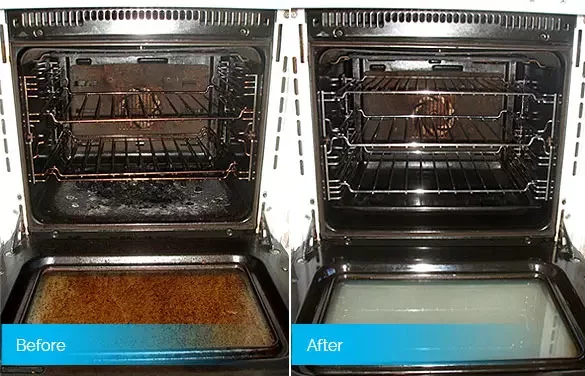
Some electric ovens have a self-cleaning function. This heats the oven to a very high temperature to burn off grime. However, most self-cleaning cycles focus on the oven cavity, not the grill element itself. You should still clean the grill element by hand, especially if there is visible grease.
Caution: Never use the self-clean cycle if there is a lot of grease on the element. It can catch fire.
Credit: blog.fantasticservices.com
Dealing With Stubborn Grease And Burnt-on Food
Some stains are hard to remove, even with baking soda and vinegar. Here’s what you can do:
- Repeat the paste and vinegar process.
- For very tough spots, use a plastic spatula to gently scrape (never metal).
- Heat the oven at a low temperature (200°F/95°C) for 5 minutes before cleaning. Warmth softens grease.
- Use a cleaner specifically made for electric oven elements, following the instructions exactly.
Never use bleach, ammonia, or products not labeled safe for oven elements.
Quick Reference: Do’s And Don’ts
Here’s a summary to help you remember key points.
| Do | Don’t |
|---|---|
| Turn off power before cleaning | Use abrasive pads or steel wool |
| Use mild, non-scratch cleaners | Spray water directly on electrical parts |
| Wear gloves and ventilate the area | Leave cleaner residue on element |
| Dry the element completely before use | Use oven if wet spots remain |
How To Clean Without Removing The Grill Element
Most people clean the grill element in place. Removing the element is not needed for routine cleaning and can risk damaging wires. Here’s how to clean it safely without removal:
- Only clean the parts you can reach comfortably.
- Use a damp (not wet) cloth to avoid dripping water onto wires.
- If crumbs fall behind the element, use a small handheld vacuum or a dry cloth to clean.
- If you do need to remove the element, check your manual or call a professional.
A hidden detail: Moving the element too much can break the ceramic or metal mounts, which can be costly to repair.
Regular Maintenance Tips
Keeping your oven clean is easier if you do small tasks often:
- Wipe the grill element with a dry cloth after every use, once it’s cool.
- Use a grill pan or tray to catch drips and spills.
- If you see splatters, clean them the same day before they harden.
- Every few months, check the element for signs of rust, cracks, or damage.
Regular care means less heavy cleaning later and helps your oven last longer.
Signs The Grill Element Needs Replacing
Sometimes, cleaning isn’t enough. If you notice these signs, it may be time to replace the grill element:
- Food is cooking unevenly, with some spots burning and others raw.
- The element looks cracked, blistered, or heavily corroded.
- You see sparks or hear popping noises when the grill is on.
- The element does not heat up at all, even though power is on.
If you’re unsure, call a qualified appliance technician. Trying to replace the element yourself without experience can be risky.
Environmental Impact: Safe Disposal Of Cleaning Waste
When you clean your oven, you create waste—dirty water, old paper towels, possibly chemical residues. Here’s how to manage this responsibly:
- Avoid pouring greasy water down the sink; wipe up with paper towels and throw them in the trash.
- If you use commercial cleaners, follow disposal instructions on the label.
- Use reusable cloths when possible to reduce waste.
Small actions like these help protect your home’s plumbing and the environment.
Real-world Example: Cleaning A Grill Element After A Big Spill
Imagine you’re baking a lasagna and it overflows, dripping cheese and sauce onto the grill element. Here’s a practical plan:
- Turn off and unplug the oven right away.
- Wait until the oven is cool.
- Use a dry cloth to remove as much solid food as possible.
- Apply a baking soda paste to the sticky areas and let it sit for 30 minutes.
- Gently scrub with a non-scratch brush.
- Spray with vinegar, let it fizz, then wipe away.
- Rinse with a damp cloth and dry well.
- Run the oven empty for 10 minutes with the window open to clear any leftover smell.
With this method, you avoid burning smells and keep your oven running efficiently.
Comparing Electric Vs. Gas Oven Grill Element Cleaning
Electric and gas ovens need different care. Here’s how they compare:
| Feature | Electric Oven Grill Element | Gas Oven Grill |
|---|---|---|
| Cleaning method | Baking soda/vinegar, gentle scrub | Soap, brush, avoid burner ports |
| Risk of damage | Electrical short if wet | Clogged gas holes |
| Frequency needed | Monthly for regular use | Monthly for regular use |
| Signs of trouble | Sparking, uneven heating | Yellow flame, uneven heat |
Electric oven elements are simpler to clean, but water exposure is a bigger risk. Gas ovens are more sensitive to blockages, so keeping burner holes clear is critical.
Common Mistakes To Avoid
Even experienced cooks make mistakes when cleaning their oven’s grill element. Here are the most common and how to avoid them:
- Using too much water: Excess water can drip into electrical parts, causing shorts.
- Scrubbing with hard materials: This can scratch the element, leading to rust.
- Forgetting to dry: Even a little moisture can cause problems when the oven heats up.
- Cleaning while hot: This is dangerous and can cause burns.
- Using harsh chemicals: Many strong cleaners can damage the element or create harmful fumes.
A key tip: Always read your oven’s manual before using any cleaner or tool.
How To Tell If Your Oven Grill Element Is Clean
After cleaning, check for:
- No visible grease or burnt spots
- Smooth, shiny surface on the element rod
- No lingering smells of burnt food or chemicals
- Even heating when you next use the grill
If you still see smoke or smell burning, repeat the cleaning process or check for hidden build-up behind the element.
What To Do If Your Element Smokes After Cleaning
Sometimes, your oven might smoke the first time you use it after cleaning. This is usually leftover cleaner or moisture burning off. Here’s what to do:
- Open windows and run your kitchen fan
- Heat the oven empty for 10-15 minutes
- If the smoke doesn’t stop, unplug the oven and check for any missed spots
If you see sparks or smell electrical burning, call a technician immediately.
Additional Cleaning Hacks
Here are a few extra tricks experienced home cooks use:
- Wipe the element with a slice of lemon for a fresh smell (after cleaning).
- Use a small paintbrush to dust off dry crumbs from hard-to-reach spots.
- Place a sheet of foil (never touching the element) on the oven floor to catch drips.
Remember, never cover the grill element itself with foil. This can cause overheating and damage.
When To Call A Professional
If you:
- Can’t reach all parts of the element safely
- Notice any damage, cracks, or loose wires
- Aren’t sure how to remove or replace an element
…it’s better to call a professional. A simple cleaning job can become expensive if you accidentally break a key part.
Maintaining The Rest Of Your Oven
A clean grill element works best in a clean oven. Regularly wipe the oven door, racks, and floor. Remove spills quickly and check the oven’s vent for blockages. Doing this helps your grill element stay clean longer and keeps your oven working smoothly.

Credit: shiningservices.ie
Where To Find More Information
For more details on safe oven cleaning and appliance care, visit the US Consumer Product Safety Commission at CPSC Oven Safety. This site offers official guides on oven safety and maintenance.
Frequently Asked Questions
How Do I Know If My Electric Oven Grill Element Is Safe To Clean?
Check your oven’s manual. Most exposed elements are safe to clean with mild cleaners, as long as the oven is unplugged and cool. Avoid harsh chemicals or soaking the element. If you see damage or are unsure, ask a technician.
Can I Use Oven Cleaner On The Grill Element?
Only use oven cleaner if the label says it’s safe for electric oven elements. Many commercial cleaners are too harsh and can cause corrosion. Baking soda and vinegar are safer choices for most ovens.
Is It Safe To Spray Water On The Grill Element?
No. Never spray water directly onto the grill element or any electrical parts. Use a damp (not soaking wet) cloth and always dry the element fully before turning the oven back on.
Why Does My Oven Smoke After Cleaning The Grill Element?
A little smoke is normal the first time you use the oven after cleaning. It’s usually leftover cleaner or moisture burning off. If smoke continues, check for missed grease or call a professional if you suspect electrical issues.
How Long Should I Wait Before Using The Oven After Cleaning The Grill Element?
Wait until the element and oven are completely dry. This usually takes at least 1-2 hours. For best results, run the oven empty for 10-15 minutes before cooking food.
Keeping your electric oven’s grill element clean isn’t just about looks—it makes your cooking better, keeps your kitchen safe, and helps your appliance last. With these steps, you can handle cleaning confidently and know you’re protecting both your oven and your meals for years to come.

Credit: blog.fantasticservices.com