
Hard water build-up is a frustrating problem for many households. If you’ve ever opened your dishwasher to find cloudy glasses, white streaks on plates, or a chalky residue coating the inside, you’re dealing with hard water deposits. These stubborn mineral layers don’t just look bad—they also reduce your dishwasher’s efficiency, shorten its lifespan, and make your dishes feel rough or gritty.
The good news? You can restore your dishwasher to its best condition with the right methods. Removing hard water build-up doesn’t require expensive products or professional help. With some simple steps and a bit of knowledge, you can tackle the problem yourself, protect your appliance, and enjoy sparkling clean dishes again.
This guide walks you through everything you need to know, from understanding what causes hard water build-up to practical, step-by-step cleaning methods and maintenance tips. Even if you’re new to home cleaning, you’ll find clear instructions and helpful insights for every stage.
What Is Hard Water Build Up And Why Does It Matter?
Before you start cleaning, it’s important to understand what you’re dealing with. Hard water contains high levels of minerals—mainly calcium and magnesium. When your dishwasher runs, these minerals can stick to surfaces inside the machine. Over time, they form a crusty or chalky film called limescale.
This build-up can create several problems:
- Dishes and glassware come out with spots or cloudy film
- Food residue sticks to plates because water can’t rinse properly
- Dishwasher spray arms get clogged, reducing water flow
- The machine becomes less efficient, using more energy
- Parts like heating elements wear out faster
In areas with very hard water, you might see thick white deposits after just a few months. Even in places with moderate hardness, build-up can add up over time. If you ignore it, you’ll likely end up with a dishwasher that works poorly—or not at all.
Signs Your Dishwasher Has Hard Water Build Up
Wondering if hard water is causing trouble in your dishwasher? Look for these common signs:
- Cloudy or etched glassware: Even after washing, your glasses look foggy or scratched.
- White spots or streaks: Plates and utensils have chalky marks that don’t wipe off easily.
- Rough interior surfaces: The inside walls or racks of the dishwasher feel gritty or rough.
- Spray arms with blocked holes: Water jets are weak because mineral deposits clog the tiny holes.
- Unpleasant odors: Mineral build-up can trap food particles, leading to a musty or sour smell.
- Longer cycles or poor cleaning: The dishwasher takes longer to finish, but still leaves dishes dirty.
If you notice one or more of these, your dishwasher likely has hard water build-up. Acting quickly can prevent bigger problems and costly repairs.
What You’ll Need: Tools And Supplies
You don’t need fancy chemicals or special tools to remove hard water deposits. Most items are available in your kitchen or local store.
Essential supplies:
- White vinegar (at least 2 cups)
- Baking soda (½ to 1 cup)
- Dish soap (gentle, non-abrasive)
- Soft sponge or microfiber cloth
- Toothbrush or small cleaning brush
- Paper clips or toothpicks (for spray arm holes)
- Towel or rag (for drying)
- Rubber gloves (optional for sensitive skin)
Optional but helpful:
- Lemon juice (natural acid for extra cleaning power)
- Commercial dishwasher cleaner (for severe cases)
- Descaling powder (if you have very hard water)
- Measuring cup
Step-by-step: How To Remove Hard Water Build Up In Dishwasher
Ready to get rid of those stubborn mineral deposits? Follow these steps for a thorough clean. You can do all these in one day.
1. Empty The Dishwasher
First, remove all dishes, utensils, and racks if possible. A completely empty dishwasher gives you better access to every surface.
2. Check And Clean The Filter
Most modern dishwashers have a filter at the bottom. It catches food particles and prevents clogs. A dirty filter can make hard water problems worse.
- Locate the filter: Usually at the bottom, under the spray arm.
- Remove the filter: Twist or lift it out (check your manual if unsure).
- Clean under running water: Use a soft brush and dish soap. Scrub away any residue or scale.
- Inspect for damage: If the filter is cracked or worn, replace it.
- Reinstall the filter once clean and dry.
3. Clean The Spray Arms
Spray arms are what shoot water at your dishes. When hard water blocks the tiny holes, water can’t flow well.
- Take out the spray arms: Most pop out or unscrew easily.
- Rinse under water: Remove loose debris.
- Clear clogged holes: Use a paper clip or toothpick to gently poke out mineral deposits.
- Soak in vinegar: Place spray arms in a sink or basin with enough white vinegar to cover them. Soak for 30 minutes to dissolve tough scale.
- Rinse and dry: Shake out any loose bits, then put spray arms back in the dishwasher.
4. Wipe Down The Interior
Now, clean the inside walls, door, and racks.
- Dip a sponge in white vinegar or lemon juice.
- Wipe all surfaces: Focus on corners, seams, and anywhere you see white film.
- Scrub stubborn spots: Use a toothbrush for hard-to-reach areas.
- Don’t forget the door edges and gasket (the rubber seal).
5. Run A Vinegar Wash
White vinegar is a natural acid that dissolves mineral deposits safely.
- Place a cup of vinegar in a dishwasher-safe bowl on the top rack. (Do not pour directly into the bottom.)
- Run a hot water cycle (without detergent or dishes).
- The vinegar will spread through the machine, breaking down build-up as it goes.
Pro tip: For severe build-up, pause the cycle halfway and let the vinegar sit for 30 minutes before finishing.
6. Add Baking Soda For Extra Cleaning
Baking soda is a gentle abrasive and deodorizer.
- Sprinkle ½ to 1 cup of baking soda across the bottom of the dishwasher.
- Run a short, hot cycle.
- This step removes odors and polishes away any remaining stains.
Why this works: Vinegar breaks down mineral deposits, and baking soda scrubs away residue and freshens the machine.
7. Tackle Tough Spots By Hand
After the above steps, check for any stubborn spots.
- Apply lemon juice or more vinegar directly to tough scale.
- Let it sit for 10-15 minutes.
- Scrub gently with a toothbrush or sponge.
- Rinse with water and dry with a towel.
8. Clean And Dry The Drain Area
Mineral build-up often collects around the drain at the bottom.
- Check for debris: Remove any food or scale by hand.
- Wipe with vinegar and a brush.
- Dry with a towel to finish.
9. Inspect And Clean The Door Seal
The rubber seal (gasket) keeps water inside but can trap minerals and mold.
- Wipe with vinegar using a cloth.
- Scrub crevices with a toothbrush.
- Dry completely to prevent mildew.
10. Optional: Use A Commercial Dishwasher Cleaner
For very stubborn build-up, a commercial cleaner or descaler can help.
- Follow the product instructions carefully.
- Most are poured into the detergent compartment or placed in the bottom.
- Run a hot cycle with the machine empty.
Note: Don’t mix commercial cleaners with vinegar or baking soda in the same cycle.

Credit: rehabitathome.com
How Often Should You Clean Hard Water Build Up?
Regular cleaning prevents big problems. For most homes:
- Light to moderate hard water: Deep clean every 3-4 months.
- Very hard water: Clean every 1-2 months.
- Soft water or water softener installed: Every 6 months is enough.
If you notice signs returning sooner, clean more often. Hard water levels can change with the seasons or local supply.
Diy Vs. Commercial Cleaners: Which Is Better?
Some people wonder if they should use natural cleaners like vinegar, or buy special dishwasher cleaning products.
Here’s a simple comparison:
| Cleaner Type | Pros | Cons |
|---|---|---|
| White Vinegar | Cheap, natural, safe for most machines | May not remove very thick scale |
| Baking Soda | Deodorizes, gentle abrasive, easy to find | Not strong enough alone for heavy build-up |
| Lemon Juice | Natural acid, fresh scent | Can be sticky if not rinsed well |
| Commercial Cleaner | Fast, strong for tough scale, often recommended by manufacturers | More expensive, may contain chemicals |
Tip for best results: Use vinegar and baking soda for regular cleaning. Use a commercial cleaner every few months, or if you notice thick white deposits that won’t budge.
Maintenance Tips To Prevent Hard Water Build Up
Prevention is easier than deep cleaning every month. Try these smart habits to keep your dishwasher in top shape.
1. Use Rinse Aid
Rinse aid helps water slide off dishes, preventing spots and film. Most dishwashers have a special compartment for it.
- Refill rinse aid every few weeks.
- Adjust the amount for very hard water (use more if needed).
2. Choose The Right Detergent
Not all dishwasher detergents work well with hard water.
- Look for detergents made for hard water or labeled “anti-limescale.”
- Avoid bargain brands that leave more residue.
- Use the correct amount—too much can make build-up worse.
3. Run The Hottest Cycle
Hot water dissolves minerals better than cold.
- Use the “sanitize” or hottest wash setting when deep cleaning.
- If your water heater is set below 120°F (49°C), raise it slightly for better results.
4. Dry Dishes Properly
Leaving wet dishes or a damp interior can encourage more scale.
- Open the dishwasher door after the cycle ends to let steam escape.
- Remove dishes promptly so the machine can dry out fully.
5. Clean The Filter Monthly
Even if you don’t see hard water deposits, food and grease can collect in the filter.
- Take out and rinse the filter every month.
- Scrub with a brush and vinegar for extra cleaning.
6. Check Your Water Hardness
Knowing how hard your water is helps you plan cleaning and maintenance.
- Request a water quality report from your city or test at home with a kit.
- Hardness is usually measured in grains per gallon (gpg) or parts per million (ppm).
Here’s a simple scale:
| Water Hardness (gpg) | Classification | Dishwasher Cleaning Frequency |
|---|---|---|
| 0-3.5 | Soft | Every 6 months |
| 3.5-7 | Moderately hard | Every 3 months |
| 7-10.5 | Hard | Every 1-2 months |
| 10.5+ | Very hard | Monthly |
If you have very hard water, consider installing a water softener. It can save you time, money, and extend the life of all your appliances.
7. Don’t Overload The Dishwasher
Cramming too many dishes blocks water flow and leaves more spots.
- Load dishes so spray arms can spin freely.
- Avoid stacking plates or bowls on top of each other.
8. Use Vinegar As A Maintenance Rinse
Run an empty dishwasher with 1 cup of vinegar once a month. This simple step helps keep minerals from building up in the first place.
9. Address Leaks Or Standing Water Quickly
If water pools in the bottom, it can cause more scale and even mold.
- Check for clogs in the drain or filter.
- Call a repair pro if you see leaks or water that won’t drain.
Common Mistakes When Cleaning Hard Water Build Up
Sometimes, good intentions can lead to bigger problems. Avoid these common errors:
Using Too Much Vinegar
While vinegar is great, pouring in too much at once can damage rubber seals or hoses. Stick to 1-2 cups per cycle.
Scrubbing With Abrasive Pads
Never use steel wool or rough scouring pads inside your dishwasher. They can scratch surfaces, making it easier for minerals to stick.
Mixing Chemicals
Don’t mix bleach with vinegar or other acids. This can create toxic fumes or damage your dishwasher.
Ignoring The Filter
Even after a full cleaning, a dirty filter can make your dishwasher smell and leave dishes dirty.
Skipping Regular Maintenance
If you wait too long between cleanings, build-up can become very hard and need professional service.

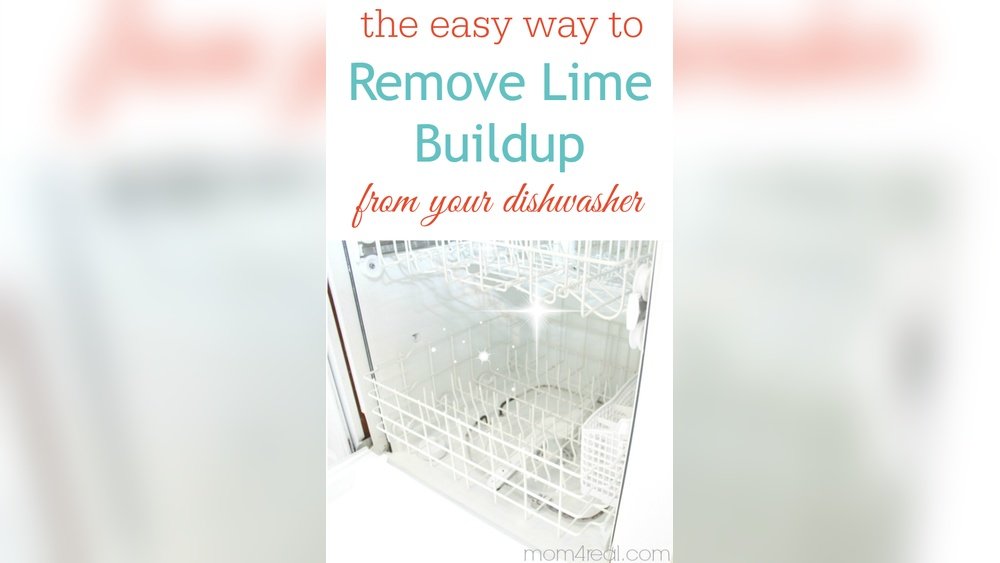
Credit: www.mom4real.com
When To Call A Professional
Most hard water problems can be solved at home. However, you may need expert help if:
- Thick, rock-hard scale covers the heating element or spray arms
- The dishwasher leaks or doesn’t drain even after cleaning
- You see rust or corrosion inside the machine
- The door won’t seal properly after cleaning
A pro can safely remove heavy mineral deposits, repair damaged parts, and check for other issues.
How Hard Water Shortens Dishwasher Life
Hard water not only makes cleaning harder—it also wears out your dishwasher faster.
- Heating elements get coated in limescale, making them less efficient. This means longer cycles and higher energy bills.
- Spray arms and pumps can clog, causing poor cleaning and possible motor failure.
- Seals and gaskets may dry out or crack due to harsh minerals.
- Sensors and electronics sometimes fail if mineral build-up traps moisture.
According to the US Department of Energy, dishwashers in hard water areas can fail up to 30% sooner than those in soft water areas. Regular cleaning and softening your water can add years to your machine’s life.
Non-obvious Insights Most Beginners Miss
Here are a couple of tips most people overlook:
- Water temperature matters: Hard water minerals dissolve better in hotter water. If your dishwasher runs on cold or lukewarm water, build-up is more likely. Adjust your water heater to at least 120°F (49°C) for best results.
- Hidden buildup in the door or upper spray arm: Sometimes, minerals collect in spots you can’t see—like inside the door or upper spray arm. If your dishes still come out cloudy after cleaning, check these hidden areas by removing parts or using a flashlight.
Troubleshooting: Dishes Still Cloudy After Cleaning
If you’ve deep cleaned your dishwasher but your dishes are still coming out cloudy, try these steps:
- Make sure you’re using enough detergent for your water hardness.
- Check that the rinse aid compartment is full.
- Test your water temperature. It should be at least 120°F.
- Rerun the vinegar and baking soda cleaning.
- Clean your glasses by hand with a vinegar rinse—some etching is permanent.
If problems continue, your water may be extremely hard or your dishwasher may need repair.
Dishwasher Models And Hard Water: Are Some Better Than Others?
Some dishwashers handle hard water better than others. Features to look for if you’re buying new:
| Feature | Why It Helps | Common in Brands |
|---|---|---|
| Built-in water softener | Removes minerals before they cause build-up | Bosch, Miele, some European brands |
| High-temp wash option | Dissolves minerals better | Many US models |
| Self-cleaning filter | Removes food and mineral particles automatically | Premium models |
| Rinse aid sensor | Ensures you never run out of rinse aid | Advanced models |
If you live in a hard water area and are shopping for a new dishwasher, these features are worth the investment.
Frequently Asked Questions
What Causes Hard Water Build-up In Dishwashers?
Hard water contains high levels of minerals like calcium and magnesium. When the dishwasher heats and sprays water, these minerals settle on surfaces inside the machine, forming a white, chalky coating called limescale.
Is Vinegar Safe For All Dishwasher Parts?
Yes, white vinegar is safe for most modern dishwashers when used in moderate amounts (1-2 cups per cycle). However, avoid using vinegar on rubber or plastic parts too often, as it can dry them out over time. Always check your user manual for warnings.
Can I Use Lemon Juice Instead Of Vinegar?
You can use lemon juice as a natural cleaner—it’s also acidic and effective on mineral deposits. However, vinegar is usually stronger and less sticky. Lemon juice works best for spot cleaning and freshening up the smell.
How Do I Know If My Water Is Hard?
You might notice spots on glasses, rough-feeling dishes, or a white film inside appliances. For exact hardness, use a test kit or contact your water supplier. Hardness is measured in grains per gallon (gpg) or parts per million (ppm).
Where Can I Learn More About Hard Water And Dishwashers?
To dive deeper, the United States Geological Survey (USGS) offers reliable information on water hardness and its effects. Visit USGS Water Science School for more.
A clean dishwasher is key to spotless dishes and a healthy kitchen. By understanding hard water, cleaning properly, and following simple maintenance tips, you can keep your dishwasher running like new—no matter where you live or how hard your water is.
Regular care saves money, time, and frustration. Enjoy sparkling results every time you open that door!
Credit: www.reddit.com