
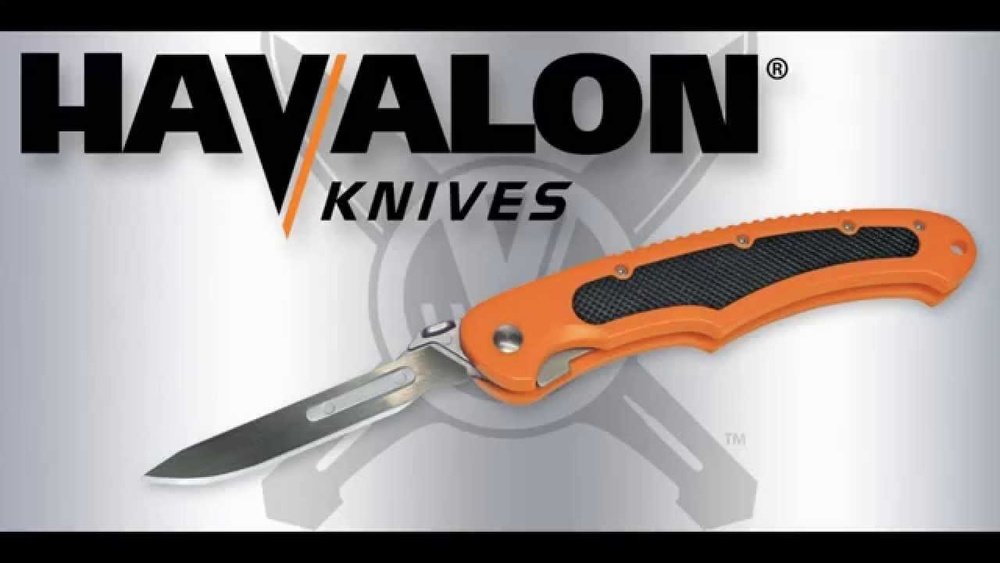
Changing blades on Havalon knives can seem tricky the first time. These knives are popular with hunters, anglers, and outdoor fans for one main reason: their blades are extremely sharp and easy to replace. But with that sharpness comes responsibility. If you do not follow the right steps, you risk injury or damage to your knife. This guide will show you everything you need to know, from the basics to advanced tips, so you can swap blades confidently and safely.
Many people buy a Havalon knife because they want a razor-sharp edge all the time. What they do not realize is that the real value comes from knowing how to handle the blade changes without fear. This article will give you a clear, step-by-step approach and help you avoid common mistakes that can lead to frustration or even injury. Whether you are new to Havalon or just want to improve your technique, you will find all the information you need here.
Why Havalon Knives Need Blade Changes
Havalon knives are known for their interchangeable blade system. Unlike fixed-blade knives that need regular sharpening, Havalon knives allow you to replace a dull blade with a new one in seconds. This means you always have a sharp edge ready for skinning, filleting, or other precision work. Most Havalon models use surgical-grade stainless steel blades, which are sharp but can become dull quickly with heavy use.
When To Change A Blade
You should change the blade if:
- The knife feels dull or drags while cutting.
- The blade shows visible nicks or chips.
- There is corrosion or rust on the edge.
- You need a different blade shape for a new task.
Trying to use a dull or damaged blade can lead to accidents. Fresh blades also make your work cleaner and easier.
Benefits Of The Havalon Blade System
- Speed: Blade changes take less than a minute.
- Consistency: Every blade is equally sharp.
- Safety: No need for sharpening tools in the field.
- Versatility: Use different blades for different jobs.
Many professionals prefer Havalon knives for these reasons, especially in situations where time and cleanliness matter.
Tools And Materials You Need
Changing a Havalon blade does not require many tools, but having the right items makes the process smoother and safer.
What You Must Have
- A Havalon knife (such as the Piranta, Baracuta, or Talon series)
- Replacement blades (correct size and model for your knife)
- Protective gloves (cut-resistant if possible)
- A stable, flat surface
- Small pliers or forceps (optional but recommended for beginners)
Optional But Useful
- Blade removal tool (some Havalon models include this)
- Cleaning cloth (to wipe the handle after the swap)
- Alcohol wipes (for cleaning the knife)
- Container for used blades (like a small bottle or blade disposal case)
A common mistake is trying to change blades with bare hands or on an unstable surface. This increases the risk of slips and cuts. Using gloves and a steady table or bench can help you avoid accidents.
Types Of Havalon Knives And Blades
Before changing a blade, you must know which Havalon knife model you have. Not all blades fit all handles. Each knife series is designed for different tasks and uses specific blade shapes and sizes.
Main Havalon Knife Series
- Piranta Series: Very popular, uses smaller blades (usually 60A, 70A, 22XT).
- Baracuta Series: Larger handle and blades, better for big game or fish.
- Talon Series: Multi-use, uses a twist-lock system for blade changes.
- Forge Series: Built for toughness, more robust than other Havalons.
Common Blade Types
- 60A Blade: Classic, fits most Piranta models.
- 70A Blade: Slightly longer, fits select models.
- 22XT Blade: Narrower and curved, good for detail work.
- Baracuta Blades: Bigger and thicker for tougher tasks.
You can find a compatibility guide on the official Havalon website, but always double-check your knife’s model and blade type before buying replacements.
Blade Comparison Table
Here’s a quick look at the differences between popular Havalon blades:
| Blade Name | Length | Compatible Models | Best For |
|---|---|---|---|
| 60A | 2.75 inches | Piranta Series | General use, skinning |
| 70A | 2.75 inches (slightly thicker) | Piranta Bolt, Edge | Heavy-duty tasks |
| 22XT | 2.25 inches | Piranta Series | Detail work |
| Baracuta | 4.375 inches | Baracuta Series | Large game, filleting fish |
If you’re unsure which blade you need, check your knife’s packaging or look for markings on the handle.
How To Change Blades On Havalon Knives: Step-by-step Guide
Changing the blade on your Havalon knife is not hard, but doing it safely is important. The process can vary slightly depending on your model, so always refer to your manual as well. Here’s a detailed, universal method for most Havalon knives.
Step 1: Prepare Your Work Area
Find a clean, well-lit place with a flat surface. Lay out your knife, new blade, gloves, and any tools you will use. Make sure you will not be interrupted or distracted.
Step 2: Put On Protective Gloves
Havalon blades are extremely sharp. Even a small slip can cause a deep cut. Wear cut-resistant gloves if you have them. If not, use thick work gloves. This is especially important if you are new to changing blades.
Step 3: Open The Knife And Lock The Blade
Open your Havalon knife fully until the blade locks in place. This gives you a stable grip and helps you avoid touching the cutting edge.
Step 4: Remove The Old Blade
There are two main methods, depending on your knife model.
Method 1: Standard Havalon (e.g., Piranta, Baracuta)
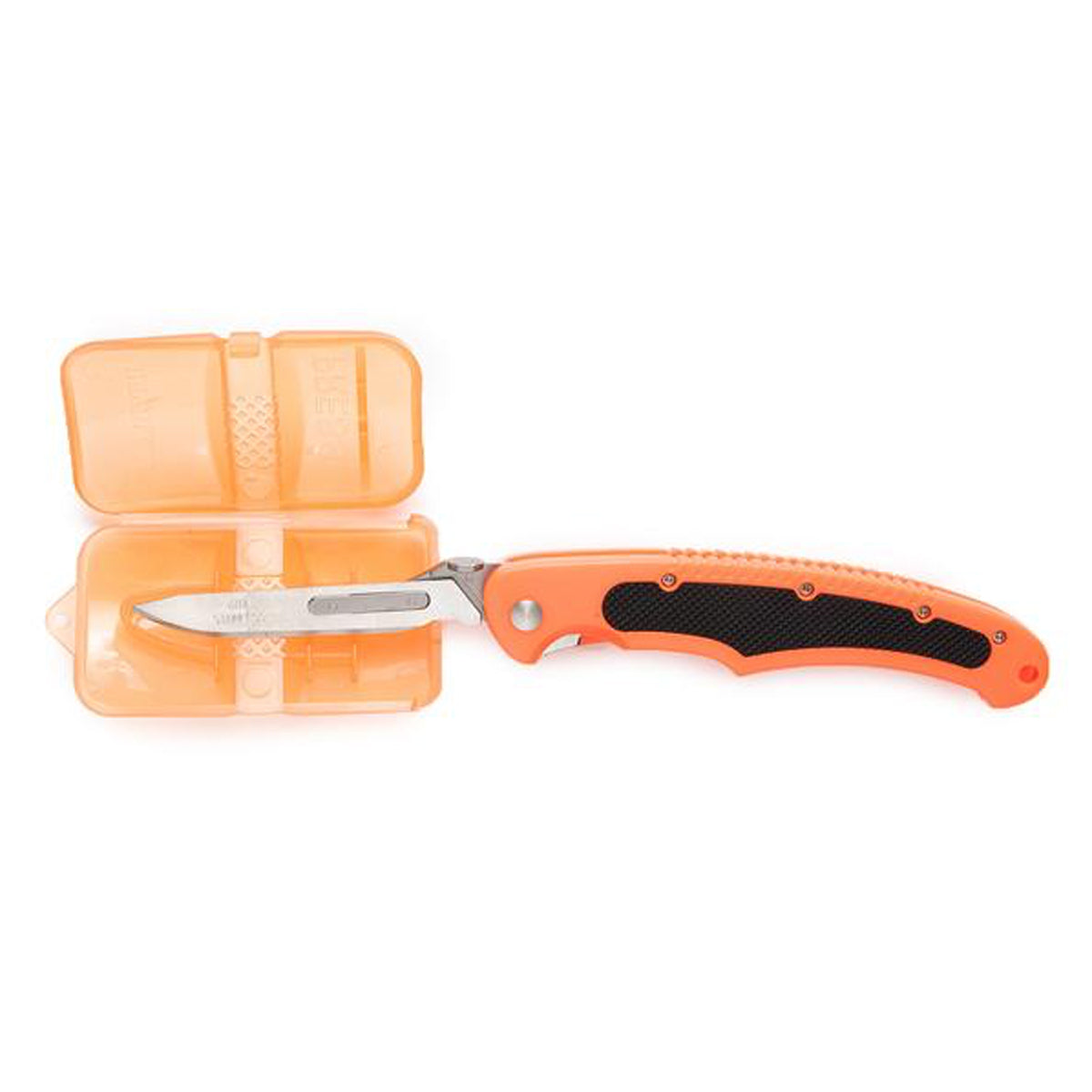
- Grip the Blade Spine: Use your thumb and forefinger to hold the non-sharp top (spine) of the blade close to the handle. If you have pliers or a removal tool, use them.
- Press the Blade Release Button: Most Havalon knives have a small button or lever near the blade’s base. Press this button while holding the blade.
- Slide the Blade Forward: Gently push the blade away from the handle. It should slide out smoothly. If it resists, do not force it—check for obstructions or try wiggling gently.
- Dispose of the Blade: Place the old blade in a safe container. Never throw it loose into the trash.
Method 2: Talon Or Twist-lock Models
Some newer Havalon knives use a twist-lock system.
- Unlock the Blade: Turn the lock ring or lever as shown in your manual.
- Remove the Blade: Pull the blade straight out or slide as directed.
- Lock Back: Turn the lock ring back to secure the knife before inserting a new blade.
Step 5: Inspect The Knife Handle
Before installing a new blade, look at the blade slot and release mechanism. Remove any dirt, hair, or debris. A clean handle ensures smooth blade changes and safe operation.
Step 6: Insert The New Blade
- Hold the New Blade by the Spine: Never touch the edge. If you use pliers, grip the spine or the small notch.
- Align the Blade with the Slot: Slide the blade’s base into the slot on the handle. You should feel it fit snugly.
- Push Until It Clicks or Locks: Keep gentle, even pressure until you hear or feel a click. This means the blade is locked.
- Test for Security: Gently wiggle the blade. It should not move or fall out. If it feels loose, remove and reinstall.
Step 7: Clean Up
Wipe the knife handle with a cloth or alcohol wipe if needed. Store unused blades in their case and keep the knife folded until you are ready to use it.
Credit: shop.gohunt.com
Advanced Tips For Blade Changes
While the basic process is simple, these advanced tips can make your blade changes safer and more efficient.
Use A Blade Removal Tool
Some Havalon models come with a small plastic tool for safe blade removal. This tool slides under the blade and lifts it off the locking post without needing to touch the metal. If your knife did not come with one, consider buying it separately.
Warm The Handle For Easier Removal
If your knife is cold (for example, after hunting in winter), the metal may contract and hold the blade tighter. Warm the handle in your hand for a minute to make blade removal easier.
Never Force A Stuck Blade
If the blade does not slide out, check for dried blood, fat, or debris in the slot. Clean it with a toothpick or soft brush. Forcing the blade can bend the locking post or cause injury.
Store Used Blades Safely
Used Havalon blades are still sharp enough to cut skin or puncture bags. Always dispose of them in a puncture-proof container, such as a small plastic bottle or a commercial blade box.
Lubricate The Mechanism
A drop of light oil on the blade release button or slot can keep your knife working smoothly, especially if you use it in wet or dirty conditions.
Common Mistakes And How To Avoid Them
Even experienced users make mistakes when changing Havalon blades. Here are the most frequent problems and how to prevent them.
Grabbing The Blade Edge
It’s easy to forget and grab the sharp edge by accident, especially if you are in a hurry. Always focus on the spine or use pliers for extra safety.
Not Wearing Gloves
Many people skip gloves because they think they are careful. But even a moment’s distraction can lead to injury. Gloves also improve your grip on the blade.
Forcing The Blade
If the blade is stuck, never force it out. Forcing can break the mechanism or cut your hand. Clean the slot first, then try again.
Using The Wrong Blade
Blades are not universal. Using the wrong size or shape can make the knife unsafe or damage the lock. Double-check your model and blade type before changing.
Not Checking Blade Security
After installing a new blade, always test for movement. A loose blade can fall out during use, causing injury.
Cleaning And Maintenance After Blade Changes
Changing the blade is a good time to clean your knife. Proper cleaning extends the life of your Havalon and keeps the blade changes smooth.
How To Clean The Knife Handle
- Wipe the handle with a damp cloth to remove blood, fat, or dirt.
- Use an alcohol wipe to disinfect, especially after field use.
- Check the blade slot for debris and clean with a small brush or toothpick.
- Dry thoroughly before storing to prevent rust.
How Often To Clean
If you use your Havalon in the field, clean it after every use. For light tasks, clean it after every few blade changes.
Lubrication
A drop of oil on the pivot and release button keeps the mechanism smooth. Do not over-oil; too much can attract dirt.
Blade Disposal: Do It Safely
Throwing old blades in the trash is dangerous. Used blades can cut through garbage bags or injure others.
Safe Disposal Methods
- Use a blade disposal container (some are sold for razor blades).
- Use an empty pill bottle with a secure lid.
- Tape the blade’s sharp edge before disposal if no container is available.
Never leave used blades lying around, even if they look dull.
Comparing Havalon Knives: Which One Suits Your Needs?
If you are considering a Havalon knife or want to upgrade, it helps to compare the main models. Here’s a simple comparison to help you choose:
| Model | Blade Size | Best For | Blade Change Method |
|---|---|---|---|
| Piranta | 2.75 in | Small game, detail work | Button release |
| Baracuta | 4.375 in | Big game, fish | Button release |
| Talon | Varies | Multi-purpose, kitchen tasks | Twist-lock |
| Forge | 3 in | Heavy-duty, outdoor | Button release |
Safety Tips For Changing Havalon Blades
Never underestimate how sharp a Havalon blade is. Some safety tips to keep in mind:
- Always change blades in a calm, well-lit place.
- Keep your hands dry; wet hands can slip.
- Do not let children handle the knife or blades.
- Dispose of used blades immediately.
- Never try to catch a falling blade.
A non-obvious tip: after changing the blade, close the knife before you move or pack it away. Many injuries happen not during the change, but right after, when people forget the knife is open.
Credit: www.havalon.com
Frequently Asked Questions
How Many Times Can You Reuse A Havalon Blade?
Havalon blades are designed for single use. While some users try to reuse or sharpen them, they are made of thin, surgical steel and do not hold an edge after sharpening. For best performance and safety, use each blade only once. If you need to finish a task and have no new blades, use extra caution.
Is It Safe To Change Havalon Blades Without Tools?
Yes, but only if you are careful and experienced. For beginners, using pliers or a removal tool is much safer. The blades are very sharp, and tools keep your fingers away from the edge. Gloves add extra protection.
Can You Sharpen Havalon Blades Instead Of Changing Them?
It is not recommended. The steel is very thin and designed to be replaced, not sharpened. Attempting to sharpen can break the blade or make it unsafe. Always carry extra blades for replacements.
What Should You Do If The Blade Will Not Come Out?
Do not force it. Check for debris in the slot and clean the mechanism. Sometimes, a drop of oil helps. If it still will not come out, contact Havalon customer service. Forcing the blade can damage your knife or cause injury.
Where Can You Buy Genuine Havalon Replacement Blades?
Always buy from official dealers or the Havalon official website. This ensures you get the right size and genuine quality. Avoid generic or off-brand blades; they might not fit or could be unsafe.
Final Thoughts
Changing blades on Havalon knives is a skill every user should master. It keeps your knife sharp, safe, and ready for anything—whether you are out in the field, on the water, or in your kitchen. Take your time, use the right tools, and always focus on safety. Remember: the sharpness of a Havalon knife is both its biggest advantage and its greatest risk if not handled properly. Now that you know the detailed steps and best practices, you can make every blade change smooth and injury-free. Enjoy the confidence of always having a razor-sharp knife in your hand, ready for your next adventure.

Credit: www.youtube.com