
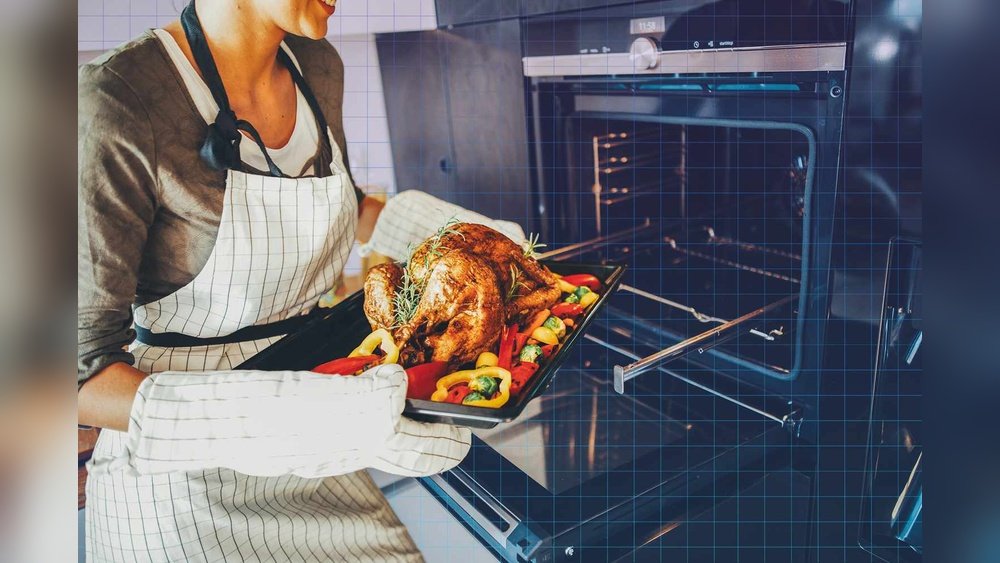
Keeping a turkey warm in the oven after it is cooked can be a real challenge, especially during busy holiday gatherings or large family meals. You want your turkey to stay juicy, safe to eat, and delicious when served. Many people worry that their turkey will dry out, lose flavor, or even become unsafe if left too long.
But with the right techniques and a good understanding of food safety, you can keep your turkey warm for hours—without losing that freshly roasted taste.
This guide covers everything you need to know about keeping a turkey warm in the oven. You’ll learn why temperature matters, how to use your oven effectively, and what extra steps can make a big difference. From the best oven settings to tips for keeping the meat moist, this article explains each method in detail.
You’ll also find advice on common mistakes, practical tools, and even how to handle leftovers safely. Whether you’re hosting your first Thanksgiving or have cooked many turkeys before, these strategies will help you serve a perfect, warm turkey every time.
Why Keeping Turkey Warm Matters
Serving a turkey that is both warm and juicy is important for many reasons. First, food safety is a top priority. Cooked turkey should stay above 140°F (60°C) to prevent bacteria from growing. If the temperature drops too low, it can become unsafe to eat, even after roasting. Second, taste and texture are affected by how you keep the turkey warm. If your bird dries out, it can ruin the meal, no matter how well you cooked it.
Another reason is presentation. A turkey that is warm and moist carves better and looks more appealing on the table. If you have guests or family waiting for the meal, keeping the turkey at the right temperature ensures everyone enjoys it at its best.
The Science Behind Keeping Turkey Warm
Understanding how heat works helps you keep your turkey at the perfect temperature. After roasting, the turkey’s internal temperature continues to rise for a short time—a process called carryover cooking. This means you can remove your turkey from the oven when it’s about 5°F (2–3°C) below your target temperature. The heat inside will finish the cooking.
As the turkey cools, the heat escapes from the surface first. That’s why it’s important to use methods that hold in moisture and heat. Covering the turkey, using the right oven settings, and monitoring the temperature all play a role in keeping your turkey warm, moist, and safe.
Best Oven Temperature For Keeping Turkey Warm
The oven is the most reliable tool for keeping a turkey warm. But using the wrong temperature can dry out the meat or make it unsafe. Most experts recommend keeping your oven set between 170°F and 200°F (77°C–93°C) for holding a cooked turkey. This range is hot enough to keep the turkey safe but gentle enough to avoid overcooking.
If your oven’s lowest setting is above 200°F, you can turn it off and use the leftover heat. Some ovens have a “warm” setting, which is usually around 170°F. Always use a meat thermometer to check the turkey’s internal temperature, making sure it stays above 140°F.
Oven Temperature Comparison
Here’s how different oven settings affect your turkey:
| Oven Setting | Effect on Turkey | Best For |
|---|---|---|
| 170°F (Warm) | Keeps turkey moist and safe | Holding up to 2 hours |
| 200°F | Warmer, risk of drying if uncovered | Short-term holding (under 1 hour) |
| Oven Off (residual heat) | Holds heat slowly, may cool too much | Brief holding (30–45 minutes) |
How To Keep A Turkey Warm In The Oven: Step-by-step
Keeping a turkey warm in the oven is about more than just temperature. Here’s a step-by-step process to do it right:
1. Remove The Turkey At The Right Time
Take your turkey out of the oven when it reaches an internal temperature of 155°F–160°F in the thickest part of the breast. It will continue to cook as it rests, reaching the safe temperature of 165°F.
2. Cover The Turkey Properly
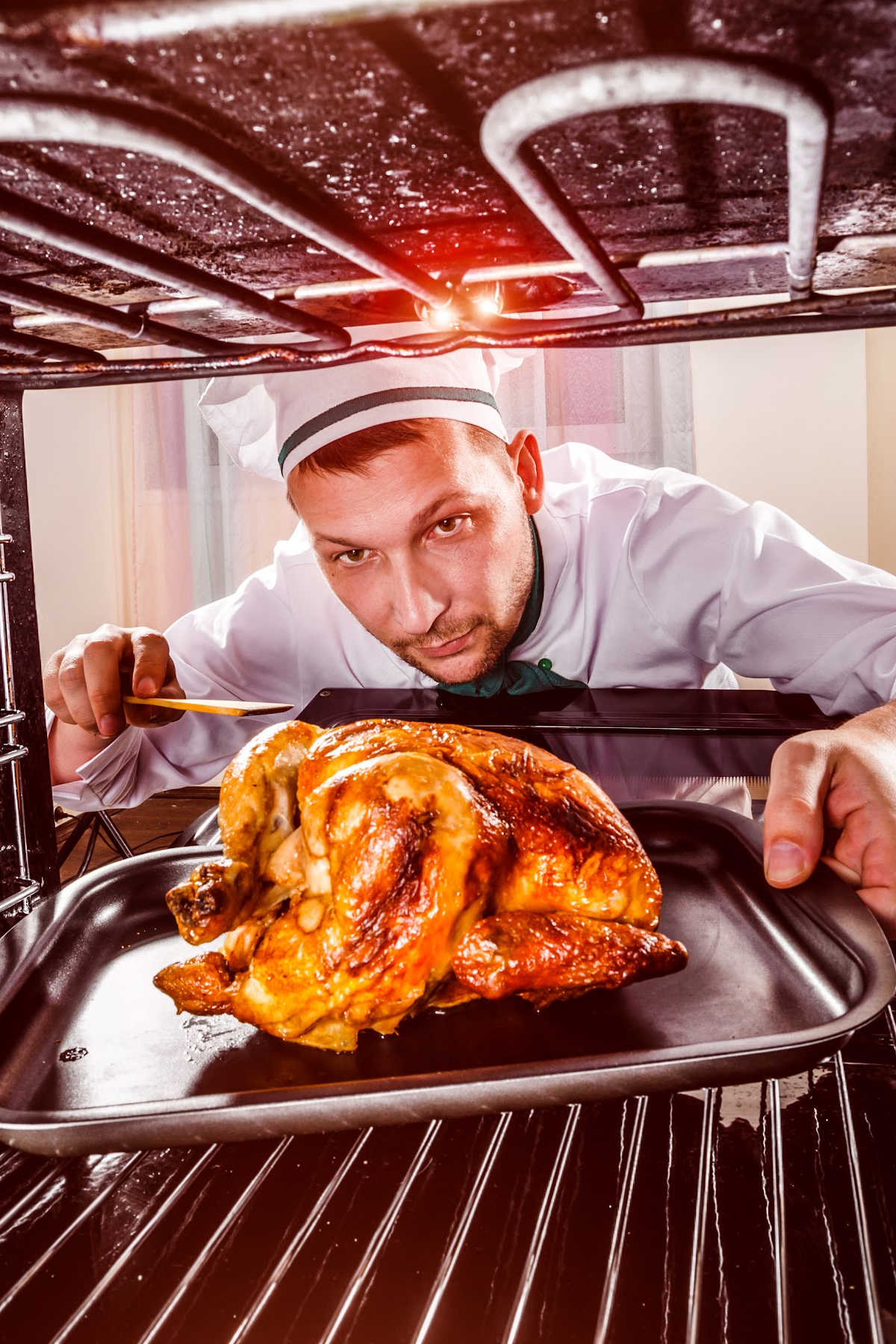
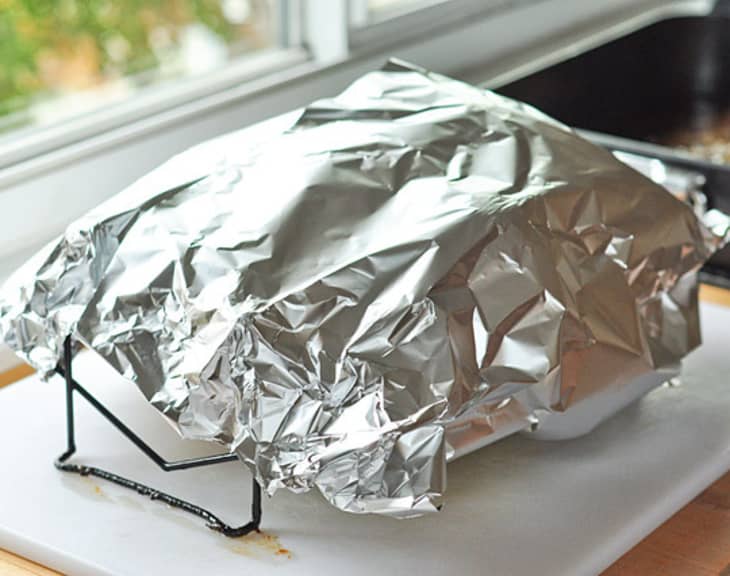
Place a foil tent over the turkey. Don’t wrap it tightly—just lay the foil loosely over the top. This keeps the heat in but allows steam to escape, preventing the skin from getting soggy. For added insulation, drape a clean kitchen towel over the foil.
3. Set The Oven To Warm
Preheat your oven to 170°F (warm setting) if available. Place the turkey back in the oven on a rack set in a roasting pan. Make sure the oven is not too hot, or the meat will dry out.
4. Add Moisture
Put a small amount of chicken broth or water in the bottom of the roasting pan. This creates steam, helping to keep the turkey moist. About 1–2 cups is enough.
5. Monitor The Temperature
Insert a meat thermometer into the thickest part of the turkey. Check it every 30 minutes to be sure the temperature stays above 140°F but does not climb above 165°F.
6. Rest Before Carving
Let the turkey rest for at least 20–30 minutes before carving. This allows the juices to redistribute, making the meat juicy and easier to slice.
Credit: savorandsavvy.com
How Long Can You Keep Turkey Warm In The Oven?
You can safely keep a turkey warm in the oven for up to 2 hours at 170°F. After this time, the meat can start to dry out. If you need to hold it longer, consider slicing the turkey and storing it in a covered dish with some broth to keep it moist.
If the temperature drops below 140°F for more than 2 hours, bacteria can grow. For safety, always use a thermometer to check. If you need to keep the turkey warm for longer than 2 hours, using a slow cooker or warming tray is a better option.
Common Mistakes To Avoid
Even experienced cooks can make mistakes when keeping turkey warm. Here are some of the most common errors:
1. Using High Heat
Setting the oven too high (above 200°F) will dry out the turkey quickly.
2. Not Covering The Turkey
Leaving the turkey uncovered makes it lose moisture and can make the skin tough.
3. Tightly Wrapping In Foil
Wrapping the turkey tightly traps steam, making the skin soggy.
4. Forgetting The Thermometer
Guessing the temperature can lead to unsafe food. Always use a thermometer.
5. Holding Too Long
Keeping turkey warm for more than 2 hours increases the risk of dryness and bacteria.
6. Not Adding Moisture
Skipping the broth or water in the pan can cause the meat to dry out.
These mistakes are easy to avoid with the right planning and attention.
Tools That Make The Job Easier
Having the right tools can make keeping your turkey warm simple and stress-free.
- Meat thermometer: Digital is best for quick, accurate readings.
- Roasting pan with rack: Keeps the turkey elevated and prevents sogginess.
- Aluminum foil: For tenting the turkey.
- Kitchen towels: Add extra insulation over the foil.
- Basting brush: To add broth or melted butter if needed.
- Oven thermometer: Ensures your oven is at the correct temperature.
If you often cook for large groups, investing in a warming drawer or commercial-grade warming tray can be helpful.
Comparing Different Methods For Keeping Turkey Warm
While the oven is the most common choice, other methods can work in different situations. Here’s a comparison:
| Method | Pros | Cons |
|---|---|---|
| Oven (170°F) | Even heat, safe, keeps skin crisp | Uses oven space, can dry meat if left too long |
| Slow Cooker | Good for sliced turkey, keeps moist | Not for whole birds, skin softens |
| Warming Tray | Great for serving, easy to access | Heat is less even, not for long-term holding |
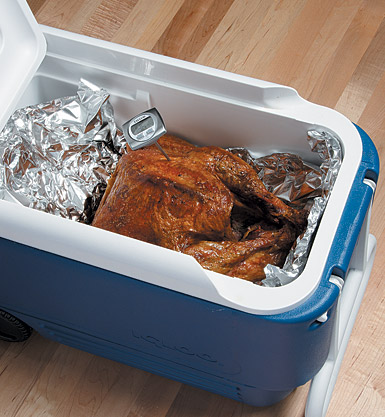
| Cooler (with hot water) | Portable, keeps food warm for transport | Needs careful temperature monitoring |
Credit: www.thekitchn.com
Keeping Turkey Moist While Warm
One of the biggest fears when holding turkey is dryness. Here are some expert tips for maintaining moisture:
- Add broth to the pan: The steam keeps the meat juicy.
- Baste occasionally: Every 30–45 minutes, spoon pan juices over the turkey.
- Tent with foil and towel: The combination traps heat but avoids sogginess.
- Butter under the skin: Before roasting, add butter or oil under the skin to lock in moisture.
- Use a roasting rack: Lifts turkey above juices, preventing the bottom from getting soggy.
If you need to hold carved turkey, place slices in a baking dish, pour a little broth over the top, and cover tightly with foil before warming.
Resting Time: Why It Matters
Resting is not just for steak—turkey benefits too. After roasting, let your turkey sit, loosely covered, for at least 20–30 minutes. This lets the juices move back into the meat, making each bite more flavorful and tender.
If you cut into the turkey right away, the juices will run out, leaving the meat dry. Resting also makes carving easier, giving you clean, neat slices.
Food Safety: What You Need To Know
Keeping turkey warm is about more than taste—it’s about safety. The danger zone for cooked turkey is between 40°F and 140°F (4°C–60°C). At these temperatures, bacteria like Salmonella and Clostridium perfringens can grow quickly.
- Always keep the turkey above 140°F while holding.
- Use a thermometer to check the temperature every 30 minutes.
- If the turkey cools below 140°F for more than 2 hours, do not serve it. Refrigerate or reheat to 165°F before serving.
For more details about food safety, check the official advice from the USDA Food Safety and Inspection Service.
Advanced Tips For Perfect Results
A few extra steps can make a big difference in the final taste and texture:
- Use an oven thermometer: Oven dials are often inaccurate. A separate thermometer tells you the true temperature.
- Rotate the turkey: If holding for more than 1 hour, rotate the pan once to prevent hot or cool spots.
- Add aromatics: Place herbs, onions, or citrus in the pan for extra flavor in the steam.
- Check oven humidity: Some modern ovens allow you to add steam, which keeps meat moist.
- Rest longer if needed: If you have a large turkey (over 18 lbs), rest for up to 45 minutes before carving.
What To Do If Turkey Cools Down Too Much
If your turkey accidentally drops below 140°F, don’t panic. Here’s what you can do:
- Return to oven: Place turkey back in a 325°F oven until it reaches 165°F.
- Cover with foil: This helps heat evenly and prevents dryness.
- Check temperature: Use a thermometer in the thickest part of the breast and thigh.
- Serve immediately: Once reheated, carve and serve right away.
Never leave turkey at room temperature for more than 2 hours. If in doubt, it’s safer to reheat fully before serving.
Serving Tips For Warm Turkey
Presentation matters. Here’s how to serve your turkey so it stays warm and looks great:
- Pre-warm platters: Place your serving platter in a warm oven (170°F) for a few minutes before adding turkey.
- Carve just before serving: This keeps slices juicy and hot.
- Use gravy boats: Warm your gravy so it helps keep turkey slices moist on the plate.
- Serve in batches: If serving buffet-style, keep extra turkey in the oven and refill trays as needed.
Holding Sliced Vs. Whole Turkey
There are times when it’s better to slice the turkey before holding, especially if you’re serving a crowd. Here’s a quick comparison:
| Method | Best For | Moisture Level | Serving Style |
|---|---|---|---|
| Whole Turkey | Formal meals, table presentation | Stays moist if covered | Carve at table |
| Sliced Turkey | Buffet, large gatherings | Needs extra broth to stay moist | Self-serve |
What Beginners Often Miss
Even skilled home cooks overlook a few key points:
- Residual heat: Many forget the turkey continues to cook after leaving the oven. Remove it slightly below target temperature to avoid overcooking.
- Oven hot spots: Some ovens heat unevenly. Rotating the pan during warming ensures even temperature.
- Broth under the turkey: Not just for basting, broth in the pan creates a moist environment that keeps the entire bird juicy.
Paying attention to these small details can make a big difference in the final result.
Handling Leftovers Safely
After your meal, it’s important to store turkey safely to avoid foodborne illness:
- Cool quickly: Slice turkey and refrigerate within 2 hours of cooking.
- Store in shallow containers: This allows turkey to cool evenly and safely.
- Use leftovers within 3–4 days: For best taste and safety.
- Reheat to 165°F: Always reheat leftovers fully before eating.
If you want to freeze leftovers, wrap tightly in plastic wrap and foil, then place in a freezer bag. Label with the date and use within 2–3 months for best quality.
Frequently Asked Questions
What Is The Safest Oven Temperature To Keep Turkey Warm?
The safest oven temperature for keeping turkey warm is 170°F (77°C) or the “warm” setting on your oven. This holds the turkey above 140°F, which prevents bacteria growth, but is not so hot that it dries out the meat.
How Long Can I Keep A Turkey Warm Before Serving?
You can safely keep a whole turkey warm in the oven for up to 2 hours. After this time, the meat may dry out and food safety becomes a concern. If you need to hold the turkey longer, slice it, add broth, and keep it covered in the oven or a slow cooker.
Can I Keep Turkey Warm In The Oven Overnight?
No, it is not safe to keep turkey warm in the oven overnight. Keeping meat in the “danger zone” (40°F–140°F) for several hours can lead to foodborne illness. Always refrigerate leftovers within 2 hours, and only use the oven to hold turkey for a short period.
What Should I Do If My Turkey Starts To Dry Out While Keeping It Warm?
If your turkey starts to dry out, baste it with pan juices or a little melted butter. You can also cover it more loosely with foil, add broth to the pan, or slice the turkey and keep it covered with broth in a baking dish.
Is It Better To Keep The Turkey Whole Or Sliced While Warming?
For short holding times (under 2 hours), it’s better to keep the turkey whole to preserve moisture. For longer holding or serving buffet-style, slice the turkey, add broth, and cover tightly with foil.
Keeping a turkey warm in the oven is about balance—between temperature, moisture, and timing. With these tips and techniques, you can serve a turkey that’s as warm and inviting as your family gathering. Enjoy your meal and the happy faces around your table!
Credit: www.cuisineathome.com