
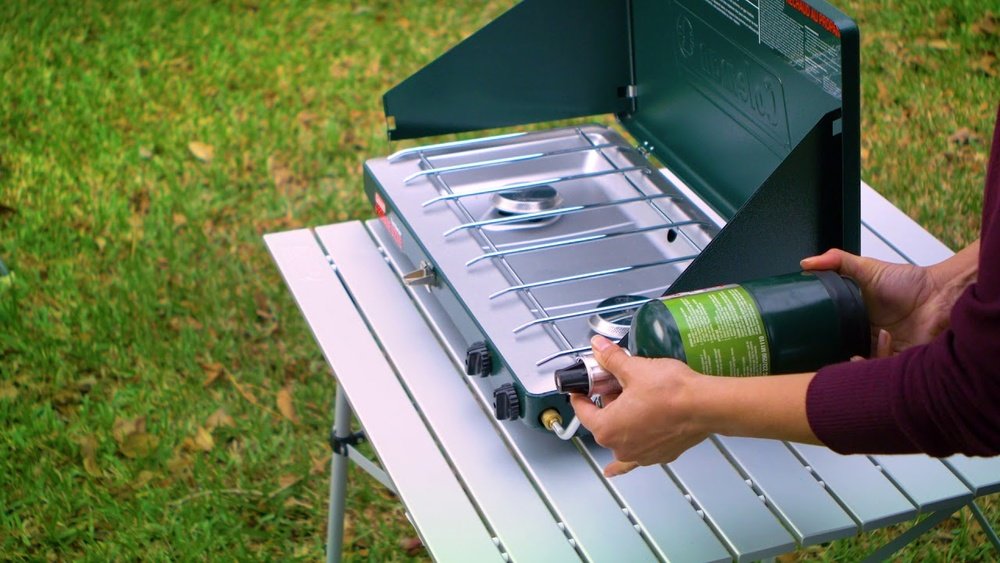
Camping in the great outdoors means you need reliable equipment to cook, stay warm, or enjoy a hot drink. One of the most important items for campers is a Coleman propane camping gas cylinder. These small green canisters have become a standard for portable stoves, lanterns, and heaters. But many people—especially beginners—find themselves confused about how to safely and correctly attach a Coleman propane camping gas canister.
Mistakes can lead to leaks, wasted fuel, or even dangerous accidents. In this guide, you’ll learn everything you need to attach a Coleman propane camping gas canister with complete confidence. We’ll break down the process step-by-step, explain the equipment, address common mistakes, and share practical tips that most beginners miss.
Whether you’re a first-time camper or looking to refresh your skills, this article will make sure your next camping trip starts with the right setup.
Understanding Coleman Propane Camping Gas
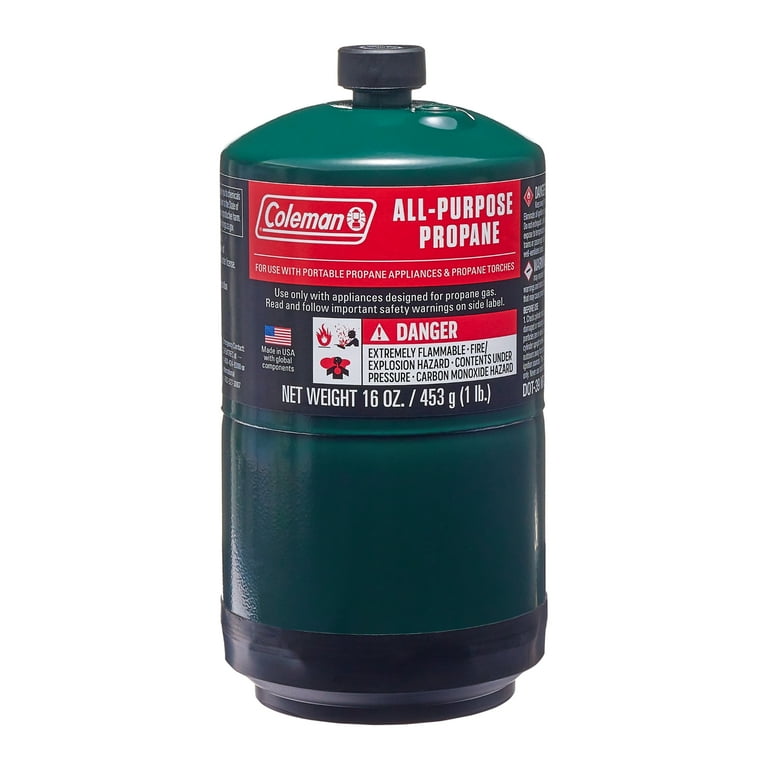
Before you start attaching anything, it’s important to know what Coleman propane camping gas is and why it’s used. Coleman’s green 16 oz. propane canisters are designed for portable equipment. They are pressurized and sealed, which makes them safe and easy to carry. They’re used for:
- Camp stoves: For cooking meals outdoors.
- Lanterns: For light at night.
- Portable heaters: For warmth in cold weather.
Each canister contains liquefied propane gas. When you open the valve, the propane turns into a gas and flows into your appliance. This system is designed for quick attachment and removal, making it ideal for camping.
Why Choose Coleman Propane Gas?
Coleman canisters are popular because they are:
- Widely available: Found in outdoor stores, big box retailers, and even some grocery stores.
- Standardized: The threads and fitting sizes are almost always the same.
- Reliable: Last a long time if stored properly.
But, even with these advantages, using them correctly is key. Incorrect attachment can cause leaks or damage your equipment. Let’s look at what you need to get started.
Equipment Needed For Attaching Coleman Propane Gas
Attaching propane gas isn’t complicated, but you do need the right equipment. Here’s what you should have:
- Coleman propane cylinder (16 oz.)
- Compatible appliance (stove, lantern, or heater)
- Protective gloves (optional, for extra grip and safety)
- Soapy water in a small spray bottle (to check for leaks)
- Clean, flat work surface (like a picnic table)
Most common Coleman camping appliances use the 1-inch threaded fitting known as Type 1 (or sometimes “disposable propane cylinder connection”). Always check your appliance’s manual to confirm compatibility.
Understanding The Fittings
The fitting is the metal connection point where you screw the canister onto your stove or lantern. For Coleman propane canisters, the fitting is usually called CGA 600 or 1”-20 UNEF. These are standard across most portable camping gear.
If your device has a different connector, you may need an adapter. But for 90% of Coleman products, no adapter is needed.
Safety First: Key Precautions Before Attaching
Camping is fun, but working with propane means you need to be careful. Here are the most important safety tips before you attach anything:
- Always do it outdoors: Never attach propane indoors or near open flames.
- Check for damage: Inspect the canister and the appliance for dents, cracks, or rust.
- Keep away from heat sources: Never attach or use propane near a fire, grill, or heater.
- Do not smoke: Propane is flammable. Smoking near it is dangerous.
- Have a fire extinguisher nearby: Always good practice when working with gas.
A common mistake is rushing the process. Take your time and double-check everything. Safety should always come first.
Step-by-step Guide: How To Attach Coleman Propane Camping Gas
Now, let’s go through the actual process. Follow these steps for a safe and secure connection.
1. Prepare Your Workspace
Set your appliance and propane canister on a flat, stable surface. Make sure you have enough light to see the fitting and threads clearly.
2. Inspect The Equipment
Check the threads on both the canister and the appliance. There should be no dirt, grease, or debris. Wipe them with a clean cloth if needed.
- Non-obvious insight: Even a small piece of dirt can prevent a proper seal, leading to leaks.
3. Check The Appliance’s Regulator Or Valve
Make sure your stove, lantern, or heater is turned off. If your appliance has a control knob, turn it to “OFF” before attaching the canister.
4. Align The Canister
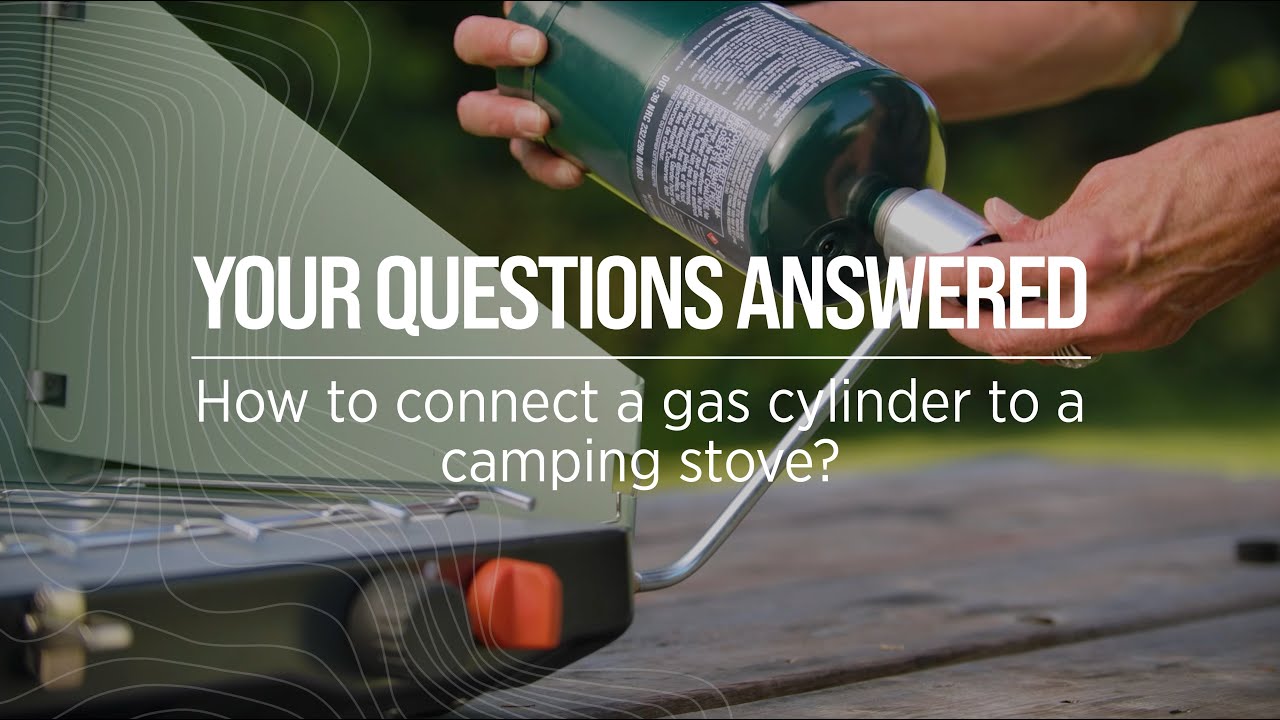
Hold the propane canister upright. Align the threaded end (the small metal valve at the top) with the appliance’s connection point.
- Non-obvious insight: Keeping the canister upright prevents liquid propane from escaping and ensures a safe attachment.
5. Attach By Hand
Screw the canister into the appliance clockwise (righty-tighty). Do this by hand; never use tools, as they can damage the threads.
- The connection should feel snug, not overly tight.
- If you feel resistance, stop and check the alignment.
6. Tighten Until Secure
Continue to turn the canister until you feel it stop. There should be no wiggling or looseness.
- Do NOT overtighten. The rubber gasket inside the fitting creates the seal; too much force can crush it and cause leaks.
7. Check For Leaks
Mix a few drops of dish soap with water in a spray bottle. Lightly spray the connection point.
- If you see bubbles forming, there is a leak.
- If no bubbles form, the connection is safe.
If you find a leak, unscrew the canister, check the threads and gasket for damage, and try again. If the leak remains, do NOT use the equipment.
8. Ready To Use
Once you confirm there are no leaks, your appliance is ready to use. Open the valve slowly and follow your stove or lantern’s instructions to light or start it.

Credit: www.walmart.com
Common Problems And How To Fix Them
Even experienced campers run into trouble sometimes. Here are the most common issues and how to solve them:
Cross-threading
If the canister feels stuck or will not screw in, you may have cross-threaded the connection.
- Solution: Unscrew the canister, realign carefully, and try again.
Leaks
If you hear hissing or smell propane (it has a strong odor), you may have a leak.
- Solution: Check for dirt, damage, or a missing gasket. Replace damaged parts before using.
Canister Won’t Attach
Some appliances use a different connector, or the threads may be damaged.
- Solution: Check your equipment’s compatibility. If needed, use an official Coleman adapter.
Stuck Canister
If you can’t unscrew the canister, don’t force it.
- Solution: Wait until the appliance is completely cool. Try again gently. Forcing it can break the threads.
Low Flame Or No Flame
If your stove or lantern won’t light properly, it could be a clogged or blocked fitting.
- Solution: Clean the fitting with a soft brush and check for obstructions.
Comparing Different Coleman Propane Appliances
It’s helpful to know which Coleman appliances are compatible with the standard 16 oz. propane canisters. Here’s a quick comparison:
| Appliance | Compatible with 16 oz. Propane | Typical Use |
|---|---|---|
| Coleman Classic Stove | Yes | Cooking meals |
| Coleman Propane Lantern | Yes | Lighting campsite |
| Coleman Portable Heater | Yes | Staying warm |
| Coleman RoadTrip Grill | Yes (with adapter) | Grilling |
| Other Brands (with CGA 600 fitting) | Usually | Varies |
Most Coleman appliances are designed for these canisters, but always check the manual before use.
How Long Does A 16 Oz. Coleman Propane Canister Last?
A common question is how long your propane will last. The answer depends on what you’re using. Here’s a comparison of typical burn times:
| Appliance | Average Burn Time (16 oz. Canister) |
|---|---|
| Classic 2-Burner Stove (high flame) | 1.5 – 2 hours |
| Propane Lantern | 7 – 14 hours |
| Portable Heater | 4 – 6 hours |
| Single Burner Stove | 2 – 3 hours |
Factors such as wind, temperature, and flame setting will change these numbers.
Storing And Transporting Propane Canisters
Safe storage is as important as correct attachment. Here’s what you need to know:
- Store upright: Always keep canisters standing up to prevent leaks.
- Keep cool: Store in a cool, dry place, away from direct sunlight and heat sources.
- Transport safely: Keep canisters in a ventilated area, never in a hot car trunk.
- Check for rust: Discard canisters that are rusty or damaged.
Never store propane indoors for long periods. Propane is heavier than air and can collect in low spots, which is dangerous if there’s a leak.
Detaching And Reattaching: What To Know
When your camping trip is over, or you need to swap out a canister, follow these steps:
- Turn off the appliance: Wait until the flame is out and everything is cool.
- Unscrew the canister: Turn counterclockwise by hand.
- Check for leaks: Listen and smell for escaping gas. If you notice anything unusual, move the canister outdoors and away from people.
- Store properly: Replace the plastic cap on the canister if you’re not using it right away.
- Practical tip: If you’re using multiple appliances, you can detach a canister and use it on another device, as long as it’s still pressurized and undamaged.
Key Mistakes Beginners Make (and How To Avoid Them)
Many new campers make simple but risky mistakes. Avoid these for a safe and successful experience:
- Attaching near a fire: Always move away from heat before connecting.
- Using tools to tighten: Only tighten by hand to avoid damaging the threads.
- Ignoring leaks: Always check with soapy water, even if you don’t smell gas.
- Forgetting to turn off the stove: Double-check the appliance is off before attaching or removing a canister.
- Storing in hot vehicles: Extreme heat can cause canisters to burst.
- Reusing damaged canisters: Never use a canister with dents, rust, or missing parts.
- Not reading the manual: Each appliance may have special instructions.
Using Adapters And Hoses: Advanced Tips
Some campers want to use larger propane tanks or connect multiple appliances. This is possible with the right adapters and hoses.
When To Use An Adapter
- For larger tanks: You can use a 20 lb. Propane tank with a Coleman stove by using an adapter hose.
- For European canisters: Adapters can convert connections for use with non-US canisters.
How To Attach With An Adapter
- Attach the adapter hose to the large tank following the same safety steps.
- Connect the other end to your Coleman appliance.
- Check all connections with soapy water for leaks.
- Important: Use only Coleman-approved adapters and hoses. Cheap or off-brand adapters may not seal properly.
Comparing 16 Oz. Vs. 20 Lb. Propane Tanks
Some campers wonder if they should use the small green canisters or a larger tank. Here’s a quick comparison:
| Feature | 16 oz. Canister | 20 lb. Tank |
|---|---|---|
| Portability | Very portable | Heavy, less portable |
| Burn Time | Short (2-14 hrs.) | Long (up to 20x longer) |
| Cost per Hour | Higher | Lower |
| Connection | Direct to appliance | Requires adapter hose |
For short trips or backpacking, stick with the 16 oz. canister. For group camping or longer stays, a 20 lb. tank with an adapter may be more convenient.
Environmental Tips: Disposing Of Empty Canisters
Don’t just throw your empty canisters in the trash. Here’s what to do:
- Use up all the gas: Burn off any remaining propane before disconnecting.
- Recycle if possible: Many recycling centers accept empty propane canisters, but check local rules.
- Never puncture or burn: Only use recycling programs or hazardous waste collection services.
Coleman has a “Green Key” tool at some locations to help you safely recycle canisters.
Practical Troubleshooting Scenarios
Let’s look at some real-world situations and how to handle them:
Scenario 1: You Hear A Hissing Sound When Attaching
- What to do: Stop immediately. Unscrew the canister. Inspect the rubber gasket and threads for damage. Try again with a different canister if necessary.
Scenario 2: The Flame Is Weak And Won’t Stay Lit
- What to do: Check if the canister is nearly empty. If not, clean the connection and make sure the fitting is tight. Wind can also cause low flame—shield the stove if possible.
Scenario 3: You Smell Gas After Attaching
- What to do: Turn off the appliance. Move everything outdoors. Check the connection with soapy water. Fix any leaks before trying again.
Scenario 4: It’s Cold And The Canister Feels Frozen
- What to do: Propane works less efficiently below freezing. Warm the canister with your hands or keep it in your sleeping bag before use. Never use direct heat or fire to warm it.
Credit: www.walmart.com
Best Practices For Long-term Use
To make your gear last and stay safe:
- Inspect before every use: Look for signs of damage or wear.
- Keep threads clean: Store canisters with the plastic cap on.
- Check expiration date: Propane doesn’t expire, but canisters can rust or degrade.
- Follow the manual: Each Coleman appliance may have unique steps.
Taking these extra steps can prevent problems and extend the life of your camping gear.
When To Replace Your Coleman Propane Canister
Replace your canister if:
- It’s empty: You can no longer hear or feel gas sloshing inside.
- It’s damaged: Dents, rust, or leaks mean it’s time for a new one.
- The threads are stripped: Canisters that won’t tighten securely are not safe.
Always use new, undamaged canisters for every camping trip.
Where To Buy Coleman Propane Camping Gas
You can buy Coleman propane canisters at:
- Outdoor retailers (REI, Bass Pro Shops)
- Big box stores (Walmart, Target)
- Hardware stores
- Online (Amazon, Coleman’s official website)
Prices range from $5 to $8 per 16 oz. Canister, depending on location and quantity.
For more information on propane safety and camping gear, you can check resources like the Coleman Safety Information page.
Frequently Asked Questions
How Do I Know If My Coleman Propane Canister Is Empty?
Shake the canister gently. If you don’t hear any liquid sloshing inside, it’s probably empty. You may also notice a weaker flame or no gas flow. For a more precise check, weigh the canister and compare it to the empty weight (stamped on the bottom).
Can I Refill A Coleman 16 Oz. Propane Canister?
Coleman and most safety experts do not recommend refilling disposable canisters. They are designed for single use. Refilling can be dangerous and may break local laws. Always use new, sealed canisters for safety.
What Should I Do If I Smell Propane While Camping?
If you smell propane, turn off all appliances immediately. Move away from the area. Check for leaks using soapy water. Do not use any open flames or create sparks until the leak is fixed.
Can I Use A Coleman Canister With Other Brands Of Stoves Or Lanterns?
Most camping equipment that uses the CGA 600 or 1”-20 UNEF fitting is compatible with Coleman canisters. Always check the manual for your specific appliance. If the threads do not match, do not force the connection.
How Should I Dispose Of Empty Coleman Propane Canisters?
Use up all the gas first. Check with your local recycling center or hazardous waste program for instructions. Never throw full canisters in the trash or fire. Some areas have special collection points for empty canisters.
Camping is about enjoying the outdoors, and a safe, working stove or lantern makes the experience better. By following these steps and tips, you’ll avoid common mistakes and have a safer, more enjoyable camping adventure. Now that you know how to attach Coleman propane camping gas, you’re ready to cook, stay warm, and make great memories under the stars.
Credit: www.youtube.com