
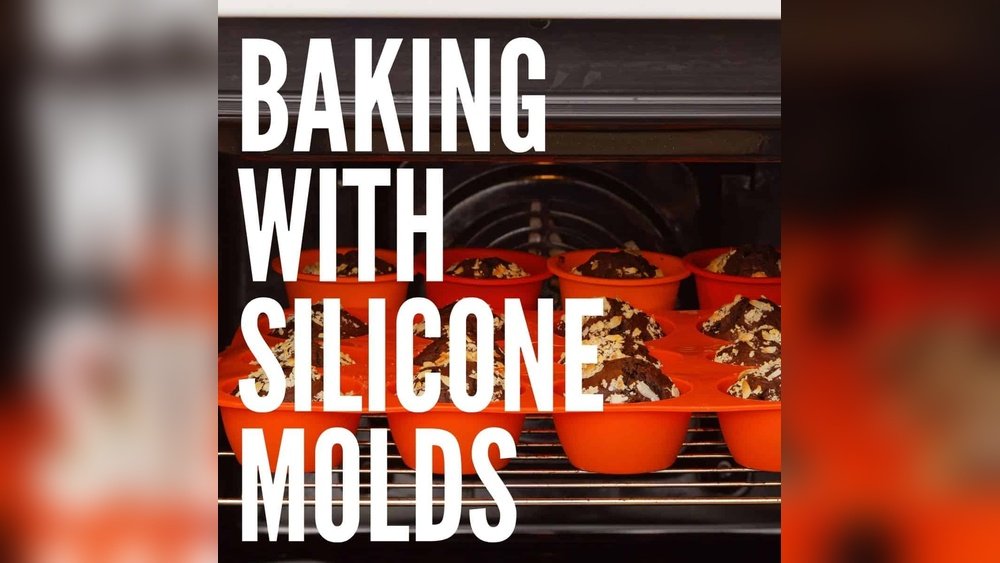
Using silicone molds in the oven has changed the way many people bake and cook at home. These bright, flexible tools are now common in kitchens all over the world. But if you are new to them, you might wonder: are they really safe? How do you use them correctly? Can they go in any oven? When you use silicone molds the right way, you can enjoy easy baking, perfect shapes, and less mess. But mistakes can lead to sticking, uneven cooking, or even ruined molds. This guide will show you everything you need to know about using silicone molds in the oven—from choosing the best molds to cleaning them after baking. Whether you want to bake cakes, make chocolate treats, or roast savory bites, you’ll learn practical tips, avoid common problems, and get professional results at home.
What Are Silicone Molds?
Silicone molds are baking and cooking tools made from food-grade silicone. This material is flexible, heat-resistant, and non-stick. Unlike metal or glass pans, silicone molds bend and twist easily, which makes it simple to remove baked goods without breaking them.
Most silicone molds are bright in color, lightweight, and come in many shapes—circles, hearts, animals, flowers, or classic loaf and muffin sizes. This makes them popular for both everyday baking and special occasions. The main advantage is that silicone doesn’t hold onto food or odors, so your cakes and treats come out clean every time.
How Silicone Molds Are Made
Food-grade silicone is created by combining silicon (a natural element found in sand) with oxygen, carbon, and hydrogen. This combination makes a strong, rubber-like material that is safe for food and can handle high oven temperatures. It doesn’t contain BPA or other chemicals that can leak into food.
Manufacturers test silicone molds for safety, flexibility, and heat resistance. Good molds are certified by groups like the FDA or LFGB (in Europe).
Why People Use Silicone Molds
- Easy release: Baked goods pop out without sticking.
- No greasing needed: Most molds don’t require butter or oil.
- Fun shapes: You can find molds for any theme or event.
- Oven, freezer, microwave safe: They work in most kitchen appliances.
- Easy to clean: Dishwasher safe and don’t hold food smells.
Are Silicone Molds Safe In The Oven?
Many people worry about using silicone in a hot oven. The good news is that high-quality silicone molds are made to handle baking temperatures. Most can withstand heat up to 428°F (220°C), and some even higher.
What Makes Silicone Oven-safe?
The silicone used for baking is different from cheap, plastic-like molds. True food-grade silicone is stable, doesn’t melt, and won’t react with food. You can check the bottom of your mold for symbols like a fork and wine glass (food safe) or temperature numbers.
Oven Temperature Comparison
Here’s how silicone molds compare with other common bakeware:
| Bakeware Type | Max Safe Temperature | Non-Stick | Weight |
|---|---|---|---|
| Silicone Mold | 428°F / 220°C | Yes | Very light |
| Metal Pan | 500°F / 260°C | Usually not | Heavy |
| Glass Bakeware | 425°F / 218°C | No | Heavy |
How To Tell If Your Silicone Mold Is Safe
- Read the label: Look for “food-grade” and a temperature range.
- Check for certifications: FDA or LFGB marks mean safety.
- Bend test: Pure silicone bends easily and doesn’t turn white. If you see white, it may have fillers—avoid these.
- Odor: Quality silicone has little or no smell, even when new.
Pro tip: Don’t use cheap, unbranded molds for baking, as they may not be safe at high temperatures.
How To Use Silicone Molds In The Oven
Getting the best results with silicone molds requires a few simple steps. Beginners sometimes skip these and get poor results. Here’s how to do it right.
Step 1: Clean The Mold Before First Use
Wash your new silicone mold with warm, soapy water. Even if it looks clean, this removes any dust or factory oils. Rinse well and dry with a towel.
Step 2: Lightly Grease The Mold (optional)
Most high-quality silicone molds are naturally non-stick, but a light oil or butter layer helps—especially for first-time use or sticky recipes like brownies. Use a pastry brush or paper towel to spread a thin layer.
Step 3: Place The Mold On A Baking Sheet
Silicone molds are flexible and bend easily. Always put them on a flat baking tray before filling. This prevents spills and helps move the mold in and out of the oven without losing shape.
Step 4: Fill The Mold
Pour batter, chocolate, or other mixtures into the mold. Don’t overfill—leave about 1/4 inch (0. 6 cm) at the top for expansion. Tap the tray gently to remove air bubbles.
Step 5: Bake As Directed
Put the baking sheet with the filled silicone mold in the oven. Bake at the temperature in your recipe—silicone can handle most home baking temperatures.
Step 6: Test For Doneness
Because silicone does not brown food as quickly as metal, check with a toothpick or cake tester for doneness. If the recipe says “golden brown,” look for a firm, set surface instead.
Step 7: Cool And Remove
Let the mold cool on a rack for 10–15 minutes after baking. Then, gently push the bottom of each cavity to pop out your baked goods. For sticky items, use a plastic spatula around the edges.
Non-obvious tip: If your baked goods are very soft (like muffins), chill the mold in the fridge for 20 minutes before removing. This helps them keep their shape.
Popular Uses For Silicone Molds In The Oven
Silicone molds are not just for cupcakes. Their versatility makes them great for sweet and savory foods. Here are common ways people use them:
1. Muffins And Cupcakes
The most popular use. The flexible sides make it easy to remove delicate cakes without paper liners.
2. Cakes And Brownies
Large silicone molds can make whole cakes, mini loaves, or brownie bars. Results are moist and evenly baked.
3. Chocolate And Candy
Small molds create fun chocolate shapes. You can use them for homemade gummies or hard candy too.
4. Savory Bites
Try egg muffins, mini quiches, or meatloaf in silicone molds. They cook evenly and release cleanly.
5. Bread And Rolls
Silicone loaf pans and bun molds make perfect bread shapes—no sticking or tearing.
6. Frozen Desserts
Use silicone molds to freeze ice cream, yogurt pops, or mousse. Food pops out easily, even when frozen.
7. Shaped Foods For Kids
Animal and flower shapes make eating fun for children. You can bake mini pancakes, omelets, or even pizza bites.
Practical Tips For Best Results
Even though silicone molds are easy to use, a few extra tips can make your baking even better.
Use The Right Oven Temperature
Silicone molds work well at most baking temperatures, but they can sometimes take longer to heat up than metal pans. If your recipe calls for 350°F (175°C), stick to that. Avoid broilers or direct flames—silicone can burn if exposed to very high, direct heat.
Check For Even Cooking
Because silicone is an insulator, heat moves through it more slowly than through metal. You may need to add 2–5 minutes to your baking time. Test your food a little before the shortest suggested time, then check every few minutes.
Don’t Use Sharp Tools
Never cut or scrape inside a silicone mold with metal knives or forks. This can damage the non-stick surface or even cut through the mold. Use plastic, wood, or silicone tools only.
Store Molds Properly
After cleaning, store silicone molds flat or stacked. Avoid folding or bending sharply, as this can leave creases.
Avoid Overfilling
Some batters rise more than expected. Overfilling can cause overflow and messy edges. Fill each cavity about 3/4 full for most recipes.
Watch For Grease Buildup
Over time, some silicone molds may start to feel sticky. This is usually from leftover oil or butter. If this happens, soak in warm water with a bit of vinegar, then wash and dry well.
Use For Roasting Too
Silicone molds are not just for sweet treats. You can roast vegetables, cook eggs, or bake savory pies. They work well for portion control and meal prep.
Advanced tip: Try using two stacked silicone molds together for thicker batters. This gives extra support and helps prevent bulging sides.
Common Mistakes To Avoid
Knowing what not to do can save you time and money. Beginners often make these mistakes:
1. Using The Mold Alone In The Oven
If you put a silicone mold directly on the oven rack, it may sag or spill. Always use a baking tray underneath.
2. Overheating
While silicone is heat-resistant, it is not fireproof. Never use above the recommended temperature. If you need to broil or grill, use metal pans instead.
3. Not Cleaning Properly
Food or grease residue makes the mold sticky and can affect future baking. Wash thoroughly and let dry completely before storing.
4. Using Dish Soap With Additives
Some dish soaps have moisturizers that leave a film on silicone. If you notice stickiness, switch to a plain soap and rinse well.
5. Storing Near Sharp Objects
Don’t keep silicone molds in a drawer with knives or metal utensils. This can cause nicks and tears.
Extra insight: If your baked goods stick even with good silicone, try lowering the oven temperature by 10–15°F and baking a little longer. This helps prevent sticking from over-browning.

Credit: www.pjbold.com
Cleaning And Caring For Silicone Molds
Proper care keeps your silicone molds working and looking new for years.
Hand Washing
Wash with warm water and mild dish soap. Use a soft sponge or cloth. Rinse well to remove all soap—this prevents a slippery surface.
Dishwasher Cleaning
Most silicone molds are dishwasher safe. Place them on the top rack away from sharp items. Avoid high-heat drying cycles if possible.
Removing Stubborn Stains And Odors
For tough stains (like chocolate or tomato sauce), soak the mold in a mix of hot water and baking soda for 30 minutes, then wash as usual. For odors, use a vinegar soak.
Drying And Storage
Dry molds completely before storing. Moisture can cause smells or attract dust. Store flat or hang up if possible.
Uncommon tip: If your mold is very sticky after washing, bake it empty at 350°F (175°C) for 10 minutes. This “reseasons” the surface and removes residue.
Comparing Silicone Molds With Other Bakeware
Many bakers wonder if silicone molds can truly replace traditional bakeware. Here’s a direct comparison:
| Feature | Silicone Mold | Metal Pan | Glass Dish |
|---|---|---|---|
| Non-Stick | Yes | No/Coated | No |
| Shape Variety | Very high | Medium | Low |
| Weight | Light | Heavy | Heavy |
| Oven Safe | Yes (up to 428°F) | Yes (up to 500°F) | Yes (up to 425°F) |
| Microwave Safe | Yes | No | Yes |
| Easy to Clean | Yes | Medium | Medium |
| Longevity | High | High | High |
| Cost | Low–Medium | Medium | Medium–High |
Key insight: Silicone molds do not brown food as quickly as metal. If you want a crispy crust, metal may be better. For easy release and fun shapes, silicone is best.

Credit: fundacionblazer.org
How To Choose The Best Silicone Mold For Oven Use
Not all silicone molds are equal. Here’s what to look for:
1. Food-grade Certification
Only choose food-grade silicone. Look for FDA or LFGB labels. Avoid molds that feel oily, smell strong, or turn white when bent.
2. Temperature Range
Check the packaging or mold for the maximum oven-safe temperature. Most quality molds are safe up to 428°F (220°C).
3. Thickness
Thicker molds hold their shape better and bake more evenly. Thin, floppy molds may spill or warp in the oven.
4. Shape And Size
Pick molds that fit your recipe and oven. For cakes, choose molds with reinforced edges. For candies, smaller, detailed shapes are best.
5. Brand Reputation
Well-known brands usually use better materials and have stricter quality checks. Read reviews and avoid very cheap, unbranded molds.
6. Color
Darker molds may show stains less, but color doesn’t affect baking performance. Choose colors you like.
Hidden detail: Some molds have a shiny, smooth surface inside. These release food better than matte or rough molds.
When Not To Use Silicone Molds
Silicone is amazing, but it’s not always the right choice.
1. Broiling Or Open Flame
Never use silicone under a broiler or on direct flame. The high heat can melt or burn the mold.
2. Searing Or Crisping
For foods that need a crispy, browned bottom (like pizza or French bread), metal pans work better. Silicone insulates, which can slow browning.
3. Large, Heavy Dishes
Very large cakes or casseroles may be hard to lift in a floppy silicone mold. Use a metal or glass pan for these.
4. High-altitude Baking
At high altitudes, silicone molds can change baking times more than metal. Adjust recipes as needed.
Unique insight: For caramel or toffee, use a metal or glass pan—hot sugar can get hotter than silicone’s safe range.
Advanced Uses And Creative Ideas
Once you master the basics, try these advanced uses for silicone molds in the oven.
Baking Multiple Items At Once
Use molds with many shapes to bake lots of mini treats—great for parties or meal prep. Fill each cup with different flavors for variety.
Layered And Filled Desserts
Silicone molds are perfect for layered cakes, jellies, or stuffed muffins. Because they release easily, layers stay neat.
Shaped Bread And Rolls
Bake bread in fun shapes—like hearts, stars, or animals. Kids love creative bread for lunch or snacks.
Non-baking Uses
You can also use silicone molds for:
- Freezing herb butter or stock cubes
- Shaping homemade soap
- Making bath bombs
- Craft projects (just don’t mix food and non-food molds)
Pro tip: Buy two of the same mold—one for baking, one for crafts.
Environmental Benefits Of Silicone Molds
Using silicone molds has some eco-friendly advantages compared to disposable paper or foil liners.
- Reusable: Lasts for years, reducing waste.
- No liners needed: Cuts down on paper or aluminum waste.
- Energy-efficient: Heats quickly and cools fast, saving oven energy.
- No coatings: No chemical non-stick sprays required.
When they finally wear out, check if your city recycles silicone. Some companies offer take-back programs for old molds.
Troubleshooting: Why Did My Food Stick Or Bake Unevenly?
Even experienced bakers sometimes have trouble. Here’s how to fix common problems.
Food Stuck In The Mold
- Make sure the mold was clean and dry.
- Try a light coat of oil or butter before baking.
- Let food cool longer before removing—warm food can stick more.
- For very sticky foods, chill in the freezer for 10 minutes before unmolding.
Uneven Baking
- Place the mold on a metal baking sheet for support.
- Rotate the tray halfway through baking for even heat.
- Avoid overcrowding the oven.
Bubbles Or Holes
- Tap the filled mold gently to remove air bubbles before baking.
- Use a toothpick to burst large bubbles on the surface.
Strong Odor
- Wash with vinegar or baking soda solution to remove smells.
- Avoid using the mold for both savory and sweet foods.
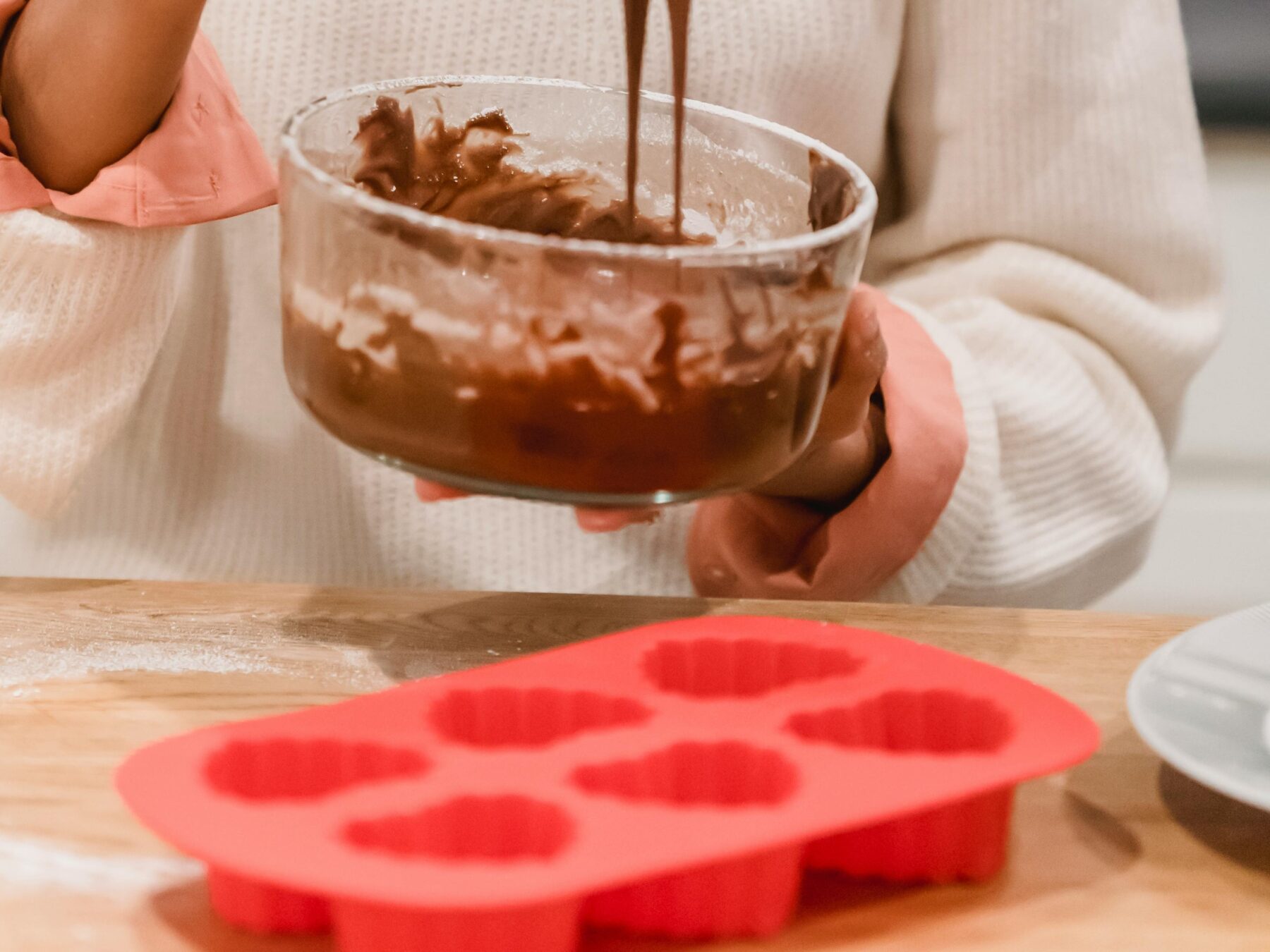
Real-life Example: Baking Muffins In A Silicone Mold
Let’s walk through a quick example.
- Choose a muffin recipe (e.g., blueberry muffins).
- Preheat the oven to 350°F (175°C).
- Wash and dry the silicone muffin tray.
- Lightly grease each cup with oil.
- Place mold on a baking tray.
- Fill each cup 3/4 full with batter.
- Bake for 20–22 minutes. Check with a toothpick.
- Cool for 10 minutes.
- Push the bottom of each cup to release muffins.
- Wash the mold for next time.
Result: Muffins come out clean, no broken tops, and the mold is ready for another batch.
Credit: ddtecdedetizacao.com.br
Frequently Asked Questions
Can You Put Silicone Molds Directly On The Oven Rack?
No, you should always place silicone molds on a flat baking sheet before putting them in the oven. This keeps the mold stable, prevents spills, and ensures even baking.
Do You Need To Grease Silicone Molds?
Most silicone molds are naturally non-stick, but a light coating of oil or butter can help—especially for sticky or high-sugar recipes. This makes removing food even easier and extends the life of your mold.
What Is The Maximum Temperature For Silicone Molds In The Oven?
Most high-quality silicone molds are safe up to 428°F (220°C). Always check your mold’s packaging for specific limits. Never use silicone under a broiler or on direct flame.
How Do You Clean Silicone Molds?
Wash with warm, soapy water and a soft sponge. For tough stains, soak in baking soda and water. Most molds are dishwasher safe (top rack). Dry completely before storing.
Are Silicone Molds Safer Than Metal Bakeware?
Both are safe when used correctly. Silicone molds are non-stick, lightweight, and won’t rust. Always use food-grade, certified molds. For high-heat or crispy foods, metal pans may be better.
For more information on silicone bakeware safety, visit the Wikipedia page on silicone cookware.
Silicone molds make baking easy, fun, and creative. With the right knowledge and a bit of practice, you can use them confidently for cakes, candies, savory dishes, and more. Enjoy mess-free baking and perfect results—every time you use your oven.