
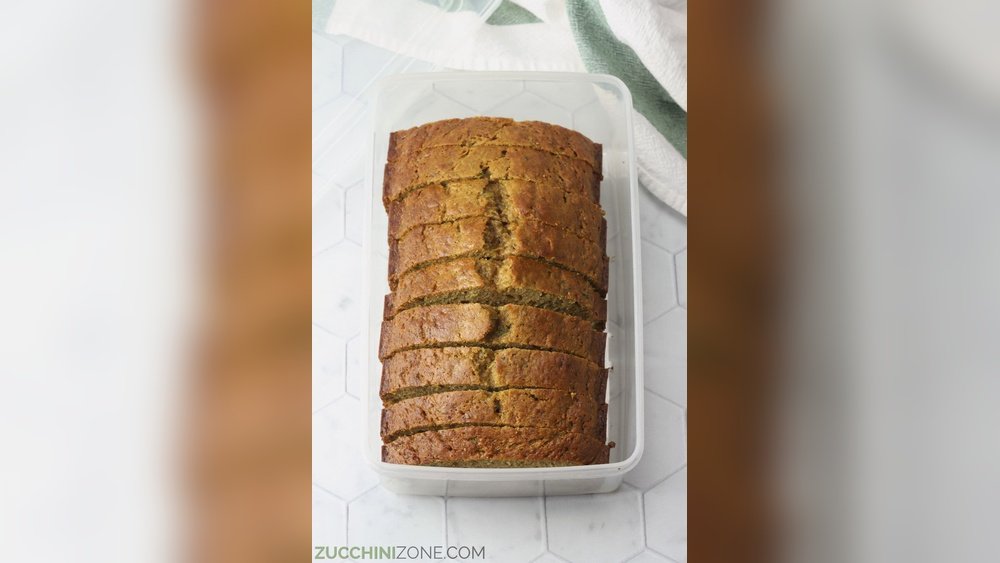
Zucchini bread is a moist, sweet, and flavorful treat that captures the best of summer produce. Whether you bake it for breakfast, dessert, or as a snack, you’ll want to keep it fresh and delicious as long as possible. But storing zucchini bread isn’t as simple as just wrapping it up and tossing it in the fridge.
The way you store it can affect its texture, taste, and even how safe it is to eat later. Learning the right storage methods can help you enjoy your homemade or store-bought zucchini bread for days, or even weeks.
Many people make mistakes that lead to dry, soggy, or moldy bread. Some leave it on the counter too long, while others refrigerate it without realizing that can sometimes make things worse. There’s a lot more to storing zucchini bread than meets the eye.
This article will walk you through every detail you need to know, from short-term countertop storage to freezing for months. You’ll discover how to wrap zucchini bread, choose the best containers, adjust for different climates, and avoid common pitfalls that ruin flavor and texture.
With simple tips and clear explanations, even a beginner baker can keep their zucchini bread tasting bakery-fresh.
Why Storage Matters For Zucchini Bread
Zucchini bread is special because of its high moisture content. Zucchini itself is about 95% water, and when you mix it into bread batter, it creates a soft, dense crumb. This moisture is what makes zucchini bread stay soft for days, but it can also encourage mold growth and make the bread spoil faster if not stored right.
Unlike dry breads like baguettes, zucchini bread can become soggy or develop a gummy texture if exposed to too much air or humidity. On the other hand, if it dries out, it quickly loses its appeal. Proper storage keeps the balance just right, preserving both taste and food safety. Poor storage can cut the shelf life from several days to just a few hours.
How Long Does Zucchini Bread Last?
The shelf life of zucchini bread depends on how you store it. Here’s a quick overview:
| Storage Method | Room Temperature | Refrigerator | Freezer |
|---|---|---|---|
| Unwrapped | 1 day | 2 days | Not recommended |
| Wrapped in plastic/foil | 2-3 days | 5-7 days | 2-3 months |
| Airtight container | 3-4 days | 7-10 days | 2-3 months |
If you want your zucchini bread to last longer, freezing is the best option. But each method has its pros and cons, which we’ll cover in detail.
Storing Zucchini Bread At Room Temperature
For most people, storing zucchini bread on the counter is the easiest choice. If you plan to eat it within a few days, this method works well.
Best Practices For Counter Storage
1. Cool Completely Before Storing
Always let your zucchini bread cool to room temperature before wrapping. Storing warm bread traps steam, which leads to sogginess and mold.
2. Wrap Tightly
Use plastic wrap or aluminum foil to seal the bread. Make sure there are no gaps where air can get in. Air exposure is the main reason bread dries out or becomes stale.
3. Choose The Right Spot
Store bread in a cool, dry place away from direct sunlight, heat sources, or humidity. A pantry or bread box is ideal.
4. Use An Airtight Container (optional)
After wrapping, place the bread in an airtight container for extra protection. This helps keep out pests and further slows down staling.
Sliced Vs. Unsliced
It’s better to store unsliced zucchini bread. When you slice the loaf, you expose more surface area to air, which makes the bread dry out faster. If you must slice, keep the cut end facing down and pressed against the wrap.
How To Serve After Room Storage
If the bread feels a little dry, you can microwave a slice for 10–15 seconds. This revives the moisture and makes it soft again.
When To Avoid Room Temperature Storage
If your kitchen is very warm or humid, or if you add dairy-based frostings or fillings, room temperature storage is not safe. In these cases, use the fridge.
Storing Zucchini Bread In The Refrigerator
Refrigeration is a good choice for longer storage, especially in hot climates or when you add perishable ingredients (like cream cheese swirls or glazes).
Proper Wrapping Is Essential
Refrigerators dry out food. To keep zucchini bread moist:
- Wrap the bread tightly in plastic wrap or foil.
- Place the wrapped loaf or slices in a resealable bag or airtight container.
This double-layer method prevents the bread from absorbing fridge odors and moisture loss.
How Long It Lasts
Refrigerated zucchini bread can stay fresh for up to 7–10 days if wrapped well. Always check for mold or off smells before eating.
Downsides Of Refrigeration
The fridge can make bread feel firmer or even stale. To fix this, let slices come to room temperature before eating, or warm them briefly in a toaster or microwave.
When Fridge Storage Is Best
- Hot or humid climates
- Frosted or filled zucchini bread
- If you won’t finish the bread in 2–3 days
Freezing Zucchini Bread
Freezing is the best way to extend shelf life without losing flavor or texture. You can freeze whole loaves, partial loaves, or individual slices.
How To Freeze Zucchini Bread
1. Cool Completely
Freezing warm bread causes ice crystals and sogginess.
2. Wrap Tightly
Use plastic wrap as the first layer, making sure the entire loaf is sealed. For extra protection, add a layer of aluminum foil or place the wrapped loaf in a freezer bag.
3. Label And Date
Use a permanent marker to write the date. Zucchini bread is best within 2–3 months for peak taste.
4. Freeze Flat
Place bread flat in the freezer to keep its shape.
Freezing Slices Vs. Whole Loaf
- Whole loaf: Best for serving many people at once. Take out and thaw only what you need.
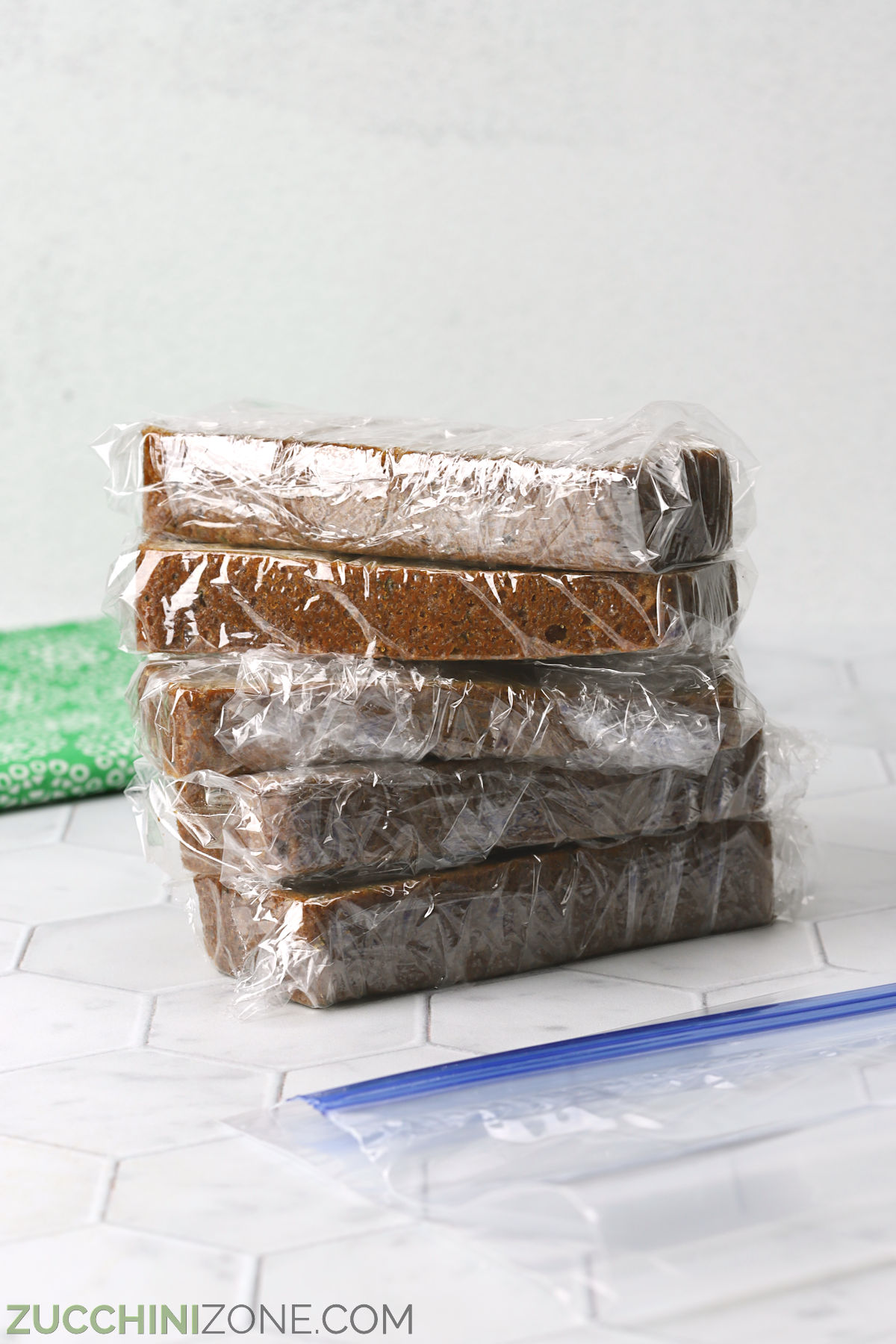
- Individual slices: Perfect for quick snacks or lunchboxes. Wrap slices separately for easy grab-and-go.
Thawing Zucchini Bread
- For a whole loaf, place it on the counter (still wrapped) for 3–4 hours.
- For slices, unwrap and microwave for 15–20 seconds or let sit at room temperature for 30–60 minutes.
Important Freezing Tips
- Don’t freeze bread with cream cheese, custard, or dairy-based frostings. Freeze the plain bread and add toppings after thawing.
- Use freezer-safe bags or containers to prevent freezer burn.
- Never refreeze thawed bread; it will lose moisture and flavor quickly.
Storage Containers: What Works Best
Choosing the right container makes a big difference in how well your zucchini bread keeps.
| Container Type | Pros | Cons |
|---|---|---|
| Plastic wrap/foil | Cheap, easy, fits any shape | Not airtight, can tear |
| Resealable bags | Good for freezing, airtight | Single-use plastic |
| Airtight plastic container | Reusable, stackable, protects from crushing | Takes up space |
| Glass container | No odors, eco-friendly | Heavy, can break |
| Bread box | Great for countertop, keeps airflow balanced | Not airtight, not for fridge/freezer |
For most home bakers, plastic wrap plus a resealable bag is the easiest combination for both fridge and freezer. If you bake often, investing in a few airtight containers saves time and reduces waste.
How To Store Zucchini Bread Slices
Sometimes you don’t want to store the whole loaf. Maybe you want to pack a slice for lunch or freeze individual servings. Here’s how to do it right:
- Cut clean slices with a sharp, serrated knife.
- Wrap each slice in plastic wrap or parchment paper.
- Group slices in a freezer bag or airtight container. This keeps slices from sticking together.
- Label with the date and flavor (especially if you bake different kinds).
Practical Tip
If you freeze slices, you can take out just one at a time. This is great for busy mornings or for portion control. Always let slices thaw in their wrap to avoid condensation on the bread.
Storing Zucchini Bread With Add-ins
Many recipes include extras like nuts, chocolate chips, or dried fruits. These additions can change how you store the bread.
- Nuts: Can go rancid if left at room temperature too long, especially in hot weather. Refrigerate or freeze bread with nuts for longer storage.
- Chocolate chips: Fine at room temperature but may sweat in the fridge. Wrap well to avoid moisture changes.
- Dried fruits: Attract moisture and can make bread sticky. Best stored in the fridge or freezer.
If you add perishable items like fresh fruit or cream cheese, always refrigerate or freeze your bread. Never leave these versions on the counter for more than a few hours.
How Humidity And Climate Affect Storage
Where you live affects how you should store zucchini bread.
- Humid climates: Bread molds faster. Use the fridge or freezer.
- Dry climates: Bread dries out quickly. Wrap extra tightly and consider using an airtight container on the counter.
- High altitudes: Bread can lose moisture rapidly. Don’t pre-slice, and keep wrapped tightly.
If you notice condensation inside your storage wrap, dry the bread with a paper towel before rewrapping. Moisture trapped with the bread speeds up mold growth.
Storing Zucchini Bread With Frosting Or Glaze
If your zucchini bread has a frosting or glaze, you need to be extra careful. Cream cheese frosting, for example, is not safe at room temperature for more than 2 hours.
- Refrigerate immediately after frosting.
- Wrap loosely until the frosting is firm, then wrap tightly for longer storage.
- For glazed bread, let the glaze set before wrapping. This prevents sticking.
If freezing, it’s best to freeze the plain bread and add frosting after thawing. Most frostings can separate or become watery after freezing.
Credit: www.doesitgobad.com
Common Storage Mistakes To Avoid
Storing zucchini bread seems simple, but these mistakes can ruin your loaf:
- Storing while warm: This traps steam, causes sogginess and mold.
- Loose wrapping: Air exposure dries out bread and encourages staling.
- Refrigerating unwrapped: Bread absorbs fridge odors and dries out.
- Keeping too long at room temperature: Mold can grow even if bread looks fine.
- Freezing with perishable toppings: Frostings and fillings often don’t freeze well.
- Not labeling: You forget how long bread’s been stored, risking food safety.
Signs Your Zucchini Bread Has Gone Bad
Always check before eating stored zucchini bread. Warning signs include:
- Mold: Green, white, or black spots on the surface.
- Off smell: Sour, musty, or “off” odors mean spoilage.
- Sticky or slimy texture: Indicates bacteria or mold growth.
- Dryness or staleness: Not dangerous, but not pleasant to eat.
When in doubt, throw it out. Mold can spread deeper than you see on the surface.
How To Revive Stale Zucchini Bread
Sometimes bread dries out, but that doesn’t mean you need to toss it. Try these tricks:
- Microwave a slice for 10–20 seconds with a damp paper towel.
- Toast slices lightly and spread with butter.
- Make bread pudding or French toast using stale bread.
- Warm in the oven at 300°F for 5–10 minutes, wrapped in foil.
These methods restore moisture and make even older bread enjoyable.
Sustainable Storage: Reducing Food Waste
Wasting zucchini bread is a shame, especially if you’ve used garden-fresh produce. Here’s how to store smarter and reduce waste:
- Freeze leftovers as soon as you know you won’t finish the loaf in a few days.
- Slice before freezing for easy single servings.
- Share with friends or neighbors if you bake too much.
- Use bread ends or dry pieces in bread puddings, croutons, or breakfast bakes.
By planning ahead, you’ll enjoy every crumb and help the environment.
Storing Store-bought Vs. Homemade Zucchini Bread
While the same principles apply, there are some differences:
- Store-bought bread often contains preservatives, so it lasts longer at room temperature.
- Check the label for storage instructions. Some brands require refrigeration.
- Homemade bread has no preservatives, so follow the storage advice in this article.
If you buy from a bakery, ask how they recommend storing their product.
Zucchini Bread Storage For Special Diets
If you make gluten-free, vegan, or low-sugar zucchini bread, storage rules can change slightly:
- Gluten-free bread: Usually dries out faster. Store in the fridge or freezer.
- Vegan bread: Similar to regular, but avoid room temperature if using homemade nut milks or unusual ingredients.
- Low-sugar bread: Sugar is a preservative. Lower sugar means shorter shelf life. Refrigerate or freeze for best results.
Always test a small batch first to see how your recipe holds up over time.
Zucchini Bread Storage Myths
There are many myths about storing baked goods. Here are the facts:
- Myth: Bread boxes keep all bread fresh for weeks.
Fact: Bread boxes help with airflow but won’t prevent mold in high-moisture breads like zucchini bread.
- Myth: Refrigeration ruins all bread.
Fact: Moist, sweet breads like zucchini bread do fine in the fridge if wrapped well.
- Myth: Freezing changes the taste.
Fact: If wrapped correctly, frozen zucchini bread tastes almost as good as fresh.
Understanding these details helps you make the right choices for your kitchen.
Storing Zucchini Bread For Gifting
If you want to give zucchini bread as a gift, storage is extra important to keep it fresh until it’s enjoyed.
- Wrap tightly in plastic wrap, then place in a decorative bag or box.
- Include a storage note: “Best enjoyed within 3 days or freeze for longer freshness.”
- If mailing, choose overnight shipping and avoid perishable toppings.
This shows care and ensures your gift arrives tasting great.

Credit: www.fitmittenkitchen.com
Storing Zucchini Bread For Bake Sales
Bake sales are popular for zucchini bread. To keep loaves fresh:
- Bake the day before the event for best flavor.
- Wrap each loaf or slice in plastic wrap, then use a resealable bag.
- Display in a cool, shaded spot during the sale.
- Offer storage advice: Let buyers know how to keep their bread fresh.
Attention to storage sets your baked goods apart and keeps customers happy.
How To Store Different Types Of Zucchini Bread
Not all zucchini breads are alike. Here’s how to adjust storage for popular variations:
| Type | Room Temperature | Refrigerator | Freezer |
|---|---|---|---|
| Classic (plain) | 3-4 days | 7-10 days | 2-3 months |
| With nuts or chocolate | 2-3 days | 7 days | 2 months |
| With cream cheese frosting | 2 hours | 5 days | Best without frosting |
| Gluten-free | 1-2 days | 4-5 days | 1-2 months |
Adjust your storage plan depending on what’s in your loaf.
How To Transport Zucchini Bread
Taking zucchini bread to a party, picnic, or friend’s house? Use these tips:
- Wrap tightly, then place in a sturdy container.
- For long trips, keep in a cooler bag, especially if frosted.
- Avoid stacking: Zucchini bread is soft and can squash easily.
- If slicing ahead, separate slices with parchment paper to prevent sticking.
Arrive with your bread looking and tasting as good as when it left your kitchen.
How To Store Zucchini Bread Dough Or Batter
Sometimes you want to bake ahead or save extra batter. Here’s what to do:
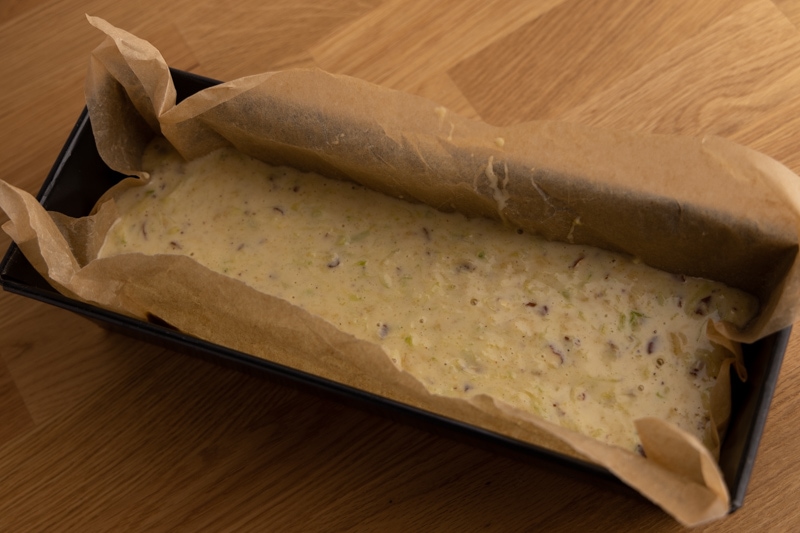
- Refrigerate batter for up to 24 hours in an airtight container. Bake straight from the fridge, adding 5–10 minutes to the baking time.
- Freeze batter in a freezer bag, laid flat, for up to 2 months. Thaw overnight in the fridge before baking.
Don’t store raw batter at room temperature due to the risk of bacteria growth.
Credit: zucchinizone.com
Non-obvious Insights For Better Storage
- Use parchment paper under the loaf before wrapping. This prevents sticking and makes unwrapping easier, especially after freezing.
- Slice only what you need. Keeping the loaf whole protects the inside from air and keeps the bread moist longer.
- Check humidity in your storage area. Even a dry kitchen can develop “microclimates” near windows or appliances.
- Consider vacuum sealing for long-term freezing. This removes air and prevents freezer burn, but you must cool the bread first.
- Reuse bread ends. If the ends dry out, cube them for bread puddings or croutons instead of throwing them away.
Frequently Asked Questions
How Do I Know If My Zucchini Bread Is Still Safe To Eat?
Check for mold, an off smell, or sticky texture. If you see any unusual spots or notice a sour odor, it’s best to discard the bread. Stale bread is not harmful but won’t taste as good.
Can I Freeze Zucchini Bread With Chocolate Chips Or Nuts?
Yes, but for best results, wrap tightly to prevent moisture changes. Nuts may become softer after thawing, but the bread will still be safe and tasty.
Is It Okay To Leave Zucchini Bread On The Counter Overnight?
If the bread is plain and your kitchen is cool and dry, yes. But if you live in a hot or humid area, or if the bread contains perishable fillings, refrigeration is safer.
What’s The Best Way To Thaw Frozen Zucchini Bread?
Leave the wrapped bread at room temperature for several hours or overnight. For slices, microwave for 10–20 seconds. Unwrap only after thawing to avoid condensation on the bread.
Where Can I Learn More About Safe Food Storage For Baked Goods?
For more detailed food safety information, visit the USDA FoodKeeper App, which offers guidance on storing many foods safely.
Storing zucchini bread the right way means you can enjoy homemade goodness any time, with no loss of flavor or quality. Whether you bake once a month or every week, following these tips keeps your bread fresh, safe, and ready for sharing.