
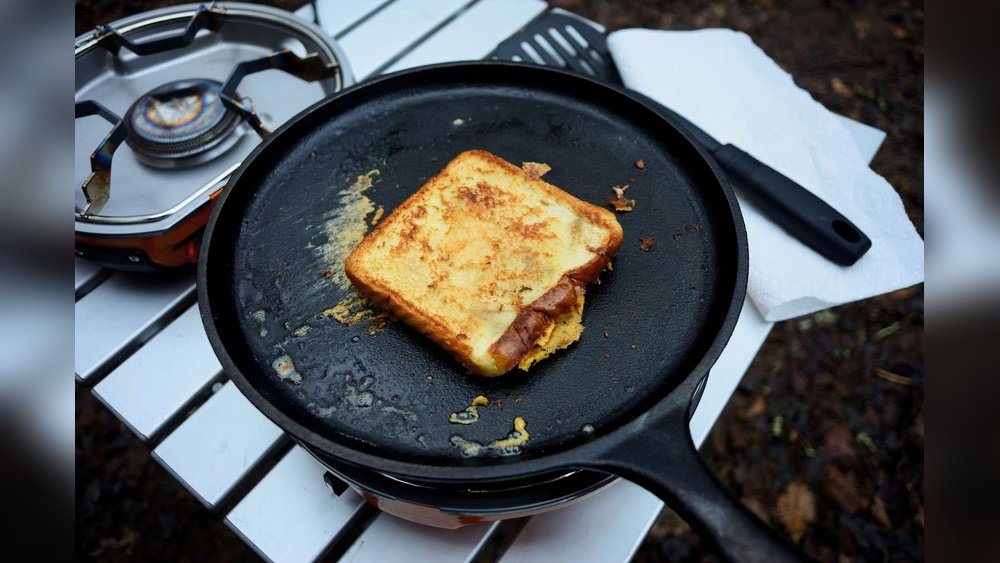
Everyone knows the simple joy of a grilled cheese sandwich: crispy bread, gooey melted cheese, and that comforting, nostalgic taste. But what if you have leftovers? Or maybe you made a few sandwiches ahead of time, hoping to enjoy them later? The truth is, reheating grilled cheese isn’t as straightforward as tossing it in the microwave. Done wrong, you end up with soggy bread, rubbery cheese, or a sandwich that’s just not the same.
Many people struggle to get that perfect texture back. Some methods make the bread too hard, others leave the center cold. In this guide, you’ll learn how to reheat grilled cheese the right way, using different appliances and techniques. You’ll see which method is best for different situations and how to avoid the common pitfalls.
By the end, you’ll know exactly how to bring your grilled cheese back to life—crispy, melty, and delicious.
Why Reheating Grilled Cheese Is Tricky
Grilled cheese sandwiches are all about texture. The outside should be crisp, while the inside stays soft and cheesy. When you reheat, moisture can escape or get trapped, changing both the bread and the cheese. For example, microwaves heat unevenly, so you might get a hot outside and a cold middle.
Ovens can dry out the bread if you’re not careful.
Many people think any heat source will work, but each method has its strengths and weaknesses. Knowing why grilled cheese changes during reheating helps you pick the right approach. If you want your sandwich to taste as good as fresh, you need a method that balances heat, moisture, and timing.
The Best Ways To Reheat Grilled Cheese
Let’s explore the top methods for reheating grilled cheese, including pros, cons, and step-by-step instructions. Each one works a bit differently, so you can choose based on what you have at home.
1. Stovetop Skillet Method
This is the classic way to reheat grilled cheese, and often the best for preserving both texture and flavor.
How To Do It
- Place a nonstick skillet or frying pan on your stove.
- Heat on medium-low. Do not use high heat, or the bread may burn before the inside is hot.
- Add a small pat of butter (optional, but adds flavor and crispness).
- Place the sandwich in the pan.
- Cover the pan with a lid. This traps heat and helps the cheese melt evenly.
- Heat for about 2–3 minutes per side.
- Flip carefully and heat the other side for another 2–3 minutes.
- Check if the cheese is melted. If not, give it another minute, covered.
Why This Works
The skillet brings back the crispy crust and evenly heats the cheese. The lid helps melt the inside without drying the bread.
Tips For Success
- If your sandwich is very thick, lower the heat even more and heat longer.
- Don’t press down with a spatula—this squeezes out the cheese.
- For extra crunch, add a tiny bit of butter before flipping.
2. Oven Or Toaster Oven Method
When you want to reheat several sandwiches or you don’t want to stand by the stove, the oven or toaster oven is a great choice.
How To Do It
- Preheat your oven or toaster oven to 375°F (190°C).
- Place the grilled cheese sandwich on a baking sheet. For easier cleanup, use parchment paper.
- Heat for 8–10 minutes, flipping halfway through.
- For extra crispness, finish with 1–2 minutes under the broiler, but watch carefully.
Why This Works
The oven heats the sandwich evenly and helps dry out any moisture, making the bread crisp again. It’s also easy to do multiple sandwiches at once.
Tips For Success
- Do not wrap the sandwich in foil—it traps steam and makes the bread soggy.
- If your oven runs hot, check early to avoid burning.
- For cheese that’s especially thick, lower the heat to 350°F and heat a few minutes longer.
3. Air Fryer Method
Air fryers are famous for making food crispy without much oil. They’re also excellent for reheating grilled cheese.
How To Do It
- Preheat your air fryer to 350°F (177°C).
- Place the sandwich in the basket. Do not overcrowd—leave space around the sandwich.
- Heat for 3–4 minutes. Flip halfway through.
- Check if the cheese is melted and the outside is crisp.
Why This Works
The hot circulating air crisps up the bread quickly while melting the cheese inside.
Tips For Success
- If your air fryer blows food around, place a toothpick through the sandwich to hold it.
- For very thick sandwiches, lower the temperature to 320°F and heat 1–2 minutes longer.
4. Microwave Method
Microwaves are fast, but they’re not ideal for grilled cheese. Still, sometimes you just want a quick snack.
How To Do It
- Place the sandwich on a microwave-safe plate.
- Cover with a paper towel to absorb moisture.
- Heat on 50% power for 30–45 seconds.
- Check if the cheese is melted. If not, heat for another 10–15 seconds.
Why This Works (and Why It Doesn’t)
Microwaves heat food quickly, but often unevenly. The bread may get soft or rubbery. It’s the fastest method, but not the best for texture.
Tips For Success
- Use the microwave to reheat the inside, then finish in a skillet or toaster for crispness.
- Never microwave for too long—cheese can overheat and separate.
5. Sandwich Press Or Panini Maker
If you own a sandwich press or panini maker, it can give you a crispy, even finish with little effort.
How To Do It
- Preheat the press.
- Place the sandwich inside, close the lid gently.
- Heat for 3–5 minutes, or until the bread is golden and cheese is melted.
Why This Works
The press heats both sides at once and presses the sandwich, making it crisp. It’s especially good for thick or multi-layer grilled cheese.
Tips For Success
- Don’t press too hard, or you may squeeze out the filling.
- If your press is very hot, check after 2 minutes.
6. Broiler Method
The broiler gives intense top heat, which can quickly crisp up a grilled cheese. Use this for quick reheating.
How To Do It
- Set your oven to broil.
- Place the sandwich on a baking sheet.
- Broil for 1–2 minutes per side. Watch closely to avoid burning.
Why This Works
The broiler crisps the bread fast, but you must watch carefully. It doesn’t always melt the cheese evenly.
Tips For Success
- Flip halfway to crisp both sides.
- For even heating, finish in the oven after broiling.
Comparing Reheating Methods
Here’s a quick look at how each method performs:
| Method | Crispiness | Speed | Best For |
|---|---|---|---|
| Stovetop Skillet | Excellent | Medium | Single sandwich, best flavor |
| Oven/Toaster Oven | Very Good | Medium-Slow | Multiple sandwiches |
| Air Fryer | Very Good | Fast | Quick, crispy results |
| Microwave | Poor | Very Fast | Speed, not texture |
| Sandwich Press | Excellent | Fast | Pressed, hot sandwiches |
| Broiler | Good | Very Fast | Quick crisping |
When To Use Each Method
- Skillet: When you want the best texture and only need to reheat one or two sandwiches.
- Oven/Toaster Oven: When reheating for a group or batch.
- Air Fryer: When you want crispy bread, fast.
- Microwave: When you’re in a rush and don’t care about crispiness.
- Sandwich Press: When you want a panini-style, pressed finish.
- Broiler: When you need a quick crisp on top.
Common Mistakes To Avoid
A lot can go wrong with reheating grilled cheese. Here are some frequent errors and how to avoid them:
- Overheating: High heat can burn the bread before the cheese melts.
- Undercooking: Rushing means the cheese stays cold inside.
- Not flipping: Both sides need to get hot and crisp.
- Using plastic wrap/foil in oven: These trap steam and ruin the texture.
- Microwaving too long: The bread becomes rubbery and unappetizing.
How To Store Grilled Cheese For Best Results
Reheating success starts with proper storage. If you know you’ll eat the grilled cheese later, store it the right way:
- Cool completely before storing to prevent sogginess.
- Wrap in wax paper or parchment, not plastic wrap, to avoid trapping moisture.
- Store in an airtight container in the refrigerator.
- Eat within 2 days for best flavor and safety.
Best Cheeses For Reheating
Not all cheeses behave the same way when reheated. Some melt smoothly, others become oily or rubbery. Here’s a quick reference:
| Cheese Type | Reheats Well? | Notes |
|---|---|---|
| American | Yes | Creamy, melts well |
| Cheddar | Yes | Good melt, slightly oily |
| Mozzarella | Yes | Stretchy, mild flavor |
| Swiss | Yes | Nutty, melts evenly |
| Brie/Camembert | Moderate | Can get runny |
| Feta | No | Doesn’t melt, stays crumbly |
| Blue Cheese | Moderate | Strong flavor, can separate |
If your sandwich uses a cheese that doesn’t melt well, you may need to add a melting cheese like American or Mozzarella to improve the texture.
The Role Of Bread In Reheating
Bread type changes how your grilled cheese reheats:
- Sourdough and artisan breads: Stay crisp better, even after storage.
- White bread: Soft, but can get soggy if not reheated with care.
- Whole grain: Tends to dry out, so use a lower heat.
Thicker bread needs more time to heat through. For best results, slice your bread no more than ¾ inch thick.
Extra Tips For Even Better Reheated Grilled Cheese
- Add fresh butter before reheating: This gives a just-made taste and extra crispness.
- Refresh with a sprinkle of water: For dry bread, a light mist of water before oven reheating helps restore softness inside.
- Slice before reheating: If your sandwich is very thick, cut it in half first to help the heat reach the center.
- Add toppings after reheating: Extras like tomato or avocado are best added fresh.
Reheating Grilled Cheese With Extras (tomato, Ham, Etc.)
If your sandwich has more than just cheese, be careful:
- Tomatoes: Can make bread soggy. Pat dry before assembling and reheat with extra crisping time.
- Ham, bacon, or chicken: These ingredients reheat well, but make sure the meat reaches a safe temperature (at least 165°F).
- Vegetables: Water-rich veggies may steam inside. Reheat uncovered in a skillet or air fryer.
If you want to add mayonnaise or mustard, do it after reheating. Heating these spreads can change their flavor and texture.

Credit: pantryandlarder.com
Reheating Frozen Grilled Cheese
Sometimes, you might freeze grilled cheese for meal prep. Here’s how to bring it back:
- Thaw overnight in the fridge, if possible.
- If reheating from frozen, add 2–3 minutes to oven or air fryer time.
- Use lower heat (325°F–350°F) to avoid burning the outside before the inside is hot.
- Always check the center to make sure it’s fully heated.
Freezing changes bread texture, so oven or air fryer methods work best for frozen sandwiches.
Testing For Doneness
Don’t just go by time—check your sandwich before eating.
- Cheese should be fully melted and almost flowing.
- Bread should be crisp and golden, not burnt or pale.
- Center temperature should feel hot to the touch.
If you’re not sure, cut the sandwich in half and look inside.
Nutrition And Food Safety
Reheating can change the nutrition a little, but grilled cheese remains a high-calorie, high-fat snack. For healthier results:
- Use whole grain bread and low-fat cheese.
- Add vegetables for extra fiber.
- Avoid reheating more than once—each cycle increases food safety risks.
Leftovers should be eaten within 2 days and never left at room temperature for more than 2 hours. For more on food safety, see the USDA’s official advice at USDA Food Safety.
How To Revive A Soggy Grilled Cheese
Sometimes, no matter what you do, the bread gets a little soft. Here’s how to fix it:
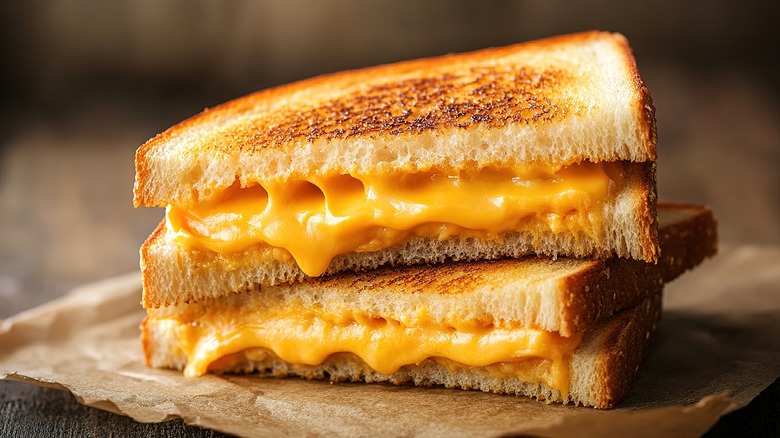
- Reheat in a dry skillet or air fryer at medium heat for 2–3 minutes per side.
- Don’t cover the pan—let moisture escape.
- If the bread is still soft, broil for 1 minute for extra crispness.
Credit: www.tastingtable.com
Reheating Grilled Cheese For A Crowd
If you need to reheat many sandwiches at once (for a party or family meal):
- Use the oven at 375°F.
- Place sandwiches on a wire rack over a baking sheet. This allows air to circulate.
- Heat for 10–12 minutes, flipping halfway.
- For extra crunch, broil for 1 minute at the end.
You can keep sandwiches warm in the oven at 200°F for up to 30 minutes.
Creative Ways To Use Leftover Grilled Cheese
Sometimes, reheating isn’t enough. Here are some ideas to use leftover grilled cheese:
- Croutons: Cube and toast in the oven for salad toppers.
- French Toast: Dip in egg and milk, then fry for a savory breakfast.
- Soup Dip: Cut into strips and serve with tomato soup.
- Bread Pudding: Layer with eggs and milk, bake for a cheesy casserole.
Leftovers Don’t Have To Be Boring—get Creative!
Real-world Example: Reheating For School Lunch
Many parents send grilled cheese in lunchboxes. By the time lunch comes, the sandwich is cold. For best results:
- Make the sandwich with a sturdy bread (like sourdough).
- Wrap in wax paper, then foil.
- Tell kids to use a microwave for 30 seconds at school, or eat at room temperature if no microwave is available.
If you want it hot and crisp, reheating in a toaster oven is best, but not always possible at school.
Key Insights Beginners Miss
- Covering the pan or skillet helps melt cheese without burning the bread. Beginners often skip this, leading to cold centers.
- Letting the sandwich cool before storing is essential. Hot sandwiches sweat and get soggy in the fridge. Always let them reach room temperature before wrapping.
- Bread thickness matters. Thin bread reheats quickly but can burn fast; thick bread needs more time and lower heat.
Troubleshooting: Why Did My Grilled Cheese Turn Out Bad?
- Bread is soggy: Too much steam, not enough dry heat. Next time, reheat uncovered.
- Cheese is rubbery: Overheated, especially in the microwave. Use lower power or finish in a skillet.
- Bread is burnt, cheese is cold: Heat was too high. Lower the temperature and reheat longer.
- Sandwich falls apart: Too much filling or not enough cheese to hold it together. Use less filling next time.
Frequently Asked Questions
How Do I Make Grilled Cheese Crispy Again After Refrigerating?
To make it crispy again, reheat in a skillet or air fryer. Add a little butter to the pan, use medium heat, and cover for even melting. Avoid microwaves for crispiness.
Is It Safe To Reheat Grilled Cheese In The Microwave?
Yes, it’s safe, but the bread will likely get soft or chewy. For better results, use the microwave just to melt the cheese, then crisp the sandwich in a skillet or toaster oven.
How Long Can I Keep Leftover Grilled Cheese In The Fridge?
Store grilled cheese in an airtight container for up to 2 days. Always cool completely before storing. Reheat thoroughly before eating.
Can I Freeze Grilled Cheese And Reheat It Later?
Yes, grilled cheese can be frozen. Wrap tightly in wax paper and foil, then freeze. To reheat, use the oven or air fryer at 350°F, adding a few minutes to the normal time.
What’s The Best Cheese For Reheating Grilled Cheese?
American, Cheddar, Mozzarella, and Swiss are best for reheating because they melt smoothly and stay creamy. Avoid crumbly cheeses like feta, which don’t melt well.
Bringing back a grilled cheese sandwich to its original glory is possible with the right method and a little care. Whether you’re using a skillet, oven, or air fryer, the key is balancing heat and moisture. Avoid the common mistakes, try the tips above, and you’ll enjoy that perfect, crispy, melty sandwich every time.

Credit: natashaskitchen.com