
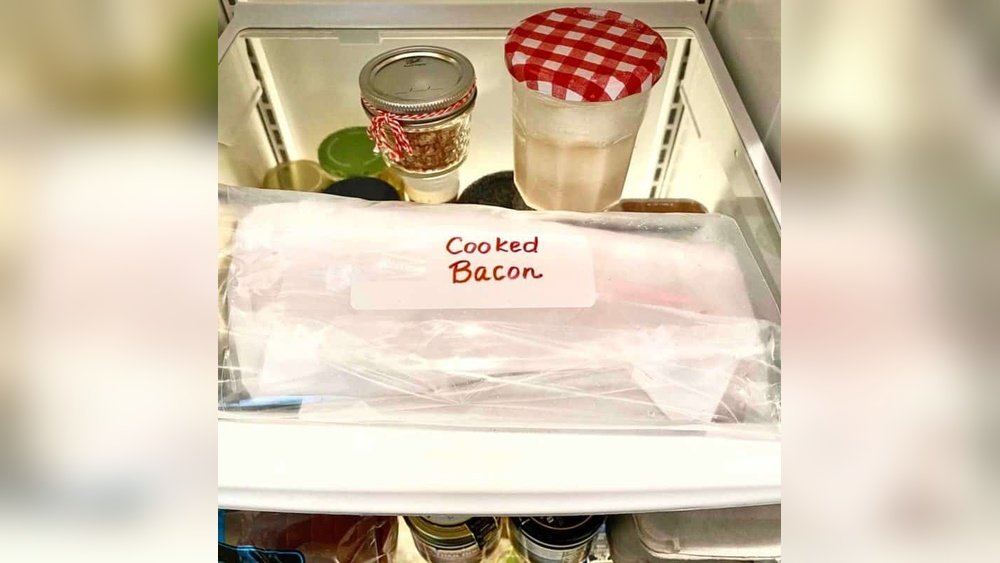
Storing cooked bacon properly is one of those small kitchen skills that can make life much easier. Whether you enjoy crispy bacon for breakfast, need it for a salad, or want to save leftovers from a big brunch, knowing how to keep bacon tasty and safe is important.
Many people cook bacon in advance to save time, but if you don’t store it correctly, it can quickly lose its crunch, taste, or even become unsafe to eat. This guide will help you understand everything you need to know about storing cooked bacon, from choosing the right container to knowing how long it will last.
You’ll learn easy methods, get tips most people miss, and see how proper storage can make your bacon last longer without losing flavor or texture.
Why Properly Storing Cooked Bacon Matters
Cooked bacon has a short shelf life if left out at room temperature. Food safety is a top concern because bacon is a meat product that can spoil or grow bacteria quickly. Even if it looks and smells fine, unsafe storage can cause food poisoning, which sometimes starts with just mild symptoms but can become serious.
Another reason for storing bacon properly is quality preservation. Bacon can become soggy, rubbery, or even stale if it’s not kept the right way. Good storage methods keep your bacon crispy and flavorful, so you don’t waste food or ruin a recipe.
Finally, storing cooked bacon the right way helps you save time. You can cook bacon in bulk and use it throughout the week, which is perfect for busy mornings or meal prep.
How Long Does Cooked Bacon Last?
The answer depends on how you store it. Here’s a quick look at how storage method affects shelf life:
| Storage Method | Room Temperature | Refrigerator | Freezer |
|---|---|---|---|
| Uncovered | 2 hours | Not recommended | Not recommended |
| Covered (foil/plastic wrap) | 2 hours | 3-5 days | Up to 1 month |
| Airtight container | 2 hours | 5-7 days | 1-3 months |
| Vacuum sealed | 2 hours | 7-10 days | Up to 6 months |
Key insight: Many people don’t realize that bacon left out for more than 2 hours is already at risk. Always refrigerate or freeze it as soon as it cools.
Preparing Cooked Bacon For Storage
Cool Bacon Before Storing
After cooking, let bacon cool to room temperature for about 10–15 minutes. This step is important because storing hot bacon can cause moisture to build up in the container, making the bacon soggy and increasing the risk of bacteria growth.
Remove Excess Grease
Pat the bacon strips gently with a paper towel to remove leftover grease. This not only keeps your bacon crisper but also helps prevent spoilage. Greasy bacon can turn rancid faster.
Choose The Right Storage Container
The right container protects bacon from air, moisture, and other strong smells in your fridge or freezer.
- Airtight containers: Glass or plastic containers with tight lids.
- Plastic zip bags: Squeeze out as much air as possible.
- Vacuum seal bags: For the longest shelf life.
- Plastic wrap or aluminum foil: Good for short-term storage, but less effective than airtight options.
Pro tip: Layer bacon strips with parchment paper if you’re storing a large batch. This prevents them from sticking together.
Storing Cooked Bacon In The Refrigerator
Refrigeration is the most common way to store cooked bacon for use within a week. Here’s how to do it right:
- Let bacon cool completely but don’t leave it out for more than 2 hours.
- Blot bacon with a paper towel to remove extra fat.
- Place bacon strips in an airtight container or a zip bag. If you have several layers, separate them with parchment paper.
- Label the container with the date, so you know when you stored it.
- Store in the coldest part of your fridge, usually near the back.
Bacon stored this way will stay good for up to 7 days. If you notice any strange smell, color, or texture, throw it out.
Keeping Bacon Crisp In The Fridge
Most people want their leftover bacon to stay crispy. Here’s how to keep that texture:
- Store bacon in a single layer if possible.
- Use a paper towel in the container to absorb moisture.
- Reheat in an oven or skillet instead of a microwave to bring back crispiness.
Non-obvious tip: Never store bacon in the crisper drawer with vegetables. The humidity can make it soggy.
Freezing Cooked Bacon
Freezing is best if you want to keep cooked bacon for more than a week. Frozen bacon can last for 1–3 months without losing much quality. Here’s the process:
- Cool and blot the bacon strips.
- Arrange bacon in a single layer on a baking sheet lined with parchment paper.
- Freeze for 1–2 hours until strips are solid (this step keeps strips separate).
- Transfer the frozen strips to a freezer-safe bag or container. Squeeze out as much air as possible or use a vacuum sealer.
- Label with the date.
Thawing And Reheating Frozen Bacon
For best results, thaw bacon in the refrigerator overnight. If you’re in a hurry, you can reheat straight from the freezer:
- Place bacon in a skillet on low heat until warmed through.
- Use the oven (350°F/175°C) for 5–10 minutes.
- Microwaving works, but bacon may become less crisp.
Practical insight: Freezing bacon in small portions (2–3 strips per bag) makes it easy to use only what you need.
Storing Bacon Bits Or Crumbled Bacon
Cooked bacon bits are great for salads, baked potatoes, or pasta. They need special care because small pieces spoil faster. Here’s how to store them:
- Refrigerator: Use an airtight container for up to 4 days.
- Freezer: Spread bits on a tray, freeze, then move to a zip bag. Use within 1 month.
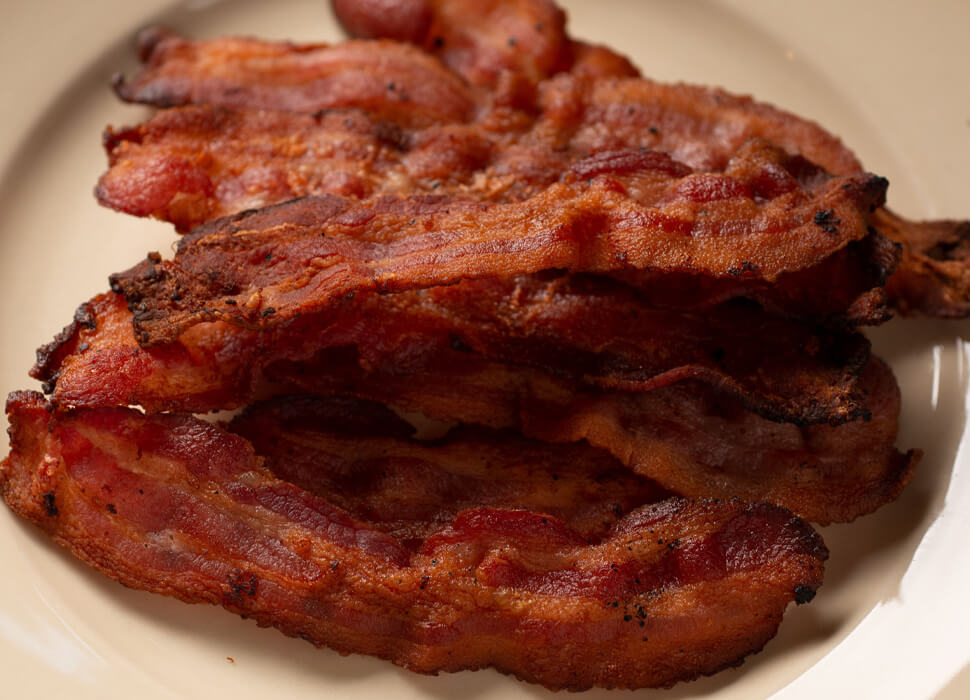
Always cool crumbled bacon before storing and blot away as much grease as possible.
Credit: colemannatural.com
Best Containers For Storing Cooked Bacon
Not all containers are equal when it comes to keeping bacon fresh. Here’s a comparison of common options:
| Container Type | Pros | Cons | Best Use |
|---|---|---|---|
| Airtight plastic | Easy to use, reusable, seals well | Can absorb smells over time | Refrigerator |
| Glass container | Doesn’t absorb odors, easy to clean | Heavier, breakable | Fridge or freezer |
| Plastic zip bag | Cheap, space-saving | Single use, not as airtight | Short-term fridge or freezer |
| Vacuum seal bag | Maximum freshness, long-term | Needs special equipment | Long-term freezer |
For most home cooks, airtight containers or zip bags work well. If you freeze bacon often, consider a vacuum sealer for the best results.
Mistakes To Avoid When Storing Cooked Bacon
Many people make simple mistakes that cause bacon to spoil or lose quality. Here are the most common:
- Storing while hot: This creates steam, making bacon soggy and unsafe.
- Skipping the paper towel step: Extra grease leads to faster spoilage.
- Not labeling containers: It’s easy to lose track of dates and eat spoiled bacon.
- Using the wrong container: Loose wrapping lets air in, causing freezer burn or drying out bacon.
- Keeping too long: Even in the fridge, bacon won’t last forever. When in doubt, throw it out.
- Forgetting to separate layers: Bacon strips can stick together, making it hard to use only what you need later.
- Storing with strong-smelling foods: Bacon can pick up odors from onions, garlic, or cheese in your fridge.
Hidden tip: If you cook bacon with added sugar (like candied bacon), it has a shorter shelf life. The sugar makes it spoil faster, so eat or freeze within 2–3 days.

Credit: bensabaconlovers.com
How To Tell If Stored Cooked Bacon Has Gone Bad
Even when stored carefully, bacon can still go bad. Here’s how to check:
- Smell: Sour, rancid, or “off” odors are a warning sign.
- Color: Bacon that turns gray, green, or has mold should be tossed.
- Texture: Slimy or sticky bacon is unsafe.
- Taste: If you notice a strange flavor, don’t eat more.
Never rely on looks alone. When in doubt, err on the safe side.
Storing Bacon For Meal Prep And Busy Schedules
Many people cook bacon in bulk to save time. Here’s how to do it smartly:
- Batch cooking: Make a large batch, cool, and store in smaller containers (enough for 1–2 meals).
- Portion control: Freeze or refrigerate in the amounts you’ll use, so you only reheat what you need.
- Label and rotate: Use the oldest bacon first to reduce waste.
Meal prep tip: If you often add bacon to salads, wraps, or eggs, keep a small container of crumbled bacon in your fridge for up to 4 days.
Storing Bacon Grease: A Related Topic
After cooking bacon, you’ll often have leftover grease. This can be stored and reused for cooking. Here’s how:
- Cool the grease slightly, then pour through a fine mesh strainer or cheesecloth to remove bits.
- Store in a glass jar or metal tin with a tight lid.
- Keep in the refrigerator for up to 3 months or the freezer for 6 months.
Don’t store bacon grease at room temperature, as it can go rancid quickly. Always use a clean spoon to scoop it out.
Special Storage Cases: Turkey Bacon, Vegan Bacon, And More
Not all bacon is the same. Turkey bacon and vegan bacon have different ingredients and shelf lives.
- Turkey bacon: Store just like pork bacon but use within 4–5 days in the fridge. It can dry out faster, so wrap tightly.
- Vegan bacon: Often made from tofu, tempeh, or coconut. Store in an airtight container for up to 3 days in the fridge. Most vegan bacon does not freeze well.
Always check packaging for special instructions, especially for plant-based products.
Using Leftover Bacon: Creative Ideas
Proper storage means you’ll have tasty bacon ready for many dishes. Here are some ideas for using stored bacon:
- Add to salads for crunch and flavor.
- Mix into scrambled eggs or omelets.
- Wrap around vegetables like asparagus or green beans.
- Top baked potatoes or casseroles.
- Stir into pasta dishes or risotto.
- Make bacon sandwiches or wraps.
- Garnish soups for a smoky taste.
Smart tip: If bacon becomes a bit soft in storage, reheat in a hot oven or toaster oven for a minute or two to bring back crispiness.
Environmental Impact And Safe Disposal
Storing bacon well helps reduce food waste, but it’s also important to dispose of spoiled bacon or used grease safely:
- Don’t pour grease down the drain. It can clog pipes. Instead, let it solidify and throw it in the trash.
- Compost meat only if your local system allows it. Most home compost bins can’t handle meat.
Being aware of the environmental side helps you make better kitchen choices.

Credit: bensabaconlovers.com
Expert Tips For Storing Bacon Like A Pro
- Use a vacuum sealer for the longest freezer life and best texture.
- Freeze cooked bacon flat on a tray first, then move to a bag to prevent clumping.
- Add a paper towel to absorb moisture in the fridge.
- Don’t crowd the container—single layers stay crispier.
- Store in the coldest part of the fridge, usually at the back.
- Rotate your supply: Use the oldest bacon first.
- Avoid repeated reheating: Only reheat what you’ll eat immediately.
Surprising fact: According to the USDA, food stored below 40°F (4°C) slows the growth of most bacteria, but doesn’t stop it completely. That’s why cooked bacon, even refrigerated, should be eaten within a week. For more information, see the USDA Food Safety guidelines.
Frequently Asked Questions
How Long Does Cooked Bacon Last In The Fridge?
Cooked bacon lasts up to 7 days in the refrigerator if stored in an airtight container. However, for the best taste and texture, try to use it within 4–5 days. Always check for signs of spoilage before eating.
Can I Freeze Cooked Bacon, And How Do I Reheat It?
Yes, you can freeze cooked bacon for 1–3 months. To reheat, thaw overnight in the fridge or heat directly from the freezer using a skillet, oven, or microwave. Using the oven or skillet helps keep the bacon crisp.
Is It Safe To Store Cooked Bacon At Room Temperature?
No, cooked bacon should not be left at room temperature for more than 2 hours. Bacteria grow quickly at room temperature, making the bacon unsafe to eat. Always refrigerate or freeze bacon if you’re not eating it right away.
What’s The Best Way To Keep Cooked Bacon Crispy During Storage?
To keep bacon crisp, cool and blot off grease, store in a single layer with a paper towel in an airtight container, and avoid stacking. Reheat in the oven or skillet to bring back crispiness, rather than using the microwave.
How Do I Know If Stored Cooked Bacon Is Bad?
Check for a sour smell, color changes (gray, green, mold), or a slimy texture. If you notice any of these signs, throw the bacon away. When in doubt, it’s safer to discard bacon than risk getting sick.
Storing cooked bacon the right way means you’ll always have delicious, safe bacon ready for your meals. With a little planning and the right methods, you can enjoy bacon’s flavor without worry or waste.