
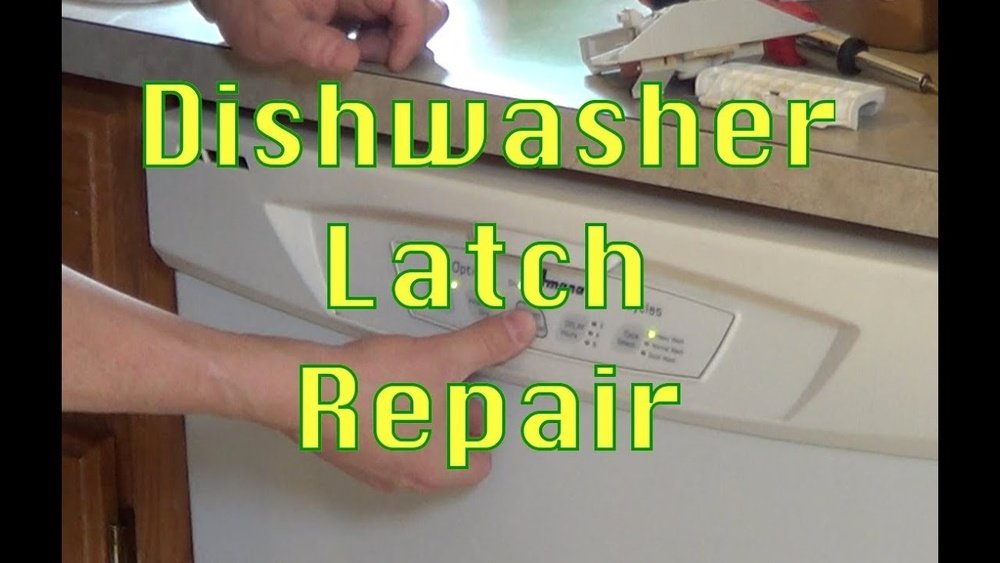
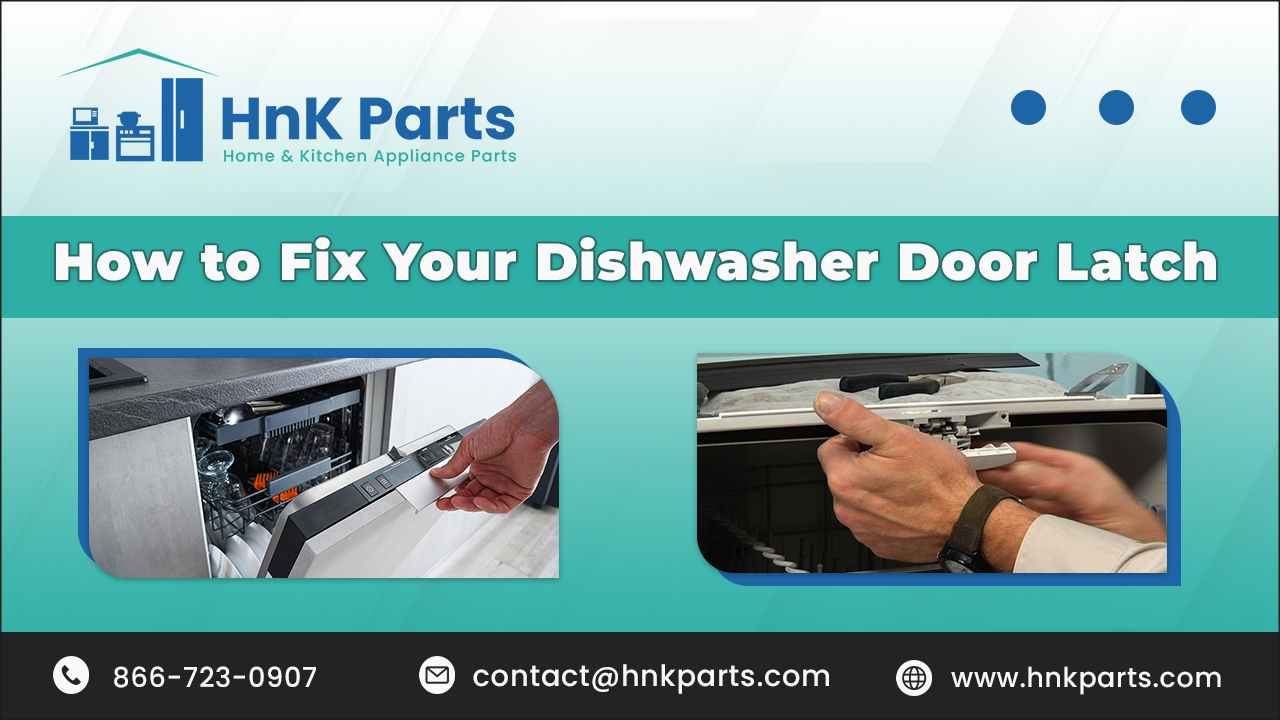
A dishwasher is one of those home appliances that quietly does its job day after day—until something goes wrong. One of the most common problems homeowners face is a dishwasher door latch that stops working. When this tiny part malfunctions, your dishwasher may not start, may leak water, or the door won’t stay closed. For many, the next step is calling a repair technician. But with some basic tools and a little patience, you can repair a dishwasher door latch yourself and save money. This guide will walk you through everything you need to know, from understanding how a latch works to fixing it safely and preventing future problems.
Understanding The Dishwasher Door Latch
Before you start fixing, it helps to know what you’re dealing with. The dishwasher door latch is a small mechanical or electro-mechanical part. Its main job is to keep the dishwasher door shut during operation. Most modern dishwashers also have a switch in the latch system. This switch tells the machine that the door is closed and it’s safe to run.
A typical latch has three main parts:
- Latch mechanism: The part you see and touch when closing the door.
- Latch hook or strike: The metal piece attached to the frame of the dishwasher that the latch grabs.
- Door switch: Sometimes part of the latch, it signals the control panel when the door is closed.
If any of these parts fail, the dishwasher may refuse to start, leak, or stop mid-cycle. Knowing which part is causing the problem is essential for a successful repair.
Common Signs Of A Faulty Door Latch
You may notice several symptoms when your dishwasher door latch is failing or broken:
- The door won’t close or pops open during a cycle.
- The dishwasher does not start, even though power is on.
- You hear a clicking or grinding sound when closing the door.
- The control panel shows an error code about the door.
- Water leaks from the door edges during operation.
It’s important to identify these symptoms early. Ignoring them can lead to bigger problems, such as water damage to your kitchen floor or electrical issues.
Credit: www.hnkparts.com
Tools And Materials You’ll Need
Doing the repair yourself is easier if you have the right tools ready. Here’s a list of basic items to gather:
- Screwdrivers (Phillips and flat-head)
- Nut driver or socket set (commonly 1/4” or 5/16”)
- Needle-nose pliers
- Multimeter (optional, for electrical testing)
- Replacement latch kit (specific to your dishwasher model)
- Small container for screws
- Towel or mat (to protect your floor)
Gather these before you begin. In some cases, you may need a Torx screwdriver or an extra flashlight for better visibility inside the door.
Safety Precautions Before Starting
Dishwashers use both water and electricity, so safety is a top priority. Here are essential steps to follow:
- Unplug the dishwasher or turn off power at the circuit breaker.
- Shut off the water supply if the dishwasher is leaking.
- Dry the area around the dishwasher to prevent slipping.
- Wear gloves to protect your hands from sharp edges inside the door.
- Keep screws and small parts in a container so you don’t lose them.
These simple steps help avoid electrical shock, water damage, or injury.
Diagnosing The Problem
Not every dishwasher latch problem is the same. Before you start removing parts, do a quick diagnosis:
Check For Obvious Blockages
Sometimes, dishes or debris block the latch. Open the door and inspect the latch area. Remove any foreign objects. Try closing the door again.
Test The Door Alignment
If the door looks crooked or won’t line up, the problem may be with the hinges or the way the dishwasher sits in the cabinet. Check that the machine is level. Use a bubble level on the top and sides.
If it’s not level, adjust the feet at the bottom.
Listen For The Click
Most latches make a “click” when engaged. If you don’t hear it, the latch may be broken or worn. If you do, but the dishwasher won’t start, the door switch inside the latch could be faulty.
Use A Multimeter (advanced)
If you’re comfortable using a multimeter, you can test the continuity of the door switch. Disconnect the dishwasher from power, remove the latch, and check for continuity across the switch terminals. No continuity means the switch is bad.
Removing The Old Door Latch
Once you’ve confirmed the latch is the problem, it’s time to remove it. Here’s how:
- Open the dishwasher door fully.
- Locate the screws on the inner panel of the door. These are usually around the edge.
- Remove the screws holding the inner door panel. Leave the two screws at the bottom for now—these hold the door together.
- Carefully separate the inner panel from the outer panel. You may need to lift gently.
- Spot the latch mechanism at the top center of the door.
- Disconnect the wires from the latch switch. Take a photo for reference.
- Remove the mounting screws holding the latch in place.
- Lift out the latch assembly.
Place all screws and small parts in your container. If the latch is stuck, wiggle it gently but don’t force it.
Installing The New Door Latch
With the old latch out, you can now install the new one. Here’s what to do:
- Compare the new latch to the old one. Make sure they match.
- Position the new latch in the same spot as the old one.
- Secure the latch with the mounting screws.
- Reconnect the wires to the correct terminals (use your reference photo).
- Fit the inner panel back onto the door, aligning all screw holes.
- Replace all screws and tighten evenly.
- Check the latch action by closing and opening the door several times.
If the door closes smoothly and you hear a “click,” you’ve installed it correctly.
Testing The Dishwasher After Repair
Before putting everything away, test your repair:
- Restore power to the dishwasher.
- Close the door and start a short wash cycle.
- Watch for leaks at the door edges.
- Listen for unusual sounds when the latch engages.
- Check that the dishwasher starts and runs as expected.
If there are no leaks or error codes, your repair is a success.
Troubleshooting Persistent Problems
Sometimes, replacing the latch doesn’t solve everything. Here are some common situations:
Door Still Won’t Close
- Check if the door gasket (the rubber seal) is dirty or damaged.
- Make sure the latch strike on the frame is not bent or loose.
- Confirm the dishwasher is level front to back and side to side.
Dishwasher Won’t Start
- Inspect the door switch wiring for loose connections.
- Make sure the control panel is not showing error codes.
- Test the door switch again with a multimeter.
Door Pops Open Mid-cycle
- The latch strike may be misaligned.
- Dishes sticking out could push on the door.
- The latch or strike plate may need adjustment.
If these steps don’t help, the problem could be with the control board or another part. At this point, calling a technician may be wise.
How To Adjust A Misaligned Door Latch
Sometimes, the latch isn’t broken—it’s just out of alignment. You can adjust it without replacing parts.
- Open the door and locate the latch strike (the metal piece on the dishwasher body).
- Loosen the screws holding the strike, but don’t remove them.
- Move the strike up, down, or side-to-side until it lines up with the latch.
- Tighten the screws and test the door action.
- Repeat until the latch catches securely and the door closes without force.
A well-aligned latch will close smoothly and keep the door sealed.
Preventing Future Dishwasher Latch Problems
Prevention is better than repair. Here are ways to keep your latch working longer:
- Clean the latch area regularly to remove soap and food debris.
- Don’t slam the door. Close it firmly but gently.
- Check for overloading. Dishes sticking out can stress the latch.
- Inspect the door gasket and replace it if worn.
- Level the dishwasher if you move or install new flooring.
Most latches last several years if cared for properly.
Types Of Dishwasher Door Latches
Not all dishwashers use the same latch. Here’s a look at the main types:
| Latch Type | How It Works | Common Brands |
|---|---|---|
| Mechanical Latch | Uses springs and levers, no electric parts | Older GE, Whirlpool |
| Electro-mechanical Latch | Has a switch that signals the control board | Bosch, Samsung, modern Whirlpool |
| Magnetic Latch | Uses a magnet to hold the door closed | Some high-end models |
Knowing your latch type helps you buy the correct replacement part.

Credit: www.amazon.com
Comparing Diy And Professional Repair
Is it better to fix the latch yourself or hire a pro? Here’s a comparison:
| DIY Repair | Professional Repair |
|---|---|
| Cheaper (part costs $15–$60) | Costs $100–$250 (parts and labor) |
| Takes 30–60 minutes | Usually finished in 1 visit |
| You learn a new skill | Guarantee on labor |
| Risk of mistakes if inexperienced | No hassle for you |
For most people, a dishwasher door latch is a safe DIY project. But if you’re not comfortable, calling a technician is always an option.
Where To Buy Replacement Dishwasher Door Latches
Getting the right part is key to a successful repair. You have several options:
- Appliance parts stores: Many cities have stores specializing in appliance parts.
- Online retailers: Websites like Amazon, eBay, and appliancepartpros.com offer a wide selection.
- Manufacturer websites: Check your dishwasher’s brand for genuine parts.
- Local repair shops: Some shops sell parts directly to the public.
Be sure to have your dishwasher model number when shopping. This ensures you get the correct latch for your machine.
Step-by-step Example: Replacing A Whirlpool Dishwasher Door Latch
Let’s walk through an actual example, using a Whirlpool dishwasher:
- Unplug the machine and turn off the water.
- Open the door and remove the screws on the inner panel.
- Lift the inner panel to access the latch at the top.
- Remove the latch screws and disconnect the wiring harness.
- Install the new latch, attach the wires, and secure with screws.
- Replace the inner panel and tighten all screws.
- Restore power and test the dishwasher.
This process is similar for many brands, but always consult your owner’s manual for model-specific steps.
Key Mistakes To Avoid
Even experienced DIYers make mistakes. Here are the most common ones:
- Forgetting to unplug the dishwasher before starting.
- Losing screws or mixing them up.
- Forcing parts—if something doesn’t fit, don’t use extra force.
- Not testing the door before running a cycle.
- Buying the wrong part due to a missing model number.
- Ignoring alignment—if the door doesn’t close smoothly, the latch may be misaligned.
Avoiding these mistakes makes your repair smoother and more successful.
Extra Tips For A Long-lasting Repair
A few professional secrets can help your new latch last longer:
- Lubricate moving parts with a tiny amount of silicone spray (never oil).
- Replace the door gasket if it’s over five years old.
- Check the latch strike for wear—replace if grooved or bent.
- Inspect for rust inside the door and treat it if found.
- Clean the latch area monthly to prevent buildup.
Most people overlook regular cleaning, but it’s the easiest way to keep your dishwasher running smoothly.
When To Call A Professional
Some situations call for expert help:
- You smell burning or see melted parts near the latch.
- The control panel errors won’t clear after latch replacement.
- Water keeps leaking even with a new latch and gasket.
- You’re not comfortable working with electrical parts.
A skilled technician can diagnose deeper problems, such as control board issues or wiring faults.
Environmental Impact Of Appliance Repairs
Repairing instead of replacing your dishwasher latch is environmentally friendly. According to the United States Environmental Protection Agency (EPA), millions of large appliances end up in landfills each year. Extending the life of your dishwasher helps reduce waste and saves energy used in manufacturing new machines.
If you must dispose of an old latch, recycle it with other metal parts if possible.
Real-world Example: Cost Savings
Let’s look at a typical cost comparison:
| Scenario | DIY Cost | Professional Cost |
|---|---|---|
| Replacing latch only | $30 (part) | $150 (part + labor) |
| Replacing latch and gasket | $55 (parts) | $200 (parts + labor) |
| Buying new dishwasher | $0 | $500–$900 |
This shows that repairing a latch is usually the most cost-effective option.
Resources For Further Help
If you need more guidance or want to see video instructions, major appliance brands have support sections on their websites. For example, Whirlpool, Bosch, and GE provide owner’s manuals and troubleshooting tips. You can also find step-by-step videos on YouTube for most popular models.
For in-depth technical support, see the EPA’s appliance recycling page for safe disposal tips.
Frequently Asked Questions
Why Won’t My Dishwasher Start Even After Replacing The Door Latch?
A new latch should solve most problems. If your dishwasher still won’t start, check the wiring connections to the door switch. Also, confirm the control panel isn’t showing error codes. Faulty control boards or blown fuses could also be at fault.
Can I Use Any Latch From Another Dishwasher Model?
No, you must use a latch designed for your specific model. Even if two latches look similar, small differences can prevent proper function or create leaks. Always check the model number before buying.
How Long Does A Dishwasher Door Latch Repair Take?
Most repairs can be finished in 30 to 60 minutes. If you’re new to appliance repairs, allow extra time for reading instructions and handling screws or wires.
Is It Safe To Use The Dishwasher If The Door Latch Is Broken?
No, using a dishwasher with a broken latch is unsafe. The door may pop open during a cycle, causing water leaks or potential electrical hazards. Always fix the latch before running the machine.
How Can I Make My New Door Latch Last Longer?
Clean the latch area regularly, avoid slamming the door, and check the gasket and strike plate for wear. Keeping the dishwasher level and not overloading it also helps prolong the life of the latch.
Taking the time to understand, diagnose, and repair your dishwasher door latch can save you money and extend the life of your appliance. With clear instructions and a little patience, most homeowners can complete this repair confidently and safely.

Credit: www.youtube.com