
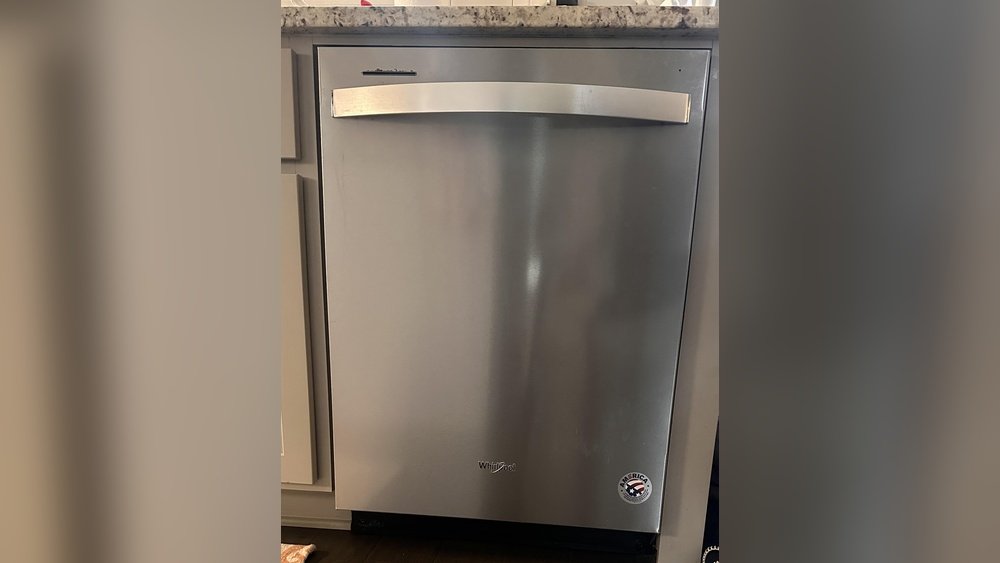
Getting your dishes clean is important, but sometimes your dishwasher can surprise you with an unpleasant problem—rust. You open the door expecting sparkling plates, but instead, you notice reddish-brown stains on the dishwasher walls or even on your dishes. Rust in the dishwasher is not only unsightly; it can also damage your machine and even end up on your utensils and glassware. The good news? You can tackle this issue and prevent it from coming back with the right approach.
Many people think that rust in the dishwasher means the end of the machine. In reality, rust is often a fixable problem. The solution depends on understanding where the rust comes from, how to remove it safely, and how to stop it from returning.
This article will guide you through every step, from finding the source to deep cleaning and long-term prevention. Whether you’re dealing with a little surface rust or stubborn stains, you’ll find practical advice that works.
Let’s break down the causes, solutions, and best practices for removing rust from your dishwasher. By following these methods, you can restore your dishwasher’s appearance, protect your dishes, and extend the life of your appliance.
Why Does Rust Appear In Your Dishwasher?
Before you grab a cleaning product or start scrubbing, it’s important to know why rust forms inside dishwashers. Understanding the source helps you choose the right solution and prevent future problems.
Common Causes Of Rust
1. Damaged Racks
The racks inside your dishwasher are often coated with vinyl or plastic. If this coating cracks or chips, the metal underneath is exposed to water and detergent, leading to rust. This is one of the most common causes.
2. Old Or Worn Parts
Over time, parts like screws, heating elements, or the dishwasher tub itself can corrode, especially if the dishwasher is old or has been repaired with the wrong materials.
3. High Iron Content In Water
If your home has “hard water” with a high iron content, this iron can react with oxygen during the wash cycle and leave reddish stains. Sometimes, it’s not the dishwasher corroding, but the water leaving behind iron deposits.
4. Improper Loading
Placing items that aren’t dishwasher-safe, especially metal tools or utensils, can scratch the racks and cause them to rust. These items can also rust themselves and spread stains.
5. Poor Maintenance
Skipping regular cleaning, using the wrong detergent, or ignoring small chips in the rack coating can all lead to rust building up over time.
Non-obvious Insights
- Rust is often a sign of another issue. Fixing just the rust stains without addressing the real cause means the problem will return.
- Water quality matters. Many people overlook the impact of their water supply’s mineral content on rust formation.
Finding The Source Of Rust
Before removing rust, you need to find out exactly where it’s coming from. This makes your cleaning more effective and prevents new rust from forming.
Step-by-step Inspection
1. Empty The Dishwasher
Remove all dishes, utensils, and racks if possible. This lets you see every surface and check for hidden rust spots.
2. Check Racks For Chips Or Cracks
Run your fingers along the racks, especially at the tips and corners. Look for exposed metal or peeling vinyl.
3. Inspect The Dishwasher Tub
Use a flashlight to check the tub walls, floor, and corners for rust patches. Pay attention to the area around the heating element.
4. Examine The Filter And Drain
Pull out the filter and check for rust particles or stains. Rust here may come from old water lines or internal parts.
5. Look At The Water Inlet And Spray Arms
Check if rust is forming around the water inlet or on the spray arms, which can indicate water with high iron content.
6. Test Your Water
If you see rust stains but can’t find any obvious source inside the dishwasher, have your water tested for iron and minerals.
Table: Common Sources Of Rust In Dishwashers
| Rust Location | Possible Source | How to Confirm |
|---|---|---|
| Dishwasher racks | Chipped vinyl, exposed metal | Feel and look for cracks |
| Dishwasher tub | Old/worn interior, water minerals | Check with flashlight, test water |
| Filter/drain | Rust from plumbing or internal parts | Check filter, look for flakes |
| On dishes | Rusty utensils, rack damage, water | Inspect utensils, test water |

Credit: www.reddit.com
How To Remove Rust From Dishwasher Racks
Most dishwasher rust problems start with the racks. If you see rust on the racks, act quickly to prevent it from spreading to your dishes or the dishwasher tub.
Tools And Materials Needed
- Dishwasher-safe rust remover (like Super Iron Out or a similar product)
- Vinyl repair paint or dishwasher rack repair kit
- Sandpaper (medium or fine grit)
- Rubber gloves
- Old towel or drop cloth
Step-by-step Guide
1. Remove The Racks
Take out both upper and lower racks. Lay them on an old towel for easy cleaning.
2. Sand Off Rust
Use sandpaper to gently rub away loose rust. Focus on the rusty spots but avoid damaging the surrounding vinyl.
3. Clean The Racks
Wipe the racks with a damp cloth to remove any rust dust. Make sure they’re fully dry before moving on.
4. Apply Rack Repair Paint
Use the repair paint or coating to cover exposed metal and seal the area. Follow the instructions on the kit for drying times.
5. Let The Paint Cure
Most paints need at least 24 hours to cure. Don’t rush this step—putting the racks back too soon can cause the repair to fail.
6. Reinstall The Racks
Once the paint is dry, return the racks to the dishwasher.
Pro Tips
- Check for repair kits made for your brand of dishwasher. They match the original rack color and last longer.
- Don’t use regular paint. Only use products labeled safe for high temperatures and dishwasher use.
How To Clean Rust From The Dishwasher Tub
If you see rust stains inside the dishwasher tub (the main cavity), you need a different approach. Never use harsh cleaners or metal scrubbing pads—they can scratch the surface and make rust worse.
What You Need
- Citric acid or lemon juice
- Baking soda
- White vinegar
- Non-scratch sponge
- Dishwasher-safe rust remover (optional)
- Old toothbrush
Steps To Remove Rust Stains
1. Mix A Cleaning Solution
For mild stains, combine equal parts lemon juice and baking soda to make a paste. For tougher stains, use citric acid dissolved in warm water.
2. Apply To Rust Spots
Spread the paste or solution directly onto the stains. Let it sit for 20–30 minutes.
3. Scrub Gently
Use a non-scratch sponge or toothbrush to work the cleaner into the stains. Avoid steel wool or metal brushes.
4. Run A Hot Cycle
Place a cup of white vinegar on the top rack and run a full hot-water cycle (without dishes). This helps remove remaining residue.
5. Check Results
Open the dishwasher and check for any leftover rust. Repeat the process if needed.
6. Optional: Use A Rust Remover
For stubborn stains, use a commercial dishwasher-safe rust remover, following the package instructions exactly.
Why This Works
Citric acid and lemon juice dissolve iron oxide (rust) without damaging the dishwasher’s interior. Baking soda adds gentle scrubbing power and neutralizes odors.

Credit: www.thissimplehome.com
Removing Rust From Dishes And Utensils
Sometimes, rust stains end up on your dishes or silverware. Here’s how to clean them safely.
For Stainless Steel And Silverware
1. Soak In Vinegar
Fill a bowl with white vinegar and soak the utensils for 15–30 minutes.
2. Scrub With Baking Soda
Sprinkle baking soda on a soft sponge and rub away the stains.
3. Rinse And Dry
Rinse well and dry immediately to prevent new rust.
For Glassware And Ceramics
1. Make A Baking Soda Paste
Mix baking soda and water until it forms a thick paste.
2. Apply And Scrub
Rub the paste onto stains with a soft cloth.
3. Rinse And Inspect
Wash and check for any remaining marks.
Caution
- Never use bleach on metal. It can make rust worse.
- Do not put rusty items back in the dishwasher until the machine is rust-free.
How To Remove Rust From Internal Parts
If rust is coming from inside parts—like the heating element, screws, or spray arms—you may need to do a deeper clean or replace damaged components.
Identifying The Issue
- Heating element rust: Look for reddish spots or flakes on the metal coil at the bottom of the machine.
- Spray arms: Check for clogged holes or rusty areas.
- Screws and bolts: Inspect around the edges and the door.
What To Do
1. Turn Off Power
Always unplug the dishwasher or turn off the circuit breaker before working inside.
2. Remove Affected Parts
If possible, unscrew or gently detach the rusty part.
3. Clean With Vinegar Or Citric Acid
Soak small parts in vinegar. For larger parts, wipe with a cloth soaked in citric acid solution.
4. Replace Severely Damaged Parts
If rust can’t be cleaned, or if the part is vital (like a spray arm or heating element), order a replacement part from the manufacturer.
Table: Replace Or Repair? Dishwasher Parts
| Part | Can You Clean? | Should You Replace? |
|---|---|---|
| Racks | Yes, if minor rust | Replace if large areas or broken |
| Spray arms | Yes, for light rust | Replace if holes are clogged or corroded through |
| Heating element | Clean surface rust | Replace if pitted or flaking metal |
| Screws/bolts | Clean or replace | Replace if rusted through |
Addressing Rust From Water Supply
Sometimes, rust stains aren’t from the dishwasher itself, but from your water supply. High iron or mineral content in water can deposit rust-colored stains during every wash.
How To Check Your Water
- Fill a clear glass with tap water. Let it sit for an hour—does it turn cloudy or orange?
- Ask your water company for a mineral report, or use a home water test kit.
Solutions
1. Install A Water Softener Or Iron Filter
These remove excess iron and minerals from your home’s water supply.
2. Use A Dishwasher Cleaner
Run a monthly cleaning cycle with a product made to remove iron stains.
3. Choose The Right Detergent
Some detergents are made for hard water and prevent mineral buildup.
Real-world Example
A family in a rural area kept seeing orange stains in their dishwasher. After testing, they found their well water had high iron. By installing an iron filter and using a dishwasher cleaner, the stains stopped appearing.
Preventing Rust In The Dishwasher
Once you’ve removed rust, the next step is prevention. Stopping rust before it starts is easier than deep cleaning again.
Maintenance Tips
1. Inspect Racks Regularly
Look for chips or cracks every month. Repair immediately with rack coating.
2. Use The Right Detergent
Choose detergents labeled for your water type and dishwasher model.
3. Keep The Dishwasher Dry
Leave the door open after cycles to let moisture escape. Rust loves damp, closed spaces.
4. Don’t Wash Rusty Items
Avoid placing rusty pans or tools in the dishwasher—they can spread stains.
5. Clean The Filter Monthly
Remove and rinse the filter to prevent buildup of rust flakes or debris.
6. Run A Cleaning Cycle
Use a dishwasher cleaner or run a vinegar wash every month to keep the interior fresh.
Table: Prevention Checklist
| Action | How Often | Why It Matters |
|---|---|---|
| Inspect racks | Monthly | Catch rust before it spreads |
| Clean filter | Monthly | Prevents debris and rust buildup |
| Use cleaning cycle | Monthly | Removes minerals and stains |
| Keep door open after use | After every cycle | Reduces moisture, slows rust |
Two Insights For Beginners
- Early repairs save money. Small chips in the rack coating are easy to fix. If you wait, rust can destroy the rack and even damage your dishes.
- Water quality affects every wash. Many people spend money on new dishwashers when a simple water filter could solve their rust problem for good.

Credit: www.reddit.com
When To Call A Professional
Sometimes, DIY cleaning is not enough. If rust keeps coming back, or if you see large patches inside the tub, it’s time to get expert help.
Signs You Need A Pro
- Rust returns after cleaning and repairs
- Large, spreading rust patches on the tub walls or floor
- Dishwasher leaks or does not clean properly
- You see rust-colored water entering the machine
A professional can check for hidden leaks, test water lines, and replace badly damaged parts. This can save your dishwasher and prevent water damage in your home.
Frequently Asked Questions
Why Do My Dishwasher Racks Keep Rusting Even After I Repair Them?
If your racks rust again after repair, it could be from poor-quality repair paint, not letting the coating dry fully, or using harsh detergents. Make sure to use dishwasher-safe repair kits and let the paint cure as recommended. Also, check for sharp utensils that may chip the coating during loading and unloading.
Is It Safe To Use A Dishwasher With Rust?
Small amounts of rust usually don’t pose a health risk, but large amounts can damage your dishes and the machine. Rust flakes can also clog spray arms and filters, reducing cleaning power. If you see a lot of rust, stop using the dishwasher until you’ve fixed the problem.
What Should I Do If Rust Stains Keep Appearing On My Dishes?
First, inspect your dishwasher racks and tub for rust spots. If they look fine, test your water for high iron content. Using a water filter and cleaning the dishwasher regularly can help. Avoid washing rusty pans or utensils, as these can spread stains.
Can I Use Bleach To Remove Rust From My Dishwasher?
No, bleach is not effective against rust and can make the problem worse, especially on metal parts. Stick to citric acid, lemon juice, or a dishwasher-safe rust remover for best results.
Where Can I Find More Information About Water Quality And Rust Prevention?
You can learn more about water quality and how minerals affect your appliances at the US Environmental Protection Agency website.
Getting rust out of your dishwasher isn’t just about cleaning stains—it’s about finding the source, fixing the problem, and keeping your machine in top shape. With the right tools and a little care, your dishwasher can give you spotless dishes for years to come.