
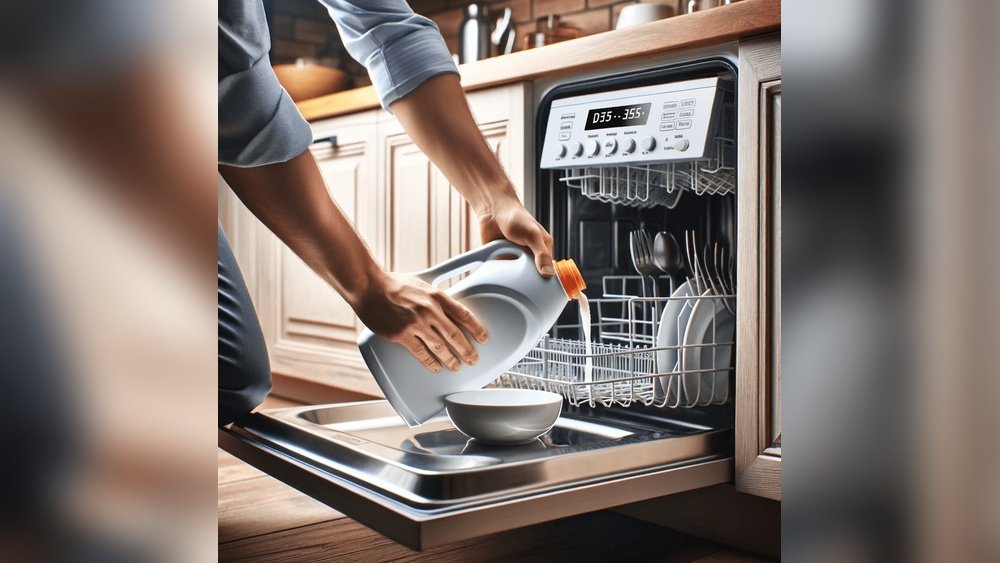
Using a dishwasher can save a lot of time and effort in the kitchen. But what happens when the soap dispenser breaks? Many people think their dishwasher is useless without a working dispenser. The good news is, you can still get your dishes clean with a few smart workarounds. This guide will show you how to use your dishwasher with a broken soap dispenser, covering practical methods, safety tips, and what to watch for. You will also find comparisons, data, and answers to common questions about this problem.
Understanding The Dishwasher Soap Dispenser
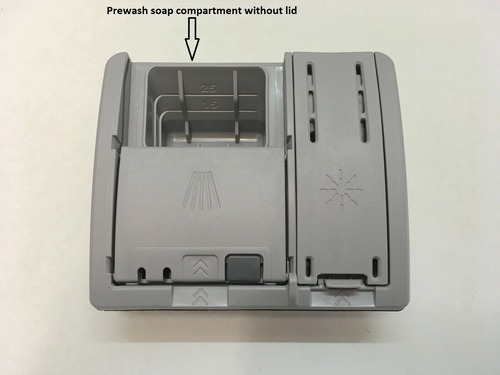
The soap dispenser is a small compartment inside your dishwasher door. Its job is to hold the detergent and release it at the right time during the wash cycle. Most dishwashers use either a spring-loaded latch or an electronic release to open the dispenser. When it works, your dishes get the right amount of soap, at the right time, for a deep clean.
When the dispenser is broken, detergent might not reach your dishes. This can lead to dirty plates, leftover food, and even a bad smell. But a faulty dispenser does not mean your dishwasher is finished. With the right approach, you can still get good results.
Why The Soap Dispenser Breaks
Many things can cause a dishwasher soap dispenser to stop working. Here are some common reasons:
- Broken latch or spring: The latch that opens the dispenser may snap or become loose.
- Clogged or sticky door: Old detergent or food can make the door hard to open.
- Faulty timer or control board: The signal to release the soap may fail.
- Damaged hinge: The small hinge on the dispenser door can wear out.
- Electrical issues: Wires or connections may break, stopping the release mechanism.
Understanding the cause can help you decide if you want to fix the dispenser or just work around it.
Can You Run A Dishwasher Without A Working Soap Dispenser?
Yes, you can. Many people do not realize that dishwasher detergent is simply washed into the tub with water. If you put the detergent directly inside the dishwasher, it will still clean your dishes. The main challenge is timing—if all the detergent enters at once, it may not be as effective as a controlled release.
There are a few risks:
- Too much soap at once can cause suds and leaks.
- Too little soap may leave dishes dirty.
- Some cycles, like “rinse only,” may not use detergent at all.
But with care, most people get good results with a broken dispenser.
Methods To Use Dishwasher With A Broken Soap Dispenser
There are several methods to keep your dishwasher running. Let’s look at each one in detail.
1. Placing Detergent Directly In The Tub
The simplest method is to add dishwasher detergent straight into the bottom of the dishwasher tub before you close the door.
- Use the recommended amount for your dishwasher model.
- Place the detergent in the center of the bottom, not near the edges.
- Close the dishwasher and run a normal cycle.
Why it works: The water spray will dissolve the detergent and distribute it during the wash.
Tip: Powder or gel works better than pods for this method. Pods might not dissolve fully if they get stuck.
Potential downside: Some detergent may wash away during the pre-rinse, making the main wash less effective.
2. Using Detergent Pods
If you use dishwasher pods, you can still get clean dishes without the dispenser.
- Place the pod in the bottom of the dishwasher, not in the broken dispenser.
- Make sure the pod is not blocked by a large dish or utensil.
Tip: For best results, run the dishwasher on a full wash cycle (not “quick” or “rinse only”).
Potential downside: Pods may dissolve too early if your dishwasher has a long pre-rinse.
3. Liquid And Gel Detergents
Some people find liquid or gel detergents easier to use with a broken dispenser.
- Pour the detergent directly into the bottom of the tub.
- Use the same amount you would use in the dispenser.
Why it works: Liquid detergent spreads quickly and does not get stuck like some powders or pods.
Caution: Too much detergent can cause suds and leaks.
4. Powder Detergents
Powder detergents are also an option. They dissolve quickly and spread well.
- Measure the correct amount for your load size.
- Pour the powder in a small pile at the bottom center of the tub.
Tip: If your water is hard, use a bit more detergent.
5. Using Two Wash Cycles
Some dishwashers have a pre-wash and a main wash. Without a working dispenser, detergent for the main wash may rinse away too soon. To fix this:
- Run the dishwasher empty on a short cycle to rinse your dishes.
- Open the door, add detergent to the bottom, and start the main wash cycle.
Why it works: This method ensures detergent is present for the main wash, not lost in the pre-rinse.
6. Diy Soap Dispenser Fixes
If you like DIY, you can sometimes temporarily fix the dispenser.
- Use a rubber band or tape to keep the dispenser door closed until the right moment.
- Open the door manually during the wash cycle (if your dishwasher lets you).
Warning: Opening the dishwasher during a cycle can release hot steam and water. Be very careful.
7. Using Rinse Aid
Rinse aid is not the same as detergent, but it helps with drying and prevents spots.
- Add rinse aid to the dedicated compartment (if it still works).
- This can improve cleaning even if the soap dispenser is broken.
8. Pre-rinsing Dishes
With a broken dispenser, some food may not get cleaned off. Pre-rinsing your dishes under the faucet removes large food particles and helps detergent work better.
- Scrape off leftovers before loading.
- Rinse plates, cups, and utensils with water.
Tip: Do not over-rinse—detergent needs some grease to work well.
Credit: hastyreader.com
Comparing Methods: What Works Best?
Here is a comparison of the most common methods for using a dishwasher with a broken soap dispenser:
| Method | Best For | Possible Issues |
|---|---|---|
| Directly in Tub | Powders, gels, most loads | Some detergent may rinse away early |
| Pods in Tub | Convenience, quick loading | Pods may dissolve too early |
| Two Wash Cycles | Heavy soil, best cleaning | Takes more time and water |
| DIY Fix | Temporary solution | May not be safe or reliable |
How Dishwasher Cycles Affect Detergent
Modern dishwashers use different cycles: pre-wash, main wash, and rinse. The soap dispenser is designed to open during the main wash. Without it, detergent might go to waste during pre-wash.
Normal/Auto cycle: Best choice. Detergent added to the tub usually works well.
Quick or Rinse cycle: Often skips soap or uses less water. Avoid these if your dispenser is broken.
Heavy/Intensive cycle: Good for pots and pans, but uses more water and detergent.
Eco cycle: Uses less water and energy, may not clean well without the timed release of detergent.

Credit: authorizedco.com
When To Repair Vs. Replace The Dispenser
Some people prefer to fix the dispenser instead of using workarounds. Here’s how you can decide:
- If your dishwasher is less than 5 years old, repair is usually worth it.
- If the broken part is a simple latch, you can buy a replacement for $10–$30.
- Electronic or control board issues can cost more than $100.
Here’s a comparison of repair vs. replacement costs:
| Option | Average Cost | Time Needed | Skill Level |
|---|---|---|---|
| DIY Latch Replacement | $10–$30 | 30–60 min | Basic |
| Professional Repair | $80–$200 | 1–2 hrs | None |
| New Dishwasher | $400–$1000+ | 2–3 hrs | None |
Insight: Many people continue using their dishwasher with simple workarounds for years, especially if the machine is old.
Common Mistakes To Avoid
Many people make these mistakes when using a dishwasher with a broken soap dispenser:
- Using too much detergent—leads to suds, leaks, and cloudy dishes.
- Putting detergent in the wrong place—like the cutlery basket, which may wash away too soon.
- Not checking water temperature—detergent works best in hot water (120°F/49°C or higher).
- Skipping pre-rinsing—makes it harder for detergent to remove food.
- Ignoring regular cleaning—build-up in the dishwasher can reduce cleaning power.
Tip: Check your dishwasher’s filter and spray arms every few weeks to keep it working well.
The Role Of Water Temperature And Hardness
Dishwasher detergent works best in hot, soft water. If your water is hard (lots of minerals) or not hot enough, you may see spots or leftover food.
- Water should be at least 120°F (49°C) at the tap.
- If you have hard water, use a little extra detergent, but not too much.
- Consider a water softener if you have many problems with spots and film.
Non-obvious insight: Some detergents are made for hard water. Check the label or ask your local store for advice.
Cleaning Results: What To Expect
If you use the methods above, you should still get clean dishes, but results may vary based on:
- Type of detergent: Gels and powders tend to work best without a dispenser.
- Dishwasher model: Some older machines are more forgiving.
- Cycle type: Longer cycles usually clean better.
- Water temperature: Hotter water gives better cleaning.
Example: A user with a broken dispenser on a 10-year-old machine reported 90% clean dishes using powder in the tub, compared to 95% with a working dispenser.
Safety Tips
When using a dishwasher with a broken dispenser, keep these safety tips in mind:
- Never open the dishwasher during a cycle unless the manufacturer says it is safe.
- Avoid using hand dish soap (for sinks) in the dishwasher—it makes too many suds.
- Keep children away from the machine when adding detergent directly to the tub.
Extra tip: If you notice leaks, stop and reduce the amount of detergent next time.
How To Keep Your Dishwasher In Good Shape
A broken soap dispenser does not mean your dishwasher is dying. Many machines work fine for years with a simple workaround. To get the most life from your dishwasher:
- Clean the filter and spray arms every month.
- Check for food build-up around the door and seals.
- Run a cleaning cycle with white vinegar or a dishwasher cleaner every few months.
- Use the right amount of detergent—never more than recommended.
Non-obvious insight: Some new dishwashers are designed to handle pods or detergent in the tub, even if the dispenser does not work.
When To Call A Professional
If you notice these signs, it might be time to call a repair expert:
- The dishwasher leaks, even with a small amount of detergent.
- The control panel shows error messages.
- Dishes are always dirty, even after trying all methods.
- The dispenser is stuck closed or open and you cannot move it.
Professional repair may cost $80–$200, but it can extend the life of your dishwasher.
How To Replace A Broken Soap Dispenser (step By Step)
If you decide to repair the soap dispenser, here are the general steps:
- Unplug the dishwasher or turn off the circuit breaker.
- Open the dishwasher door and locate the dispenser.
- Remove screws holding the dispenser in place (usually inside the door).
- Take out the old dispenser and disconnect any wires.
- Connect the new dispenser, attach wires, and screw it back in.
- Test the door to make sure it opens and closes freely.
- Restore power and run a short cycle to check if it works.
Caution: Always follow your dishwasher’s manual or call a professional if unsure.
How Long Can You Use A Dishwasher Without A Working Dispenser?
Many people use their dishwasher for months or even years without fixing the soap dispenser. As long as you get good cleaning results, there is no urgent need to repair it. However, if you notice more dirty dishes, leaks, or bad smells, it may be time to replace or fix the dispenser.
How To Choose The Right Detergent
With a broken dispenser, not all detergents work the same. Here are some tips:
- Powder: Dissolves fast and works well in most models.
- Gel: Good for short cycles, but may not clean as deeply as powder.
- Pods: Easy to use, but make sure they dissolve fully by placing them away from obstacles.
Check the label: Some brands are made for direct use in the tub.
Comparing Detergent Types For Broken Dispensers
Here’s a quick look at how different detergents perform without a working soap dispenser:
| Detergent Type | Ease of Use | Cleaning Power | Best For |
|---|---|---|---|
| Powder | Easy | High | Most cycles, hard water |
| Gel | Very Easy | Medium | Quick cycles, light soil |
| Pod | Very Easy | High (if dissolves) | Normal/Auto cycles |
Environmental Impact And Efficiency
Using more detergent than needed can harm the environment and your machine. Here are a few tips to stay efficient:
- Use only the recommended amount of detergent.
- Choose eco-friendly detergents if possible.
- Run full loads to save water and energy.
- Fix leaks quickly to avoid wasting water.
Tip: Regular cleaning with vinegar can reduce the need for extra detergent.
Advanced Solutions: Aftermarket Soap Dispensers
If you want a long-term fix, you can buy aftermarket dishwasher soap dispensers online. These are universal parts that fit most brands. Prices range from $15 to $40. They come with instructions and can be installed with basic tools.
- Make sure the new part matches your dishwasher model.
- Read reviews before buying.
- Watch a video tutorial if you are not sure how to install it.
Insight: Aftermarket dispensers are a good option if your dishwasher is out of warranty.
What Not To Do
- Do not use regular hand soap or laundry detergent in the dishwasher.
- Avoid overloading the dishwasher—it blocks water flow and detergent movement.
- Never force the broken dispenser open with sharp tools—it can damage the door.
- Do not ignore leaks or bad smells—these may be signs of bigger problems.

Credit: www.reddit.com
Real-world Example
Jane had a 7-year-old Whirlpool dishwasher with a broken soap dispenser. She started placing powder detergent in the bottom of the tub and ran normal cycles. Her dishes came out 90% clean, but she noticed some cloudiness on glassware. After switching to a gel detergent and adding a little white vinegar as a rinse aid, her results improved.
She used this method for 18 months before replacing the dishwasher.
Key lesson: With some adjustments, you can use a dishwasher with a broken soap dispenser for a long time.
Useful Maintenance Tips
- Clean the detergent area often, even if you are not using the dispenser.
- Check the spray arms for blockages.
- Inspect the door seal for food or detergent buildup.
- Run an empty cycle with a cup of white vinegar every 1–2 months.
These habits keep your dishwasher working well, even with minor problems.
When To Consider Buying A New Dishwasher
If your dishwasher is more than 10–12 years old, or if repair costs are high, buying a new machine may save money in the long run. New dishwashers are more energy-efficient and often come with better cleaning technology.
Before buying, check:
- Energy rating and water usage
- Warranty length and repair support
- Reviews from other users
For more on energy-efficient dishwashers, check out ENERGY STAR.
Frequently Asked Questions
Can I Put Dishwasher Detergent In The Bottom Of The Tub?
Yes, you can. Place the recommended amount of powder or gel detergent in the center of the tub before starting the cycle. Avoid putting it near the door edges, as it may wash away too soon.
Will My Dishes Get As Clean Without The Soap Dispenser?
Most dishes will get clean if you use enough detergent and hot water. Heavily soiled items or pots may need a second cycle or extra pre-rinsing. Results may vary with different dishwasher models.
Is It Safe To Use Pods In A Dishwasher With A Broken Soap Dispenser?
Yes, but place the pod in the bottom of the tub, not in the dispenser. Make sure it is not blocked by large dishes so it can dissolve properly during the wash cycle.
How Much Detergent Should I Use If The Dispenser Is Broken?
Use the same amount you would put in the dispenser—usually 1–2 tablespoons of powder or gel, or one pod. Do not use more, as too much detergent can cause leaks or leave residue.
Should I Repair Or Replace My Dishwasher Soap Dispenser?
If your dishwasher is still in good shape, repairing the dispenser is a good idea. Many repairs are simple and low-cost. If the machine is old or has other problems, you can use the workarounds above or consider replacing the dishwasher.
Using your dishwasher with a broken soap dispenser is possible and safe if you follow the right methods. With some care, you can keep your kitchen running smoothly and your dishes clean until you are ready to repair or upgrade your machine.