
Every kitchen tells a story, and your cabinets are often the first chapter people see. Over time, even the best cabinets lose their shine, showing fingerprints, grease, and dullness. But you don’t need to live with faded wood or sticky surfaces. With the right steps, you can polish kitchen cabinets and restore them to look nearly new—no matter if they’re wood, laminate, or painted. This guide will walk you through everything: understanding your cabinet material, choosing safe cleaners, step-by-step polishing, and how to keep that fresh look for months. You’ll also learn advanced tips, what to avoid, and how to handle common challenges. Whether you’re preparing for a home sale or just want a brighter kitchen, these methods will help you get results you can see and feel.
Understanding Your Kitchen Cabinets
Before grabbing a polish or cloth, it’s essential to know what type of cabinets you have. Different materials need specific care, and using the wrong cleaner can cause damage or dull the finish.
Common Cabinet Materials
- Solid Wood: Classic and durable, but sensitive to moisture and harsh chemicals.
- Laminate: Easy to clean but can peel if soaked or scrubbed too hard.
- Painted Wood: Needs gentle cleaning to avoid scratching or removing paint.
- Veneer: Thin layer of wood over cheaper material. Sensitive to water and abrasive cleaners.
- Thermofoil: Vinyl coating over MDF, resistant to stains but can warp with heat.
Why Material Matters
Using a heavy-duty degreaser on wood can strip the finish. Scrubbing laminate with an abrasive pad can cause scratches. Knowing your cabinet type lets you choose the right products, keeping your surfaces safe and shiny.
How To Identify Your Cabinets
- Solid wood shows grain and feels heavier.
- Laminate feels smooth and often has repeating patterns.
- Veneer may have seams at edges or corners.
- Thermofoil looks glossy and is common on white cabinets.
Take a moment to check your cabinets before you start, especially if you’re unsure.
Tools And Supplies Needed
Polishing your cabinets doesn’t require expensive tools, but having the right items makes the job easier and safer.
Essential Supplies
- Soft microfiber cloths (at least 4–5)
- Mild dish soap
- Warm water
- Spray bottle (for diluted cleaner)
- Non-abrasive sponge
- Cabinet polish (oil-based for wood, silicone-free for laminate)
- Old toothbrush (for crevices)
- Baking soda (optional for tough stains)
- Dry towel
Optional Tools
- Vacuum with brush attachment (removes crumbs and dust)
- Wood repair marker (hides scratches)
- Gloves (protects hands from chemicals)
Safe Cleaning Products
Some polishes contain harsh chemicals or silicone. Look for ones that say “safe for kitchen cabinets” or are recommended for your cabinet type. If unsure, check the manufacturer’s website or user manual.
Preparing Your Cabinets For Polishing
Proper preparation ensures the polish works well and lasts longer. Skipping these steps can lead to uneven shine or sticky residue.
Step 1: Empty The Cabinets
Remove all items from inside, including dishes, food, and shelf liners. This makes cleaning easier and prevents products from dripping onto food.
Step 2: Dust And Vacuum
Wipe all surfaces with a dry cloth to remove loose dust and crumbs. Use a vacuum with a brush attachment in corners and along hinges.
Step 3: Clean Off Grease And Grime
Mix a few drops of mild dish soap in a bowl of warm water. Dip a soft cloth, wring it out, and wipe the cabinet surfaces. Focus on handles, corners, and spots near the stove where grease builds up.
For stubborn spots, sprinkle a little baking soda on the damp cloth and rub gently. Avoid soaking the surface, especially with veneer or laminate.
Step 4: Dry Thoroughly
Use a clean, dry towel to remove any moisture. Polishing over damp cabinets can trap water, which may cause warping or mildew.
Choosing The Right Polish
Not all polishes are the same. The right choice depends on your cabinet’s finish and your goals—shine, protection, or scratch repair.
Types Of Cabinet Polish
- Oil-Based Polish: Best for wood. Gives a deep shine and nourishes the grain.
- Wax Polish: Adds a protective layer. Good for high-traffic kitchens.
- Spray Polish: Quick and easy. Suitable for most materials but may leave residue.
- Homemade Polish: Vinegar and olive oil mix can work in a pinch but may not last as long.
What To Avoid
- Polishes with silicone can leave a film, especially on laminate.
- Abrasive creams can scratch delicate finishes.
- Avoid any product not labeled for kitchen use.
Comparing Popular Polish Types
Here’s a quick comparison to help you pick:
| Polish Type | Best For | Shine Level | Protection | Ease of Use |
|---|---|---|---|---|
| Oil-Based | Solid Wood | High | Good | Moderate |
| Wax | Wood, Veneer | Medium | Excellent | Slow |
| Spray | Laminate, Painted | Medium | Low | Easy |
| Homemade | All types | Low | Minimal | Easy |
If you’re still unsure, test a small area on the inside of a cabinet door.
Step-by-step Guide To Polishing Kitchen Cabinets
Now it’s time to make your cabinets shine. Follow these steps for the best results.
Step 1: Spot Test First
Before applying polish to all surfaces, test a small area (like the inside edge of a door). Wait 10 minutes to see if there’s any color change, haze, or sticky feel.
Step 2: Apply The Polish
Pour or spray a small amount of polish onto a soft microfiber cloth—never directly on the cabinet. Too much product can make surfaces greasy.
- For oil-based polish: Rub in the direction of the wood grain.
- For spray polish: Use a circular motion, covering all areas evenly.
Step 3: Work In Sections
Divide your cabinets into small sections (one door or drawer at a time). This prevents missing spots and makes buffing easier.
Step 4: Buff To Shine
Using a clean, dry cloth, buff the surface in small circles. This step removes excess polish and brings out a natural shine.
Step 5: Detail Crevices And Handles
Use an old toothbrush or cotton swab for corners, grooves, and around handles. These areas collect grime and often look dull if skipped.
Step 6: Repeat If Needed
If cabinets still look dull or uneven, repeat the process. For heavy build-up, you may need two rounds of cleaning and polishing.
Step 7: Final Wipe Down
Give all surfaces a final wipe with a dry cloth to remove any residue and fingerprints. Stand back and admire your work.
Special Tips For Different Cabinet Finishes
Each cabinet material benefits from a slightly different approach. Here’s how to adjust your process:
Polishing Solid Wood Cabinets
- Use oil-based or wax polish for best results.
- Avoid water pooling in seams or corners.
- Buff gently to avoid scratching the finish.
Polishing Laminate Cabinets
- Use a silicone-free spray polish.
- Never use abrasive pads or brushes.
- Avoid soaking the surface—damp, not wet.
Polishing Painted Cabinets
- Use only mild cleaners and a soft cloth.
- Test polish first; some paints react to oils.
- Focus on gentle buffing, not scrubbing.
Polishing Veneer Cabinets
- Use a minimal amount of polish to avoid soaking through the thin veneer.
- Always dry quickly after cleaning.
- Handle edges with care to prevent lifting.
Polishing Thermofoil Cabinets
- Use mild dish soap for cleaning, then a gentle spray polish.
- Avoid heat guns or hairdryers near the surface.
- If the coating is peeling, do not polish—repair first.
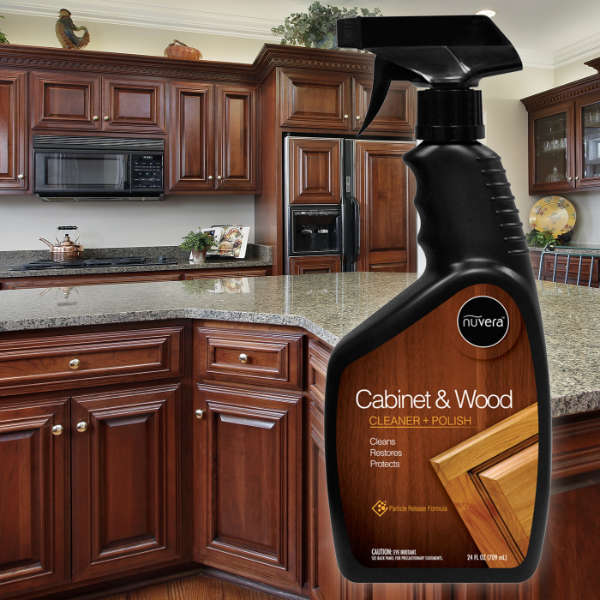
Credit: www.nuveraproducts.com
Dealing With Common Problems
Even with the right process, you might hit some challenges. Here’s how to handle the most frequent issues.
Grease And Sticky Residue
- Use a mix of equal parts vinegar and water for tough grease.
- Let it sit for a minute, then wipe clean.
- Rinse with a damp cloth to remove vinegar smell.
Water Stains Or Rings
- Rub gently with a paste of baking soda and water.
- For wood, use a small amount of mineral oil on a cloth to blend out marks.
Scratches And Dull Patches
- Minor scratches: Use a wood repair marker in a matching color.
- Dull spots: Buff with a soft cloth and a bit more polish.
- Deep scratches: May require professional touch-up.
Cloudy Or Streaky Finish
- Often caused by too much product.
- Wipe with a clean, dry cloth to remove residue.
- For laminate, use a bit of dish soap and water to clear streaks, then dry.
How Often Should You Polish Kitchen Cabinets?
Frequency depends on your kitchen’s use, cabinet material, and environment.
- High-traffic kitchens (families, cooking daily): Polish every 2–3 months.
- Moderate use (couples, light cooking): Every 4–6 months.
- Low-use kitchens: Once a year is usually enough.
Too much polishing can cause buildup, so stick to these guidelines. Dusting weekly helps your polish last longer.
Preventing Future Dullness And Damage
A bright shine is great, but keeping it is even better. Here’s how to keep your cabinets looking polished for months.
Simple Maintenance Habits
- Wipe spills quickly: Especially sauces, oils, or water.
- Dust weekly: Use a dry microfiber cloth.
- Avoid harsh chemicals: Bleach or ammonia can strip finishes.
- Use cabinet liners: Protects shelves from leaks and sticky jars.
- Keep handles clean: Handles collect oil from fingers, causing buildup.
Environmental Tips
- Use the range hood when cooking to reduce grease in the air.
- Avoid direct sunlight on cabinets, which can fade wood and paint.
- Maintain proper humidity; wood expands and contracts with moisture.
When To Re-polish
If you notice dull spots, sticky areas, or fading, it’s time for another polish. Don’t wait for the whole kitchen to lose its shine.
Advanced Polishing Techniques
For those who want an even deeper shine or need to restore older cabinets, these advanced methods can help.
Using Paste Wax On Wood Cabinets
Paste wax gives a strong protective layer and a rich glow. Apply a thin coat with a soft cloth, let it dry to a haze, then buff with a clean towel. This can last up to 6 months.
Machine Buffing (for Pros)
If you have experience, a small orbital buffer with a soft pad can bring out a mirror-like shine on solid wood. Use on flat panels only—avoid grooves and raised edges.
Restoring Faded Paint
If paint has faded or chipped, light sanding and a new coat of finish paint can make cabinets look new. Always clean and prime before painting.
Treating Water Damage
For minor swelling or discoloration, dry the area completely, then polish. Major water damage often needs professional repair.
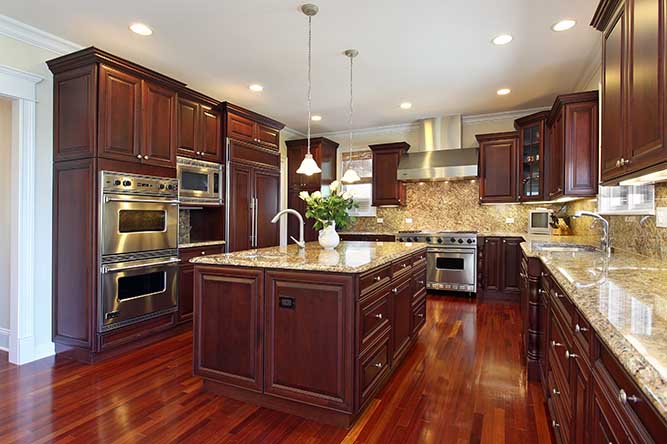
Credit: www.cabinetnow.com
Comparing Diy Vs. Professional Cabinet Polishing
Some people prefer to hire a pro, especially for large kitchens or expensive cabinetry. Here’s how DIY compares:
| Aspect | DIY | Professional |
|---|---|---|
| Cost | Low (under $50) | High ($150–$500+) |
| Time | 2–4 hours | 1–2 hours |
| Results | Good to Excellent | Excellent |
| Risk of Damage | Low if careful | Very Low |
| Frequency | Every 3–6 months | Once or twice a year |
Most homeowners find DIY is enough for regular care. Pros are best for restoration or very high-end cabinets.
Mistakes To Avoid When Polishing Kitchen Cabinets
Even with good intentions, it’s easy to make mistakes that reduce shine or damage cabinets. Avoid these common errors:
- Using too much polish: Causes streaks and sticky surfaces.
- Skipping cleaning: Polishing over dirt locks in grime.
- Using abrasive pads: Scratches and dulls finish.
- Applying polish to wet surfaces: Traps moisture and may cause swelling.
- Polishing over flaking paint or veneer: Can make peeling worse.
- Ignoring manufacturer guidelines: Some cabinets need special care—check the manual.

Credit: kitchencabinetkings.com
Non-obvious Insights Beginners Often Miss
- Less is more with polish. Many people believe more product means more shine, but excess builds up and actually attracts dirt.
- Handles and edges matter most. These high-touch spots dull faster and get sticky first. Focusing on them keeps cabinets looking clean longer.
- Humidity control helps. Kitchens with high moisture see faster dulling and more warping. Use a dehumidifier if your home is very humid.
- Not all “wood” is solid wood. Many cabinets are veneer or laminate, which react differently to polishes and cleaners.
Frequently Asked Questions
How Do I Remove Stubborn Grease From Kitchen Cabinets?
Mix equal parts vinegar and water in a spray bottle. Spray the greasy area, let it sit for a minute, then wipe with a damp cloth. Repeat if needed. For thick buildup, use a small amount of baking soda on a damp sponge, but avoid scrubbing too hard.
Is It Safe To Use Furniture Polish On Kitchen Cabinets?
Most furniture polishes are safe for solid wood cabinets, but many contain silicone or wax that can build up on laminate or painted surfaces. Always check the label for kitchen or cabinet compatibility. When in doubt, use a polish specifically made for kitchen cabinets.
How Do I Get Rid Of A Sticky Feeling After Polishing?
Sticky residue usually means too much polish was used. Buff the surface with a clean, dry microfiber cloth to remove excess. If still sticky, wipe with a cloth dampened in mild dish soap and water, then dry thoroughly.
Can I Use Olive Oil To Polish My Kitchen Cabinets?
Olive oil can give a temporary shine, especially on wood, but it can also attract dust and go rancid over time. For a better result, use a commercial cabinet polish or a small amount of mineral oil, which won’t spoil.
What’s The Best Way To Keep Cabinets Shiny Between Polishing?
Dust weekly with a dry microfiber cloth, wipe spills as soon as they happen, and avoid harsh cleaners. Keeping handles clean and using the range hood while cooking also reduces grime buildup.
A Resource For More Information
If you want more tips on caring for different cabinet types, check out the detailed guide at Better Homes & Gardens.
Giving your kitchen cabinets a fresh, polished look is not just about appearance. It helps them last longer, prevents damage, and makes your kitchen feel more inviting. With the right materials, careful preparation, and a little attention to detail, you can have cabinets that shine every day.
Remember, a little regular care goes a long way—so don’t wait for spring cleaning. Enjoy the confidence that comes with a kitchen that sparkles, and let your cabinets tell a story of pride and care.