
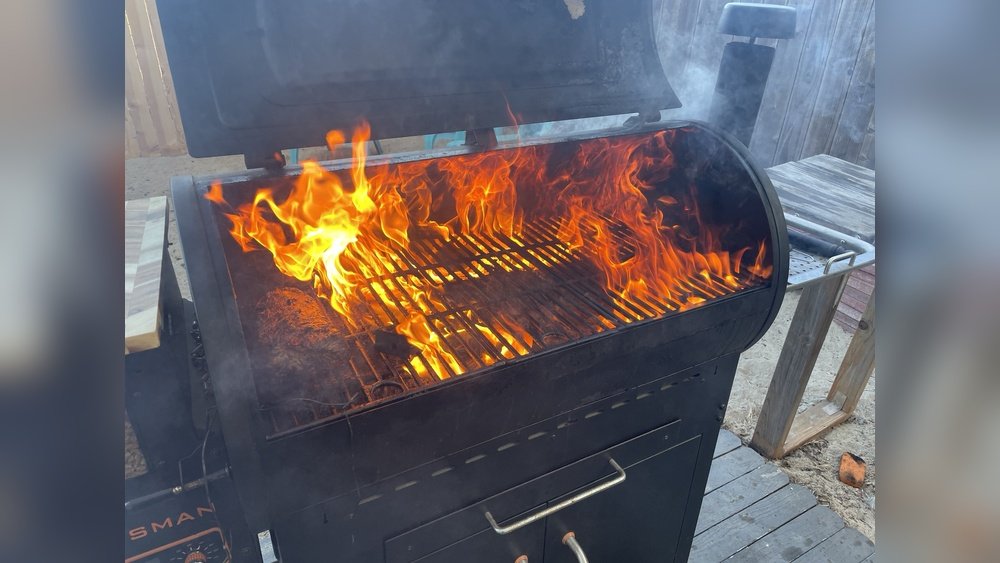
Grilling outdoors brings people together, fills the air with delicious smells, and makes any meal feel special. But while the sizzle of a steak or the crackle of chicken skin is exciting, there’s a hidden danger that many overlook: grease fires on the grill. These sudden bursts of flame can turn a relaxing barbecue into a frightening and dangerous situation in seconds. Knowing how to stop a grease fire on your grill is essential—not just for your food, but for your safety and the safety of everyone around you.
If you’ve ever watched flames leap higher than expected, or seen fat drip and ignite, you know how quickly things can go wrong. Many grillers think, “It won’t happen to me,” until it does. The truth is, grease fires are one of the most common grilling emergencies, and they can cause serious burns, property damage, or worse.
But with the right knowledge and a calm approach, you can stop a grease fire fast and prevent it from happening again.
Let’s take a clear, step-by-step look at what causes grill grease fires, what you should (and should never) do when they happen, and how to make sure your next barbecue is both safe and delicious. Whether you’re a weekend griller or a backyard pitmaster, these tips can make all the difference.
What Causes A Grease Fire On A Grill?
A grease fire starts when built-up fat or oil inside your grill gets too hot and ignites. Most often, this happens because:
- Fatty foods drip grease: Meats like burgers, sausages, or chicken thighs release fat as they cook. This fat falls onto burners or coals, where it can catch fire.
- Dirty grills: Over time, leftover grease and food particles collect in your grill’s tray or bottom. If not cleaned, these can ignite even if you’re not cooking something especially fatty.
- High temperatures: Cooking with the lid closed and burners on high creates a super-hot environment. If there’s enough grease, the extra heat can spark a fire.
- Poor airflow: Grills need good ventilation. If vents are blocked, smoke and heat build up, making a fire more likely.
It’s easy to think, “A little flame is normal,” but there’s a big difference between flare-ups and an out-of-control grease fire. Regular flare-ups are brief and controlled. A grease fire, by contrast, grows quickly, spreads across the grill, and doesn’t stop until the fuel (grease) is gone or you put it out.
Immediate Steps: What To Do When A Grease Fire Starts
The moment you see a grease fire, stay calm. Acting quickly and correctly is key. Here’s exactly what to do:
1. Do Not Use Water
This is the most important rule. Never pour water on a grease fire. Water causes the burning oil to splatter and can make the fire explode outward, putting you and everyone nearby at risk.
2. Shut The Grill Lid
If it’s safe, close the grill lid right away. This cuts off the fire’s oxygen supply. Without oxygen, most grease fires will die down in a few seconds to a minute.
3. Turn Off Burners Or Fuel Supply
For gas grills, turn off the burners using the control knobs. If you can reach the gas supply safely, turn it off at the tank or line. For charcoal grills, close all vents to smother the fire.
4. Move Food To A Safe Area
If you can, use long-handled tongs to carefully move food away from the flames. Don’t risk burning yourself—if the fire is large, focus on safety first.
5. Let The Fire Burn Out (if Contained)
Once the lid is closed and the burners or fuel are off, most grease fires will burn out quickly. Do not open the lid to check—this can feed the fire more air and make it flare up again.
6. Use Baking Soda Or Salt (if Needed)
If the fire doesn’t go out or is spreading, sprinkle baking soda or salt onto the flames. These materials smother the fire and help put it out. Never use flour or sugar—they can make the fire worse.
7. Use A Fire Extinguisher (as A Last Resort)
If the fire is not going out, grab a Class B fire extinguisher (for grease and flammable liquids). Stand back, aim at the base of the fire, and spray in a sweeping motion.
8. Call Emergency Services If Fire Is Out Of Control
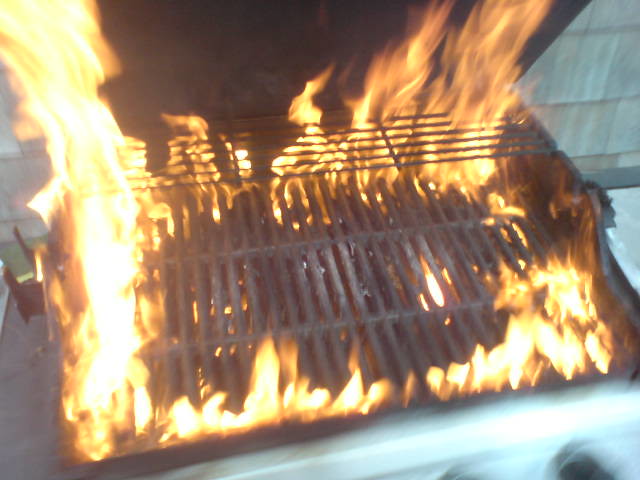
If the fire spreads beyond the grill or you can’t stop it, call 911 immediately. It’s better to be safe and get help than risk injury or property damage.
Credit: virtualwebergasgrill.com
Common Mistakes To Avoid During A Grease Fire
Many people make dangerous mistakes in a panic. Here’s what you should never do:
- Never use water: As mentioned above, water spreads grease and makes fires worse.
- Don’t try to move a burning grill: You could spill burning grease and cause the fire to spread.
- Don’t use flour or baking powder: Only baking soda (or salt) can safely put out grease fires. Flour and baking powder can explode or ignite.
- Don’t open the lid repeatedly: Opening the lid feeds oxygen to the fire, making it flare up.
Knowing these mistakes can help you avoid turning a small problem into a disaster.
Why Water Makes Grease Fires Worse
When you pour water on a grease fire, the water sinks below the burning oil, heats instantly, and turns to steam. This steam expands fast, throwing burning oil in all directions—sometimes with explosive force. This is why water and grease fires are a deadly mix.
Even a small amount of water can turn a manageable fire into a major emergency. The best way to stop a grease fire is to remove the heat and smother it—not to drown it.
Essential Tools To Have Near Your Grill
Preparation is half the battle. Having the right tools on hand can stop a fire before it grows.
- Class B fire extinguisher: This type is designed for grease and flammable liquids. Keep it nearby and check that it’s charged.
- Large container of baking soda or salt: Store a box close to your grill. It’s cheap and effective.
- Long-handled tongs and heat-resistant gloves: These help you move food or adjust grill parts safely.
- Grill brush and scraper: Regular cleaning reduces grease buildup.
- Spray bottle filled with water: For flare-ups, not grease fires—use this for small flames, but never on burning oil.
Being ready means you won’t have to search for tools in an emergency.
How To Clean Your Grill To Prevent Grease Fires
One of the best ways to stop a grease fire is to prevent it. Regular grill cleaning removes the fuel that feeds fires.
1. Clean After Every Use
While the grill is still warm (not hot), use a grill brush to scrape off food particles and grease from the grates.
2. Empty The Grease Tray
Most grills have a drip tray or pan under the burners. Empty it regularly. Don’t let it fill up—overflowing grease is a major fire risk.
3. Deep Clean Monthly
Every few weeks, do a full cleaning:
- Remove grates and trays.
- Scrub with warm soapy water.
- Rinse and dry completely before reassembling.
- Check for grease buildup in corners and under burners.
4. Inspect For Blockages
Check air vents and burner holes for clogs. Good airflow is key to safe grilling.
A clean grill not only prevents fires but also cooks better and lasts longer.
How Different Grills Handle Grease Fires
Not all grills are the same. Charcoal, gas, and pellet grills each handle grease and fire differently. Understanding these differences helps you react correctly.
| Grill Type | Grease Fire Risk | How to Respond |
|---|---|---|
| Gas Grill | Medium-High | Shut off burners, close lid, turn off gas supply |
| Charcoal Grill | High (with fatty meats) | Close lid and vents to cut oxygen |
| Pellet Grill | Medium | Turn off grill, close lid, unplug if electric |
Gas grills are easier to control because you can turn off the gas. But if the fire reaches the gas line, it’s very dangerous. Charcoal grills can have larger flare-ups, but closing the lid and vents usually solves the problem. Pellet grills are less likely to have big fires but can build up grease in hidden areas—check drip trays often.
Step-by-step Guide: Stopping A Grease Fire On Different Grills
Stopping A Grease Fire On A Gas Grill
- Turn off all burners using the control knobs.
- Keep the lid closed to smother the fire.
- Turn off the propane at the tank, if it’s safe.
- Wait for flames to die down before opening the lid.
- If fire persists, use baking soda, salt, or a Class B fire extinguisher.
Stopping A Grease Fire On A Charcoal Grill
- Close the lid and all vents immediately.
- Do not add water or move the grill.
- Wait several minutes. Only open the lid when the fire is out and the grill is cool.
- Remove remaining coals with tongs if needed.
Stopping A Grease Fire On A Pellet Grill
- Turn off the grill and unplug it from power.
- Keep the lid closed.
- Wait for the fire to burn out.
- If the fire spreads, use baking soda or a fire extinguisher. Do not use water.
Comparing Grill Types: Which Is Safest?
Some people wonder which type of grill is least likely to have a grease fire. Here’s a quick comparison:
| Grill Type | Ease of Cleaning | Grease Fire Frequency | Fire Control |
|---|---|---|---|
| Gas | Easy | Medium | Good (can turn off fuel) |
| Charcoal | Moderate | High (with fatty foods) | Fair (must close vents) |
| Pellet | Easy | Low-Medium | Good (can unplug) |
Gas and pellet grills are often safer if you clean them regularly and know how to cut off the fuel. Charcoal grills are most likely to have flare-ups but are easy to control if you act quickly.
How To Reduce Grease Fire Risk Before You Grill
Stopping a grease fire starts before you light the grill. Here’s how to reduce your risk:
1. Trim Fat From Meats
Before grilling, use a sharp knife to cut off extra fat. Less fat means fewer drips and less chance of fire.
2. Preheat The Grill Properly
A well-heated grill burns off old grease. Preheat for 10–15 minutes before adding food, then scrape the grates.
3. Cook At Medium Heat
High heat causes more flare-ups. Medium heat cooks food more evenly and reduces risk.
4. Don’t Overcrowd The Grill
Too much food means more drippings and less control. Leave space between pieces to allow air flow and easier handling.
5. Use A Drip Pan
For fatty foods, place a drip pan under the grates. This catches grease before it hits the flame.
6. Keep A Spray Bottle (water) Handy For Flare-ups
A spray bottle is good for controlling small, quick flare-ups—just not for grease fires. Use it on the grates, not on burning oil.
Advanced Tips: What Most Grillers Miss
Even experienced grillers often miss these important points:
1. Check Under The Grill
Grease doesn’t just collect on top. Look for buildup under burners, around valves, and in hidden trays. Fires often start in these areas.
2. Know Your Grill’s “hot Spots”
Some grills have areas that get much hotter than others. Fat that drips in these spots burns faster. Move food around to avoid these areas or put a drip pan underneath.
3. Replace Old Or Damaged Parts
Burners, hoses, and grease trays can rust or wear out. Old parts may cause leaks or blockages that make fires more likely.
4. Use Heat-resistant Mats
Place a grill mat under the grill, especially on wooden decks. This protects your home in case a fire does spread.
5. Practice An Emergency Drill
Take a minute to review what you’d do in a fire. Show your family or guests where the fire extinguisher is and how to shut off the gas.
What To Do After A Grease Fire
Once the fire is out and everything has cooled down, you’re not done yet. Here’s what to do next:
1. Check For Damage
Inspect the grill for melted parts, warped metal, or burned wires. Damaged grills can be unsafe to use.
2. Clean Up All Grease
Remove all food, grates, and trays. Clean the entire grill to remove leftover grease and soot.
3. Air Out The Grill
Leave the lid open to let any remaining smoke or fumes escape.
4. Test Gas Lines Or Connections
If you have a gas grill, check all hoses and fittings for leaks before using again.
5. Replace Burned Parts
If any part of the grill is damaged, replace it before grilling again. Don’t use a grill with missing or broken pieces.

Credit: www.reddit.com
Real Examples: Grill Grease Fires In The News
To understand the real risks, consider these examples:
- In 2022, a backyard grill fire in California spread to a deck and caused over $50,000 in damage. The cause? Built-up grease in the drip tray ignited during a family barbecue.
- The National Fire Protection Association (NFPA) reports that about 10,600 home fires are started by grills each year in the US, with grease and fat being the leading cause.
- In one case, a cook poured water on a grease fire, causing flaming oil to shoot out and burn three people standing nearby.
These stories show how fast things can go wrong, and why it’s important to be ready.
Practical Grill Maintenance Schedule
Keeping your grill safe doesn’t have to be hard. Here’s a simple maintenance timeline:
| Task | Frequency |
|---|---|
| Brush grates | After every use |
| Empty grease tray | Every 1–2 uses |
| Deep clean grill | Monthly |
| Inspect burners/hoses | Every 2–3 months |
| Replace damaged parts | As needed |
A little regular work prevents big problems later.
:max_bytes(150000):strip_icc()/controlling-grill-flare-ups-334973_final-e3b92e11bb6f4ff9bdf203adecda2088.png)
Credit: www.thespruceeats.com
The Role Of Location: Where You Grill Matters
Where you set up your grill affects your fire risk. Here’s what to consider:
- Keep grills away from the house: At least 10 feet from walls, railings, or anything flammable.
- Never grill in garages or enclosed spaces: Fumes and fire risks are much higher.
- Don’t grill under low trees or overhangs: Flames can reach higher than you think.
- Level surface: Place the grill on a stable, flat spot to avoid tipping.
Many grill fires spread to homes because the grill was too close to a wall or fence. Give yourself space.
What To Teach Family And Guests
It’s not just the griller who needs to know about fire safety. Share these basics with everyone:
- Show where the fire extinguisher is.
- Explain not to use water on grease fires.
- Ask people to keep children and pets away from the grill area.
- Let guests know what to do in an emergency.
A quick talk before grilling can prevent confusion and panic if something goes wrong.
Why You Should Never Ignore Small Flare-ups
Some grillers ignore small flames, thinking they’re normal. But repeated flare-ups are a sign of too much grease. Here’s why you shouldn’t ignore them:
- They can become larger fires: Small flames ignite nearby grease, leading to bigger fires.
- They can burn your food: Flare-ups make it hard to cook evenly and can ruin your meal.
- They damage your grill: High heat from flames can warp grates and burners over time.
If you see regular flare-ups, clean your grill before using it again.
The Long-term Impact Of Grease Fires
Even if you put out a grease fire quickly, there can be lasting effects:
- Smoke damage: Soot and smoke can stain your grill and patio.
- Health risks: Burned grease produces harmful chemicals.
- Structural damage: Repeated fires weaken the grill over time.
Taking grease fires seriously protects your investment and your health.
Trusted Resources For Grill Safety
For more information, check out NFPA Grilling Safety. They offer up-to-date advice and statistics for all types of grills.
Frequently Asked Questions
How Do I Know If A Flare-up Is Becoming A Grease Fire?
A normal flare-up is quick, small, and goes out when you move the food. A grease fire spreads across the grill, grows quickly, and doesn’t stop when you move food. If flames cover much of the grill or last longer than a few seconds, treat it as a grease fire.
Can I Use A Regular Fire Extinguisher On A Grease Fire?
Only use a Class B fire extinguisher. This type is made for grease and oil fires. Most home extinguishers are multi-purpose (ABC), but check the label before using. Never use water or CO2 extinguishers on grease.
Why Is Baking Soda Safe For Grease Fires?
Baking soda releases carbon dioxide when heated, which helps smother flames. It also absorbs some of the grease, cutting off the fire’s fuel. Salt works by blocking oxygen but does not absorb grease.
Is It Safe To Grill Right After A Small Grease Fire?
Wait until the grill is cool, then clean it completely. Check for damaged parts or lingering grease. Only grill again if everything is safe and clean. Using a damaged grill can lead to another fire.
What Should I Do If The Fire Spreads To My Home?
Evacuate everyone immediately, call 911, and do not try to fight a spreading fire yourself. Close doors behind you to slow the fire. Safety comes first—leave firefighting to professionals.
Grilling is a joy, but safety must always come first. By understanding how to stop a grease fire on a grill, preparing ahead, and sharing these tips with others, you can make every cookout safe and fun. Remember: a few simple steps can prevent panic, protect your loved ones, and keep the party going.