
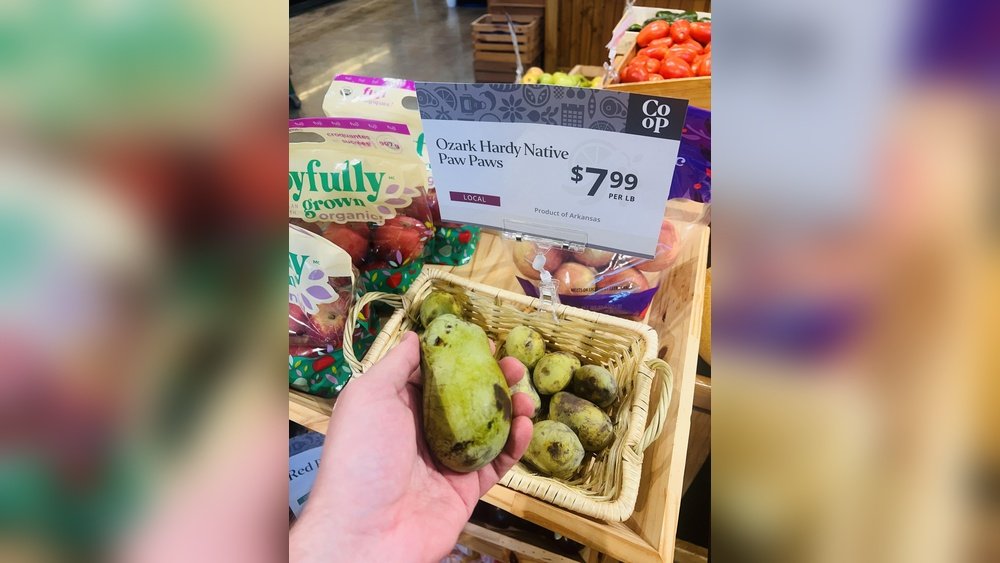
Storing pawpaws can be confusing, especially if you’re new to this unique North American fruit. Pawpaws are known for their creamy texture and tropical flavor, but they also bruise and spoil easily. Many people lose their harvest because they don’t know the best ways to keep these delicate fruits fresh.
If you want to enjoy pawpaws for more than a few days, you need to understand how to store them properly.
This guide will give you everything you need to know about storing pawpaws, from the moment you pick them to long-term storage options. You’ll learn simple methods, common mistakes, and expert tips so your pawpaws stay delicious as long as possible.
Whether you grow them in your backyard or buy them from a market, you’ll be able to keep their flavor and texture just right. Let’s dig in and make sure not a single pawpaw goes to waste.
Understanding Pawpaw Fruit
Before you learn how to store pawpaws, it helps to know what makes them so special—and so tricky to keep. The pawpaw (Asimina triloba) is native to North America and is the largest edible fruit indigenous to the United States.
Unlike apples or pears, pawpaws have:
- Thin, delicate skin that bruises easily
- Soft, custard-like flesh that can get mushy
- Short shelf life (often just a few days at room temperature)
- Strong, tropical aroma that gets stronger as they ripen
Pawpaws are usually eaten fresh, but proper storage lets you enjoy them longer or use them for baking and smoothies.
Key Facts About Pawpaw Ripening
- Unripe pawpaws are firm, green, and not ready to eat.
- Ripe pawpaws yield to gentle pressure, have a fragrant smell, and might have a yellowish or brownish tint.
- Overripe pawpaws develop black spots and quickly turn mushy.
Because of this, timing is important when storing pawpaws. Even a few hours can make a difference.
Harvesting Pawpaws For Storage
How and when you pick pawpaws affects how well they store. Many people make mistakes at this first stage.
- Harvest at peak ripeness: Pick pawpaws when they are just soft to the touch and smell sweet. If you pick them too early, they won’t have full flavor. If you pick them too late, they may spoil during storage.
- Handle with care: The skin bruises easily. Use both hands to gently twist or pull the fruit from the tree.
- Avoid damaged fruit: Only store pawpaws without cuts, bruises, or cracks. Damaged fruit will rot quickly and can cause others to spoil.
Non-obvious insight: If you collect pawpaws from the ground, check them several times a day during harvest season. Fruit left on the ground for hours often bruises and deteriorates faster.
Short-term Storage Methods
Most pawpaws are best enjoyed within a few days of picking. Here’s how to keep them fresh for short periods.
Room Temperature Storage
If your pawpaws are not fully ripe, you can leave them at room temperature (about 68–72°F).
- Place them in a single layer on a tray or plate.
- Keep them out of direct sunlight.
- Check daily for ripeness.
Pawpaws usually ripen in 1–3 days at room temperature. Once they are soft and fragrant, move them to the refrigerator.
Expert tip: Pawpaws release ethylene gas, which speeds up ripening. Keep them separate from other fruits if you want slower ripening, or put them in a paper bag if you want to speed it up.
Refrigeration
Once pawpaws are ripe, refrigeration is the best way to keep them fresh for a short time.
- Store them in the crisper drawer of your fridge.
- Place in a single layer, with space between each fruit.
- Use a paper towel or soft cloth to separate them and absorb moisture.
- Keep in a breathable bag (like a paper or mesh bag) to avoid condensation.
Properly stored, ripe pawpaws last 3–7 days in the refrigerator. Some varieties may last up to 10 days, but always check for signs of spoilage.
Common mistake: Don’t wash pawpaws before refrigeration. Excess moisture encourages mold and rot. Wash them only right before eating.
Comparison: Room Temperature Vs. Refrigeration
Here’s a quick look at how the two methods compare.
| Storage Method | Best For | Duration | Key Notes |
|---|---|---|---|
| Room Temperature | Ripening unripe pawpaws | 1–3 days | Check daily for softening |
| Refrigeration | Storing fully ripe pawpaws | 3–7 days | Keep dry and separated |
Long-term Storage Solutions
If you have a large harvest or want to enjoy pawpaws out of season, you need long-term storage options. Freezing, pureeing, and dehydrating are the most practical methods.
Freezing Pawpaws
Freezing is the most popular way to store pawpaws for months. Their texture and flavor hold up well if you do it right.
Steps:
- Wash pawpaws just before processing.
- Cut the fruit in half and scoop out the flesh with a spoon.
- Remove all seeds and discard any skin.
- Place the flesh in a single layer on a baking sheet lined with parchment paper.
- Freeze the pieces until solid (about 2–4 hours).
- Transfer the frozen pieces to airtight containers or freezer bags. Label with the date.
Storage duration: Properly frozen pawpaw pulp can last 6–12 months.
Non-obvious insight: Freezing the pulp in small portions (like ice cube trays) makes it easy to use for smoothies or baking. Avoid freezing whole pawpaws with skins—they turn mushy and are hard to peel after thawing.
Pureeing Before Freezing
Many people prefer to puree pawpaw pulp before freezing. This saves time later and keeps the flavor consistent.
- After removing seeds and skin, mash the flesh with a fork or blend it until smooth.
- Spoon into freezer-safe containers, leaving half an inch of space at the top (for expansion).
- Seal tightly and label.
Tip: For best results, add a squeeze of lemon juice to the puree. This helps preserve color and flavor.
Dehydrating Pawpaws
Dehydrating pawpaw slices is less common but can work for long-term storage. The taste and texture will change, becoming chewy and more concentrated.
Steps:
- Peel and slice ripe pawpaws into ¼-inch thick pieces.
- Arrange slices on dehydrator trays.
- Set dehydrator to 135°F (57°C).
- Dry for 8–12 hours, or until pieces are leathery and dry but not brittle.
- Store in airtight containers in a cool, dry place.
Dehydrated pawpaws can last 6–9 months. They make good snacks or ingredients in trail mixes.
Storage Comparison: Refrigeration, Freezing, Dehydrating
See how these methods differ for pawpaw storage.
| Method | Preparation | Flavor/Texture | Storage Time |
|---|---|---|---|
| Refrigeration | Whole, unwashed, ripe | Fresh, creamy | 3–7 days |
| Freezing | Pulp or puree | Very similar to fresh | 6–12 months |
| Dehydrating | Slices, peeled | Chewy, concentrated | 6–9 months |
Special Storage Methods
Some people want to go beyond the usual approaches. Here are a few less common—but effective—ways to store pawpaws.
Vacuum Sealing
Vacuum sealers remove air, reducing oxidation and freezer burn. After freezing pawpaw pulp or puree, use a vacuum sealer for even longer storage and better texture.
- Portion pulp or slices into bags.
- Use vacuum sealer to remove air and seal.
- Freeze as usual.
Vacuum-sealed pawpaw can stay fresh up to 18 months.
Canning
Canning pawpaws is tricky because of their low acidity. Most home canners do not recommend canning pure pawpaw pulp due to risk of spoilage and unsafe pH levels. However, you can safely can pawpaw jams and butters with added acid (like lemon juice) and sugar, using a pressure canner.
- Always follow USDA guidelines for safety.
- Test pH to ensure below 4.6 before canning.
Alcohol Preservation
Pawpaws can be preserved in alcohol, like making pawpaw liqueur or infusing vodka with pawpaw pulp. The alcohol prevents spoilage and can be used for desserts and drinks.
- Use ripe pawpaw pulp.
- Cover with high-proof alcohol in a clean jar.
- Store in a cool, dark place for 2–4 weeks, shaking occasionally.
The result is a unique, pawpaw-infused spirit that lasts many months.
Non-obvious insight: Alcohol-preserved pawpaw is great for recipes where fresh fruit would break down, like sauces or cocktails.
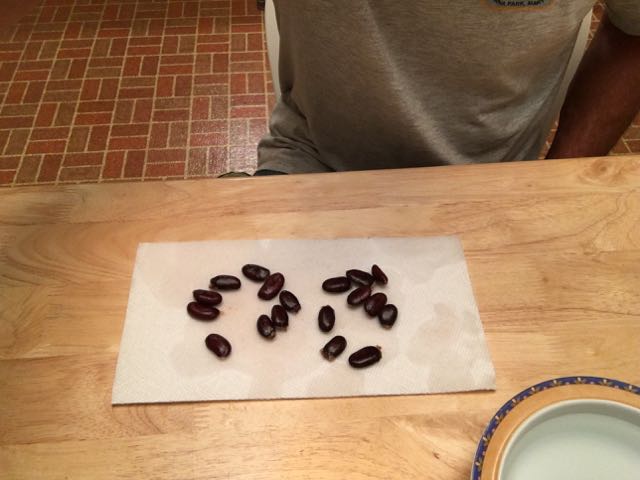
Storing Pawpaw Seeds
If you want to grow your own pawpaws, you’ll need to store seeds the right way. Pawpaw seeds cannot dry out—they must stay moist to stay viable.
Steps:
- Rinse seeds to remove all pulp.
- Place seeds in a sealed bag with moist peat moss or sand.
- Store in the refrigerator at 32–40°F (0–4°C).
- Keep seeds moist, but not soggy, for up to 4 months.
Never freeze pawpaw seeds or let them dry out—this will kill them.
How To Tell If Pawpaws Are Spoiling
Knowing when pawpaws are going bad is just as important as storing them well. Spoiled pawpaws can affect the taste and safety of your stored fruit.
Signs of spoilage:
- Large black spots or mold on the skin
- Sour or alcoholic smell
- Flesh that is mushy or watery
- Off flavors or bitterness
If only a small spot is bad, you can cut it away and use the rest immediately. But if the fruit smells sour or has lots of mold, it’s safest to discard it.
Non-obvious insight: Even refrigerated pawpaws can develop mold inside the skin. Always cut open and inspect before eating, especially if stored for several days.
Storing Pawpaw-based Foods
Pawpaws are often used in recipes—puddings, breads, ice creams, and more. These foods need special storage.
Pawpaw Pudding And Baked Goods
- Keep in airtight containers in the refrigerator.
- Eat within 3–5 days.
- Freeze for up to 3 months for longer storage.
Pawpaw Ice Cream
- Store in the coldest part of your freezer.
- Use airtight containers to prevent freezer burn.
- Eat within 2 months for best flavor.
Pawpaw Smoothies
- Freeze in single-portion containers.
- Thaw in the refrigerator before drinking.
- Consume within 1–2 months.
Tip: Always label homemade pawpaw foods with the date, so you remember how long they’ve been stored.
Credit: extension.purdue.edu
Common Mistakes When Storing Pawpaws
Even experienced gardeners and cooks can make errors that ruin their pawpaw harvest. Here are some mistakes to avoid:
- Stacking fruits: Piling pawpaws on top of each other causes bruising and speeds spoilage.
- Washing before storage: Moisture encourages mold. Only wash before eating or processing.
- Using plastic bags: Sealed plastic traps moisture and leads to rot. Use paper or mesh bags instead.
- Storing overripe fruits: If the fruit is already mushy, it will not improve with storage.
- Ignoring spoiled fruit: One bad pawpaw can spread mold to others. Remove spoiled fruit immediately.
Non-obvious insight: If you have a mix of ripe and unripe pawpaws, store them separately. Ripe pawpaws give off ethylene, which can cause unripe ones to spoil faster.
How Storage Affects Nutrition And Flavor
Many people wonder if storage changes the nutritional value or taste of pawpaws. Here’s what you need to know:
- Fresh pawpaws have the highest vitamin C and best texture.
- Refrigeration keeps most nutrients intact for up to a week.
- Freezing may reduce some vitamin C but preserves most nutrients.
- Dehydrating concentrates sugars and calories per gram but can lower vitamin C.
- Canning or cooking destroys some vitamins but increases shelf life.
In all cases, the unique tropical flavor of pawpaw can fade over time, so use the freshest fruit for eating raw and save stored fruit for recipes.

Credit: www.youtube.com
When To Use Stored Pawpaws
Not all recipes need perfectly fresh pawpaws. Here’s a quick guide for when to use stored fruit.
| Storage Type | Best Used For | Notes |
|---|---|---|
| Fresh, ripe (refrigerated) | Raw eating, salads | Best flavor and texture |
| Frozen pulp/puree | Smoothies, baking, ice cream | Texture changes slightly, flavor strong |
| Dehydrated | Snacks, trail mix, baking | Chewy, more concentrated sweetness |
| Pawpaw jam/butter | Spreads, sauces, desserts | Sweet, cooked flavor |
Advanced Tips For Pawpaw Storage
For those who want to master pawpaw storage, here are some advanced techniques:
- Use silica gel packs in storage containers (outside the fruit) to control humidity and prevent mold in the fridge.
- Check containers weekly for signs of moisture or spoilage, especially with large batches.
- Blend with other fruits (like banana) before freezing for new flavors and smoother thawing.
- Make pawpaw vinegar by fermenting overripe fruit with sugar and water, creating a tangy condiment that lasts for months.
Sourcing The Best Pawpaws For Storage
Not all pawpaws are the same. Some varieties store better than others. If you buy from a farmers market or grow your own, ask about the cultivar.
- Sunflower and Shenandoah are known for longer shelf life.
- Wild pawpaws can vary widely in storage quality.
If you buy, choose fruits that are firm with only a little softness. Avoid those with visible damage or strong overripe smell.
Sustainable Practices When Storing Pawpaws
Wasting pawpaws is easy if you pick or buy too many. Here’s how to make your pawpaw storage more sustainable:
- Share with neighbors or friends if you have a large harvest.
- Compost spoiled pawpaws instead of throwing them away.
- Save seeds for planting instead of discarding them.
Non-obvious insight: Pawpaw peels and seeds are not edible for humans, but chickens and some livestock can eat small amounts without problem. Always check for animal safety before feeding.
Credit: greatescapefarms.com
Frequently Asked Questions
How Long Do Pawpaws Last After Picking?
Fresh, ripe pawpaws last 2–3 days at room temperature and up to 7 days in the refrigerator. Freezing the pulp extends storage to 6–12 months.
Can You Freeze Whole Pawpaws With The Skin?
It’s not recommended. Whole pawpaws become mushy and hard to peel after thawing. Always remove skin and seeds before freezing.
What’s The Best Way To Ripen Unripe Pawpaws?
Keep unripe pawpaws at room temperature in a single layer, out of sunlight. They’ll ripen in 1–3 days. Putting them in a paper bag speeds up the process.
Is It Safe To Can Pawpaw Pulp At Home?
Not directly. Pawpaw pulp is low in acidity and can support bacterial growth if canned without added acid. Only can pawpaw jam or butter with extra lemon juice and follow safe canning guidelines like those from the National Center for Home Food Preservation.
How Can You Tell If Stored Pawpaws Have Gone Bad?
Check for black spots, mold, sour smell, or mushy texture. If in doubt, cut open and inspect. Discard any pawpaws with off smells or visible mold.
Storing pawpaws well means you can enjoy their amazing flavor even after the short harvest season. With the right techniques, you’ll waste less fruit and have pawpaw treats all year round. Whether you freeze, dehydrate, or simply refrigerate, these tips will help you keep every pawpaw at its best.