
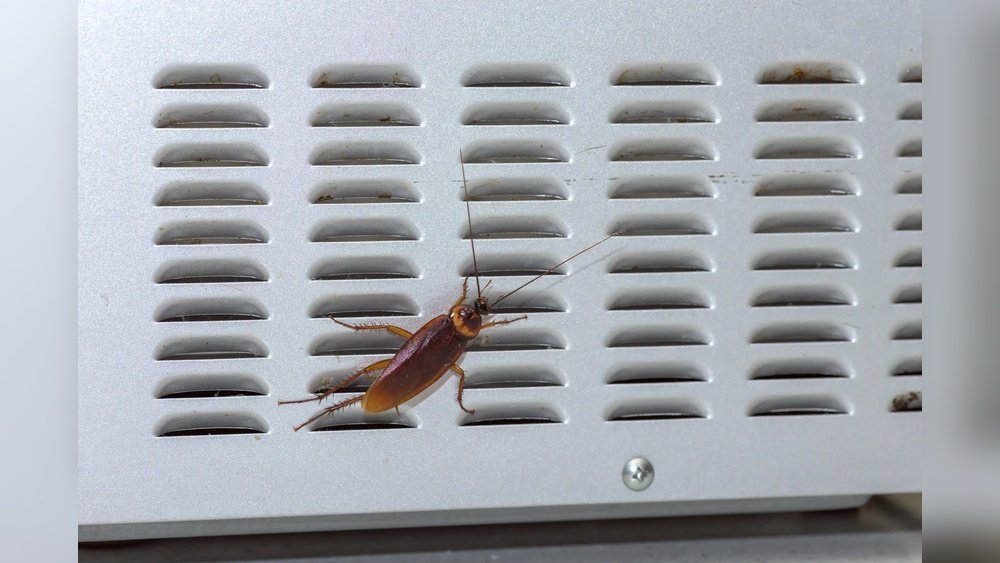
Getting rid of roaches in a microwave oven can be a surprising, even upsetting problem. Many people discover it by accident—perhaps a cockroach dashes out when you open the door, or you notice a strange smell and tiny droppings inside. You may feel embarrassed or worried about safety, and you want a solution that works. The good news is that you can remove roaches from your microwave and keep them away, but you must act quickly and carefully.
Cockroaches are attracted to food, warmth, and hidden spots. A microwave offers all three. Once inside, they can multiply fast, spread germs, and even damage your appliance. Killing visible roaches is not enough. You must clean the microwave, remove eggs, seal entry points, and change habits to stop them from returning.
In this guide, you will learn practical steps to remove roaches from your microwave oven, clean up safely, and prevent future problems. We’ll explore why roaches love microwaves, what works (and what doesn’t), and how to make your kitchen a place where cockroaches cannot survive.
You will also find answers to common questions, and a few insights that most guides miss. Let’s get started with understanding the real problem.
Why Roaches Infest Microwave Ovens
Microwave ovens seem like an odd place for cockroaches, but for these insects, it’s a perfect home. Understanding why roaches choose microwaves helps you fight them better.
Warmth And Shelter
Microwaves generate heat when used. Even after cooking, they stay warm for a while, especially if not opened immediately. Roaches are cold-blooded and seek warmth, especially at night. The inner parts of the microwave, including vents and electronics, offer a cozy hiding spot.
Food Residues
Small food particles, grease, and spills are often left behind after heating meals. Roaches have a strong sense of smell and can find even the tiniest crumbs. Over time, repeated use without thorough cleaning builds up enough food to support a whole colony.
Hidden Entry Points
Microwaves have small gaps, ventilation holes, and sometimes broken seals around the door or casing. Roaches can squeeze through spaces as thin as a credit card. Once inside, they feel safe and rarely leave unless forced.
Moisture
Roaches also need water. Steam and condensation from cooking can leave moisture inside or under the microwave. Combined with food and shelter, this is ideal for roaches.
Non-obvious insight: Roaches can also hide inside the microwave’s internal parts (like the control panel or motor), not just the cooking cavity. That’s why simple cleaning is rarely enough.
Signs Of Roach Infestation In A Microwave
Before you start cleaning, be sure that your microwave is actually infested. Here are the most reliable signs:
- Seeing Live Roaches: If you spot one, there are likely more hiding.
- Droppings: Roach droppings look like small black specks, similar to ground pepper or coffee grounds. You may find these on the turntable, corners, or under the microwave.
- Egg Cases (Oothecae): These are brown, oval capsules, often hidden in crevices.
- Unusual Smell: A musty, oily odor can signal cockroach presence.
- Dead Roaches or Shed Skins: These may be inside or around the microwave.
- Microwave Malfunction: Roaches sometimes damage wiring, causing buttons to stop working or the display to flicker.
Extra insight: Roaches are nocturnal. You may see more signs at night or in a dark kitchen.
Is It Safe To Use A Microwave With Roaches Inside?
The short answer: No, it is not safe. Here’s why:
- Health Risks: Roaches carry bacteria, viruses, and allergens. They can spread salmonella, E. coli, and other germs to your food.
- Contamination: Droppings, eggs, and shed skins can land on your meals.
- Damage to Microwave: Roaches can chew wires or short-circuit parts, leading to malfunctions or even fire risk.
Never use a microwave that has visible roaches or signs of infestation until it is fully cleaned and treated.
Step-by-step Guide To Remove Roaches From Your Microwave
Getting rid of roaches in a microwave is a process, not a single action. Follow these steps for the best results.
1. Unplug And Remove The Microwave
First, unplug the microwave for safety. Move it away from the wall to access all sides. Place it on a counter with good lighting. This prevents electric shock and stops roaches from escaping into hidden places during cleaning.
2. Deep Clean The Interior
Remove the turntable, plate, and any removable parts. Wash these in hot, soapy water. For the microwave’s inside:
- Use a damp cloth with dish soap to wipe all surfaces, including the ceiling and door edges.
- For stubborn stains, microwave a bowl of water with lemon juice for 2-3 minutes. The steam loosens grime.
- Dry with a clean towel.
3. Clean The Exterior And Underside
Roaches often hide under or behind the microwave. Wipe all outer surfaces, especially the bottom and back. Look for cracks, vents, or gaps where roaches might enter.
4. Check And Clean Vents
Vents are a common hiding place. Use a vacuum cleaner with a narrow attachment to suck out crumbs, dust, and roaches from vents. If possible, remove the vent cover and clean inside.
Practical tip: Use a flashlight to check for eggs or roaches inside vents and crevices.
5. Inspect For Eggs And Nests
Roaches lay eggs in hidden spots. Carefully inspect:
- Door seals and hinges
- Underside of the microwave
- Control panel area (if accessible)
- Any cracks or joints
Remove eggs with a cotton swab dipped in alcohol or hot soapy water.
6. Use Safe Roach Killers
Never spray chemical insecticides inside your microwave—they are toxic and can cause residue to spread to food. Instead, use these safer methods:
- Boric Acid Powder: Sprinkle a small amount around the outside base and entry points (not inside the cooking area).
- Gel Baits: Place gel bait stations under and behind the microwave. Roaches eat the bait and carry poison back to the nest.
- Diatomaceous Earth: This natural powder can be applied in cracks and around the microwave. It dries out and kills roaches, but is non-toxic to humans.
Extra tip: Clean up dead roaches promptly to avoid new infestations.
7. Let The Microwave Air Out
After cleaning, leave the microwave unplugged with the door open for several hours. This helps dry out moisture and discourages roaches from returning.
8. Clean The Surrounding Area
Roaches often live in the kitchen, not just the microwave. Clean nearby counters, cabinets, and appliances. Remove food crumbs, grease, and spills. Take out trash regularly and fix leaks.
9. Seal Entry Points
Inspect the microwave and kitchen for gaps or cracks where roaches can enter. Use silicone caulk to seal small openings. Check for broken door seals or loose panels.
10. Monitor With Traps
After cleaning, place sticky roach traps near the microwave. Check them daily. If you catch new roaches, repeat cleaning and baiting steps.
11. Wait Before Using
Do not use the microwave for at least 24 hours after cleaning and baiting. This gives time for any hidden roaches to leave or be killed.
12. Dispose Of Waste Carefully
Bag and seal all cleaning materials, dead roaches, eggs, and trash. Take them outside immediately to prevent re-infestation.

Credit: www.youtube.com
Comparing Roach Removal Methods
Not all methods are equally safe or effective for microwaves. Here’s a quick comparison:
| Method | Effectiveness | Safety for Microwave | Ease of Use |
|---|---|---|---|
| Chemical Sprays | High (general use) | Unsafe (leaves residue) | Easy |
| Gel Baits | High (with patience) | Safe (outside only) | Moderate |
| Boric Acid | Medium | Safe (when used outside cavity) | Easy |
| Diatomaceous Earth | Medium | Safe | Moderate |
| Sticky Traps | Low (detects, not eliminates) | Safe | Easy |
| Professional Pest Control | Very High | Safe with correct instructions | Expensive |
Key point: Never use chemical sprays inside a microwave. They can remain as harmful residue.
What Not To Do When Removing Roaches From A Microwave
Many people make mistakes when trying to remove roaches. Avoid these common errors:
- Do not microwave roaches to kill them. Roaches often hide in parts that don’t get hot, and microwaving can damage your appliance.
- Never spray insecticide inside. Harmful chemicals can contaminate food.
- Don’t ignore the problem. Roaches multiply quickly and can spread to other appliances.
- Don’t just clean the visible area. Roaches hide in cracks, vents, and inner parts.
- Don’t use home remedies with strong smells (like bleach or ammonia) inside the microwave—they can damage the surface and leave unsafe fumes.
Non-obvious insight: Some websites suggest “starving out” roaches by leaving the microwave open and unplugged. This is rarely enough, as roaches can survive weeks without food and hide deep inside.
How To Prevent Roaches From Returning
Once you have cleaned and removed roaches, prevention is the key to keeping them away for good.
Regular Cleaning
Wipe down the microwave’s interior after every use. Remove crumbs and spills before they dry. Wash the turntable and other parts weekly.
Store Food Properly
Keep food in sealed containers. Do not leave leftovers in the microwave, even for a few minutes. Roaches can detect food odors quickly.
Seal Gaps
Check the microwave and kitchen for cracks, gaps, or broken seals. Repair or seal them with caulk.
Control Moisture
Fix any leaks under the sink or near the microwave. Wipe up spills quickly. Roaches need both food and water to survive.
Use Deterrents
You can try natural deterrents like bay leaves or whole cloves in kitchen cabinets. While not 100% effective, they may help keep roaches away from food storage areas.
Monitor With Traps
Place sticky traps in hidden spots. Check them monthly to catch new infestations early.
Regular Maintenance
Inspect your microwave every month for signs of roaches or damage. Early action prevents big problems.
Extra tip: If you have had a severe infestation, consider replacing your microwave. Roaches and their eggs can be very hard to remove from internal parts.
When To Call A Professional
Sometimes, DIY steps are not enough. You should call a pest control expert if:
- Roaches keep returning after cleaning and baiting.
- There are many roaches, eggs, or droppings even after cleaning.
- The microwave stops working or sparks.
- You notice roaches in other appliances (fridge, oven, toaster).
Professionals can use safe methods to treat the microwave and the whole kitchen. Always let them know if you use the microwave for baby formula or sensitive foods.
Roaches And Microwave Damage: What To Watch For
Roaches are not just a health risk—they can damage your microwave.
- Chewing wires: This can cause shorts, sparks, or fires.
- Blocking vents: Roaches, eggs, or droppings may block airflow, causing overheating.
- Damaging buttons or displays: Roaches can get into the control panel and cause malfunctions.
If your microwave starts acting strangely—buttons not working, strange smells, or noises—it may be time for repair or replacement.
How Long Does It Take To Get Rid Of Roaches In A Microwave?
The process can take anywhere from a few days to two weeks. Cockroaches are tough and may survive initial cleaning by hiding in deep crevices. Consistent cleaning, baiting, and monitoring are necessary.
If you still see signs after two weeks, reassess your cleaning and baiting methods, or call a professional.
Are There Roach-proof Microwaves?
Most microwaves are not designed to be roach-proof. However, some commercial models have better seals and fewer gaps. When buying a new microwave, look for:
- Tight door seals
- Smooth, easy-to-clean surfaces
- Minimal vents or covered vents
Keep in mind, no microwave is totally roach-proof if the kitchen has an infestation.
Cost Of Removing Roaches From A Microwave
Here is a quick comparison of costs for common methods:
| Method | Estimated Cost | Frequency | DIY or Professional |
|---|---|---|---|
| Boric Acid | $5 – $10 | One-time or as needed | DIY |
| Gel Baits | $10 – $20 | Lasts 2-3 months | DIY |
| Diatomaceous Earth | $8 – $15 | One-time or as needed | DIY |
| Sticky Traps | $5 – $15 | Replace monthly | DIY |
| Professional Pest Control | $100 – $300 | Per visit | Professional |
| New Microwave | $60 – $200+ | One-time | DIY |
Fact: Most home infestations can be handled for less than $30 in supplies, but severe cases may require professional help.

Credit: www.youtube.com
Real-life Example: How One Family Solved Their Roach Problem
A family in Florida noticed a musty smell and saw a few roaches in their microwave late at night. At first, they tried spraying insecticide, but this only made things worse. The roaches disappeared for a few days, then returned in greater numbers. They decided to follow these steps:
- Unplugged and deep cleaned the microwave (removed all parts and wiped with soapy water).
- Placed gel baits under and behind the microwave.
- Sealed cracks in the wall and around the kitchen counter.
- Cleaned the kitchen every night for a week.
- Monitored with sticky traps.
Within ten days, they stopped seeing roaches in the microwave and only caught a few in traps. No more musty smell, and food tasted normal again.
Lesson: Consistent cleaning and baiting work better than quick fixes.
Can Roaches Survive Inside A Microwave?
Yes, roaches can survive inside a microwave. Despite the microwave’s heat, the insects hide in cool spots (behind the control panel, under the casing, in vents) where waves do not reach. They are also very resistant to radiation and can survive for days without food or water.
Key insight: Using the microwave does not kill hidden roaches.
Risks Of Ignoring Roaches In Your Microwave
Ignoring the problem can lead to:
- Health issues: Allergies, asthma, stomach infections.
- Food contamination: Droppings and bacteria in your meals.
- Appliance failure: Roaches may destroy your microwave.
- Larger infestations: Roaches can spread to other appliances and rooms.
Always act fast to avoid bigger problems.
How Roaches Enter The Microwave
Roaches crawl in from the kitchen, attracted by food and warmth. Common entry points include:
- Vents
- Gaps around the door seal
- Cracks in the casing or control panel
- Underside of the microwave (especially if placed over a stove or sink)
Keeping your kitchen clean and sealing these points makes it harder for roaches to invade.
Comparing Diy Vs. Professional Roach Removal
Here’s a final side-by-side look at the two main options:
| Aspect | DIY Removal | Professional Removal |
|---|---|---|
| Cost | Low ($5 – $30) | High ($100+) |
| Time Required | Several days to weeks | 1-2 days (plus monitoring) |
| Effectiveness | Good (for mild/moderate infestations) | Very good (even for severe cases) |
| Safety | High (if safe products used) | High (with proper instructions) |
| Convenience | Requires effort and patience | Minimal effort by homeowner |
Frequently Asked Questions
How Do I Know If Roaches Are Still Inside My Microwave?
Check for fresh droppings, egg cases, and a musty smell. Place sticky traps near the microwave overnight. If you catch new roaches, repeat cleaning and baiting steps.
Can I Use Bleach To Clean My Microwave After Roaches?
Bleach is not recommended inside a microwave. It can damage surfaces and leave dangerous fumes. Use dish soap and water, or a steam clean with lemon juice.
Will Microwaving Food Kill Roach Germs?
Microwaving can kill some germs, but it does not remove droppings, eggs, or roach body parts. Clean the microwave thoroughly before using it again.
Are There Natural Ways To Keep Roaches Away From My Microwave?
Yes, keeping the kitchen clean, sealing gaps, and storing food in airtight containers work best. Some people use bay leaves or cloves as deterrents, but results vary.
Where Can I Find More Help On Kitchen Pest Control?
You can learn more about controlling kitchen pests at the EPA’s Safe Pest Control Guide.
Keeping roaches out of your microwave takes time, but the effort is worth it. With the right cleaning, safe treatments, and prevention habits, you can enjoy a healthier kitchen and safe meals every day. If you act fast and stay consistent, roaches won’t stand a chance.
Credit: pestextinct.com