
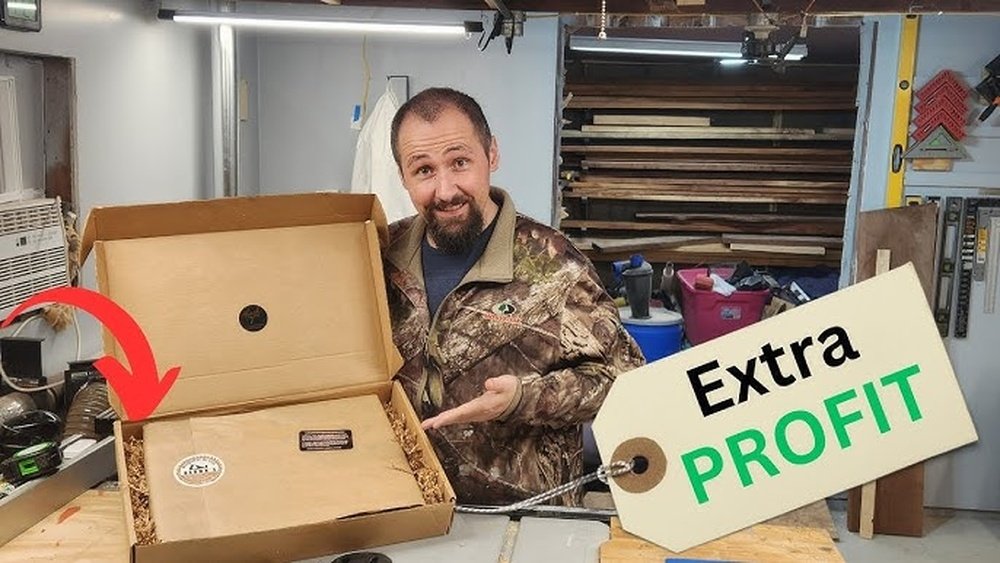
Shipping cutting boards may sound simple, but doing it right takes more than just dropping an item into a box. Whether you sell handcrafted boards online, send gifts, or ship large batches for a business, the process involves many steps to ensure each board arrives safely and looks great.
Problems like cracks, warping, or scratches can damage your reputation and cost money. With the right approach, you can protect your product, impress customers, and avoid shipping headaches.
People often overlook important details when packing and shipping cutting boards. For example, not all woods react the same to temperature or humidity changes during transit. The size, thickness, and finish of a board also affect packing choices. Many beginners focus only on bubble wrap or box size, missing critical steps that prevent damage.
This guide covers every part of shipping cutting boards, from choosing materials to insuring your package, so you can ship with confidence every time.
Understanding Cutting Boards: Materials And Risks
Before packing, it helps to know what you are shipping. Cutting boards come in various materials, each with unique risks during shipping.
Common Cutting Board Materials
- Hardwood (Maple, Walnut, Cherry):
- Durable but sensitive to moisture and temperature.
- Can warp or crack if exposed to rapid changes.
- Bamboo:
- Eco-friendly and lightweight.
- Prone to splitting if dropped or exposed to extreme dryness.
- Plastic:
- Less likely to crack, but can scratch or bend under pressure.
- More flexible, but needs surface protection.
- Composite/Resin:
- Highly durable, often heavier.
- Less sensitive to humidity but still needs surface protection.
Shipping Risks By Material
| Material | Main Shipping Risk | Special Care Needed? |
|---|---|---|
| Hardwood | Cracking, warping | Yes, moisture control |
| Bamboo | Splitting, chipping | Yes, shock absorption |
| Plastic | Scratches, bending | Moderate, surface protection |
| Composite | Surface damage | Yes, impact protection |
Knowing the material helps you decide on packing materials, box size, and even which carrier to use.
Preparation: Cleaning, Drying, And Inspecting
Before you pack a cutting board, it should be clean, dry, and inspected for flaws.
Cleaning The Board
Wipe the board with a damp cloth to remove dust and debris. For wood boards, avoid soaking or using harsh chemicals—these can damage the finish. A drop of mild soap and warm water is enough. Make sure you dry the board completely.
Drying Matters
Moisture is one of the main enemies during shipping. Even a slightly wet board can grow mold or warp if trapped in a box. Let the board air-dry for at least 12–24 hours before packing.
Final Inspection
Check for cracks, chips, or unfinished edges. If you find defects, fix them before shipping. Shipping a board with hidden damage increases the risk of breakage and returns.
Choosing Packing Materials
Packing is not just about bubble wrap. The right combination of materials can prevent almost any shipping accident.
Essential Packing Materials
- Bubble wrap: For cushioning and shock absorption.
- Packing paper: To prevent scratches.
- Foam sheets or corner protectors: For expensive or large boards.
- Plastic wrap or poly bags: To protect from moisture.
- Sturdy cardboard box: Choose a size that fits closely but leaves space for padding.
- Packing tape: Strong, wide tape for sealing.
- Fragile stickers or labels: Optional, but useful for high-value shipments.
Comparison: Packing Materials
| Packing Material | Best For | Drawbacks |
|---|---|---|
| Bubble wrap | Shock absorption | Not eco-friendly |
| Packing paper | Surface protection | Low shock resistance |
| Foam sheets | Expensive boards | Can add bulk |
| Plastic wrap | Moisture protection | Traps moisture if board isn’t dry |
Non-obvious Insight
Never wrap a board in plastic if it’s even slightly damp. Trapped moisture can cause mold or warp wood during shipping.
Packing The Cutting Board: Step-by-step
Packing is the single most important step for safe shipping. Here’s how to do it right:
1. Wrap The Board
- Place the board on a clean, flat surface.
- Wrap it in a layer of packing paper to prevent scratches.
- Add at least two layers of bubble wrap, covering all sides and corners.
- Use foam corner protectors for extra safety, especially for boards with sharp edges or high value.
2. Seal Against Moisture
- For wood or bamboo, loosely wrap the board in plastic film or place it in a poly bag. Do not seal it airtight—wood needs to breathe.
- For plastic or composite, a tighter seal is fine.
3. Box Selection And Padding
Choose a box that’s about 2 inches larger than the board on all sides. Fill the bottom with crumpled packing paper or peanuts.
- Place the wrapped board in the center.
- Add more packing material around all sides so the board doesn’t shift.
- Top with more padding before sealing.
4. Seal And Label
- Close the box and tape all seams with packing tape.
- If the board is heavy, use double tape on the bottom.
- Add a fragile label or “This Side Up” if needed.
Extra Tips
- If shipping more than one board, separate with cardboard or foam between each item.
- Don’t overfill the box—compression can crack wood.
- Avoid boxes that are too large. Empty space increases the risk of movement and damage.
Choosing The Right Shipping Carrier And Service
Not all shipping companies treat packages equally. The right carrier can make a big difference in how your cutting board arrives.
Popular Carriers
- USPS: Good for small, light boards. Offers flat-rate boxes.
- FedEx and UPS: Better for heavier, larger, or expensive boards. Stronger tracking and insurance options.
- DHL: Useful for international shipping.
Comparing Carrier Options
| Carrier | Best For | Tracking | Insurance Options |
|---|---|---|---|
| USPS | Small/light boards | Basic | Up to $5,000 (paid) |
| FedEx | Heavy/expensive | Advanced | Up to $50,000 |
| UPS | Large/fragile | Advanced | Up to $50,000 |
| DHL | International | Advanced | Up to $25,000 |
Non-obvious Insight
Some carriers handle “heavy” packages (over 70 lbs) differently. If you ship large batches of cutting boards, splitting them into smaller boxes can reduce the risk of damage and lower costs.
Shipping Insurance And Tracking
Shipping insurance is a smart move, especially for handcrafted or high-value boards.
When To Insure
- Boards over $50 in value should always be insured.
- Custom, engraved, or sentimental boards need insurance for peace of mind.
How Insurance Works
- Most carriers offer basic insurance, but it may not cover full value.
- You can buy extra coverage. Save your receipt and take photos of the board and packaging before shipping.
- If something goes wrong, this documentation helps your claim.
Tracking
- Use shipping methods with tracking. This reassures buyers and helps resolve disputes.
- Share the tracking number with the recipient right away.

Credit: www.youtube.com
International Shipping: What To Know
Shipping cutting boards abroad adds a few extra steps.
Customs Regulations
- Some countries restrict wood products due to pests or disease risks.
- Check import rules before shipping. For example, Australia and New Zealand are strict about untreated wood.
Extra Packaging
- Double wrap against moisture and pests.
- Use sturdy boxes that can handle longer transit.
Paperwork
- Fill out customs forms honestly. List the material and value.
- Include a copy of the invoice inside the box.
Shipping Times
- International delivery can take 1–4 weeks. Let the recipient know this in advance.
Non-obvious Insight
For international shipments, avoid using recycled packing materials. Some countries reject packages if they look “used” or contain organic material that could carry pests.
Branding And Customer Experience
Shipping is a chance to impress your customer. Small details can turn a simple delivery into a memorable experience.
Presentation Matters
- Use branded tissue paper or a thank-you note.
- Add care instructions for the cutting board (how to clean, oil, or store).
- For handmade boards, include a story or maker’s signature.
Surprising Details
A QR code that links to a video about board care or your process can increase customer trust and satisfaction. People remember the little extras.
Packaging Example
A small business sends a cherry cutting board wrapped in branded paper, with a care card and a “handmade just for you” sticker. The box arrives undamaged, and the customer is delighted even before opening the package.

Credit: www.ebay.com
Eco-friendly Shipping Practices
Sustainability is important to many buyers. You can protect both your cutting boards and the environment.
Green Packing Materials
- Use recycled or biodegradable packing paper.
- Choose boxes made from recycled cardboard.
- Avoid plastic peanuts; use crumpled paper or cornstarch peanuts instead.
Shipping Partners
Some carriers, like USPS and FedEx, offer carbon-neutral shipping options for a small extra fee.
Customer Perception
Mention eco-friendly practices on your website or in your packaging. Many customers will appreciate your efforts and may choose your products over less sustainable options.
Common Shipping Mistakes To Avoid
Shipping mistakes can ruin even the best cutting board. Watch out for these errors:
- Insufficient padding: Boards can shift and crack if not fully cushioned.
- Packing damp boards: Causes warping or mold.
- Using the wrong box size: Too big or too small both increase risk.
- Over-taping or under-taping: Too much tape makes boxes hard to open, too little risks opening in transit.
- Forgetting to insure valuable shipments.
- Ignoring international rules: Can lead to returns or confiscation.
- No tracking: Customers worry when they can’t follow their package.
- Not including instructions: Leads to misuse and more returns.
- Skipping the fragile label: Packages may get rough treatment.
Shipping Large Orders Or Batches
If you need to ship many cutting boards—like for a big order, business, or event—the process is slightly different.
Bulk Packing Strategies
- Ship boards in stacks with cardboard or foam separators.
- Use a double-walled box for extra strength.
- Secure with shrink wrap and strapping tape.
Palletizing
For very large shipments (over 100 lbs), palletize boxes. This reduces handling and risk of individual box drops.
Logistics Services
For big orders, consider working with a freight company instead of regular parcel carriers. They offer better rates and tracking for large shipments.
Non-obvious Insight
If you are shipping many boards, set up a standard packing checklist. This reduces mistakes and speeds up your process.
Cost Factors In Shipping Cutting Boards
Shipping costs depend on several factors. Understanding them can help you save money and price your products correctly.
Main Cost Factors
- Weight: Heavier boards cost more to ship.
- Dimensions: Oversized packages may have “dimensional weight” charges.
- Destination: International and rural locations are more expensive.
- Insurance: Adds a small extra cost, but protects you.
- Packaging materials: Bubble wrap, boxes, and branded extras cost money.
How To Reduce Costs
- Use flat-rate boxes if they fit your board’s size.
- Ship multiple boards together, but not so many that the box is too heavy or big.
- Compare rates between carriers using their online tools.
- Buy packing materials in bulk.
Credit: www.amnautical.com
Handling Returns And Damaged Boards
Even with perfect packing, sometimes boards arrive damaged or a customer wants to return an item.
Handling Damaged Shipments
- Ask the customer for photos of the box and board.
- File a claim with the carrier if insured.
- Offer a replacement or refund promptly.
- Use customer feedback to improve your packing process.
Returns Policy Tips
- Make your returns policy clear on your website or sales page.
- For custom boards, consider “final sale” unless there’s damage.
- Always inspect returned boards before reselling or donating.
Seasonal Shipping Challenges
Weather can affect cutting board shipments, especially wood and bamboo.
Hot Weather
- Boards may dry out or warp if left in hot trucks or warehouses.
- Ship early in the week to avoid weekend delays.
Cold Weather
- Extreme cold can make some woods brittle.
- Add extra padding and use insulated packaging if shipping during winter.
Holiday Shipping
- Ship early. Delays are common during holidays.
- Use signature confirmation for high-value boards to prevent theft.
Special Considerations: Engraved, Extra-large, Or Odd-shaped Boards
Some cutting boards are more challenging to ship.
Engraved Boards
- Add an extra layer of packing paper over the engraving.
- Use “fragile” stickers to reduce the risk of scratches.
Extra-large Boards
- Use custom-sized boxes. Avoid bending or forcing into a too-small box.
- Consider freight shipping for very large or heavy boards.
Odd-shaped Boards
- Cut foam or cardboard to fit curves and protect corners.
- Use extra tape to secure the box and prevent bulges.
Real-world Examples And Data
- According to Etsy’s 2023 Seller Survey, 35% of damaged item complaints involved poor packing, not carrier mishandling.
- A small business that switched to double-boxing for boards over 18” cut damage rates from 5% to less than 1%.
- The US Postal Service reports that packages with at least 2 inches of padding on all sides have 60% fewer claims for damage.
These numbers show that a little extra effort in packing pays off in fewer returns and happier customers.
Frequently Asked Questions
How Do I Pack A Cutting Board For Shipping?
Wrap the board in packing paper to prevent scratches. Then add at least two layers of bubble wrap, making sure all corners are protected. Place the board in a box with at least 2 inches of padding on all sides.
Seal the box tightly with packing tape. Add a fragile label if needed.
Can I Ship A Cutting Board Internationally?
Yes, but check the destination country’s rules for wood products. Some countries restrict untreated wood due to pest risks. Fill out customs forms honestly and pack with extra moisture and pest protection. Use a reliable carrier with tracking.
What Is The Best Box Size For A Cutting Board?
Choose a box that is about 2 inches larger than the board on all sides. This allows space for padding but prevents excess movement. Avoid boxes that are too big or too small.
Should I Insure My Cutting Board Shipment?
Yes, especially for boards over $50 or custom items. Insurance protects you against loss or damage during transit. Keep receipts and photos to support a claim if needed.
What If My Cutting Board Arrives Damaged?
Contact the seller or carrier right away. Take clear photos of the packaging and the damage. If you purchased insurance, file a claim with the carrier. Most reputable sellers will offer a replacement or refund.
Shipping cutting boards well shows respect for your craft and your customers. With careful packing, the right materials, and attention to detail, your boards will arrive safely and make a great impression every time. For further details on shipping best practices, you can visit the Etsy Seller Handbook.