
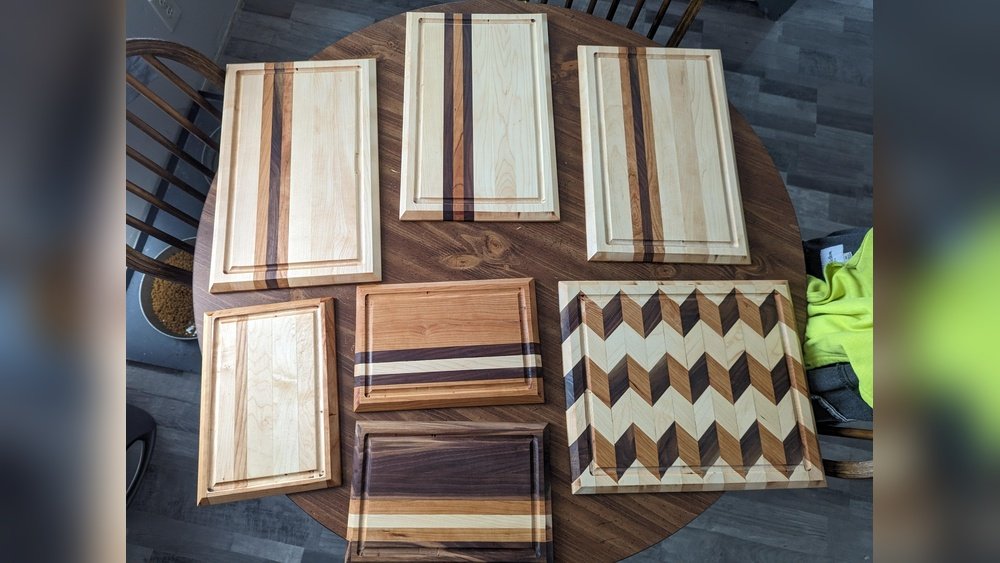
Wrapping a cutting board might sound simple, but doing it right can protect your investment, improve hygiene, and even add a stylish touch to your kitchen. Whether you’re a professional chef or someone who enjoys cooking at home, learning how to wrap a cutting board can make a surprising difference.
From extending its life to making cleanup easier, wrapping is a practical skill with real benefits.
Many people use cutting boards daily but never think about wrapping them. Some want to keep their boards from slipping, while others wrap to protect wood from moisture or avoid cross-contamination. But how do you choose the right material? What’s the best method for a secure, tight wrap?
And what mistakes do people make that could ruin their boards? This guide will answer all of those questions and more.
Let’s explore, step by step, how to wrap a cutting board properly, the different materials you can use, and smart tips to keep your kitchen safer and cleaner.
Why Wrap A Cutting Board?
Cutting boards are essential in every kitchen. But they can also be a source of bacteria, odors, and even food stains if not cared for properly. Wrapping your cutting board gives you several clear advantages:
- Hygiene: Wrapping helps reduce the risk of cross-contamination between raw meats, vegetables, and other foods. A clean wrap acts as a barrier.
- Protection: Wrapping shields the board from moisture, knife scratches, and stains. This is especially important for wooden boards, which can warp or crack.
- Stability: Certain wraps add grip, making your board less likely to slide around while you’re chopping.
- Easy Cleanup: After preparing food, you can remove and replace the wrap, which is often faster than deep cleaning the board.
- Extending Lifespan: Wrapping reduces wear and tear, meaning you’ll replace your cutting board less often.
For example, chefs in busy restaurants often wrap boards to switch quickly between different types of food, ensuring top hygiene.
Choosing The Right Wrapping Material
Not all wraps are created equal. The best material depends on your goals: hygiene, aesthetics, protection, or convenience. Here are the most popular options, along with their pros and cons:
| Material | Best For | Drawbacks |
|---|---|---|
| Plastic Wrap (Cling Film) | Short-term hygiene, easy disposal | Not eco-friendly, can tear |
| Parchment Paper | Non-stick, baking use | Slides easily, not waterproof |
| Silicone Mats | Reusable, grip, easy cleaning | Higher upfront cost, needs cleaning |
| Cutting Board Covers (Reusable) | Long-term protection, stability | May not fit all boards, must be washed |
| Beeswax Wraps | Eco-friendly, light use | Not waterproof, not for raw meat |
What To Consider
- Frequency of Use: For daily use, reusable options like silicone mats or board covers are ideal.
- Type of Food: Raw meats need a waterproof barrier like plastic wrap.
- Board Material: Wood boards benefit more from wrapping than plastic boards, as moisture can damage wood.
- Environmental Impact: If you’re eco-conscious, avoid single-use wraps.
Many beginners overlook the size of the board when buying wraps. Always measure your cutting board and check wrap dimensions before buying.
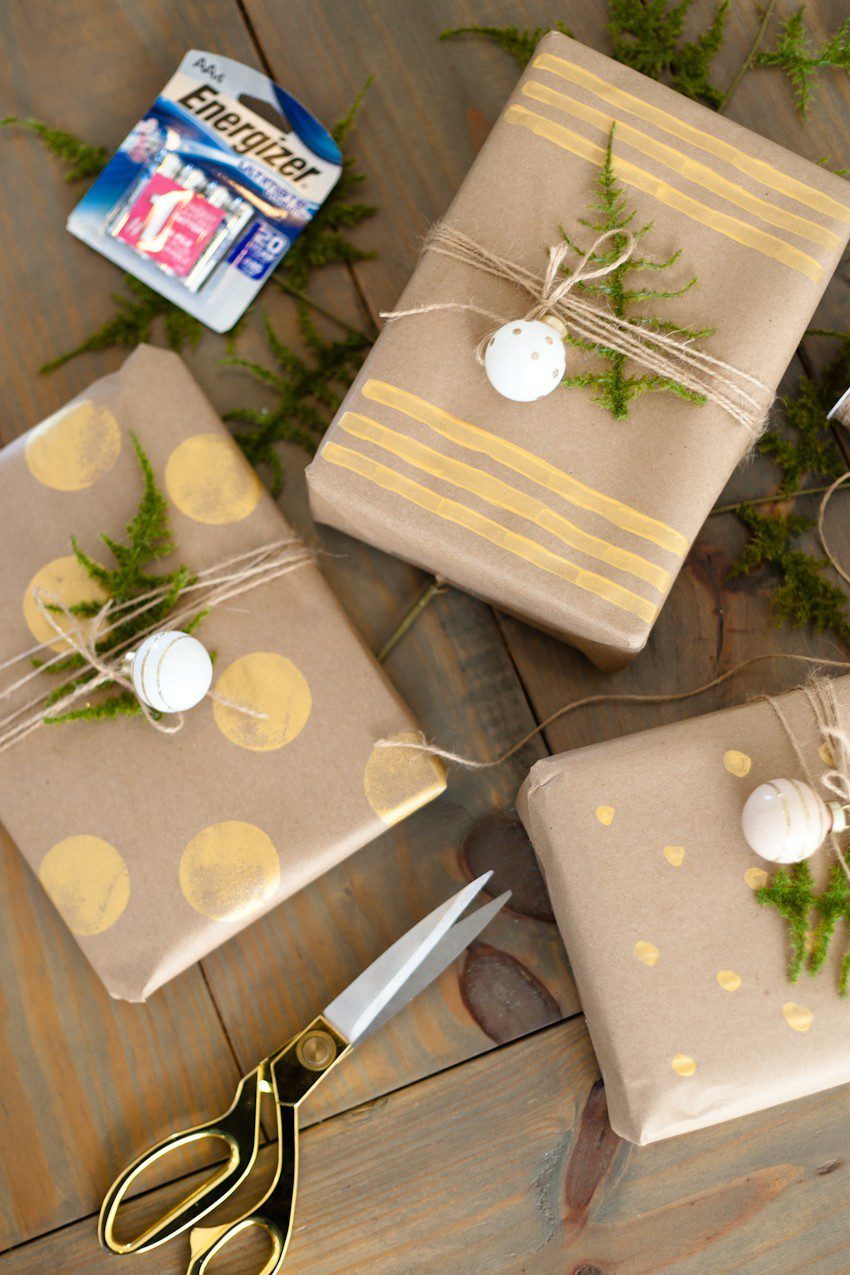
Credit: freshmommyblog.com
Tools And Materials Needed
Before you start, gather everything you need to wrap your cutting board smoothly:
- The cutting board (clean and dry)
- Chosen wrap material (plastic wrap, silicone mat, etc.)
- Scissors or a sharp blade (for cutting wrap)
- Tape (optional, for holding wraps in place)
- Clean towel (for prepping the board)
- Ruler or measuring tape (to check wrap size)
- Non-slip mat (if you want extra stability under the board)
Having everything ready prevents interruptions and ensures a tight, even wrap.
Preparing Your Cutting Board
A common mistake is wrapping a dirty or wet board. This traps bacteria and moisture, which can ruin both the wrap and the board. Follow these steps for the best results:
- Wash Thoroughly: Use hot water and soap. Scrub all surfaces, including edges.
- Sanitize (Optional but Best): Spray or wipe with a food-safe sanitizer, especially after cutting meat.
- Dry Completely: Use a clean towel, then let the board air dry for at least 10 minutes.
- Inspect for Damage: Check for deep cuts, splinters, or stains. Fix or sand rough spots before wrapping.
Proper preparation extends both the life of your cutting board and the effectiveness of the wrap.
Step-by-step: How To Wrap A Cutting Board
The actual wrapping process depends on the material you choose. Here are the top methods for the most common wraps.
Wrapping With Plastic Wrap
Plastic wrap is the most popular for fast, disposable protection. Here’s how to do it right:
- Cut the Wrap: Measure your board. Cut enough wrap to cover the top and sides, with a little extra for overlap.
- Lay the Board: Place the board on a clean, flat surface.
- Apply the Wrap: Start at one edge. Pull the wrap tightly across the surface, smoothing out wrinkles as you go.
- Wrap the Sides: Pull the excess wrap down over the sides and under the board. For larger boards, use multiple pieces, overlapping them by at least an inch.
- Secure the Edges: Press the wrap firmly so it sticks. If needed, use a small piece of tape on the underside to prevent slipping.
- Check for Gaps: Make sure there are no openings where juices or crumbs can get through.
Pro Tips
- Avoid stretching the wrap too thin or it will tear.
- Replace the wrap after each use, especially when preparing raw meat or fish.
Wrapping With Parchment Paper
Parchment paper is ideal when you need a quick, non-stick surface, such as for kneading dough or slicing cheese.
- Cut the Paper: Use scissors to cut a piece slightly larger than your board.
- Lay Flat: Place the board on the counter, then lay the parchment over the top.
- Tuck Under: Fold the edges of the paper underneath. For extra hold, tape them down or place a damp towel under the board to keep it from sliding.
- Use for Short Tasks: Parchment wraps are best for short prep sessions, not long-term storage.
Using A Silicone Mat
Silicone mats are reusable and offer excellent grip. They are one of the best solutions for frequent cooks.
- Choose the Right Size: Pick a mat that matches your board size or can be trimmed.
- Clean the Mat: Wash and dry the mat before use.
- Lay on Board: Center the mat on your board. If it’s a bit larger, trim with scissors.
- Secure the Edges: Press down to create suction. Silicone usually stays in place, but if it moves, add a damp paper towel underneath.
Fitting A Reusable Cutting Board Cover
Reusable covers are often made of flexible plastic or silicone and shaped to fit standard boards.
- Measure Your Board: Check the product size before purchase.
- Clean Both Surfaces: Wash and dry the board and cover.
- Stretch Over Board: Place the cover at one end and gently stretch it over the corners and sides.
- Check Fit: The cover should be tight, with no bubbles or loose spots.
Wrapping With Beeswax Wraps
Beeswax wraps are eco-friendly and suitable for light-duty tasks.
- Warm the Wrap: Rub the wrap between your hands to make it flexible.
- Cover the Board: Place the wrap over the surface, pressing gently to stick.
- Tuck Edges: Fold the edges underneath. The warmth of your hands helps the wrap cling.
- Remove and Wash: After use, wash the wrap with cool water and mild soap.
Comparing Different Wrapping Methods
Understanding the pros and cons of each method helps you choose the best one for your needs.
| Method | Reusable | Best For | Hygiene Rating | Ease of Use |
|---|---|---|---|---|
| Plastic Wrap | No | Raw meat, short-term use | High (if changed often) | Easy |
| Parchment Paper | No | Baking, quick tasks | Medium | Very Easy |
| Silicone Mat | Yes | Daily cooking, eco-friendly | High (if cleaned well) | Easy |
| Board Cover | Yes | Professional kitchens | Very High | Moderate |
| Beeswax Wrap | Yes | Vegetables, bread | Low (not for meat) | Easy |
Wrapping For Different Cutting Board Materials
Different types of cutting boards require different care. Here’s how to wrap boards made from wood, plastic, bamboo, and composite materials.
Wooden Cutting Boards
Wood is beautiful and durable but sensitive to moisture and bacteria. Always wrap wooden boards for raw meat or fish. Avoid wraps that trap moisture for long periods, as this can cause warping.
Plastic Cutting Boards
Plastic boards are less likely to warp but can develop deep knife marks where bacteria hide. Wrapping helps keep these grooves cleaner, especially in commercial kitchens.
Bamboo Boards
Bamboo is harder than wood and resists moisture, but still benefits from wrapping for easy cleaning and to avoid stains.
Composite Boards
Composite boards (like Epicurean) are durable and less porous. Wrapping isn’t essential, but for high-traffic or shared spaces, it adds an extra hygiene barrier.
Advanced Wrapping Tips And Tricks
Most people stop at the basics, but there are ways to wrap smarter and more efficiently.
- Double Layer for Meat: When prepping raw meat, use two layers of plastic wrap for extra safety.
- Label Your Wrap: In shared kitchens, use a marker to write “Meat Only” or “Vegetables” on the wrap. This prevents confusion and cross-contamination.
- Custom-Fit Wraps: Trim silicone mats or parchment paper to fit your board perfectly. This looks neater and works better.
- Color Coding: Use different colored wraps or mats for different foods (e.g., red for meat, green for veggies).
- Anti-Slip Underlay: Place a damp paper towel or non-slip mat under your board to prevent movement, especially when using thin wraps.
- Replace Regularly: Even reusable covers need cleaning. Wash silicone mats and board covers after every use.
- Storage: Store wrapped boards upright so moisture doesn’t get trapped between the board and the counter.
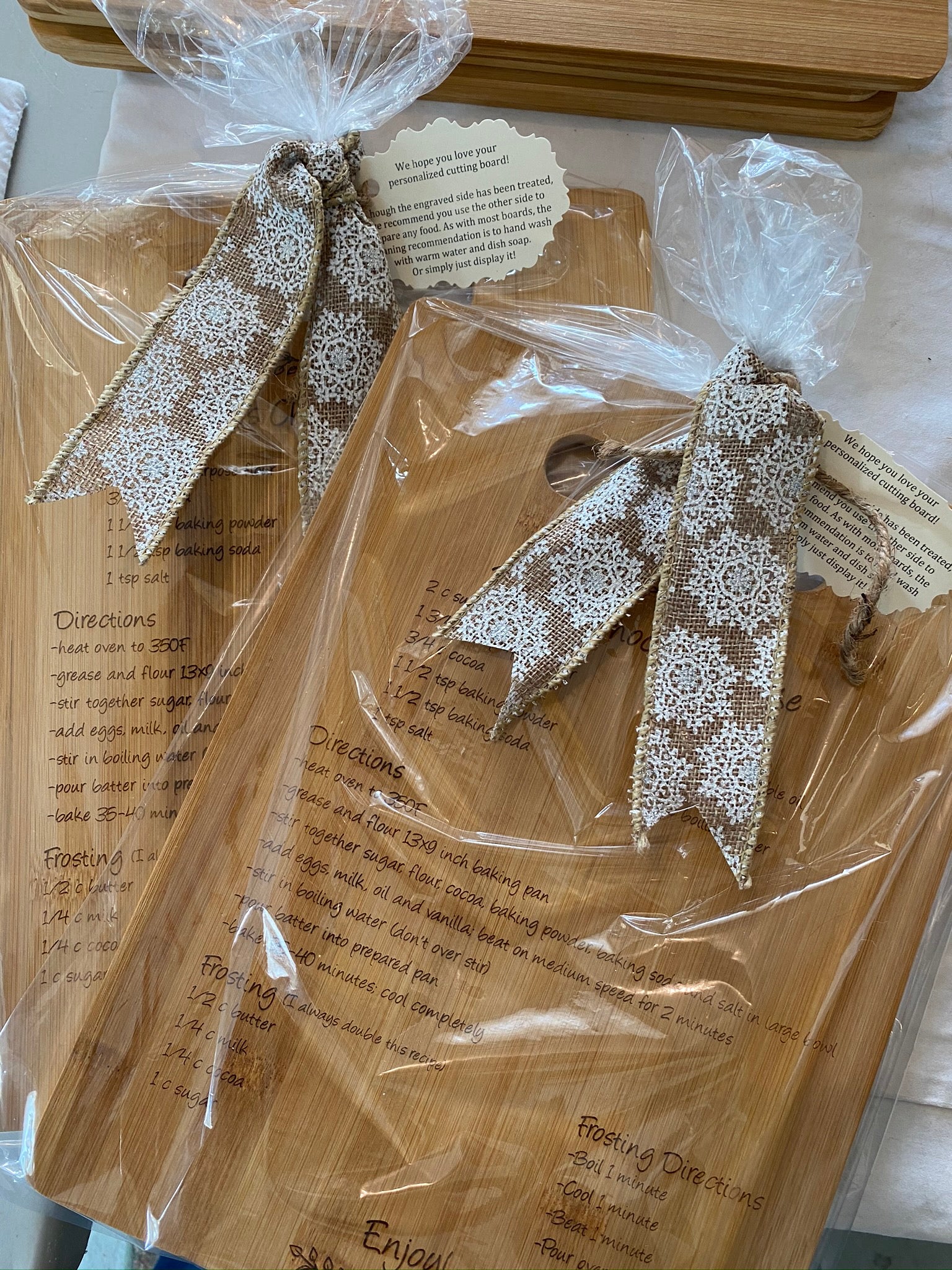
Credit: mountainedgedesigns.com
Common Mistakes When Wrapping A Cutting Board
Even experienced cooks make errors when wrapping their boards. Avoid these common pitfalls:
- Wrapping a Wet Board: Traps moisture and breeds bacteria.
- Loose Wrapping: Gaps let juices seep under, defeating the purpose.
- Overusing Tape: Tape residue can be hard to clean and may be unsafe if it touches food.
- Not Replacing Wrap: Reusing soiled wrap increases contamination risk.
- Ignoring Board Damage: Wrapping won’t fix deep gouges or cracks; repair first.
- Using the Wrong Material: Beeswax wraps, for example, should never be used with raw meats.
- Not Cleaning Reusables: Silicone mats and board covers must be washed between uses.
A small detail, such as not drying your board fully, can make the whole effort useless.
Cleaning And Maintaining Wrapped Cutting Boards
Keeping your wrapped board clean is as important as the wrapping itself.
For Disposable Wraps
- Always remove and throw away wraps after use, especially after preparing raw foods.
- Wipe the board with a damp towel before re-wrapping.
For Reusable Wraps
- Wash silicone mats, board covers, and beeswax wraps with hot, soapy water after every use.
- Dry completely before storing or reusing.
- Inspect for any cuts or damage. Replace if necessary.
For The Board Itself
- Remove wraps regularly to check the board for damage or stains.
- Oil wooden boards occasionally to prevent drying and cracking.
- Sanitize your board every week with vinegar or diluted bleach (for plastic boards).
When To Wrap And When Not To
Wrapping isn’t always necessary. Here’s when you should wrap your board, and when you can skip it:
- Wrap when preparing raw meats, fish, or foods that stain (beets, turmeric).
- Wrap when sharing boards between people (e.g., in a commercial kitchen).
- Wrap if you want faster cleanup or are making multiple dishes quickly.
- Don’t wrap if your board is already heavily damaged or warped.
- Don’t wrap for decorative or serving boards—these are better left unwrapped.
- Don’t wrap with materials that aren’t food-safe or are hard to clean.
Eco-friendly Wrapping Options
Many cooks want to reduce kitchen waste. Here are some greener alternatives to traditional plastic wrap:
- Beeswax wraps: Best for vegetables, bread, and light use.
- Silicone mats: Last for years and easy to wash.
- Compostable parchment paper: Breaks down faster than plastic.
- Reusable board covers: Durable and washable.
Choosing eco-friendly wraps not only helps the planet but can save you money over time.
Safety And Food Regulations
Food safety organizations recommend using separate cutting boards or covers for raw meats and ready-to-eat foods. In some countries, commercial kitchens are inspected for cross-contamination risks. Proper wrapping helps you meet these safety standards.
For example, the US Food and Drug Administration (FDA) suggests regular cleaning and sanitizing of both boards and wraps. Following these guidelines protects your health and anyone eating your food.
Real-world Examples And Case Studies
Many restaurants wrap their boards to handle the fast pace and strict hygiene rules. For instance, a sushi chef may wrap boards in plastic film multiple times a day to switch between fish and vegetables quickly. In family kitchens, parents often use silicone mats to make cleanup after baking with kids much easier.
A 2022 survey found that 63% of commercial kitchens use some form of wrap or cover on their cutting boards, with plastic wrap and silicone mats being the most popular. Home cooks are catching on, with eco-friendly wraps growing in popularity by 17% over the last three years.
Cost And Availability Of Wrapping Materials
Wrapping your cutting board doesn’t have to be expensive. Here’s a quick look at average costs in the US:
| Material | Average Cost | Where to Buy |
|---|---|---|
| Plastic Wrap (200 sq. ft.) | $3–$6 | Supermarkets, online |
| Silicone Mat (per mat) | $10–$20 | Kitchen stores, Amazon |
| Reusable Board Cover | $8–$15 | Specialty stores |
| Beeswax Wrap (set) | $12–$18 | Eco shops, online |
| Parchment Paper (75 sq. ft.) | $4–$7 | Supermarkets |
While plastic wrap is cheapest per use, silicone mats and reusable covers cost less in the long run.
Troubleshooting: When Wrapping Goes Wrong
Even with the best intentions, problems can happen. Here’s how to fix common issues:
- Wrap Slides Off: Try a non-slip mat or a slightly damp paper towel under the board.
- Wrap Tears Easily: Double up on thin wraps, or switch to a sturdier material.
- Wrap Won’t Stick: Clean the board’s surface, or use a bit of tape on the underside (not where food touches).
- Wrap Warps the Board: Always let wooden boards dry fully before wrapping, and avoid storing them wrapped for long periods.
If a wrap keeps failing, it might not be the right size or material for your board.

Credit: kindideashomeandgift.com
Extra Tips For Professional And Home Chefs
- Batch Prep: If you’re prepping several dishes, use pre-cut wraps for faster transitions.
- Allergy Safety: For guests with food allergies, wrapping your board provides an extra layer of protection.
- Teaching Kids: Wrapping a board can help teach children about kitchen hygiene and safety in a hands-on way.
- Travel and Picnics: Wrap boards for outdoor cooking to keep them clean and ready to use.
Frequently Asked Questions
How Often Should I Change The Wrap On My Cutting Board?
For disposable wraps, replace after every use—especially when working with raw meat or fish. Reusable wraps like silicone mats should be washed after each use to prevent bacteria buildup.
Can I Use Aluminum Foil To Wrap My Cutting Board?
While aluminum foil is food-safe, it’s not ideal for cutting boards. It can tear easily with knife pressure and may leave small bits of metal in your food. Stick to wraps designed for kitchen use.
Is Wrapping A Cutting Board Safe For All Types Of Food?
Yes, if you use a food-safe wrap and follow good hygiene practices. Avoid using beeswax wraps for raw meat or fish, as they cannot be sanitized as well as plastic or silicone options.
How Do I Know If My Wrap Is Food-safe?
Look for products labeled “food-safe” or “BPA-free.” Avoid wraps with strong odors or unknown chemicals. When in doubt, check the manufacturer’s website or trusted sources like FDA Food Safety.
What’s The Best Way To Store A Wrapped Cutting Board?
Store upright to allow air circulation and prevent moisture from getting trapped. Avoid stacking heavy items on top. For longer storage, remove wraps and wash the board thoroughly.
Wrapping a cutting board is a simple step that can make your kitchen safer, cleaner, and more efficient. With the right materials and care, you’ll enjoy longer-lasting boards and healthier meals—every time you cook.