
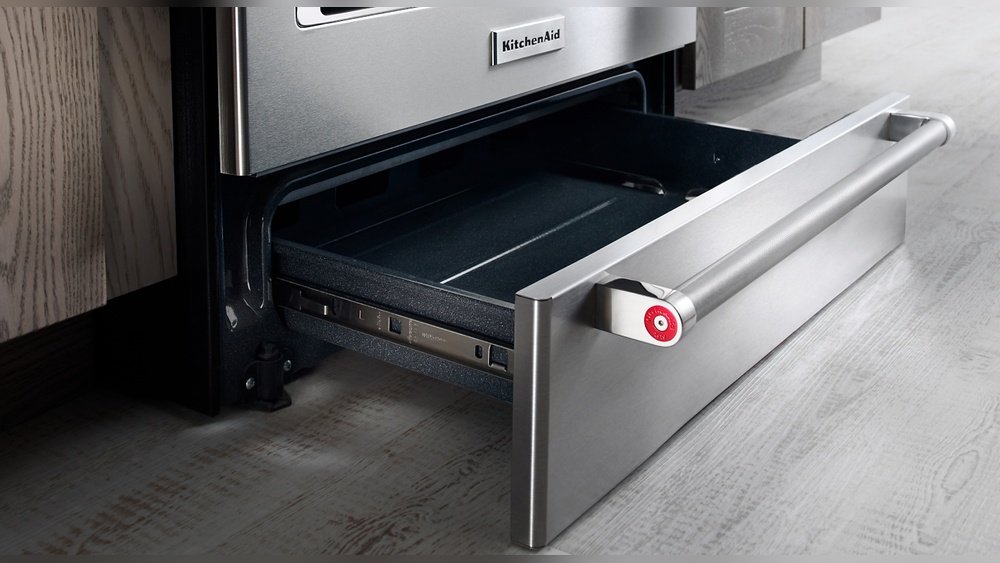
Using an oven warming drawer can transform your cooking and hosting experience. Many people see this thin drawer below their oven and only use it for storage, missing its real purpose. The warming drawer is a powerful feature designed to keep food at the perfect temperature, help with meal timing, and even support special cooking tasks. If you’ve never used it or only used it for pots and pans, there’s much more you can do. Whether you want to serve dinner hot for everyone or try advanced baking tricks, understanding your warming drawer’s potential can save you time, reduce stress, and impress your guests. Let’s dive into everything you need to know to confidently use your oven warming drawer for better meals and happier gatherings.
What Is An Oven Warming Drawer?
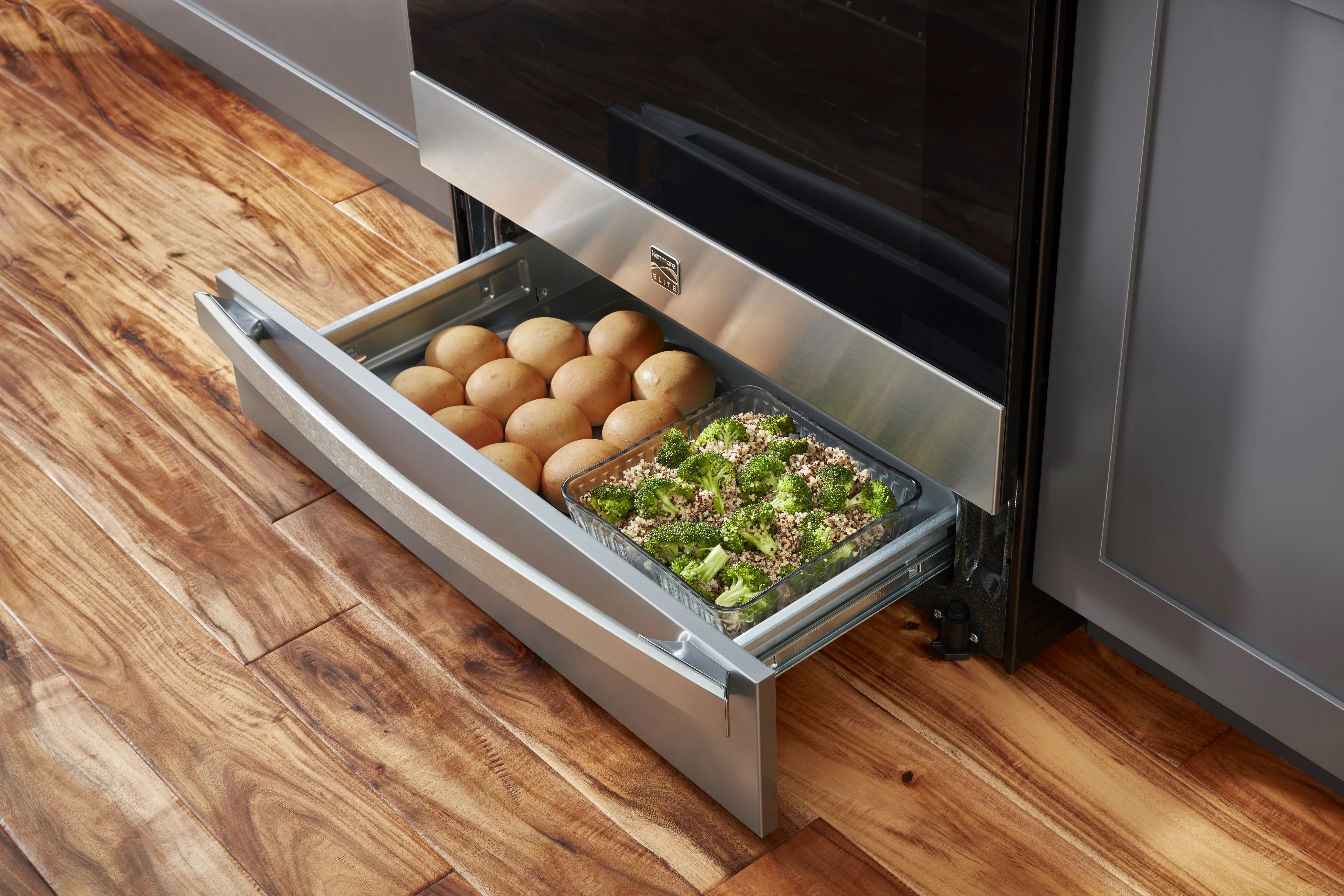
An oven warming drawer is a built-in compartment, usually found beneath the main oven cavity. Its main purpose is to keep cooked food warm without drying it out or overcooking it. Unlike reheating in a microwave or oven, the warming drawer uses gentle, consistent heat—usually between 80°F and 200°F (27°C–93°C)—to maintain temperature and texture.
Warming drawers can also be used for other tasks, such as proofing dough, warming plates, or even slow-cooking certain foods. Models differ by brand, size, and features, but the basic function remains the same: to keep food at serving temperature until you’re ready to eat.
Main Features And Settings
Most warming drawers come with several temperature settings. These may be labeled as Low, Medium, High, or by actual temperatures. Some have moisture controls or humidity settings to keep food from becoming dry. Higher-end models might include timers, delay starts, and specific modes for bread proofing or slow cooking.
Common features include:
- Temperature control (usually 3–5 settings)
- Moisture or humidity control
- Removable racks or trays
- Automatic shut-off or timers
- Interior lighting (in some models)
It’s important to read your oven’s manual to understand the specific features of your warming drawer.
How To Use Your Oven Warming Drawer
1. Preheat The Warming Drawer
Before placing food inside, always preheat the drawer. Most warming drawers heat up within 10–20 minutes. Select the right temperature based on the food you’re warming. For example, bread and pastries do well at lower settings, while casseroles or roasted meats may need higher heat.
2. Choose The Right Temperature Setting
Temperature selection is critical. Here’s a general guide:
- Low (80–100°F / 27–38°C): For delicate items like bread, pastries, or proofing dough.
- Medium (120–150°F / 49–66°C): For most cooked foods, side dishes, and vegetables.
- High (170–200°F / 77–93°C): For keeping meats or casseroles hot, or for heating plates.
Tip: Some foods can dry out if kept too hot for too long. When in doubt, use a lower setting.
3. Arrange Food Properly
Place food in oven-safe dishes. If you’re warming multiple items, use the racks to create layers, but don’t overcrowd. Leave space for hot air to circulate. Cover dishes loosely with foil or lids to retain moisture, unless you want the surface to stay crisp.
4. Set A Timer
If your warming drawer has a timer, set it according to the type of food and how long you want to keep it warm. While most foods can stay warm for 30–60 minutes without losing quality, some models allow for longer warming times.
Always check food temperature before serving.
5. Use The Moisture Control
Not all warming drawers have this feature, but if yours does, use it to keep foods from drying out. For example, set humidity high for bread and low for fried foods.
6. Keep Safety In Mind
Do not use plastic or paper containers. Always use oven-safe ceramic, glass, or metal dishes. Use oven mitts when removing hot items, and never let children play near the warming drawer.
Common Ways To Use A Warming Drawer
Keeping Cooked Food Warm
The most popular use is holding cooked dishes at serving temperature while you finish other recipes. This is especially helpful when cooking large meals, like holiday dinners, where timing is crucial.
Warming Plates And Bowls
Warm plates help keep food hot longer at the table. Place empty, oven-safe dishes in the warming drawer for 15–20 minutes before serving.
Proofing Bread Dough
The gentle heat and controlled environment make warming drawers ideal for proofing dough. Set to Low and place a covered bowl of dough inside. It speeds up rising and produces great results.
Melting Or Softening Ingredients
Use your warming drawer to melt butter, soften chocolate, or bring ingredients like cream cheese to room temperature. The stable heat prevents burning or separation.
Slow Cooking And Low-temperature Cooking
Some advanced warming drawers can be used for slow cooking small cuts of meat, stews, or casseroles. Always check your manual for specific guidelines, as not all models are designed for this.
Defrosting Frozen Foods
If you need to thaw food gently, use the lowest setting. This is safer than leaving food at room temperature, as it keeps it above the danger zone for bacteria.
Serving Buffet-style Meals
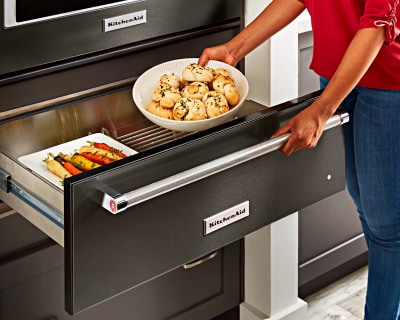
For parties or family gatherings, keep several dishes warm and ready to serve directly from the warming drawer. Use oven-safe serving dishes for easy transfer to the table.
Reheating Leftovers
While not as fast as a microwave, a warming drawer can gently reheat leftovers without drying them out or making them rubbery.
Credit: www.heinsappliance.com
Foods That Work Best In A Warming Drawer
Not all foods are suitable for holding in a warming drawer. Here’s a quick reference:
| Food Type | Warming Drawer Suitability | Tips |
|---|---|---|
| Bread and Rolls | Excellent | Cover loosely to retain moisture |
| Roasts and Steaks | Very Good | Let rest before placing in drawer |
| Vegetables | Good | Use covered dish, avoid overcooking |
| Fried Foods | Fair | Keep uncovered for crispness |
| Pasta | Good | Cover and add a little sauce or water |
| Fish | Poor | Can dry out quickly |
| Soups/Stews | Excellent | Use covered, heat-safe containers |
| Pizza | Good | Best when kept uncovered |
Mistakes To Avoid
- Overheating Food: Setting the drawer too high can dry out or overcook your dishes.
- Storing Food Too Long: Most foods are best kept warm for less than 2 hours. Longer can affect texture and safety.
- Using Non-Oven Safe Containers: Avoid plastic, paper, or non-heat-resistant dishes.
- Overcrowding: Packing too many items reduces heat circulation and causes uneven warming.
- Ignoring Moisture Control: If your drawer has this, use it to match the food type.
- Forgetting to Preheat: Cold drawers make food lose heat instead of staying warm.
- Neglecting Safety: Never use the drawer for storage while it’s on, and always supervise its use.
Comparison: Warming Drawer Vs. Other Warming Methods
To see why a warming drawer can be superior, compare it with other kitchen appliances:
| Method | Pros | Cons |
|---|---|---|
| Warming Drawer | Gentle heat, keeps texture, multi-use, large capacity | Uses energy, takes up space |
| Oven (Low Heat) | Available in most kitchens | Can overcook/dry out food, less efficient |
| Microwave | Very fast | Makes some foods rubbery, uneven heating |
| Chafing Dish | Portable, good for parties | Needs fuel, open flames can be a hazard |
Cleaning And Maintenance
Keeping your warming drawer clean is simple but important for safe use:
- After Each Use: Allow the drawer to cool, then wipe with a damp cloth. For stuck-on food, use a mild soap and non-abrasive sponge.
- Monthly: Remove racks and wash them separately. Check for spills under the drawer.
- Odors: Place a bowl of baking soda in the drawer overnight to remove smells.
- Do Not Immerse: Never pour water directly into the drawer, and do not immerse electrical parts.
Credit: www.kitchenaid.com
Advanced Uses For The Warming Drawer
Proofing And Fermenting
Beyond bread dough, you can use your warming drawer for yogurt making or fermenting batters (such as dosa or idli) that require gentle heat.
Slow Cooking Small Dishes
Some high-end warming drawers can cook stews, confit, or even sous-vide style dishes at low, controlled temperatures. Always consult your manual for safe temperature and time settings.
Delicate Desserts
Desserts like chocolate soufflés or meringues sometimes need gentle holding before serving. The warming drawer is ideal, as it prevents collapse or overbaking.
Keeping Drinks Warm
If you enjoy entertaining, keep coffee mugs, tea cups, or even pitchers of cider warm for guests. Always use heatproof containers.
Warming Towels
For a spa-like experience, wrap towels in foil and warm them before serving with a meal or after a bath.
How To Choose Dishes And Containers
Pick containers that fit your warming drawer’s size and can handle gentle heat:
- Material: Use glass, ceramic, or metal. Avoid plastic or wooden dishes.
- Lids: For moist foods, use tight-fitting lids or cover with foil.
- Size: Don’t use containers so large they block air flow.
Some brands sell specialized warming drawer accessories, but most standard ovenware works well.
Credit: www.gaggenau.com
Energy Efficiency And Safety
Warming drawers are more energy-efficient than reheating full ovens or keeping burners on. However, use them wisely:
- Do not leave on for hours needlessly
- Do not use as a storage drawer while hot
- Check for automatic shut-off features
Safety tip: Always keep the warming drawer closed during use, both for energy savings and to prevent burns.
Real-life Examples And Scenarios
Family Dinners
If you’re cooking a big meal and timing is tricky, finish sides and place them in the warming drawer while you complete the main dish. Everything comes to the table hot and ready.
Holiday Gatherings
Hosting a party? Prepare appetizers in advance and keep them in the drawer so guests always enjoy fresh, warm snacks.
Baking Bread In Winter
Cold kitchens can slow dough rising. The warming drawer speeds up proofing, ensuring consistent results even in chilly weather.
Entertaining Large Groups
When everyone arrives at different times, keep servings warm in the drawer. No more cold plates for latecomers.
How To Use A Warming Drawer For Meal Prep
Busy schedules mean meal prepping in advance. A warming drawer can help:
- Batch cook meals and keep them warm for family members arriving home at different times
- Warm breakfast items (pancakes, eggs) while preparing the rest
- Keep sauces warm without simmering on the stove
This flexibility helps reduce stress on busy days.
Troubleshooting Common Issues
Food Dries Out
- Lower the temperature or use moisture control
- Cover food with a lid or foil
Uneven Warming
- Avoid stacking dishes
- Use racks to separate layers
- Don’t overcrowd
Drawer Won’t Heat
- Check the power connection and controls
- Refer to your manual or contact service
Strange Odors
- Clean regularly
- Avoid storing food for too long
Comparing Warming Drawer Brands And Models
With many options on the market, compare before buying:
| Brand | Key Features | Capacity | Special Modes |
|---|---|---|---|
| KitchenAid | Moisture control, proofing, slow cook | 1.5–2.0 cu. ft. | Bread proof, slow cook |
| Wolf | High-end, temperature precision | 1.6 cu. ft. | Multiple food modes |
| GE | Budget-friendly, simple controls | 1.4 cu. ft. | None or basic |
| Bosch | European style, plate warming | 1.4–2.0 cu. ft. | Bread proof, plate warming |
When selecting a model, consider your kitchen space, what foods you’ll warm, and whether you want special features like moisture control.
Two Insights Most Beginners Miss
- Proofing and fermenting: Most people don’t realize their warming drawer can act as a mini proofer for dough or a safe fermenting spot for yogurt and batters. This is much more reliable than leaving dough on a kitchen counter, especially in winter.
- Warming plates for serving: Many home cooks focus only on the food, not the dishes. Warming plates in the drawer keeps food hotter at the table, giving a restaurant-quality experience. This small detail can make a big difference for meals with sauces or delicate items.
When Not To Use The Warming Drawer
- For raw food: Never use it to cook raw meats unless the manual says it’s safe for slow cooking.
- For reheating large batches quickly: It’s not a substitute for a microwave or oven if you need fast, high heat.
- For non-cooking storage: Don’t keep plastic items, cookbooks, or towels in the drawer when it’s in use.
Warming Drawer Vs. Steam Oven And Sous Vide
A warming drawer is often compared to other modern kitchen tech:
- Steam oven: Adds moisture, great for reheating, but usually smaller and more expensive.
- Sous vide: Very precise, but requires bags and water bath. Warming drawer is simpler for keeping food ready to serve.
Each has its place, but the warming drawer is the most convenient for everyday warming and plate preparation.
Where To Learn More
For detailed technical information on specific oven brands and models, check the manufacturer’s website or a trusted resource like Wikipedia for a general overview.
Frequently Asked Questions
Can You Cook Food In A Warming Drawer?
Most warming drawers are designed only to keep food warm, not to cook it from raw. However, some high-end models have a slow cook function. Always check your manual before trying to cook food in the drawer.
How Long Can Food Stay In A Warming Drawer?
For best quality and safety, keep food in the warming drawer for no more than 1–2 hours. Some dishes can hold longer, but texture and flavor may suffer. Never leave food in the drawer overnight.
What Temperature Should A Warming Drawer Be Set At?
Use Low (80–100°F) for delicate foods, Medium (120–150°F) for most dishes, and High (170–200°F) for meats and casseroles. Refer to your manual for recommended settings for different foods.
Can You Proof Dough In A Warming Drawer?
Yes, warming drawers are great for proofing bread dough. Set to the lowest heat and place a covered bowl inside. It provides a stable, warm environment that helps dough rise faster and more evenly.
Is It Safe To Put Plates Or Cups In The Warming Drawer?
Yes, it is safe as long as they are oven-safe. Do not use plastic or wooden dishes. Warming plates helps keep food hot longer at the table.
Using your oven warming drawer can make your cooking, entertaining, and baking much easier and more enjoyable. With these tips and knowledge, you’ll never look at that bottom drawer the same way again.