
Keeping your stainless steel stovetop spotless can seem like a daily battle. Grease splatters, water marks, and burnt-on food quickly dull that shiny surface. But with the right approach, you can restore your stovetop’s original shine and make cleaning less of a chore. Understanding the best methods, tools, and products not only keeps your kitchen looking great but also helps your appliances last longer. In this guide, you’ll discover practical steps, pro tips, and common pitfalls to avoid. Whether you’re dealing with everyday messes or stubborn stains, this article gives you everything you need for a sparkling result.
A stainless steel stovetop isn’t just about looks—it’s a big investment in your kitchen. Many people don’t realize that regular cleaning does more than keep things shiny. It prevents wear, protects against rust, and helps your stovetop function better over time.
You’ll also save money on repairs and replacements. Even if you’re busy, learning simple routines can make a huge difference. This guide is designed to help you get results quickly, even if you’ve struggled with cleaning in the past.
Why Stainless Steel Stovetops Need Special Care
Stainless steel is popular because it’s durable, resistant to rust, and sleek in appearance. However, it’s not immune to fingerprints, smudges, and scratches. Using the wrong cleaner or technique can leave streaks or even permanent damage. Stainless steel’s surface has a grain—tiny lines running in one direction—which traps residue if not cleaned properly. Understanding this grain and how to treat it is key to keeping your stovetop looking its best.
Unlike ceramic or glass stovetops, stainless steel reacts easily to certain chemicals and rough tools. For example, a small mistake—like using steel wool—can leave scratch marks that never go away. Also, some foods and liquids are surprisingly harsh. Tomato sauce, lemon juice, and salt can all cause pitting or dull spots if left on the surface too long. The grain of stainless steel is important: always clean following the direction of the lines, not against them. This simple habit keeps your stovetop smooth and free of visible scratches.
Non-obvious insight: Many people don’t realize that even water droplets, if left to dry, can leave behind minerals that build up over time. These spots can look like stains and are much harder to remove if ignored. Wiping your stovetop dry after every cleaning helps prevent this problem and keeps the surface looking new.
Essential Supplies And Products
Before you start, gather these basic supplies:
- Microfiber cloths: Soft and lint-free, they won’t scratch or leave fibers behind.
- Soft sponges: Avoid abrasive pads that can scratch.
- Mild dish soap: Effective for grease without harming the steel.
- White vinegar: Cuts through residue and adds shine.
- Baking soda: A gentle abrasive for tough stains.
- Spray bottle: For misting vinegar or water.
- Toothbrush or small brush: For crevices and knobs.
- Rubber gloves: Protects your hands.
- Paper towels: For drying, if preferred.
Optional but helpful:
- Specialty stainless steel cleaner: For a polished finish.
- Olive oil or mineral oil: Adds shine and helps repel fingerprints.
Don’t overlook the importance of good-quality microfiber cloths. Cheaper cloths can leave lint or even scratch the surface if they have rough edges. Investing in a few high-quality cloths makes cleaning easier and helps achieve a streak-free finish.
If you have children or pets at home, consider using unscented or eco-friendly soaps. These are less likely to cause allergies and are better for the environment. If you prefer commercial cleaners, check labels for “stainless steel safe” and food-contact approval.
Non-obvious tip: Keep a small kit of these supplies under your sink or close to the stove. It saves time and encourages regular cleaning since everything is within easy reach.
Step-by-step Cleaning Guide
Step 1: Turn Off And Cool Down
Never clean a hot stovetop. Wait until it’s cool to the touch to avoid burns or damaging the surface.
Heat can cause cleaning products or water to dry too quickly, leaving streaks or stains. If you’re in a hurry, speed up cooling by opening a window or turning on your kitchen fan.
Step 2: Remove Grates And Burner Caps
Take off any removable grates, burner caps, and knobs. Most can be lifted off easily. Soak them in warm, soapy water while you clean the main surface.
This step is often skipped, but it really helps. Removing these parts gives you full access to the surface and prevents grime from building up around the burners. If you haven’t cleaned underneath the grates in a while, you might find sticky residue that regular wiping misses.
Tip: Some knobs can be tricky to remove. Check your stove’s manual if you’re unsure. Never force parts off, as they can break or bend.
Step 3: Dry Dust And Debris
Using a dry microfiber cloth, gently wipe away any loose crumbs or debris. This prevents scratching during deeper cleaning.
Even small pieces of salt, sugar, or food can scratch stainless steel if rubbed in. A quick dry dusting first makes the rest of the cleaning process safer and more effective.
Step 4: Tackle Grease And Surface Stains
Mix a few drops of mild dish soap with warm water. Dampen a soft sponge or cloth, then wring it out. Wipe the surface, following the direction of the grain. Rinse the sponge, wipe again, and dry with a clean towel.
Most daily messes—like oil splatters or sauce spills—come off with dish soap and water. For best results, don’t soak the stovetop. Too much water can get into seams and cause rust or electrical issues. Always wring out your cloth or sponge so it’s damp, not dripping.
If you see shiny, oily marks after cleaning, they’re often from not rinsing the soap fully. Go over the area again with a damp, clean cloth, then dry thoroughly.
Step 5: Remove Stubborn Spots
For dried-on food or grease, sprinkle a little baking soda directly onto the spot. Add a few drops of water to make a paste. Let it sit for 10–15 minutes, then gently rub with a soft cloth. Avoid scrubbing too hard—baking soda is mild, but too much pressure can still leave marks.
Stubborn stains often happen when food gets burnt onto the stovetop. Be patient—sometimes you need to repeat this step. For very sticky spots, try placing a warm, wet cloth over the baking soda paste for a few minutes to soften the residue before wiping.
Tip: Avoid using your fingernails or sharp objects to scrape. Even though it’s tempting, you can easily scratch the surface.
Step 6: Clean Crevices And Knobs
Dip a toothbrush or small brush in soapy water. Gently scrub around burner bases, knobs, and seams. Rinse and wipe dry.
These areas collect grease and crumbs. A toothbrush gets into tight spots where a regular cloth can’t reach. If knobs are removable, clean underneath and around them as well.
For especially greasy buildup, use a bit of baking soda paste on the brush. Rinse well to avoid leaving behind powder.
Step 7: Disinfect And Shine
Fill a spray bottle with white vinegar. Mist the stovetop and wipe with a clean microfiber cloth. Vinegar not only disinfects but helps remove water spots and streaks.
Vinegar is safe, natural, and leaves a fresh smell. It’s especially good for removing any last traces of grease or soap residue. Make sure to wipe in the direction of the grain, and always dry afterward. If you don’t like the smell of vinegar, it disappears quickly as the surface dries.
Step 8: Polish (optional)
For extra shine, apply a few drops of olive oil or a dedicated stainless steel polish to a soft cloth. Buff the surface, always moving with the grain.
Polishing is optional but makes a big difference if you want a “like-new” look. Use only a small amount of oil—too much can attract dust and fingerprints. Specialty polishes are designed for stainless steel, but olive or mineral oil work well for most people.
Non-obvious insight: If you have pets or small children, olive oil is safer than some polishes, since it’s food-safe and non-toxic.
Step 9: Replace Grates And Burner Caps
Dry all parts completely before putting them back. Wet grates can trap moisture and cause rust.
Take a moment to check that burner caps are seated correctly. If they’re not, your stovetop may not light or heat evenly.
How Often Should You Clean?
Regular maintenance keeps your stovetop looking new. Here’s a simple cleaning schedule:
- Daily: Wipe spills and splatters after cooking.
- Weekly: Deep clean with soap, water, and vinegar.
- Monthly: Remove grates and clean burner parts thoroughly.
- As needed: Tackle tough stains or polish.
If you cook every day, try to wipe the stovetop after each meal. Even a quick two-minute clean prevents messes from hardening. For households with lots of frying or baking, deep cleaning may need to happen more often.
Tip: Set a reminder on your phone or calendar for your monthly deep clean. Regular routines make cleaning easier and faster each time.

Credit: www.youtube.com
What To Avoid When Cleaning Stainless Steel
Even with the best intentions, it’s easy to make mistakes that ruin your stovetop’s finish. Here are common errors:
- Abrasive pads or powders: Steel wool and harsh scouring powders scratch the surface.
- Chlorine bleach: Can discolor and weaken stainless steel.
- Hard water: Leaves spots if not dried quickly.
- Scrubbing against the grain: Causes visible scratches.
- Letting acid or salt sit: Tomato sauce, vinegar, and saltwater can etch if left too long.
Some cleaning products labeled as “all-purpose” are actually too harsh for stainless steel. Always read the label and test on a small, hidden area first if you’re unsure.
Non-obvious insight: Avoid using colored sponges or cloths that may bleed dye when wet. The color can transfer to the stovetop and leave stains that are hard to remove.
Comparing Popular Cleaning Methods
Different homes use different cleaning methods. Here’s a quick comparison of popular approaches:
| Method | Effectiveness | Risk of Damage | Time Needed |
|---|---|---|---|
| Dish Soap & Water | Good for daily cleaning | Very low | 5-10 minutes |
| Baking Soda Paste | Excellent for stains | Low if gentle | 10-20 minutes |
| White Vinegar | Removes streaks | Low | 5 minutes |
| Commercial Cleaner | Best for shine | Low if product is for stainless steel | 5-10 minutes |
| Steel Wool | Removes tough grime | Very high | 5 minutes |
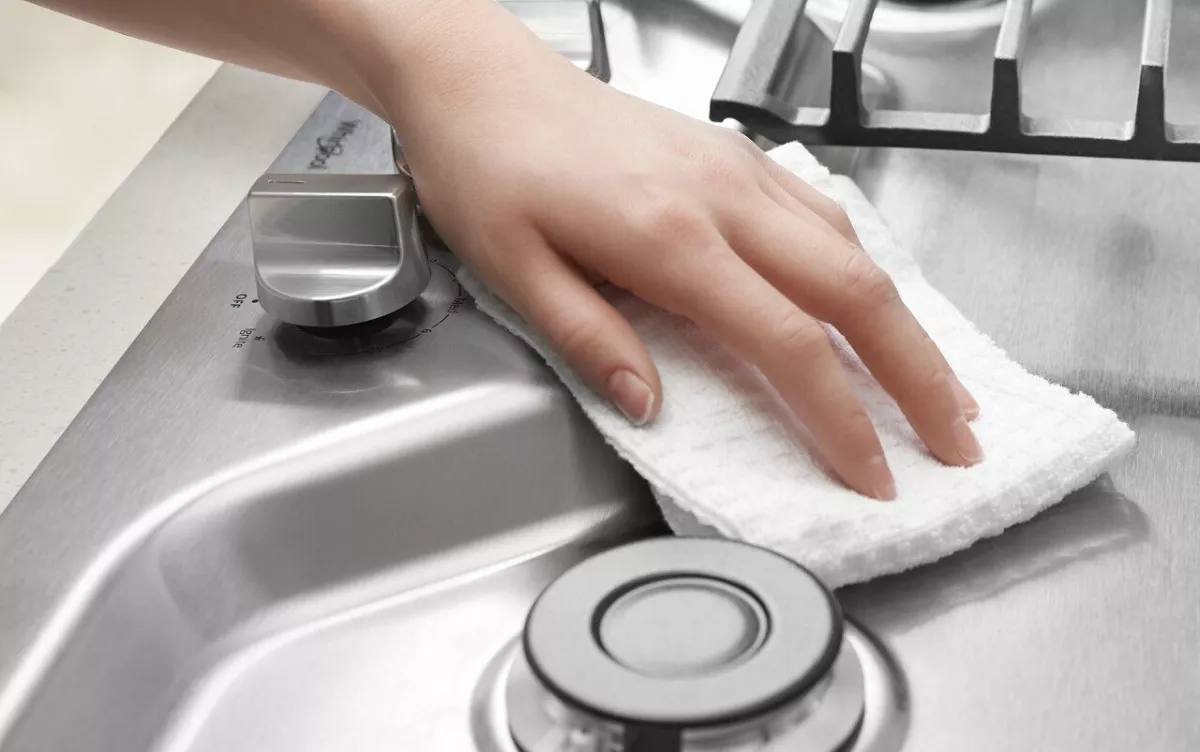
If you have children or pets, lean toward natural methods like soap and vinegar. Commercial polishes are best saved for a final shine, not daily cleaning.
Credit: www.whirlpool.com
Removing Burnt-on Stains
Burnt food can be a nightmare. Here’s how to handle it:
- Soften: Cover the stain with a damp, soapy cloth. Let it sit for 30 minutes to soften the residue.
- Gently scrub: Use a soft sponge with baking soda paste. Rub in a circular motion, but avoid metal pads.
- Rinse and repeat: Sometimes, you’ll need to repeat the process for stubborn spots.
- Try vinegar: For mineral deposits, spray with vinegar and let sit 5 minutes before wiping.
Non-obvious tip: Sometimes, plastic or wooden scrapers (made for nonstick pans) can help lift burnt bits without harming the steel.
If you’re dealing with burnt sugar or syrup, patience is key. Letting the area soak longer makes removal easier. Never use sharp knives or razor blades—they can leave deep scratches that can’t be fixed.
Tip: For regular cooks, a silicone scraper is a smart tool to keep in your cleaning kit.
Cleaning Stainless Steel Grates And Burner Caps
Most stovetop grates and burner caps are made from cast iron or enamel, not stainless steel. But the cleaning process is just as important.
- Soak: Place in warm, soapy water for 15–20 minutes.
- Scrub: Use a non-abrasive sponge or brush.
- Tough stains: For stuck-on food, sprinkle with baking soda and scrub gently.
- Dry thoroughly: Moisture leads to rust, especially on cast iron.
| Part | Best Cleaner | Drying Method |
|---|---|---|
| Stainless Steel Surface | Dish soap, vinegar | Microfiber cloth |
| Grates (Cast Iron) | Baking soda, water | Air dry or towel |
| Burner Caps | Dish soap, soft brush | Towel dry |
For stubborn rust on cast iron grates, try rubbing with a little vegetable oil after drying. This creates a protective coating and helps prevent future rust.
Polishing For A Professional Shine
Polishing isn’t just for looks—it helps repel future fingerprints and makes daily cleaning easier.
- Use a few drops of mineral oil or olive oil on a soft cloth.
- Buff the surface in the direction of the grain.
- Don’t overdo it—a light layer is enough.
- Specialty polishes are also available, but always check if they’re safe for food surfaces.
Non-obvious tip: Never spray oil directly onto the stovetop; always apply to the cloth first. This prevents uneven spots and oil buildup near burners.
For a deeper shine, use two cloths: one for applying oil, and the other for buffing. This two-step process spreads the oil evenly and removes excess. If you’re preparing for a party or photos, this extra step makes your kitchen look professionally cleaned.
Dealing With Discoloration And Rainbow Stains
Sometimes you’ll notice blue or rainbow-colored stains on your stainless steel. This happens from high heat or minerals in water.
- White vinegar can help. Soak a cloth in vinegar, lay it on the stain for 10–15 minutes, then wipe.
- For tough stains, use a stainless steel cleaner designed for removing discoloration.
If you use hard water, always dry the stovetop immediately after cleaning to prevent new stains.
Non-obvious insight: If discoloration doesn’t come off with vinegar, try a stainless steel cleaning paste. Apply gently, following the grain, and rinse well. Avoid using toothpaste or baking soda on these stains, as they can make the problem worse.
Natural Cleaning Alternatives
If you want to avoid chemicals, natural products work well.
- Lemon juice: Cuts grease and leaves a fresh scent. Mix with water and wipe.
- Baking soda and water: For regular cleaning and gentle scrubbing.
- Vinegar: As both cleaner and polisher.
Natural options are safe for families, but always test on a small area first.
You can also make your own all-purpose spray by mixing one part vinegar, one part water, and a few drops of lemon juice. This is effective for daily cleaning and leaves the kitchen smelling fresh.
Common Myths About Cleaning Stainless Steel
There’s a lot of bad advice online. Let’s clear up a few myths:
- Myth: You need expensive cleaners.
- Reality: Soap, water, and vinegar work as well as most commercial products.
- Myth: Stainless steel doesn’t stain.
- Reality: It’s stain-resistant, not stain-proof. Acidic foods and heat can cause marks.
- Myth: Any sponge will do.
- Reality: Only use non-abrasive sponges to avoid scratches.
Another common myth is that stainless steel is “self-cleaning. ” In reality, it hides fingerprints and grease well, but these still need regular cleaning to prevent long-term damage.
Quick Troubleshooting Guide
Sometimes, problems happen even when you’re careful. Here’s how to fix them:
| Problem | Cause | Solution |
|---|---|---|
| Streaks after cleaning | Rinsing with hard water or using dirty cloth | Wipe with vinegar, then dry with microfiber cloth |
| Persistent greasy film | Not enough soap or grease buildup | Use more dish soap and hot water |
| Scratches | Using abrasive pads or powders | Try stainless steel polish, but deep scratches may be permanent |
| Rust spots | Moisture trapped under grates | Dry parts thoroughly; use baking soda paste on spots |
If you accidentally scratch the surface, try buffing gently with a stainless steel polish. For small rust spots, baking soda paste often removes them. Large or deep rust may need professional repair.
How To Keep Your Stainless Steel Stovetop Clean Longer
Prevention is easier than constant cleaning. Here’s how to keep your stovetop looking good:
- Wipe spills immediately: Especially acidic foods like tomato sauce or lemon juice.
- Cover pots: Reduces splatters.
- Clean after each use: A quick wipe prevents buildup.
- Use the right tools: Microfiber cloths and gentle cleaners.
- Polish once a week: Adds a protective layer.
Non-obvious insight: If you cook a lot of fried or oily food, consider a splatter guard for pans. This simple tool cuts down on grease mess on your stovetop.
Another clever habit is to keep a small spray bottle of vinegar and water mix by the stove. After each cooking session, a quick spray and wipe keeps your stovetop from getting sticky.

Credit: www.reddit.com
When To Call A Professional
Sometimes, damage is beyond at-home cleaning:
- Deep scratches or dents
- Burn marks that won’t lift
- Rust that spreads or doesn’t go away
Professional appliance repair services can sometimes restore the surface, but always ask for an estimate first. For most households, these cases are rare.
Tip: If your stovetop is still under warranty, check with the manufacturer before trying any repair or harsh cleaning product. This can help avoid voiding the warranty.
Environmental Impact Of Cleaners
Cleaning products wash down the drain and can harm the environment. Choose biodegradable soaps and avoid harsh chemicals. Natural cleaners like vinegar and baking soda are safe for most homes and septic systems.
If you need a stronger cleaner, use it sparingly and follow disposal instructions. For more on eco-friendly cleaning, check resources from the U.S. EPA Safer Choice program.
Reducing chemical use is also better for indoor air quality. When possible, open windows or use an exhaust fan during and after cleaning.
Stainless Steel Stovetop Cleaning: Real-life Example
Let’s look at a real-world scenario.
Anna loves cooking spicy food, but her stainless steel stovetop always ends up with yellow stains and greasy fingerprints. At first, she scrubbed hard with a scouring pad, but this left dull patches. After switching to a microfiber cloth, dish soap, and regular vinegar polishing, her stovetop now shines.
The key change? She started wiping up spills immediately and polishing once a week. Now, cleaning takes only five minutes a day—no more scrubbing or stress.
Her experience shows that simple routines make a big difference. Anna also learned to keep a small spray bottle of vinegar nearby, so she could quickly tackle new splatters before they hardened. This habit saved her hours of cleaning each month.
Frequently Asked Questions
Why Does My Stainless Steel Stovetop Still Look Streaky After Cleaning?
Streaks often come from hard water or using a dirty cloth. Always dry the surface with a clean microfiber towel after wiping. If streaks remain, mist with vinegar and wipe again in the direction of the grain.
Can I Use Lemon Or Citrus Cleaners On Stainless Steel?
Yes, but with caution. While lemon juice is a gentle, natural cleaner, acidic liquids can damage the surface if left on too long. Rinse well and dry after use.
What Should I Do If My Stovetop Has White Spots?
White spots usually come from mineral deposits in water. Spray with vinegar, let sit a few minutes, and wipe clean. Always dry the surface thoroughly to prevent future spots.
Is It Safe To Use Commercial Stainless Steel Cleaners?
Most commercial cleaners are safe, but check the label. Make sure the product is designed for kitchen use and food-contact surfaces. Avoid products with chlorine or abrasives.
How Can I Remove Discoloration From Heat?
Discoloration, like blue or rainbow stains, is common with high heat. Use a vinegar-soaked cloth or a stainless steel polish made for discoloration. Always clean and dry the area after using these products.
Caring for your stainless steel stovetop doesn’t have to be complicated. With the right routine, tools, and a few smart tricks, you’ll keep your kitchen centerpiece shining for years. Remember: gentle methods and quick action are your best friends in the battle against mess and stains.