
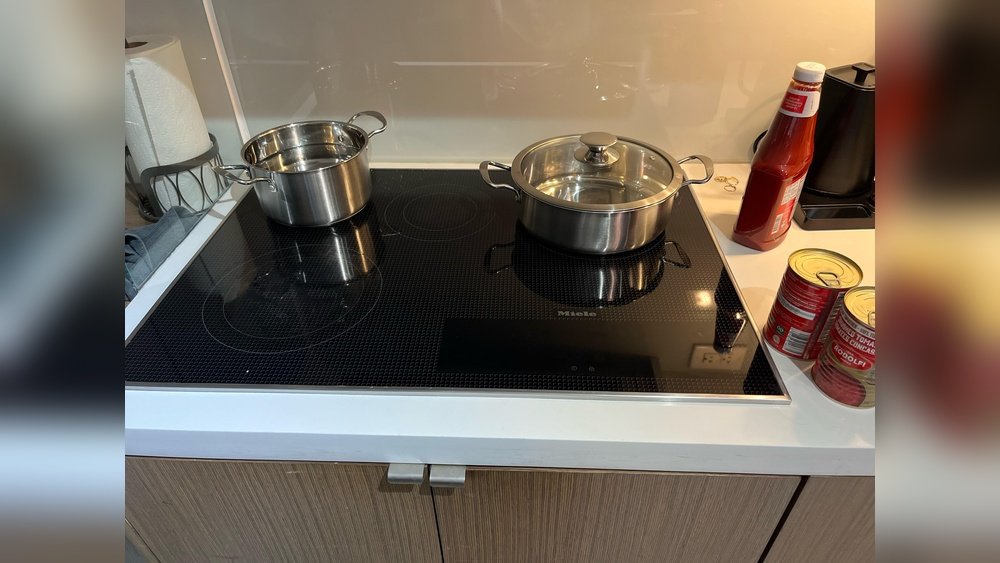
A Miele induction cooktop is not just a kitchen appliance—it’s a precise cooking tool that can transform your daily meals. Many people buy these cooktops for their speed, safety, and energy efficiency. However, to really enjoy their benefits, you need to know how to use them the right way. Induction cooking is different from gas or standard electric stoves, so you might need to adjust your usual habits.
If you are new to induction cooking, it’s normal to feel unsure. What do the symbols mean? How do you adjust the heat quickly? Which pans actually work? This detailed guide answers every question about using a Miele induction cooktop, from first-time setup to advanced features. You’ll learn step by step, including practical tips, safety advice, and ways to avoid common mistakes. By the end, you’ll feel confident using your Miele cooktop for everything from boiling water to gourmet meals.
What Is An Induction Cooktop?
An induction cooktop uses electromagnetic technology to heat pots and pans directly. When you place the right cookware on the cooking zone, the cooktop creates a magnetic field. This field makes the pot itself hot, while the glass surface stays cool except under the pan.
This is different from traditional electric or gas stoves, where heat is transferred from a hot coil or flame. Induction is much faster and more efficient because almost all the energy goes into the cookware. Plus, the control is very precise—you can simmer chocolate or boil water with equal ease.
Getting Started With Your Miele Induction Cooktop
Before you cook your first meal, you need to set up your Miele induction cooktop correctly. This makes sure the appliance works safely and efficiently.
Unpacking And Installation
- Remove all packaging, stickers, and protective films.
- The cooktop must be installed by a certified electrician. Never try to connect it to the power supply yourself.
- The cooktop should sit flat on a stable, heat-resistant surface.
- Make sure there’s enough space below the cooktop for ventilation, as recommended in the user manual.
- Do not place metal objects or aluminum foil on the cooktop’s surface.
First Power-up
- When you connect the cooktop to power, you may hear a beep or see lights blink. This is normal.
- Some models require you to select your language or set the clock the first time you turn them on. Use the touch controls to do this.
- Read the quick-start section of the Miele manual to check for any model-specific steps.
Pro Tip: If you ever see a series of blinking lights or error codes on startup, check your manual or visit the official Miele support site for troubleshooting.
Choosing The Right Cookware For Induction
Not every pot or pan works on a Miele induction cooktop. Only magnetic cookware will heat up. To test, stick a fridge magnet to the bottom of your pan. If it sticks well, it should work.
Best Materials
- Cast iron: Great for even heating. Heavy, but very reliable.
- Stainless steel: Most stainless steel pans work, but not all. They must have a magnetic base.
- Enamel-coated steel: Works well and is easy to clean.
Materials That Don’t Work
- Aluminum (unless it has a special magnetic base)
- Copper (same exception as above)
- Glass
- Ceramic
Quick Compatibility Table
Here’s how common cookware materials compare:
| Material | Induction Compatible? | Notes |
|---|---|---|
| Stainless Steel | Yes (if magnetic) | Check with a magnet |
| Cast Iron | Yes | Excellent heat retention |
| Enamel Steel | Yes | Heats quickly |
| Aluminum | No (unless with base) | Needs magnetic base |
| Copper | No (unless with base) | Needs magnetic base |
| Glass/Ceramic | No | Not suitable for induction |
Beginner Insight: Many new users forget to test all their pans. A set may have only some pots that work. Always check before cooking.
Understanding The Miele Induction Cooktop Controls
Miele cooktops are known for their touch controls and intuitive design. However, the symbols and sliders might seem confusing at first. Here’s how to understand the basics:
Main Control Panel
- Power On/Off: Usually marked with a circle and a line. Touch to start or shut off the cooktop.
- Cooking Zones: Each zone has its own set of controls—often a slider or plus/minus buttons to adjust the heat.
- Boost Function: Gives extra power for fast boiling (often shown as a “P” or “Boost” symbol).
- Timer: Lets you set how long a cooking zone stays on. When the time is up, the zone switches off.
- Lock Symbol: This child safety lock prevents accidental changes.
- Pause/Stop: Some models have a pause button to stop all heating temporarily.
How Touch Controls Work
- Always use your finger, not a utensil or cloth. The touch sensors won’t work with gloves.
- If your fingers are wet, the controls may not respond. Dry your hands for best results.
Example Of Miele Control Panel Symbols
| Symbol | Function | Common Use |
|---|---|---|
| 🔆 | Power Level | Set heat for each zone |
| 🕒 | Timer | Auto switch-off |
| 🔒 | Child Lock | Lock all controls |
| P | Power Boost | Quick boiling |
| ⏸️ | Pause | Pause all zones |
Non-Obvious Tip: If a cooking zone does not turn on, check if you have placed the pan correctly or if the child lock is active.

Credit: www.youtube.com
How To Use The Main Cooking Functions
Now that you know the controls, let’s see how to actually cook a meal. The process is simple, but there are key details that make a big difference.
Basic Steps For Everyday Cooking
- Turn On the Cooktop
- Touch the power button. Lights or symbols will show that the cooktop is ready.
- Place the Pot on the Cooking Zone
- The cooktop senses the pan. If you see a blinking symbol or hear a beep, the pan may not be suitable or centered.
- Select the Cooking Zone
- Touch the zone’s control area.
- Set the Power Level
- Use the slider or plus/minus buttons to choose the heat. Most Miele cooktops have 1 (low) to 9 or 12 (high), plus a boost option.
- Use the Timer (Optional)
- Set a timer if you want the cooking zone to switch off automatically.
- Finish Cooking
- Touch the power button to turn off the cooktop, or the specific zone’s button to turn off one zone.
Using The Power Boost Feature
If you need to boil water or heat up a pan very quickly, use the Power Boost. This gives a burst of energy, often cutting boiling time in half.
- Place your pan and select the zone.
- Press the “P” or Boost symbol.
- The power boost will stay on for a few minutes, then return to the highest normal setting.
Important: Don’t use Boost for deep frying or simmering. It’s only for short, intense heating.
Adjusting Heat And Cooking Techniques
Induction cooktops change temperature almost instantly. If you lower the heat, the pan cools quickly. This is great for recipes that need careful control, like sauces or melting chocolate.
- For boiling: Use high or Boost.
- For simmering: Use low to medium.
- For frying: Heat the pan first, then add oil and ingredients.
Beginner Mistake: Many people leave pans on Boost or high heat too long. This can burn food or damage cookware. Always adjust the heat for the cooking stage.
Advanced Features Of Miele Induction Cooktops
Miele’s premium models have smart features that can make your cooking easier and safer.
Automatic Pan Detection
The cooktop knows when you move a pan to another zone. On some models, the heat setting moves with the pan. This is called SmartSelect or TempControl.
Keeping Food Warm
Many Miele cooktops have a Keep Warm setting. This holds food at around 150°F (65°C)—just right for serving without overcooking.
Stop & Go Function
This lets you pause all heating zones at once. If you need to answer the door or phone, press the Stop & Go button. When you return, press again to continue cooking.
Safety Features
- Child Lock: Prevents kids from switching on the cooktop.
- Overheat Protection: If a pan gets too hot, the cooktop reduces power or switches off.
- Residual Heat Indicator: Shows an “H” on the display when the surface is still hot.
Extra Insight: Some Miele cooktops connect to compatible range hoods. The hood turns on or off depending on the cooktop’s activity.
Cleaning And Maintenance
One of the best things about induction cooktops is how easy they are to clean. Since the surface only heats under the pan, food rarely burns onto the glass.
Daily Cleaning
- Wait until the cooktop is cool (check the residual heat indicator).
- Use a soft cloth or sponge with warm, soapy water.
- Wipe away spills right after cooking for best results.
- Dry with a clean towel.
Tough Stains
- For stuck-on messes, use a cooktop scraper at a shallow angle. Never use steel wool or harsh abrasives.
- For water stains or fingerprints, a little white vinegar or a glass cooktop cleaner works well.
What To Avoid
- Don’t use oven spray, bleach, or strong chemicals.
- Never put heavy objects on the cooktop—they can crack the glass.
Non-Obvious Tip: Even small grains of salt or sugar can scratch the glass if pushed around. Always lift pots, don’t slide them.
Troubleshooting Common Issues
Even high-quality appliances like Miele cooktops can sometimes have problems. Here’s how to fix the most common ones:
Cooktop Doesn’t Turn On
- Check if the child lock is active.
- Make sure the cooktop is properly connected to power.
- Confirm the circuit breaker hasn’t tripped.
Cooking Zone Won’t Heat
- Is the pan induction-compatible?
- Is the pan centered on the zone?
- If the display blinks, try lifting and replacing the pan.
Error Codes
- “F” or blinking lights often mean a fault. Check the manual for your model’s codes.
- If the error doesn’t clear, unplug the cooktop for a few minutes, then try again.
Strange Noises
- A light humming or clicking is normal. It’s the sound of magnets working.
- High-pitched sounds may mean the pan is too light or warped. Try a heavier pan.
Surface Scratches
- Fine scratches are common with use and don’t affect performance.
- Deep cracks mean the cooktop needs repair.
If you need more help, the Miele official site has service and support sections with more details.
Credit: www.youtube.com
Energy Efficiency And Cost Savings
Induction cooktops are more efficient than gas or standard electric stoves. Up to 90% of the energy goes into cooking the food, compared to 60-70% for electric coils and only 40-55% for gas.
How Induction Saves Money
- Faster heating means you use less electricity.
- Less heat loss keeps your kitchen cooler.
- Precise control avoids burning or overcooking food.
Example: Boiling 2 liters of water can take about 4 minutes on induction, 7 minutes on an electric coil, and 8 minutes on gas.
Comparing Induction, Gas, And Electric Cooking
It helps to see how Miele induction cooktops compare to other options:
| Feature | Induction | Gas | Electric Coil |
|---|---|---|---|
| Speed | Very Fast | Fast | Medium |
| Control | Precise | Good | Slow to respond |
| Efficiency | High | Low | Medium |
| Safety | Very Safe | Risk of flame | Hot coils |
| Cleaning | Easy | Hard | Moderate |
| Cookware Needed | Magnetic | Any | Any |
Practical Insight: Induction cooktops are often safer for homes with kids because the surface does not get as hot and there is no open flame.
Tips For Getting The Best Results
Even with a premium cooktop, small adjustments can make your meals better and your cooking safer.
- Always use flat-bottomed pans. Warped or rounded pans won’t heat evenly.
- Keep the cooktop clean. Even small spills can interfere with pan detection or cause smells.
- Don’t use oversized pans. The pan should be about the same size as the cooking zone.
- Preheat carefully. Induction heats up fast, so don’t leave empty pans on high heat.
- Use the timer. It prevents overcooking if you get distracted.
- Let glass surfaces cool before cleaning. Check the residual heat indicator.
Advanced Tip: For recipes that need quick changes in heat (like stir-fries), induction gives you more control than gas. Practice adjusting the settings as you cook for perfect results.
Safety Reminders
Miele induction cooktops are designed with safety in mind, but following a few habits protects your family and your appliance.
- Don’t leave empty pans on high heat—they can warp or damage the cooktop.
- Always check for cracks in the glass. If you see one, stop using the cooktop and call for service.
- Use the child lock if there are young children at home.
- If you smell burning or see smoke (other than food), switch off power at the breaker and call a technician.
When To Call For Service
While most issues are easy to fix, some problems need professional help.
- Repeated error codes, even after restarting
- Cracks or chips in the glass surface
- No power, even when the outlet works
- Controls that don’t respond at all
Always use an authorized Miele service provider. DIY repairs can be dangerous and may void your warranty.
Frequently Asked Questions
How Do I Know If My Pots Will Work On A Miele Induction Cooktop?
If a magnet sticks to the bottom of your pot or pan, it should work. Most cast iron, carbon steel, and many stainless steel pans are compatible. If the magnet doesn’t stick, the pan will not heat up on induction.
Can I Use Regular Cleaning Sprays On My Miele Cooktop?
It’s best to use glass cooktop cleaners or mild soapy water. Strong chemicals can damage the surface. Always wait until the cooktop is cool, and never use abrasive sponges.
Why Does My Cooktop Make A Humming Or Clicking Noise?
A soft hum or click is normal. It’s the sound of the induction magnets working. If the noise is very loud or high-pitched, try using a heavier, flat-bottomed pan.
What Does The “p” Or “boost” Function Do?
The Boost function gives extra power to a cooking zone for a few minutes. It’s great for boiling water or heating a pan quickly. Don’t use it for simmering or frying—return to a normal setting after the pan is hot.
How Can I Keep My Cooktop Looking New?
Wipe spills right away, use only soft cloths, and avoid sliding pans across the glass. Use the child lock to prevent accidental touches. If you see scratches, don’t worry—small ones won’t affect how the cooktop works.
A Miele induction cooktop can change the way you cook—making it faster, safer, and more precise. By learning to use all its features, you’ll get the best results and keep your appliance running smoothly for years. Whether you’re just starting out or ready to explore advanced functions, these tips will help you cook with confidence every day.

Credit: www.reddit.com