
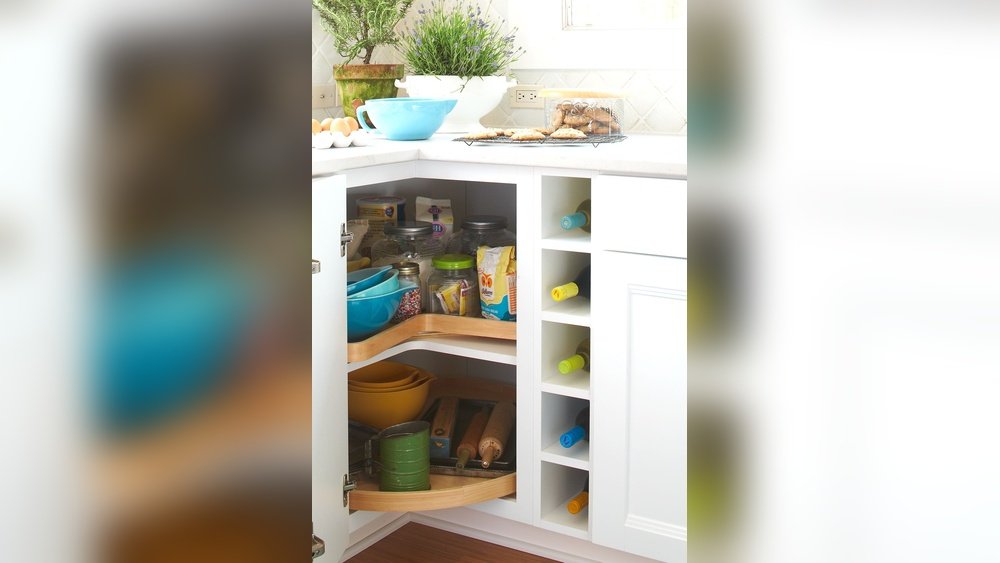
Corner kitchen cupboards can be a real puzzle for many homeowners. These spaces often feel hidden, awkward, and hard to reach. If you don’t plan carefully, they become messy storage zones, filled with forgotten items. But with smart strategies, you can transform them into functional, organized parts of your kitchen.
Whether you’re struggling with deep blind corners or angled cabinets, there are practical solutions. In this article, you’ll learn step-by-step how to organize corner kitchen cupboards, discover clever products, and avoid common mistakes. You’ll also see real examples, tips from experts, and comparison tables to help you choose the best options.
Let’s turn your corner cupboard into a space you love to use every day.
Understanding Corner Kitchen Cupboards
Before organizing, it’s important to know the types of corner cupboards. Not all corners are the same. Some are deep and blind; others have special shapes or built-in shelves.
Types Of Corner Cupboards
1. Blind Corner Cabinets
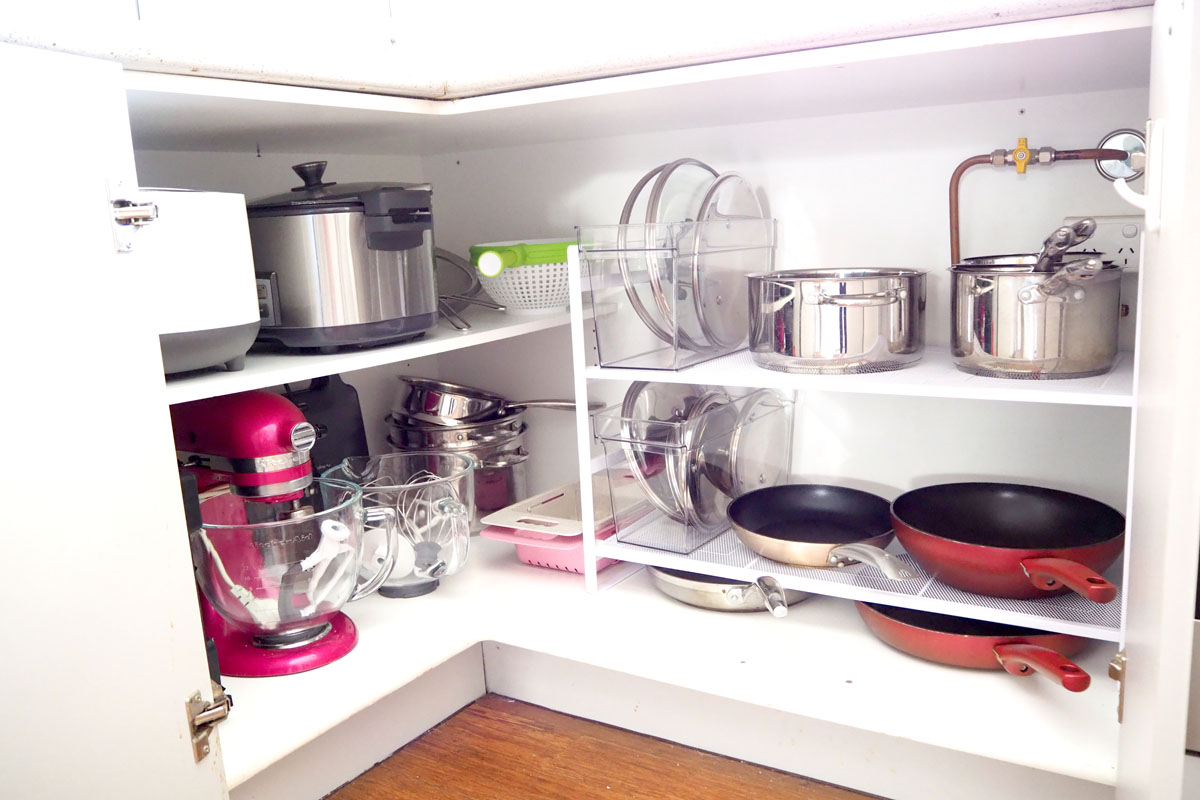
These are the most common type. They have one door, and inside, the space stretches deep into the corner. Items placed at the back are hard to reach.
2. Diagonal Corner Cabinets
These cupboards have a door set at an angle. The inside is usually triangular or trapezoidal. They often have fixed shelves but are easier to access than blind corners.
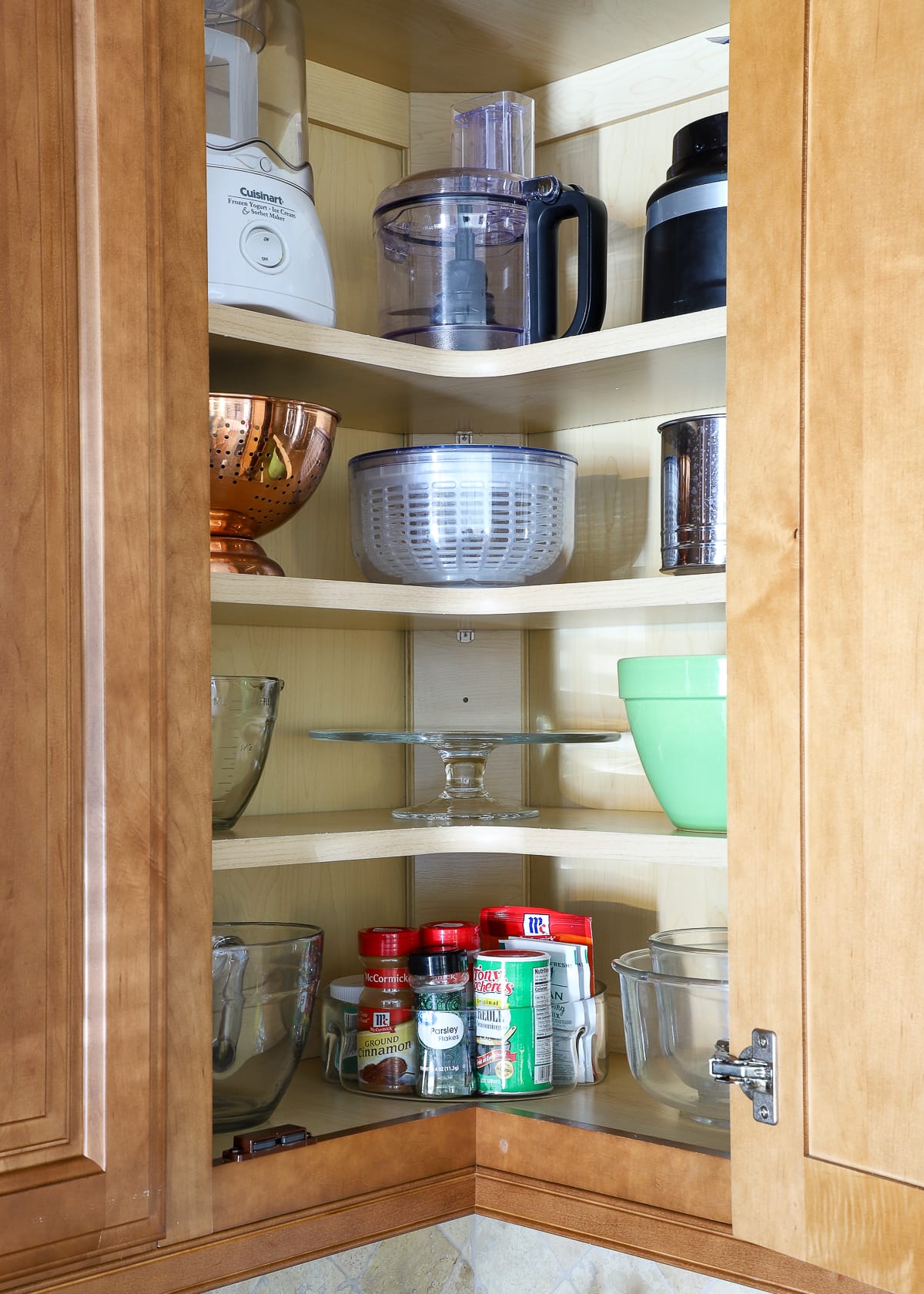
3. Corner Lazy Susan Cabinets
This type has round spinning shelves (Lazy Susans). They make it easier to reach items, but the shelves can be small.
4. Corner Drawers
A newer design, these are drawers that pull out diagonally, using the corner space efficiently.
Why Corner Cupboards Are Difficult
- Awkward angles make storing large items tough.
- Deep spaces mean things get lost at the back.
- Limited visibility increases clutter.
- Many people use them as “dump zones” for rarely used items.
Understanding the cupboard type helps you choose the right organizing solution.
Planning Your Organization Strategy
Every successful cupboard makeover starts with a plan. Don’t just throw baskets inside and hope for the best. Start with these steps:
Step 1: Empty The Cupboard
Take everything out. You’ll be surprised by what’s hiding in the back. Clean the shelves and wipe the surfaces. This helps you see the full space.
Step 2: Sort And Declutter
Divide items into three groups:
- Keep: Things you use often
- Donate/Recycle: Items in good condition but rarely used
- Trash: Broken or expired items
Be ruthless. If you haven’t used something in the past year, it probably doesn’t belong.
Step 3: Measure Your Space
Use a tape measure to get:
- Width
- Depth
- Height
- Door opening size
Write down these numbers. They’ll help you find organizers that fit perfectly.
Step 4: Decide What To Store
Not everything belongs in a corner cupboard. Choose items that suit the space:
- Bulky cookware
- Small appliances
- Large pantry containers
- Baking trays
Avoid storing tiny items that get lost easily.
Step 5: Sketch Your Layout
Draw a simple sketch showing shelves, organizers, and where things will go. This makes shopping for products easier.
Credit: thehomesihavemade.com
Choosing The Right Organizers
Organizers transform messy corners into efficient storage. Here are some of the best options:
Pull-out Shelves
Pull-out shelves let you slide out the contents, so nothing gets trapped in the back.
Pros:
- Easy access
- Uses deep space well
Cons:
- Can be expensive
- Needs installation
Lazy Susans
A Lazy Susan is a spinning tray. It’s perfect for corner cupboards with limited visibility.
Pros:
- Everything is reachable
- Great for spices, bottles
Cons:
- Round shape wastes some space
Corner Drawer Inserts
Special inserts make corner drawers more useful. They divide the space and keep items separated.
Wire Baskets
Wire baskets are lightweight and easy to pull out. They’re good for storing vegetables, snacks, or cleaning supplies.
Stackable Containers
Stackable bins and boxes help use vertical space. Choose clear containers for easy identification.
Tension Rods
Tension rods can create extra levels for hanging dish towels or lids.
Custom Solutions
Some people hire carpenters to build custom shelves or drawers. This is ideal if standard products don’t fit.
Comparison Table: Organizer Types
Here’s a quick look at the main features of each organizer:
| Organizer Type | Ease of Access | Price Range | Best For | Space Efficiency |
|---|---|---|---|---|
| Pull-Out Shelves | Excellent | $$$ | Deep cabinets | High |
| Lazy Susans | Good | $$ | Bottles, jars | Medium |
| Wire Baskets | Fair | $ | Snacks, produce | Medium |
| Stackable Containers | Good | $ | Pantry items | High |
| Custom Shelving | Excellent | $$$$ | Unusual shapes | Very High |
Installing Organizers: Step-by-step
Once you’ve chosen organizers, it’s time to install them. Follow these steps for a smooth setup:
Step 1: Clear The Cupboard
Remove all items and clean thoroughly. Dust and crumbs collect in corners.
Step 2: Assemble Organizers
If you’re using Lazy Susans or pull-out shelves, assemble them according to instructions. Check that all parts are included.
Step 3: Fit Organizers
Place the organizer inside the cupboard. For pull-out shelves, mark the screw holes, drill pilot holes, and use screws to secure. Lazy Susans often just sit on the shelf.
Step 4: Test Access
Open and close the cupboard door. Slide out shelves or spin Lazy Susans to check clearance.
Step 5: Adjust As Needed
If organizers wobble or don’t fit, adjust placement. It’s better to spend extra time now than regret later.
Step 6: Load Items
Start with the biggest items first. Place heavy cookware or appliances at the bottom. Use top shelves for lighter objects.
Organizing Corner Cupboards: Practical Tips
Now, let’s look at how to organize efficiently and keep things neat over time.
Use Zones
Divide your cupboard into zones:
- Baking zone (flour, sugar, mixing bowls)
- Cooking zone (pots, pans, oils)
- Storage zone (containers, wraps)
This makes it easy to find what you need.
Store Bulky Items At The Back
Large pots, slow cookers, or Dutch ovens fit well in deep corners. You don’t need them every day, so placing them at the back is fine.
Keep Everyday Items Up Front
Items you use daily should be easy to grab. Place them in baskets or on the outer edge of a Lazy Susan.
Use Labels
Labels help everyone in the household find things. Use stick-on labels for baskets and containers.
Stack Vertically
Stack pans, trays, or cutting boards vertically using dividers. This saves space and prevents scratching.
Avoid Overloading
Don’t cram too much inside. Overloading leads to clutter and makes it hard to reach items.
Rotate Contents
Every 3-6 months, check what’s inside. Remove expired food or unused gadgets.
Smart Product Choices For Corner Cupboards
Some products are better suited for corners than others. Here are top picks:
Cookware
- Large stock pots
- Mixing bowls
- Dutch ovens
These fit well in deep spaces.
Pantry Items
- Bulk food containers
- Cereal boxes
- Baking supplies
Choose stackable containers to maximize space.
Small Appliances
- Blenders
- Slow cookers
- Toasters
If you use them often, keep them accessible.
Cleaning Supplies
- Extra dish soap
- Sponges
- Trash bags
Store in baskets for easy access.
Table: Product Suitability
| Product Type | Recommended for Blind Corner | Recommended for Lazy Susan | Recommended for Corner Drawer |
|---|---|---|---|
| Cookware | Yes | Limited | Yes |
| Pantry Items | Yes | Yes | Yes |
| Small Appliances | Yes | No | Yes |
| Cleaning Supplies | Yes | Limited | No |

Credit: www.iheartorganizing.com
Common Mistakes And How To Avoid Them
Even with good intentions, people make mistakes when organizing corner cupboards. Here’s what to watch out for:
1. Ignoring The Deep Space
Many people store everything at the front and leave the back empty. Use pull-out shelves or baskets to reach the deep space.
2. Using Too Many Small Bins
Small bins get lost and make clutter worse. Choose larger baskets or containers that fill the space.
3. Not Measuring Properly
Buying organizers without measuring leads to wasted money. Double-check all dimensions.
4. Forgetting About Door Clearance
Some organizers block the cupboard door. Always test before loading items.
5. Overloading Shelves
Heavy loads can break shelves or cause organizers to jam. Follow weight limits.
6. Skipping Labels
Without labels, items get mixed up. Label baskets and bins for clarity.
7. Storing Unused Items
Don’t use corner cupboards as “storage for stuff you never touch. ” Declutter regularly.
Real-life Examples And Success Stories
Let’s see how real people solved their corner cupboard challenges.
Example 1: Blind Corner With Pull-out Shelves
Martha had a blind corner cupboard filled with old baking pans. She installed two pull-out shelves and now stores her pans on the top shelf and mixing bowls on the lower shelf. She says, “I can finally reach everything without crawling on the floor.
”
Example 2: Diagonal Corner With Lazy Susan
Tom used a Lazy Susan for his diagonal corner. He keeps spices, cooking oils, and small jars. He rotates the shelf to grab what he needs and notes, “No more hunting for tiny bottles. ”
Example 3: Corner Drawers For Cookware
Sandra remodeled her kitchen with corner drawers. She stores pots and lids in deep drawers, using dividers to separate them. She loves the easy access and neat look.
Example 4: Custom Shelving For Cleaning Supplies
A family with a small kitchen built custom shelves in their corner cupboard. They store extra cleaning supplies in labeled baskets. It keeps everything organized and easy to find.
Maintenance: Keeping Cupboards Organized
Organizing is not a one-time job. Maintenance is key to staying tidy.
Set A Routine
Every month, check the cupboard. Remove unused items and wipe shelves.
Rotate Items
Move older pantry items to the front. This prevents expired food from hiding in the back.
Re-label As Needed
If you change what’s in a basket or container, update the label.
Clean Spills Quickly
If something leaks or spills, clean it right away. This stops smells and stains.
Involve The Household
Teach everyone how the cupboard is organized. This ensures things stay in their proper place.
Advanced Strategies For Maximum Efficiency
If you want to go beyond basic organizing, try these advanced tips:
Install Lighting
Add battery-powered LED lights inside the cupboard. This helps you see deep corners.
Use Sliding Doors
Replace swinging doors with sliding or bi-fold doors. This improves access in tight kitchens.
Try Tiered Shelves
Tiered shelves let you see items at different heights. Great for cans, jars, and bottles.
Use Hooks And Clips
Hooks hold measuring cups, and clips can hang dish towels or oven mitts.
Table: Advanced Solution Comparison
| Solution | Installation Effort | Cost | Space Efficiency | Visibility |
|---|---|---|---|---|
| LED Lighting | Low | $ | Medium | High |
| Sliding Doors | Medium | $$ | High | High |
| Tiered Shelves | Low | $ | Medium | High |
| Hooks/Clips | Low | $ | Low | Medium |
Credit: theorganisedhousewife.com.au
Non-obvious Insights For Corner Cupboard Organization
Many guides miss important points. Here are two insights beginners often overlook:
1. Consider Cupboard Door Type
The type of door affects what organizers you can use. For example, swing doors limit shelf size, while sliding doors allow bigger trays.
2. Don’t Forget Safety
Heavy items stored high can fall and cause injury. Always put heavy cookware low and lighter items up high.
Eco-friendly And Budget-friendly Organizing
You don’t need expensive products to organize well. Try these eco-friendly and budget options:
- Use recycled cardboard boxes for pantry items
- Re-purpose old baskets for cleaning supplies
- DIY shelf risers with wood scraps
- Shop second-hand stores for organizers
These ideas save money and reduce waste.
When To Get Professional Help
If your corner cupboard is very deep, oddly shaped, or broken, consider hiring a professional. They can build custom shelves or repair damage. This is especially helpful for older kitchens.
You can find carpenters or kitchen designers in your area. For more ideas, check the National Kitchen & Bath Association.
Frequently Asked Questions
How Do I Organize A Blind Corner Cupboard Without Expensive Products?
Start with simple solutions. Use large baskets or bins to pull items out easily. Stack containers to use vertical space. Group similar items together and label each basket. If you have leftover wood, make your own shelf risers.
What Is The Best Organizer For A Diagonal Corner Cabinet?
A Lazy Susan works well. It spins, so you can reach jars or bottles at the back. Stackable containers are also good, as they fit the angled space. Avoid tiny bins, which get lost.
Can I Store Food In A Corner Cupboard?
Yes, but keep food in airtight containers. Store bulk items like rice or flour, not small snacks. Check regularly for expired products and rotate older items to the front.
How Often Should I Reorganize My Corner Cupboard?
Check every month for clutter or spills. Do a deeper clean every 3-6 months. If you notice items out of place, take five minutes to tidy up. Involve your household to keep it organized.
Is It Possible To Add Lighting To A Corner Cupboard?
Absolutely. Battery-powered LED lights are easy to install and inexpensive. They help you see everything, especially in deep corners. Choose motion-sensor lights for convenience.
Organizing corner kitchen cupboards takes patience and creativity. With careful planning, the right organizers, and regular maintenance, your corners can become the most useful space in your kitchen. Don’t let awkward angles or deep spaces defeat you. Use these strategies, learn from real examples, and avoid common mistakes.
Your kitchen will feel more spacious, efficient, and enjoyable every day.