
Using kitchen shears can change how you work in the kitchen. These simple scissors are more than just cutting tools; they are helpers for many jobs like snipping herbs, trimming meat, and even opening packages. Many home cooks have a pair sitting in a drawer, but few use them to their full power.
Mastering kitchen shears can save you time, make food prep safer, and keep your knives sharper for longer. If you want to cook smarter, not harder, learning how to use kitchen shears is a good place to start.
Kitchen shears are easy to use, but there are smart ways to get more from them. In this guide, you’ll discover how to choose the right pair, all the ways they can help you in the kitchen, and tips for cleaning and maintaining them.
You’ll also see common mistakes people make and how to avoid them. By the end, you’ll see kitchen shears as one of your most valuable kitchen tools.
What Are Kitchen Shears?
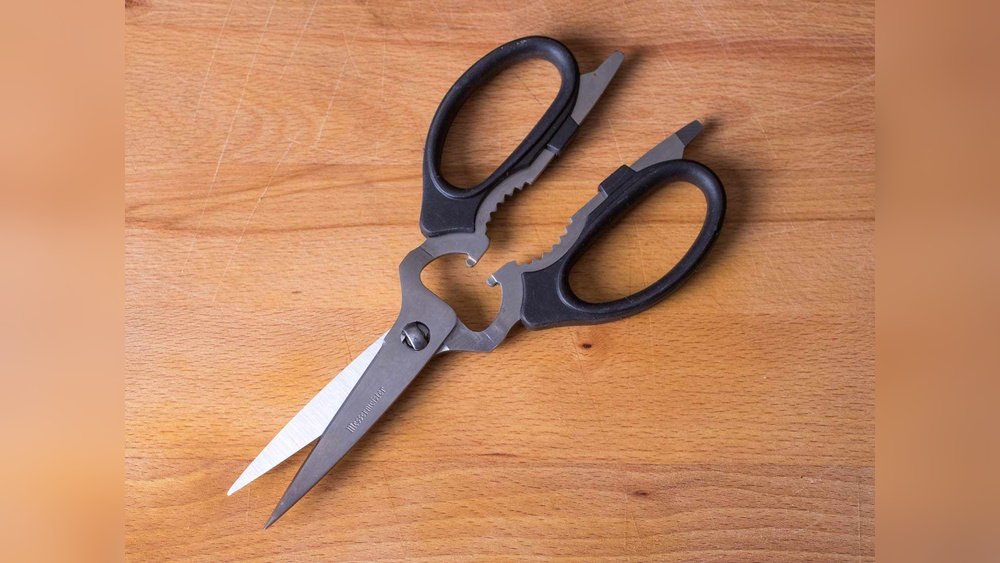
Kitchen shears are special scissors made for food preparation. Unlike regular scissors, they are made from stainless steel to prevent rust and are often stronger. The handles are designed for comfort and safety, and the blades can cut through everything from chicken bones to tough packaging. Many shears also have extra features like bottle openers or nutcrackers built into the handle.
Key Features Of Kitchen Shears
- Strong, sharp blades – Can cut through meat, vegetables, and even small bones.
- Comfortable handles – Often made with soft grips for safe, non-slip use.
- Detachable blades – Some models separate for easy cleaning.
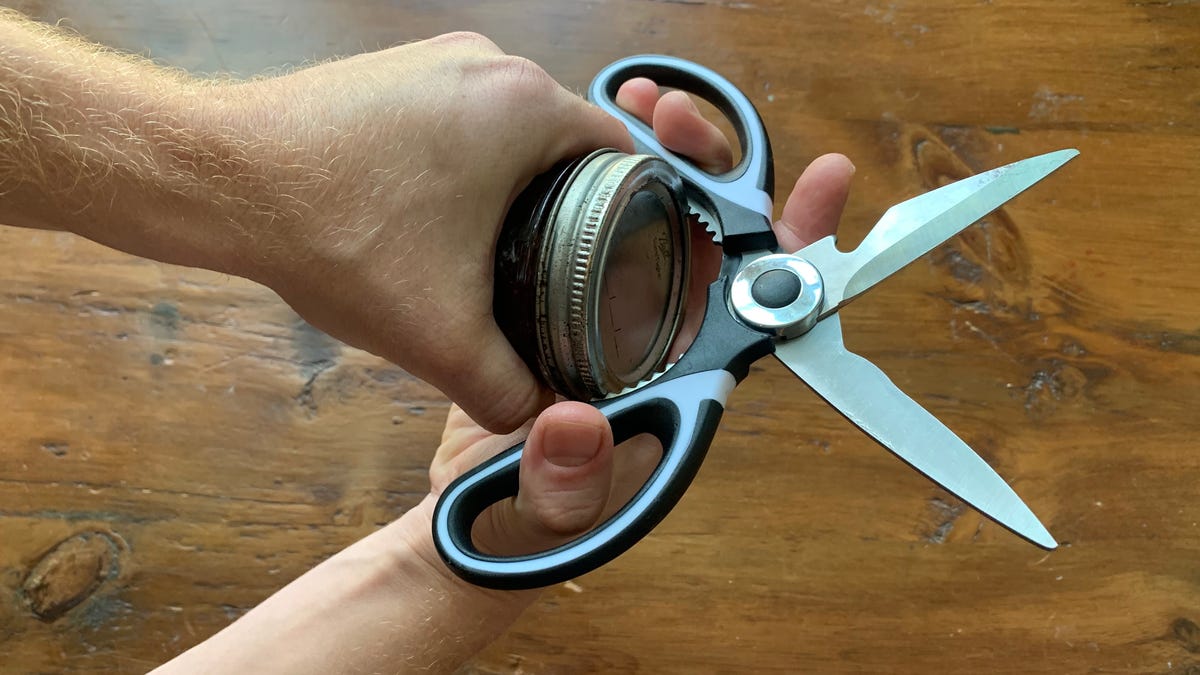
- Built-in tools – Many shears have bottle openers, nutcrackers, or screw cap openers in the handle.
- Rust resistance – Most are made with stainless steel to prevent corrosion.
Kitchen shears are sometimes confused with regular scissors, but they are much stronger and designed for food safety.
Why Kitchen Shears Are Important
Many people overlook kitchen shears, but they offer clear advantages in daily cooking:
- Save time: Snipping herbs or cutting meat is often faster than using a knife.
- Increase safety: Less chance of slipping compared to knives, especially with slippery foods.
- Protect knives: Shears handle tough jobs, keeping your knife blades sharp for delicate work.
- Add versatility: Shears can do jobs that knives can’t, like spatchcocking a chicken or opening stubborn packaging.
Professional chefs and home cooks both rely on kitchen shears for many tasks. In fact, a 2022 survey by the National Kitchen and Bath Association found that over 70% of home cooks use kitchen shears weekly for food prep.
Types Of Kitchen Shears
Not all kitchen shears are the same. The right type depends on what you need to do. Here’s a look at the main types:
| Type | Main Use | Special Features |
|---|---|---|
| All-purpose shears | General food prep | Basic sturdy blades |
| Poultry shears | Cutting bones/meat | Serrated blade, curved handles |
| Herb scissors | Snipping herbs | Multiple blades |
| Seafood shears | Shellfish, crab, lobster | Pointed tip, shell cracker |
| Detachable blade shears | Easy cleaning | Blades come apart |
All-purpose Shears
These are the most common and can handle most tasks. They are a good choice if you want just one pair.
Poultry Shears
Stronger and sometimes curved, these are made to cut through chicken bones or joints. They are very useful for spatchcocking or deboning.
Herb Scissors
These have several blades to snip herbs quickly. They are not good for meat or bones, but they make cutting chives or parsley easy.
Seafood Shears
Designed for shellfish, these have a pointed tip and a shell cracker in the handle. They let you cut lobster shells without crushing the meat.
Detachable Blade Shears
These come apart for cleaning, which is important for food safety. Some models combine this with other features.
How To Choose The Right Kitchen Shears
Choosing the right shears can make a big difference. Here are the key things to consider:
- Blade strength – If you cut a lot of meat or bones, pick a pair with thick, strong blades.
- Comfortable handles – Test the grip. Soft, non-slip handles reduce hand strain.
- Detachable blades – For easy cleaning and food safety, detachable blades are helpful.
- Rust resistance – Look for stainless steel to prevent rust.
- Extras – Built-in bottle openers or nutcrackers are nice, but not always needed.
Try to hold the shears before buying if you can. They should feel balanced, not too heavy, and open and close smoothly. Avoid shears that feel loose or wobble.
Comparing Kitchen Shears Vs. Regular Scissors
Below is a quick comparison to highlight why kitchen shears are better for food prep:
| Feature | Kitchen Shears | Regular Scissors |
|---|---|---|
| Blade Material | Stainless steel | Varied, often not food safe |
| Cutting Power | High (meat, bones) | Low (paper, light fabric) |
| Cleaning | Detachable for washing | Often fixed, hard to clean |
| Food Safety | Yes | No |
| Extra Tools | Yes (nutcracker, opener) | No |
:max_bytes(150000):strip_icc()/ms-kitchen-shears-getty-26565340768d438baf50b9f881045001.jpg)
Credit: www.marthastewart.com
Essential Kitchen Shears Techniques
Learning how to use kitchen shears well can make your prep work much easier. Here are the main techniques and tasks:
1. Trimming Meat And Poultry
Kitchen shears are perfect for removing fat, skin, or bones from meat. Use the tip for small cuts and the full blade for bigger pieces. For chicken, you can cut along the backbone to spatchcock, which helps it cook evenly.
Non-obvious tip: When cutting chicken skin, stretch it tight with one hand and cut with the other. This prevents tearing and gives you a neat cut.
2. Snipping Herbs And Greens
Shears make it easy to cut chives, parsley, or cilantro right over the dish. Simply hold a bunch and snip, letting the pieces fall where you want.
Insight: Use shears to cut green onions at an angle for a professional look. The angled cut exposes more surface area and looks better on salads or soups.
3. Cutting Vegetables
Long vegetables like green beans, asparagus, or scallions are easy to trim with shears. You can also use them to cut dried fruit or sun-dried tomatoes into small pieces.
4. Opening Food Packages
Kitchen shears are great for opening stubborn plastic or vacuum-sealed packages. The strong blades cut through thick material without slipping.
Beginner mistake: Don’t use your good shears for cardboard or zip ties. These materials can dull the blades quickly. Use a cheaper pair or a knife for these jobs.
5. Butterflying Shrimp
Hold the shrimp and use the shears to cut along the back, removing the shell and vein in one motion. This is faster and safer than using a knife.
6. Prepping Pizza And Flatbreads
Shears can cut cooked pizza into slices, especially if you want to avoid a pizza cutter. They work well for quesadillas and flatbreads too.
7. Dividing Dough
If you bake, use shears to cut dough for rolls, dumplings, or pasta. The clean cut helps dough rise evenly during baking.
8. Cracking Nuts And Shells
Some kitchen shears have a nutcracker built into the handle. Place the nut in the middle and squeeze gently to crack the shell.
9. Breaking Down Whole Chicken
Shears are ideal for cutting through joints and bones. Start by removing the backbone, then split the breast or legs. This is much safer than using a heavy knife.
Pro tip: After spatchcocking, use the shears to trim off any extra rib bones or cartilage for a cleaner look.
10. Cutting Up Bacon Or Deli Meat
Stack strips of bacon and snip them into bits for salads or omelets. Shears make this quick and keep your cutting board cleaner.
11. Slicing Dried Fruit
Sticky dried fruit like dates or apricots can gum up a knife blade. Shears cut through quickly and the pieces don’t stick together.
12. Removing Fish Fins
Use the tip of the shears to trim sharp fins from whole fish. This makes the fish safer to handle and easier to cook.
13. Shredding Lettuce Or Cabbage
If you need thin strips for a salad or tacos, grab a few leaves and snip them directly over the bowl.
14. Cutting Kitchen Twine
Shears are perfect for cutting twine for roasts or trussing poultry. They cut cleanly and don’t fray the string.
15. Chopping Nori Or Seaweed
If you make sushi or rice balls, use shears to cut nori sheets into strips. This is easier and neater than using a knife.
Cleaning And Maintaining Kitchen Shears
Proper cleaning keeps your shears sharp and safe. Here’s how to do it right:
- Wash after each use: Rinse off food and wash with warm, soapy water. If the blades separate, take them apart for cleaning.
- Dry completely: Water left on the blades can cause rust, even on stainless steel.
- Oil the pivot: If the shears start to feel stiff, add a drop of food-safe oil to the pivot screw and work the blades back and forth.
- Sharpen as needed: Some kitchen shears can be sharpened with a regular knife sharpener. Others may need professional sharpening.
- Store safely: Keep shears in a knife block, sheath, or drawer tray. Avoid tossing them in a drawer where the blades can get dull or damaged.
Non-obvious insight: Don’t put kitchen shears in the dishwasher unless the maker says it’s safe. High heat and harsh detergent can dull the blades and loosen the handles.
Common Mistakes With Kitchen Shears
Even experienced cooks make mistakes with shears. Here are the most common ones and how to avoid them:
- Using for non-food tasks: Don’t use your good shears to cut paper, tape, or cardboard. This dulls the blades quickly.
- Ignoring cleaning: If you don’t clean shears after cutting meat, bacteria can build up in the pivot or between the blades.
- Not separating blades: If your shears come apart, always detach and wash both sides.
- Using dull shears: Dull blades slip and are more dangerous than sharp ones. Sharpen or replace them if they don’t cut smoothly.
- Gripping too tightly: Squeezing the handles too hard can cause hand pain. Let the sharp blades do the work.
Advanced Tips For Kitchen Shears
Once you’re comfortable, try these advanced uses:
1. Spatchcocking Poultry
Place the bird breast-side down. Use the shears to cut along both sides of the backbone, removing it. Flip the bird and press to flatten. This method cooks chicken or turkey faster and more evenly.
2. Prepping Seafood
Cut lobster tails or crab shells with seafood shears. Insert the tip under the shell and snip along the length. This keeps the meat intact and makes it easy to remove.
3. Making Garnishes
Shears are great for cutting chives, scallions, or chili peppers into fine rings for garnishes. They also work for edible flowers or citrus peel strips.
4. Slicing Dried Sausage
Hard sausages can be tricky with a knife. Use shears to cut thin, even slices for cheese boards or snacks.
5. Opening Shellfish Bags
If you buy shellfish in mesh bags, shears let you open them quickly without spilling the contents.
Expert note: Use a separate pair for shellfish to avoid cross-contamination.
Kitchen Shears Safety Tips
Safety is important, even with a simple tool. Here’s how to use kitchen shears safely:
- Keep fingers clear: Watch where your fingers are, especially when cutting small items.
- Cut away from your body: Always point the blades away to avoid injury.
- Use on a stable surface: If cutting something tough, use a cutting board.
- Don’t force the blades: If something is too hard, stop and use a stronger tool.
- Store out of reach: Keep shears out of reach of children.
When To Replace Kitchen Shears
Even high-quality shears don’t last forever. Signs it’s time to replace them include:
- Blades won’t sharpen: If sharpening doesn’t restore the edge, it’s time for a new pair.
- Loose pivot: If the blades wobble and can’t be tightened, replace them.
- Rust or stains: Deep rust spots or stains that don’t wash off are a risk for food safety.
- Broken handles: Cracks or chips in the handle can make the shears unsafe to use.
Credit: www.cnet.com
Real-life Examples Of Kitchen Shears In Action
Example 1: Faster Salad Prep
Maria, a busy mom, uses her kitchen shears to snip lettuce, herbs, and green onions right into the bowl. She saves 10 minutes every salad night and avoids washing an extra cutting board.
Example 2: Spatchcocking For Juicy Chicken
Chef Alex uses heavy-duty shears to spatchcock chickens in his restaurant. This helps the birds cook evenly and brown better, impressing diners with juicy, crisp-skinned chicken.
Example 3: Safe Seafood Prep
Linh loves making shrimp pasta. She uses seafood shears to butterfly shrimp in seconds, keeping her fingers safe and the shrimp neat.
Example 4: Dried Fruit For Baking
Jake bakes energy bars at home. He uses shears to cut dried apricots and dates into small pieces, which mix in better and don’t stick to his knife.
Example 5: Child-friendly Cooking
Sara lets her kids help snip fresh herbs with kitchen shears (with supervision). It’s safer than a knife and helps her children learn basic kitchen skills.
Comparing Popular Kitchen Shears Brands
There are many brands, but a few stand out for quality and value. Here’s a side-by-side look at three top models:
| Brand/Model | Blade Type | Detachable | Special Features | Price Range |
|---|---|---|---|---|
| OXO Good Grips | Serrated stainless steel | Yes | Soft grip, herb stripper | $20–$25 |
| Wusthof Classic | High-carbon steel | Yes | Adjustable pivot, bottle opener | $40–$50 |
| KitchenAid Shears | Stainless steel | No | Protective sheath | $12–$18 |
When choosing a brand, consider what tasks you do most often. If you cut a lot of meat or poultry, a stronger, more expensive pair is a good investment.
Cleaning Kitchen Shears: Step-by-step
Proper cleaning is key for food safety. Here’s a simple process:
- Rinse off debris: Rinse the blades under warm water right after use.
- Wash with soap: Use a sponge and mild dish soap, scrubbing all surfaces.
- Open wide: Open the blades fully to clean near the pivot.
- Detach if possible: If your shears come apart, wash both blades separately.
- Rinse and dry: Rinse away soap and dry completely with a towel.
- Oil the screw: Once a month, add a drop of oil to keep the motion smooth.
Storage Solutions For Kitchen Shears
Storing shears correctly keeps them sharp and safe. Here are some options:
- Knife block: Many blocks have a slot for shears.
- Drawer tray: Use a tray to keep them separate from other tools.
- Magnetic strip: Some shears can stick to a magnetic knife strip.
- Protective sheath: Some brands include a cover for the blades.
Always store shears with the blades closed to avoid accidents.
How To Sharpen Kitchen Shears
Sharp shears are safer and more effective. Here’s how to sharpen them:
- Use a knife sharpener: Many home sharpeners work for shears. Run each blade through as you would a knife.
- Use a sharpening stone: Hold the blade at a 20-degree angle and slide along the stone, following the original edge.
- Test the cut: Try cutting a piece of paper. If the shears glide through easily, they’re sharp.
- Professional service: For expensive shears, consider professional sharpening once a year.
Note: Always clean shears after sharpening to remove metal dust.
Sustainable Use And Recycling
Kitchen shears can last years with care. But when it’s time to replace them, recycle if possible. Many metal recycling centers accept old shears. Remove any plastic handles if required by your local program.
Sustainability tip: Choose high-quality shears you can sharpen and repair, not cheap ones you throw away.
:max_bytes(150000):strip_icc()/__opt__aboutcom__coeus__resources__content_migration__serious_eats__seriouseats.com__images__2014__12__20141201-kitchen-shears-uses-vicky-wasik-8-b92f08b42b4f473f8f09410698bf75e2.jpg)
Credit: www.seriouseats.com
Frequently Asked Questions
What Foods Should I Not Cut With Kitchen Shears?
Avoid cutting very hard items like frozen food, bones thicker than a chicken’s, or hard shells (like coconut). These can damage the blades. For these jobs, use a heavy cleaver or saw.
Can I Put Kitchen Shears In The Dishwasher?
Check the manufacturer’s instructions. Most high-quality shears should be washed by hand. Dishwashers can dull the blades and loosen the pivot screw. For details, see WikiHow’s cleaning guide.
How Often Should I Sharpen Kitchen Shears?
For home use, sharpening every 3–6 months is enough if you use them regularly. If you notice them tearing instead of cutting, it’s time to sharpen.
Is It Safe For Children To Use Kitchen Shears?
With adult supervision, children can use shears for soft foods like herbs or lettuce. Choose shears with rounded tips and safety handles, and teach children to always cut away from their hands.
What’s The Difference Between Kitchen Shears And Poultry Shears?
Poultry shears are stronger and often have a curved blade for cutting bones and joints. Kitchen shears are more general purpose. If you cut a lot of chicken or turkey, poultry shears are a good investment.
Using kitchen shears well can make cooking easier, safer, and faster. By choosing the right pair, learning smart techniques, and caring for your tool, you’ll find shears become your go-to kitchen helper.