
Cleaning your Traeger fire pot might not sound exciting, but it’s the secret to great barbecue. If you want your grill to run smoothly, taste better, and last longer, you must keep the fire pot clean. Skipping this task can lead to frustrating problems: slow heating, temperature swings, or even a grill that just won’t ignite. But many Traeger owners either rush the job or make mistakes that actually cause more issues.
In this guide, you’ll learn everything you need to know—step-by-step instructions, smart tips, and even what most beginners get wrong. Whether you’re a weekend griller or use your Traeger all year, these methods will help you keep your fire pot in top shape.
By the end, you’ll see why this small part has such a big impact on your grilling results.
What Is A Traeger Fire Pot And Why Does It Matter?
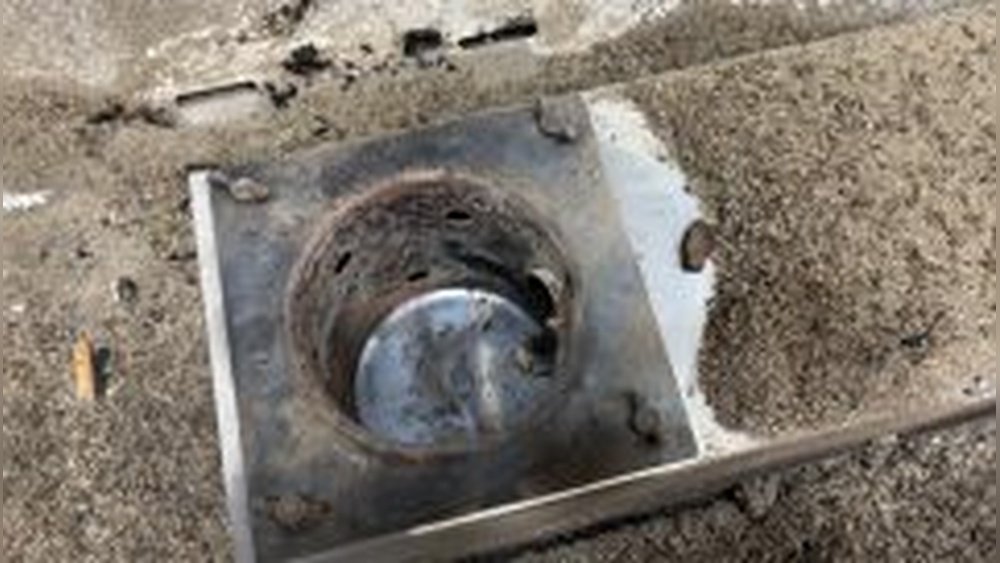
The fire pot is the heart of your Traeger. It’s a small metal cup inside the grill where wood pellets are dropped and burned. This is where all the heat and smoke start. If the fire pot gets dirty, ash builds up and airflow suffers. That means:
- Your grill can take much longer to heat up.
- You might see temperature swings (not good for smoking ribs or brisket).
- Sometimes, your Traeger may even shut off or fail to ignite.
A clean fire pot gives you steady heat, better flavor, and a safer grilling experience. Many users only clean the grill grates or the drip tray, forgetting this hidden but critical part.
How Often Should You Clean Your Traeger Fire Pot?
The right cleaning frequency depends on how much you use your grill. For most home users:
- Every 20 hours of cooking is a solid rule.
- If you cook fatty foods (like pork belly or brisket), consider cleaning every 10-15 hours.
- If you notice ash blowing around, difficulty lighting, or inconsistent temperatures, clean immediately.
Pro tip: Always check the fire pot before long cooks or important events. A quick look can prevent a ruined meal.
Tools And Supplies You’ll Need
Cleaning the fire pot doesn’t require fancy gear. Here’s what you’ll need:
- Shop vacuum (wet/dry vac) with a hose attachment. Ash is very fine and regular vacuums can get clogged or damaged.
- Brush (nylon or brass) for scrubbing.
- Putty knife or grill scraper for stubborn debris.
- Gloves—preferably heat-resistant or disposable.
- Paper towels or clean cloths for wiping.
- Mild soap and water (no harsh chemicals).
- Flashlight (helpful for seeing inside the fire pot).
A shop vacuum is the most important tool. Many beginners try to scoop ash by hand, but this spreads dust and makes a mess.
Safety Precautions Before You Start
Never skip safety. Here’s what to do every time:
- Unplug your Traeger from the power source.
- Make sure the grill is completely cool. Hot ash can cause burns.
- Work in a well-ventilated area, especially if using a vacuum.
- Wear gloves to protect your hands from sharp edges or hot spots.
- If you use water, dry all parts thoroughly before reassembling.
Ignoring safety can lead to injuries or even damage your grill’s electronics.
Step-by-step: How To Clean Traeger Fire Pot
Follow these steps for a thorough clean:
1. Turn Off And Unplug The Grill
Make sure the grill is off and unplugged. Wait until it’s cold—this usually takes 30-60 minutes after cooking.
2. Remove Grill Grates And Drip Tray
Lift out the grill grates. Remove the drip tray and heat baffle (the metal plate above the fire pot). Set them aside for separate cleaning.
3. Locate The Fire Pot
The fire pot sits at the bottom, usually in the center. It’s a round metal cup with holes for airflow.
4. Check For Ash Build-up
Shine a flashlight into the fire pot. Most Traegers build up ash after just a few cooks. If you see more than a thin layer, it’s time to clean.
5. Vacuum Out Loose Ash
Use the shop vacuum’s hose to suck out all visible ash and debris from the fire pot. Vacuum the surrounding area too. This step prevents ash from blowing around during your next cook.
6. Scrape Stubborn Debris
Use a putty knife or grill scraper to gently loosen any stuck-on residue inside the fire pot. Avoid damaging the igniter rod (the small metal rod at the bottom).
7. Brush The Fire Pot
Scrub the inside of the fire pot with a nylon or brass brush. Get into the corners and around the igniter. This removes greasy buildup that can affect ignition and airflow.
8. Wipe With A Damp Cloth
Dampen a cloth with mild soapy water. Wipe out the fire pot to remove fine dust. Dry it with paper towels or a clean rag. Do not leave any moisture behind.
9. Inspect The Igniter Rod
Check the igniter rod for soot or grease. Wipe it gently. If it looks damaged or heavily corroded, it may need replacement.
10. Reassemble The Grill
Put the heat baffle, drip tray, and grill grates back into place. Make sure everything is seated correctly.
11. Test The Grill
Plug the grill back in. Run a short test cycle (smoke setting for 5 minutes) to ensure everything works and ignites properly.
Common beginner mistake: Forgetting to vacuum the area around the fire pot. Ash can get sucked back in during use if not fully removed.
Deeper Cleaning: When And How To Do It
A basic vacuum and wipe-down are enough for most cooks. But every few months, do a deep clean.
Signs You Need A Deep Clean
- You notice black, sticky residue (creosote) inside the fire pot or grill body.
- The igniter rod is covered in soot.
- Airflow feels restricted or your grill “smokes” more than usual.
Deep Cleaning Steps
- Remove the fire pot if possible (check your Traeger model’s manual). Some are held by screws.
- Soak the fire pot in warm, soapy water for 20-30 minutes.
- Scrub inside and out with a brush.
- Rinse and dry completely before reinstalling.
- Clean the surrounding fire box area with a brush and vacuum.
Pro tip: Never use oven cleaner or harsh chemicals. These can damage the finish or leave dangerous residues.
The Role Of The Igniter Rod In Fire Pot Cleaning
The igniter rod is a small, heat-resistant element that glows red-hot to ignite pellets. If it’s covered in ash or grease, your grill may fail to start.
- Always check the rod during fire pot cleaning.
- Wipe with a dry or slightly damp cloth. Avoid bending it.
- If you see cracks or heavy corrosion, order a replacement.
Most igniter rods last about 1-3 years, depending on use. If your grill struggles to light after cleaning, the rod may be the issue.
Comparing Cleaning Methods: Manual Vs Vacuum
Here’s how different cleaning approaches stack up:
| Method | Pros | Cons | Best For |
|---|---|---|---|
| Shop vacuum | Fast, thorough, minimal mess | Requires special vacuum, noisy | Regular maintenance |
| Manual (brush & scoop) | No extra tools needed, quiet | Dusty, less thorough | Quick cleanups |
| Compressed air | Removes fine ash, no contact | Messy, can blow ash onto food surfaces | Deep cleaning (outdoors only) |
For most users, a shop vacuum is the safest and cleanest method. Manual brushing can work in a pinch, but always vacuum before cooking again.
Signs Of A Dirty Or Clogged Fire Pot
How do you know the fire pot needs cleaning? Look for these signs:
- Grill won’t ignite or takes several tries to start.
- Temperature swings more than 20°F from your setting.
- Pellets burn slowly or incompletely.
- You smell more smoke than usual, or see white/gray smoke instead of thin blue.
- Ash blows out when you open the lid.
Sometimes, you may even hear a “pop” as built-up ash ignites. This is rare, but it means you waited too long to clean.
What Happens If You Don’t Clean The Fire Pot?
Neglecting fire pot cleaning leads to bigger problems:
- Reduced performance: Your grill will have trouble holding a steady temperature.
- Increased pellet use: Dirty fire pots burn less efficiently, so you use more pellets.
- Ignition failures: Ash can block the igniter rod, so pellets never catch fire.
- Fire risk: Excess ash can catch and flare up, especially with greasy foods.
- Shorter grill life: Over time, corrosion and clogs can damage the fire pot or electronics.
Most Traeger owners see a big improvement in grill reliability after regular cleaning.
How Fire Pot Cleanliness Impacts Food Flavor
A clean fire pot isn’t just about performance—it changes how your food tastes. Here’s why:
- Consistent smoke: Ash buildup leads to dirty, bitter smoke. A clean pot gives you thin blue smoke for true wood-fired flavor.
- Even cooking: Hot spots or temperature drops can ruin delicate foods like fish or brisket.
- No off-flavors: Old grease or ash can create unwanted flavors that stick to meat.
If you’re chasing that perfect barbecue taste, fire pot cleaning is the hidden step most people miss.
How To Make Fire Pot Cleaning Easier
Here are some expert tips to save time and effort:
- Line the drip tray with heavy-duty foil. This keeps grease away from the fire pot and makes cleanup faster.
- Keep a small brush and shop vacuum near your grill. Quick cleans after each use mean less buildup.
- Use high-quality pellets. Cheap pellets produce more ash and clinkers.
- Schedule fire pot cleaning as part of your pellet refill routine.
Non-obvious insight: Many beginners overfill the pellet hopper, leading to extra ash. Only fill what you’ll use in the next few cooks.

Credit: www.youtube.com
How To Avoid Common Fire Pot Cleaning Mistakes
Even experienced grillers make these errors:
- Using water on a hot fire pot. This can cause warping or cracks. Always let it cool first.
- Forgetting the igniter rod. Always check and clean it during fire pot maintenance.
- Not drying the fire pot after cleaning. Moisture can rust the pot or cause ignition failures.
- Skipping deep cleans. Minor ash removal isn’t enough—do a full clean every few months.
Troubleshooting: Grill Won’t Ignite After Cleaning
If your Traeger doesn’t light after cleaning, try these checks:
- Is the igniter rod plugged in and working? You should see it glow red after starting.
- Did you vacuum out all ash, including around the igniter?
- Is the fire pot fully dry?
- Are pellets feeding correctly? Check the auger for jams.
If you’ve tried everything, consult the Traeger manual or contact support.
How Different Traeger Models Affect Fire Pot Cleaning
Not all Traegers are built the same. Here’s a quick comparison of fire pot access:
| Model | Fire Pot Access | Removable Fire Pot? | Cleaning Difficulty |
|---|---|---|---|
| Pro Series | Remove grates & drip tray | No | Easy |
| Ironwood | Remove grates, tray, & baffle | Yes | Moderate |
| Timberline | Side access panel | Yes | Easy |
| Tailgater | Remove grates & tray | No | Easy |
Check your model’s manual for details on fire pot removal and cleaning tips.
Maintenance Schedule: Keeping Your Traeger Running Like New
Stick to this routine for best results:
- Every 2-3 cooks: Quick vacuum of the fire pot and surrounding area.
- Every 20 hours: Full fire pot clean, check igniter rod.
- Every 3-6 months: Deep clean fire pot, drip tray, and inner walls.
Write down your cleaning dates or set reminders. Consistent maintenance prevents problems before they start.
Credit: www.reddit.com
Environmental Impact: What To Do With Ash And Debris
Ash from wood pellets is non-toxic, but handle it carefully:
- Let ash cool completely before disposal.
- Use a metal container for ash storage—never plastic.
- Ash can be sprinkled in the garden or compost, but avoid adding greasy residue.
Never dump hot ash in the trash. It can cause fires, even hours after cooking.
When To Replace The Fire Pot
Most fire pots last for years, but replace if you see:
- Warping or cracks in the metal.
- Heavy rust that brushing can’t remove.
- Damage to the igniter rod mount.
- Pellets falling out of the pot due to holes.
Replacement fire pots are available from Traeger or grill shops. Always match your model for fit.
Essential Fire Pot Cleaning Tips For Beginners
Here are two tips even experienced users miss:
- Clean after long, low-temperature cooks (like brisket). These produce more ash than hot, fast cooks.
- Always re-seat the heat baffle and drip tray after cleaning. Misaligned parts can block airflow and cause temperature problems.
Most people only clean after high-heat grilling, but slow smoking is when most ash builds up.
How Fire Pot Cleaning Fits Into Total Grill Care
A clean fire pot is just one part of maintenance. Don’t forget:
- Clean the grill grates every cook to prevent flare-ups.
- Empty the grease bucket and check for blockages.
- Inspect the pellet hopper for sawdust or moisture.
A well-maintained Traeger gives you better food, less stress, and more years of great grilling.

Credit: www.reddit.com
Where To Learn More
For model-specific instructions, always check the Traeger owner’s manual or their official support guides. They offer videos and troubleshooting for every grill model. For more pellet grill maintenance tips, visit the Traeger official guide.
Frequently Asked Questions
How Often Should I Clean My Traeger Fire Pot?
Most users should clean the fire pot every 20 hours of cooking. If you cook fatty foods or do a lot of smoking, clean every 10-15 hours. Always check before long cooks.
Can I Use Water To Clean The Fire Pot?
You can use a damp cloth for final wiping, but never soak the fire pot while it’s in the grill. Remove it for deep cleaning, and always dry completely before reassembly.
What’s The Best Tool For Cleaning The Fire Pot?
A shop vacuum with a hose attachment is the best tool. It removes ash without mess. For stuck debris, use a nylon brush and putty knife.
Is Fire Pot Cleaning Different For Every Traeger Model?
Yes, some models have removable fire pots and others do not. Check your owner’s manual for specific instructions based on your grill.
What Happens If I Never Clean The Fire Pot?
If you skip cleaning, you risk ignition failures, temperature swings, and even fire hazards. Food flavor will suffer, and your grill may wear out faster.
A little time spent cleaning your Traeger fire pot pays off with better barbecue, safer grilling, and more years of enjoyment. Don’t overlook this simple but important step in your grill care routine.