
Using an Instant Pot can make cooking easier, but many people overlook one simple tool: the Instant Pot trivet. This small accessory can completely change how you cook with your Instant Pot. If you are new to pressure cooking, you may wonder what a trivet is, how it works, and why you should use it. Even experienced users sometimes miss out on the full benefits of the trivet. In this guide, you will learn everything you need to know about using an Instant Pot trivet, from basic setup to advanced tricks. You will also discover common mistakes, practical tips, and answers to the most frequent questions. By the end, you will use your Instant Pot trivet with confidence for better, healthier, and more creative meals.
What Is An Instant Pot Trivet?
The Instant Pot trivet is a small rack, usually made of stainless steel, that fits inside the inner pot of your Instant Pot. It has short legs to raise food above the bottom of the pot. The main reason to use a trivet is to keep food out of direct contact with water or liquids at the bottom. This helps with even cooking and prevents burning or overcooking.
Many Instant Pots come with a basic trivet. These typically have handles, so you can lift food out safely. Some trivets fold, and others are fixed. You can also buy special trivets with silicone covers, taller legs, or stackable designs for more cooking options.
Why Use The Trivet In Your Instant Pot?
There are several good reasons to use a trivet when pressure cooking:
- Prevents Soggy Food: The trivet lifts food above water, so items like chicken, vegetables, or eggs stay firm instead of soaking up too much liquid.
- Better Texture: Steaming on a trivet gives food a better texture than boiling it directly in water.
- Multi-layer Cooking: You can place several things inside your Instant Pot at once, like cooking meat on the bottom and vegetables on the trivet.
- Easier Cleanup: Food is less likely to stick to the bottom, which means less scrubbing after you finish cooking.
- Safer Lifting: With handles, you can lift hot food out without burning your hands or dropping your meal.
Many home cooks don’t realize just how much the trivet can improve their cooking results. Using it opens up a whole world of recipes and techniques.
Types Of Instant Pot Trivets
Not all trivets are the same. The right type depends on what you want to cook. Here are the main options:
| Type | Material | Best For | Special Features |
|---|---|---|---|
| Basic Metal Trivet | Stainless Steel | General steaming, eggs, vegetables | Often includes handles |
| Silicone Trivet | Food-grade Silicone | Sticky foods, easy cleaning | Non-stick, flexible |
| Tall Trivet | Stainless Steel | Bigger roasts, multi-layer meals | More space under food |
| Stackable Trivet | Stainless Steel | Cooking two things at once | Multiple levels |
If you cook a lot, you may want more than one trivet. For example, a silicone trivet is great for sticky desserts, while a tall trivet gives you more room under a roast for vegetables.
How To Set Up Your Instant Pot Trivet
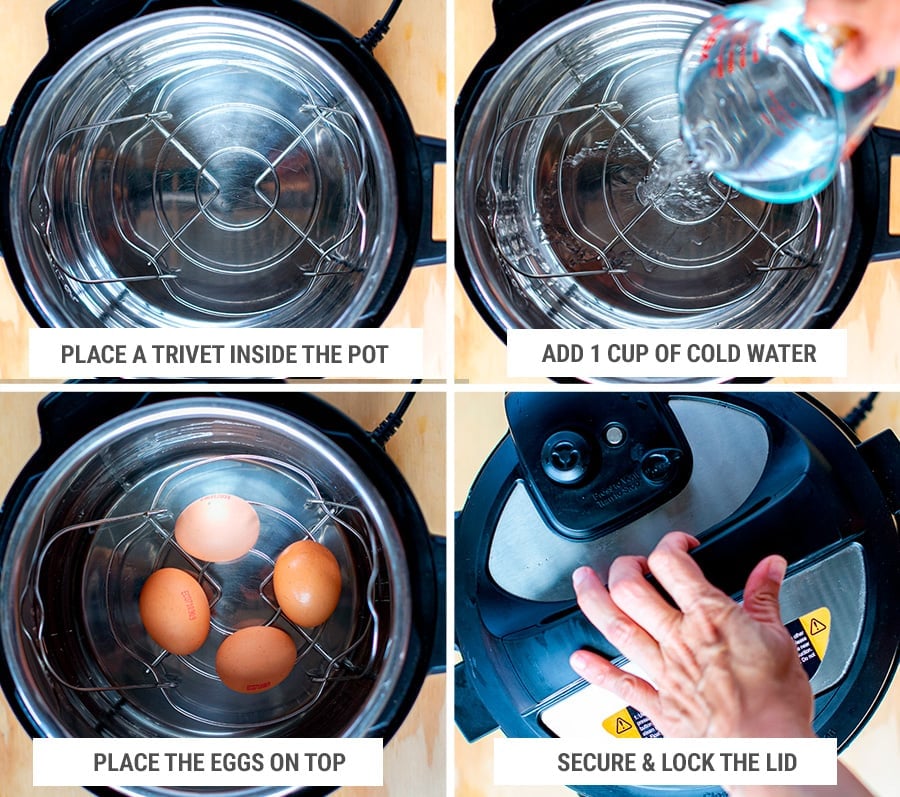
Setting up the trivet is simple, but doing it right ensures the best results and safety.
- Check the Inner Pot: Make sure the inner pot is clean and dry before you start.
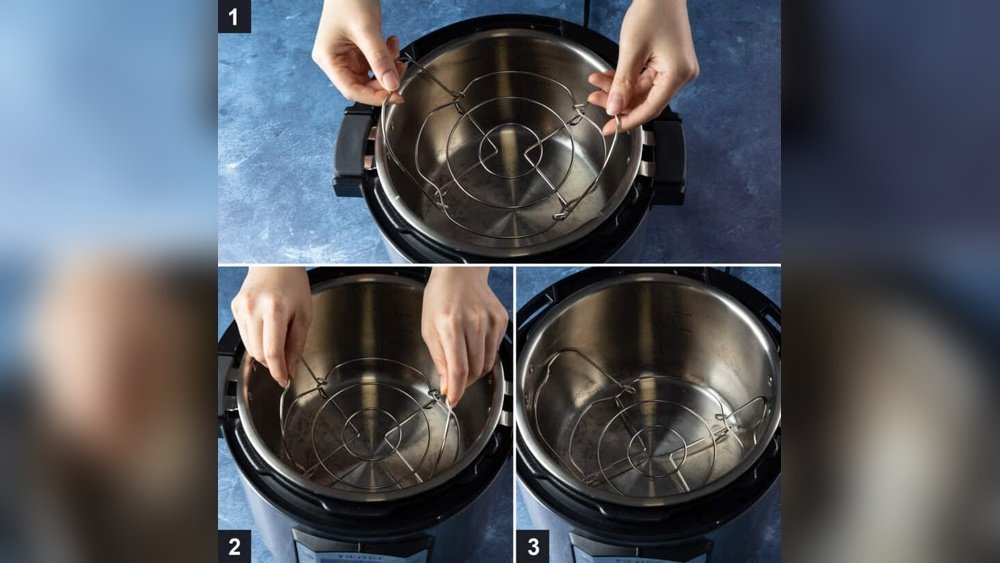
- Place the Trivet Inside: Set the trivet in the bottom of the pot. The legs should touch the metal, not float.
- Add Liquid: Pour in the required liquid (usually water or broth). Most recipes call for 1 to 1.5 cups, which helps create steam for pressure cooking.
- Arrange Your Food: Put your food on top of the trivet. Try not to block the steam holes if using a trivet with handles.
- Close the Lid and Cook: Set the Instant Pot lid in place, check the sealing ring, and choose your cooking program.
Pro tip: Always use enough liquid for your Instant Pot to come to pressure. If you use too little, your food may burn and the pot can display a “burn” warning.
Basic Ways To Use A Trivet
The trivet is more than a simple rack. Here are some popular uses:
Steaming Vegetables
Place cut vegetables (like broccoli, carrots, or cauliflower) on the trivet. Add water to the bottom. Steam for 0-2 minutes on high pressure for crisp results. Quick-release the pressure to avoid overcooking.
Cooking Hard-boiled Eggs
Set eggs directly on the trivet. Add one cup of water. Cook for 5 minutes at high pressure, then quick release and place the eggs in ice water.
Making Pot-in-pot Meals
You can cook rice, cake, or even lasagna in a separate dish on top of the trivet. This method is called “pot-in-pot” (PIP) cooking. It keeps your main dish and side separate and prevents sticking.
Roasting Meats
Put a whole chicken, roast, or ribs on the trivet. The meat stays out of the liquid, cooks evenly, and the juices drip below for gravy.
Preparing Desserts
Use the trivet to make cheesecakes or puddings. Place a cake pan or ramekins on top. This allows gentle, even cooking without burning the bottom.
Pot-in-pot Cooking With A Trivet
Pot-in-pot (PIP) cooking is one of the most powerful ways to use your trivet. It means putting a separate, oven-safe dish (like a glass bowl, cake pan, or stainless steel container) on top of the trivet inside the Instant Pot.
Why Use Pot-in-pot?
- Make two dishes at once: For example, cook chicken in the bottom and rice in a bowl on the trivet.
- Keep delicate foods safe: Foods like custards, cheesecakes, or flan won’t burn or get watery.
- Easy cleanup: Your inner pot stays clean.
Steps For Pot-in-pot
- Add water to the bottom of the inner pot.
- Place the trivet in the pot.
- Put your oven-safe bowl or pan with ingredients on the trivet.
- Close and cook as usual.
Non-obvious insight: Use a foil sling (a strip of folded aluminum foil) under your dish. This makes it much easier to lift the hot pan out after cooking.
Credit: www.pressurecookrecipes.com
Common Mistakes When Using A Trivet
Even experienced cooks make mistakes with the trivet. Here are some to avoid:
- Not Adding Enough Liquid: The Instant Pot needs steam to build pressure. If you forget the liquid, the pot won’t work right.
- Covering Steam Vents: If your trivet or food blocks the vents, pressure won’t build correctly. Arrange food loosely.
- Using the Wrong Pan Size: If you use a dish that is too big for pot-in-pot, it can touch the sides and cause uneven cooking.
- Forgetting the Handles: If your trivet has handles, make sure they are upright before closing the lid. If not, you might not be able to lift it out easily.
- Stacking Too Much Food: Overloading the trivet can block steam and lead to undercooked meals.
Beginner tip: Always check that your trivet is stable and not tilted, especially when using heavier dishes.
Creative Recipes Using The Trivet
The trivet can help you cook more than just vegetables or eggs. Here are some creative ideas:
1. Steam Fish
Season fish fillets and place them on a piece of parchment paper on the trivet. Add lemon slices and herbs for flavor. Steam with a cup of water for 4-5 minutes on high pressure. The fish stays moist and flaky.
2. Bake A Cheesecake
Use the trivet to hold a springform pan with cheesecake batter. Add water below, and cook for 30-35 minutes. The gentle steam prevents cracks and keeps the cheesecake creamy.
3. Make Tamales
Stand tamales upright on the trivet with water in the bottom. Pressure cook for 20-25 minutes. The trivet keeps them out of the water, so they steam perfectly.
4. Cook A Whole Chicken
Rub a chicken with spices and set it on the trivet. Add broth or water. Cook for 25-30 minutes (depending on size). The chicken is juicy, and the drippings are perfect for gravy.
5. Potatoes For Mashing
Put whole potatoes on the trivet. Steam for 12-15 minutes. The skins stay dry and peel off easily after cooking.
Pro insight: You can use the trivet to reheat leftovers. Place a bowl of cold food on the trivet with water below. Steam for 5-10 minutes. Food reheats evenly and doesn’t dry out.
How To Clean And Care For Your Trivet
Cleaning the trivet is usually easy, but some foods can stick. Follow these steps to keep it in good shape:
- Soak in Warm Water: If food is stuck, soak for 10-15 minutes before scrubbing.
- Use a Soft Brush: A nylon brush or sponge removes food without scratching the metal or silicone.
- Dishwasher Safe: Most stainless steel and silicone trivets are dishwasher safe.
- Dry Completely: To avoid rust on metal trivets, dry thoroughly before storing.
- Check for Damage: Inspect for bent legs or broken silicone after each use.
Non-obvious insight: If you use your trivet for desserts with sticky sugar, spray a little oil on the trivet before cooking. This prevents mess and makes cleanup faster.
Comparing Trivets: Which One Should You Use?
Choosing the right trivet makes a big difference. Here’s a simple comparison:
| Trivet Type | Easy to Clean | Best For | Price Range |
|---|---|---|---|
| Basic Metal | Yes | Eggs, veggies, meat | $5-10 |
| Silicone | Yes | Desserts, sticky foods | $8-15 |
| Tall Metal | Yes | Large roasts, multi-level cooking | $10-18 |
| Stackable | Moderate | Batch meals, meal prep | $15-25 |
Pro tip: If you often cook desserts, a silicone trivet is less likely to leave scratches on pans and cleans up faster.
Safety Tips When Using A Trivet
Pressure cooking is safe if you follow the rules. Here are important safety tips for the trivet:
- Always Use Handles: If your trivet has handles, use them to lift food out. Don’t reach inside with bare hands.
- Let Pressure Release First: Never try to remove the trivet while the Instant Pot is still under pressure.
- Check Weight Limits: Don’t overload the trivet. Most can hold 6-8 pounds. Heavy items can bend the trivet or make it unstable.
- Keep It Centered: Place food in the middle of the trivet so it won’t tip over.
- Watch for Steam: When opening the lid, tilt it away from you. Hot steam can burn your hands or face.
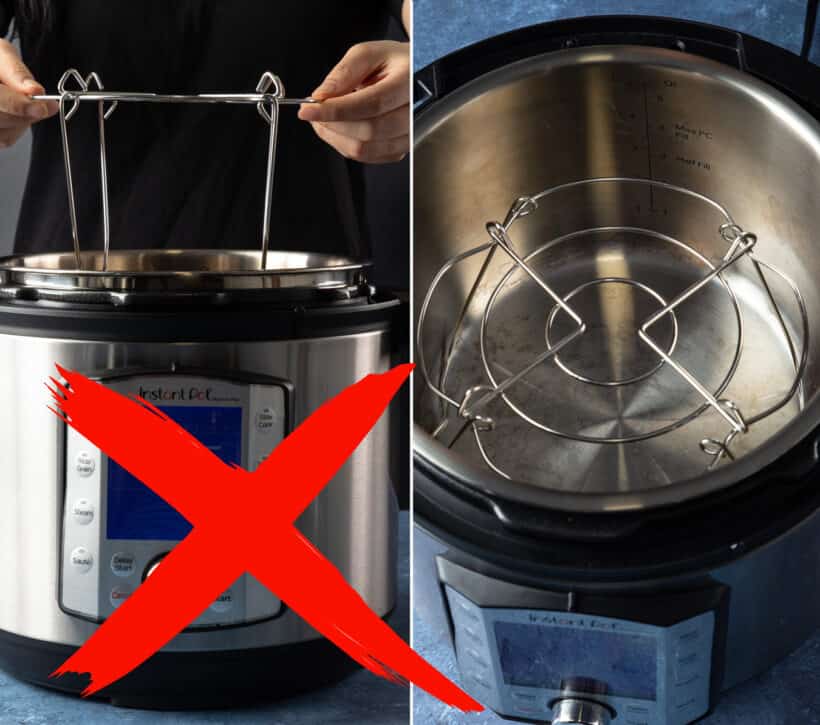
Beginner mistake: Some people use a regular kitchen rack instead of an Instant Pot trivet. Only use racks designed for pressure cooking. Others may melt or rust.
Advanced Uses And Hacks
Once you’re comfortable with the basics, you can try these advanced tricks:
Stackable Cooking
You can cook two or more dishes at once using stackable trivets or pans. For example, steam vegetables on the lower level and fish on the upper level. This saves time and energy.
Reheating Leftovers
Place a bowl with leftovers on the trivet and add water below. Steam gently to reheat without drying out your food.
Yogurt Making
Some yogurt recipes ask you to keep jars raised above the water. Use the trivet to hold glass jars in place for even heating.
Dehydrating Foods
Some tall, stackable trivets allow you to layer sliced fruits or vegetables for dehydrating. This is only possible in certain Instant Pot models with the dehydrate function.
Sous Vide Cooking
If your Instant Pot has a sous vide setting, use the trivet to keep vacuum-sealed bags from touching the bottom, which ensures even temperature.
Non-obvious insight: You can use silicone muffin cups on the trivet to make egg bites, mini cheesecakes, or steamed puddings. This keeps each portion separate and easy to serve.

Credit: www.nilds.gov.ng
Troubleshooting Trivet Problems
Sometimes things go wrong. Here’s how to fix common issues:
- Food Falls Through the Trivet: Use a piece of parchment or foil under small foods like chopped veggies or fish.
- Trivet Legs Bend: If your trivet is unstable, check for bent legs. Replace if needed.
- Water Touches Food: Use a taller trivet or stack two trivets for more space.
- Food Sticks to Trivet: Spray with non-stick spray before placing food, or use a silicone trivet.
- Difficult to Clean: Soak in vinegar and baking soda for tough stains.
Advanced tip: If you want to infuse flavor, add herbs, lemon slices, or garlic cloves to the water below the trivet. The steam will pick up the flavors and add them to your food.
Instant Pot Trivet: Do’s And Don’ts
Here’s a quick guide for safe and effective use:
Do’s
- Use enough liquid for steam.
- Arrange food evenly on the trivet.
- Use oven-safe dishes for pot-in-pot cooking.
- Clean the trivet after each use.
- Use trivets made for your Instant Pot model.
Don’ts
- Don’t overload the trivet.
- Don’t use a plastic or non-oven-safe rack.
- Don’t block steam vents with large pans.
- Don’t try to lift out the trivet without handles when hot.
- Don’t store the trivet in the pot while wet.
Non-obvious insight: Some Instant Pot users store their trivet inside the pot, but this can trap moisture and cause rust, especially in humid climates.
Essential Accessories For Trivet Cooking
To get the most from your trivet, consider these helpful accessories:
- Foil Sling: Makes lifting hot dishes easy and safe.
- Steamer Basket: Fits on the trivet for small veggies or dumplings.
- Oven-Safe Bowls/Pans: For pot-in-pot meals or desserts.
- Silicone Muffin Cups: Great for egg bites or mini cakes.
- Tongs with Silicone Tips: For safe removal of hot food.
Pro insight: A mesh steamer basket on top of the trivet makes it easier to cook tiny foods like peas or beans without them falling through.
Instant Pot Trivet Vs. Steamer Basket
Many people confuse the trivet with a steamer basket. Here’s a side-by-side comparison to clarify:
| Feature | Trivet | Steamer Basket |
|---|---|---|
| Purpose | Raise food above water, support bowls/pans | Hold small or loose foods for steaming |
| Material | Stainless steel, silicone | Stainless steel, mesh, silicone |
| Capacity | Usually 1 layer | Holds more small items |
| Pot-in-pot cooking | Yes | No |
| Best for | Eggs, roasts, cakes | Vegetables, dumplings, beans |
Pro tip: Use the trivet for larger items and pot-in-pot recipes, and the steamer basket for smaller, loose foods.
How To Choose The Right Trivet For Your Needs
When buying an extra trivet, consider these factors:
- Size: Make sure it fits your Instant Pot (3, 6, or 8-quart).
- Handles: Handles make lifting safer and easier.
- Material: Stainless steel is durable; silicone is non-stick and easy to clean.
- Height: Taller trivets are better for big roasts and keeping food further from liquid.
- Stackable Design: For cooking multiple dishes at once.
Beginner mistake: Buying a trivet that is too tall for your pot can prevent the lid from closing. Always measure before buying.
Where To Find More Recipes And Ideas
You can find new recipes for trivet cooking in Instant Pot cookbooks, cooking blogs, and videos. The official Instant Pot website and YouTube channel offer many step-by-step guides. For more creative ideas, check food forums or dedicated Instant Pot groups.
For a deeper look at how pressure cooking works, check out this helpful resource: Wikipedia: Pressure cooking.
Credit: www.jumpusapark.com
Frequently Asked Questions
How Much Water Should I Use With The Trivet?
Most recipes need at least 1 to 1. 5 cups of water in the bottom of the inner pot. This is enough to create steam for pressure cooking, but always check your Instant Pot manual for the exact amount.
Can I Use Aluminum Foil As A Trivet?
No, you should not use aluminum foil alone as a trivet. It may not support the weight of food and can block steam flow. Use a trivet made for pressure cooking.
Is It Safe To Use The Trivet For Baking In The Instant Pot?
Yes, the trivet is perfect for baking cakes, cheesecakes, and puddings in oven-safe pans. It ensures even cooking and prevents burning.
Can The Trivet Go In The Dishwasher?
Most stainless steel and silicone trivets are dishwasher safe. Check your trivet’s instructions to be sure. Always dry it completely before storing.
What If I Lost My Instant Pot Trivet?
You can buy a replacement online or at kitchen stores. Make sure to choose one that fits your Instant Pot model and size for best results.
Cooking with an Instant Pot trivet unlocks new possibilities in your kitchen. Whether you’re steaming vegetables, baking desserts, or making one-pot meals, this simple tool helps you cook smarter and cleaner. With these tips and tricks, you’re ready to get more from your Instant Pot every day.